Side-by-Side IQ Profile: Jack Russell Terrier vs. Miniature Pinscher
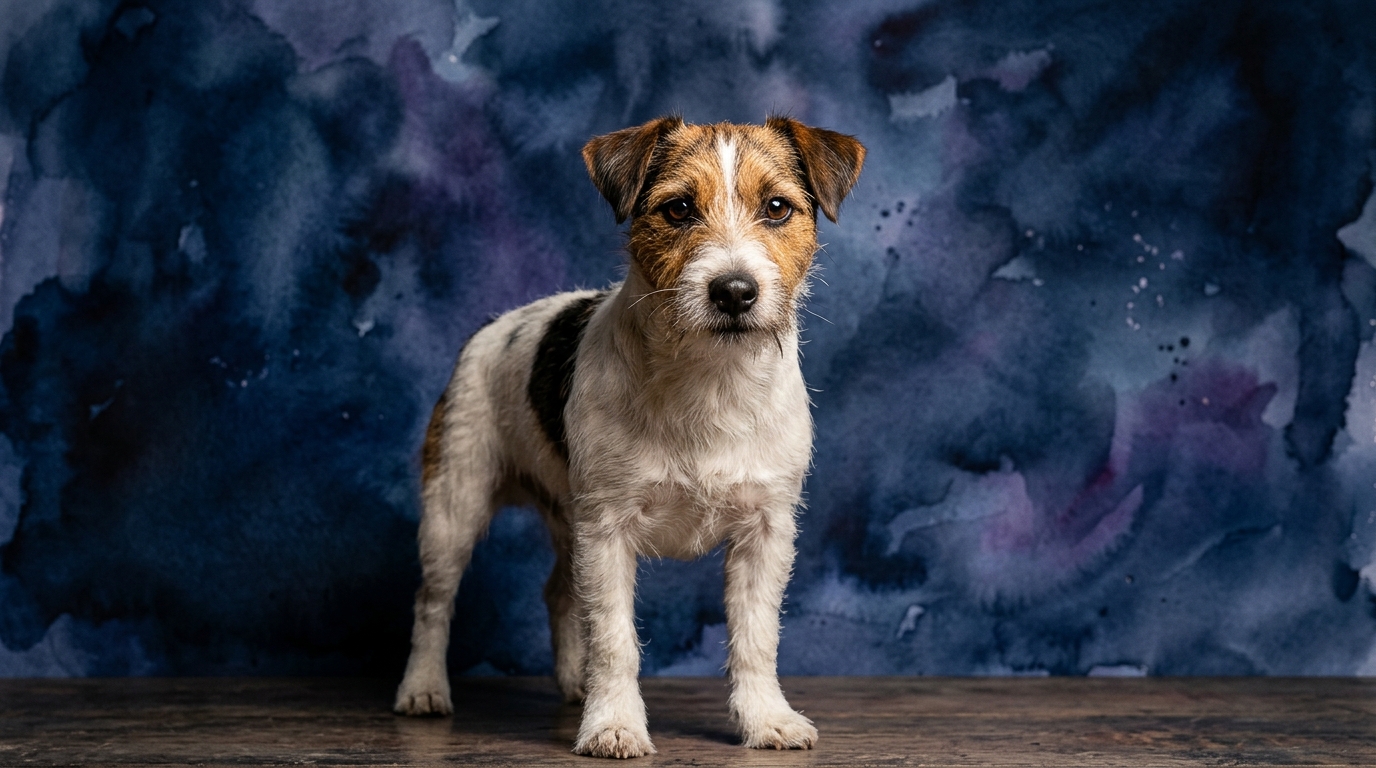
The Jack Russell Terrier's cognitive profile, as measured by The Cosmic Pet Pet IQ Lab, highlights a breed driven by intellect and instinct. Their Problem Solving is rated 5/5, indicating an exceptional ability to independently figure out complex challenges and navigate intricate scenarios with keen observation. Training Speed is 3/5; while capable, their strong will and independent nature mean consistent, engaging methods are crucial for compliance. Social Intelligence stands at 3/5, as they form strong bonds and read familiar cues but often prioritize their own objectives over nuanced social interactions. A formidable 5/5 in Instinctive Drive means they possess a relentless determination for hunting, chasing, and exploration. Finally, their Memory is 4/5, allowing them to easily recall commands, routines, and past successes, supporting their overall problem-solving prowess.
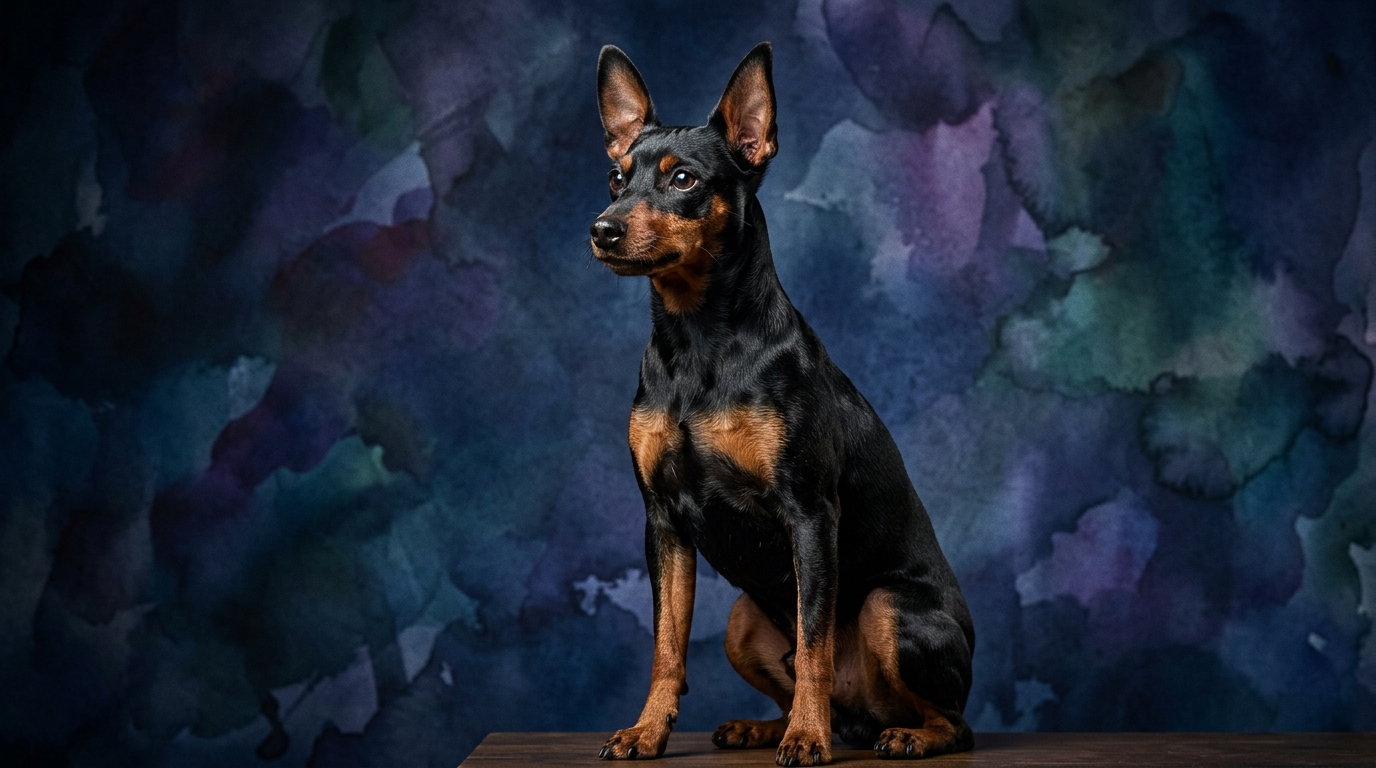
In contrast, the Miniature Pinscher presents a more balanced, moderate cognitive profile across the board. Their Problem Solving is 3/5, showing they can learn to navigate puzzles but may rely more on learned patterns than innovative solutions. Training Speed is also 3/5; their lively temperament requires consistent positive reinforcement in shorter, frequent sessions to overcome occasional stubbornness. Social Intelligence is 3/5, indicating they form deep attachments with family and perceive moods, but can be reserved or wary with strangers. Their Instinctive Drive is 3/5, meaning they are alert and possess a natural inclination to chase and patrol, though less intensely than the JRT. Memory is 3/5, allowing them to retain basic commands and routines, but consistent reinforcement is key for long-term retention.
Where the Jack Russell Terrier Wins Cognitively
The Jack Russell Terrier clearly outperforms the Miniature Pinscher in critical cognitive areas: problem-solving and instinctive drive. With a 5/5 in problem-solving, JRTs are natural strategists, adept at devising solutions to complex environmental challenges, often surprising owners with their ingenuity. Their formidable 5/5 instinctive drive further amplifies this, fueling a relentless pursuit of goals, whether digging out a perceived rodent or tirelessly working on a puzzle. This intense drive, coupled with their superior memory (4/5 vs 3/5), allows JRTs to recall intricate sequences and refine tactics, applying learned strategies more effectively than Miniature Pinschers.
Where the Miniature Pinscher Wins Cognitively
While the Miniature Pinscher doesn't exhibit higher scores in any specific cognitive dimension, its more balanced and moderate profile offers a distinct advantage for certain owners. The Min Pin's 3/5 in instinctive drive, for instance, means their natural urges for chasing and territoriality are present but generally less overwhelming than the JRT's intense 5/5 drive. This translates to a dog less prone to obsessive digging or relentless pursuit, potentially easier to integrate into a diverse household without constant management of powerful innate impulses. Their moderate problem-solving (3/5) also means they are less likely to independently outwit owners in complex situations, leading to fewer instances of 'clever' mischief.
Which is Easier to Train and Why
Both breeds share a 3/5 rating for training speed, suggesting a similar pace for learning new commands. However, their overall trainability diverges due to other cognitive traits. The Jack Russell's exceptional problem-solving (5/5) and overwhelming instinctive drive (5/5) mean they often train *you* as much as you train them. Their independent nature and single-minded pursuit of objectives can make them resistant to commands conflicting with their 'mission,' requiring highly engaging, varied, and consistent training. Their sharp minds constantly seek more stimulating activities than repetitive obedience. In contrast, while the Miniature Pinscher also has a moderate training speed and can be willful, their lower instinctive drive (3/5) and problem-solving (3/5) often translate to a dog generally more amenable to following rules. Their primary training challenge often lies in a shorter attention span and occasional stubbornness, rather than an overriding internal agenda.
Suited for Active vs. Relaxed Owners
The Jack Russell Terrier is unequivocally suited for highly active owners who thrive on mental and physical engagement. Their 5/5 instinctive drive and problem-solving capabilities demand constant outlets, requiring extensive daily exercise, structured training, and complex puzzle activities. A JRT thrives with owners who channel their relentless energy into dog sports like agility or earthdog trials; without sufficient engagement, their sharp minds can lead to destructive behaviors. The Miniature Pinscher, while energetic, presents a more adaptable profile. Their moderate instinctive drive and problem-solving (3/5 across the board) mean they require regular exercise and mental stimulation, but typically not to the intense degree of a JRT. They enjoy walks and playtime, fitting active owners who appreciate daily engagement without the extreme demands of a true working terrier. They can also adapt to more relaxed periods once core needs are met.
The Verdict
Choose a Jack Russell Terrier if you are an experienced, highly active owner who embraces a dog with formidable problem-solving skills and an intense, independent drive. You must be prepared to dedicate significant time to consistent training and daily mental and physical challenges to channel their boundless energy and sharp intellect.
Opt for a Miniature Pinscher if you desire a lively, confident companion with a moderate activity level and a more balanced cognitive profile, making them generally more manageable in a home environment. They thrive with owners who can provide regular exercise and mental stimulation without requiring the specialized dedication needed for a truly high-drive working breed.
🧠 Find Your Pet's IQ Score
Our Pet IQ Lab assessment covers 25+ tests across 5 cognitive dimensions — personalized to your breed.
Take the Full IQ Test →Frequently Asked Questions
Are Jack Russells good apartment dogs?
Jack Russells can adapt to apartment living if their extensive needs for exercise and mental stimulation are rigorously met daily. Their high instinctive drive and problem-solving skills demand frequent, intense activity to prevent boredom and destructive behaviors in smaller spaces.
Do Miniature Pinschers bark a lot?
Miniature Pinschers are known for their alert nature and can be quite vocal, often barking at perceived threats or new sounds. Their protective instincts contribute to this tendency, requiring consistent training to manage excessive barking effectively.
Which breed is better with children?
Neither breed is inherently a 'children's dog' without proper socialization and supervision. Jack Russells, with their high drive, might have less patience for rough play. Miniature Pinschers can be protective but may be wary of boisterous children, making careful introductions and supervision crucial for both.