Side-by-Side IQ Profile: Jack Russell Terrier vs. Norwegian Lundehund
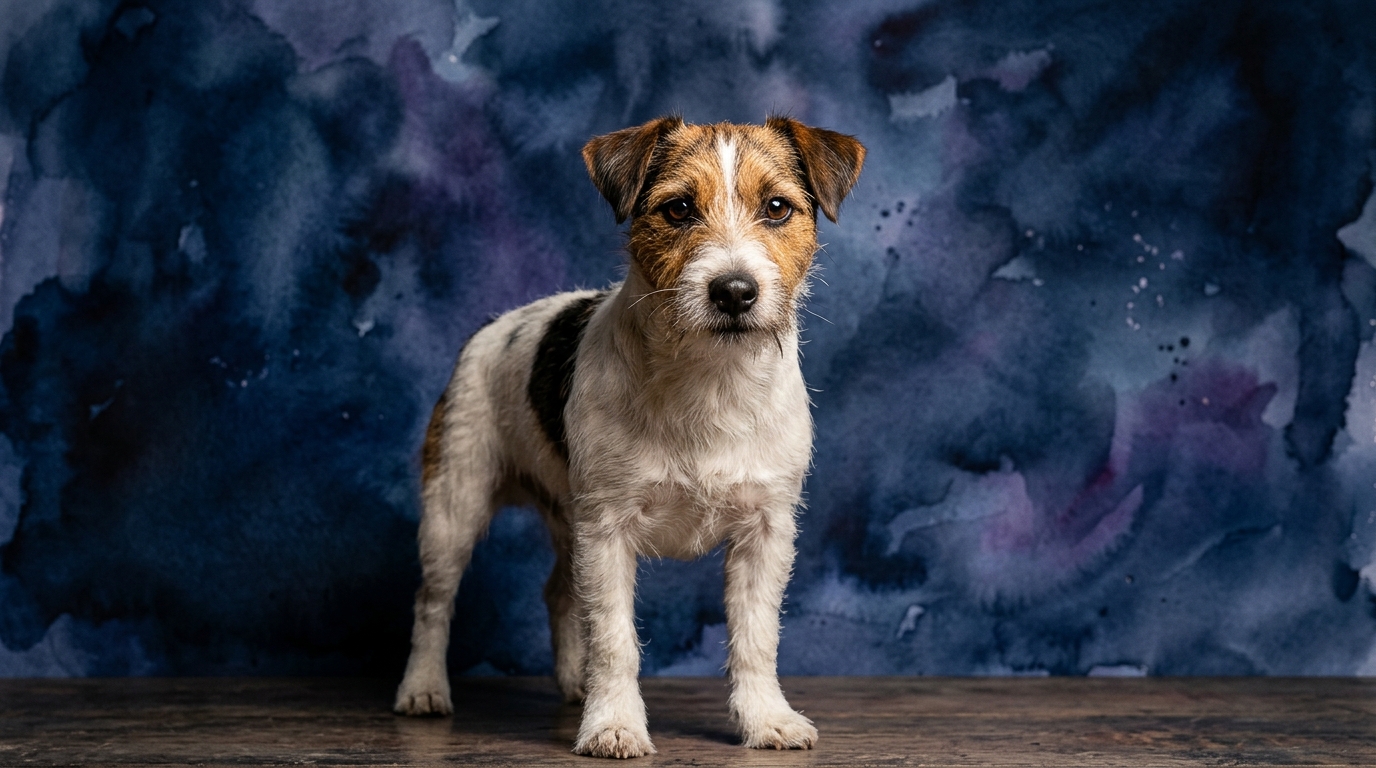
The Cosmic Pet Pet IQ Lab assesses canine intelligence across five critical dimensions, revealing the unique cognitive blueprints of each breed. For the Jack Russell Terrier, we see a profile built for tenacity and pursuit. Their Problem Solving is rated an exceptional 5/5, reflecting their uncanny ability to strategize and overcome obstacles in reaching a goal, often with remarkable ingenuity. Training Speed registers at 3/5; while quick to grasp concepts, their independent streak and intense focus can sometimes override a desire to comply. Social Intelligence, at 3/5, indicates they can read human cues effectively but often prioritize their own agenda, making them discerning companions. Their Instinctive Drive is a powerful 5/5, a relentless engine of chasing, digging, and exploring. Memory stands at 4/5, enabling them to recall complex sequences and successful past strategies with impressive accuracy.
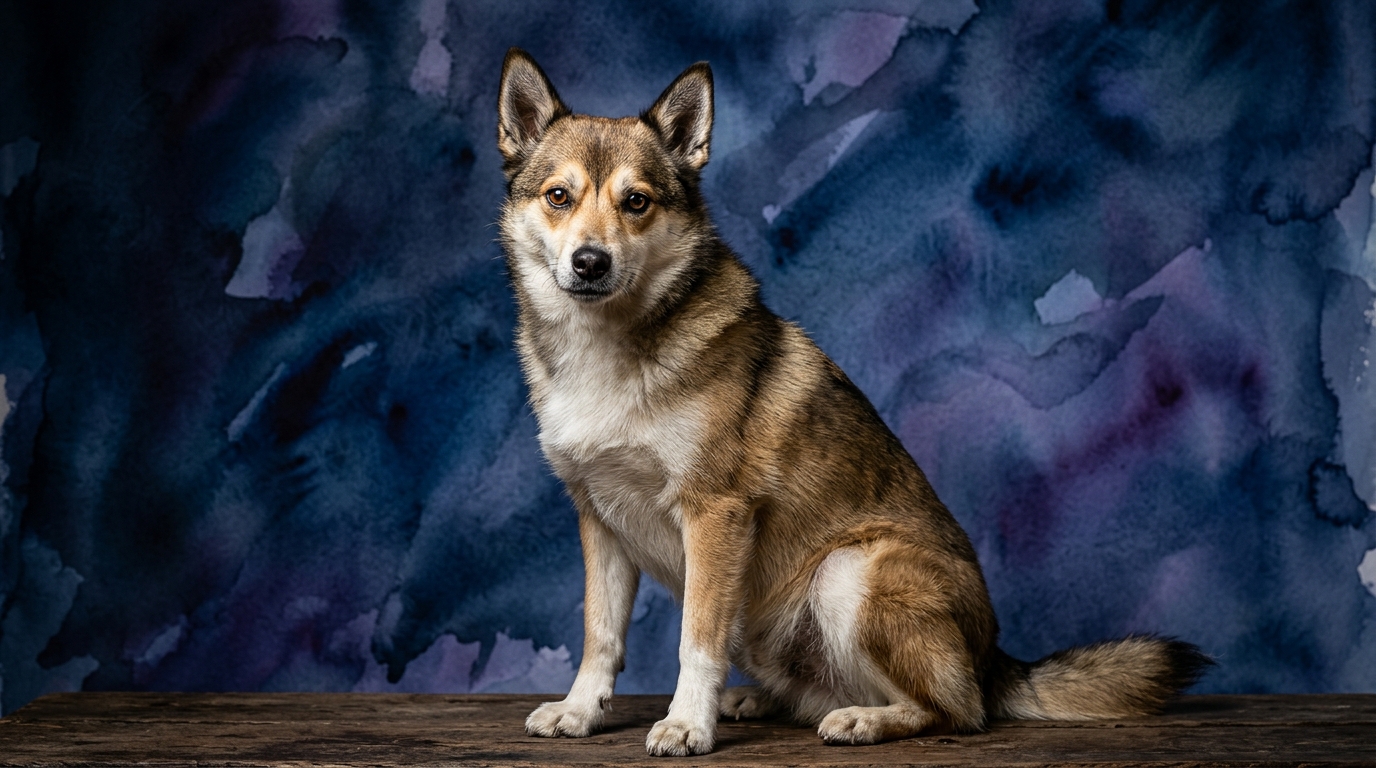
The Norwegian Lundehund, in contrast, presents a cognitive profile shaped by their ancient role as puffin hunters in challenging coastal environments. Their Problem Solving is rated 3/5, reflecting a practical, spatially-oriented intelligence focused on navigating complex physical terrains rather than abstract strategizing. Training Speed, also 3/5, suggests they are capable learners but require patient, positive reinforcement due to a sensitive nature and a tendency towards thoughtful deliberation rather than eager compliance. Their Social Intelligence is likewise 3/5; they form strong bonds with their immediate family but can be reserved or wary with strangers, observing situations carefully before engaging. Instinctive Drive is 3/5, a drive focused more on careful exploration and retrieval within difficult environments than the high-octane pursuit seen in terriers. Memory is 3/5, sufficient for routines and familiar environments, though they can recall negative experiences, necessitating gentle handling.
Where the Jack Russell Terrier Wins Cognitively
The Jack Russell Terrier clearly outshines the Lundehund in several cognitive domains, primarily driven by their heritage as vermin hunters. Their 5/5 Problem Solving score is a testament to their exceptional capacity for devising strategies to achieve a desired outcome. This isn't just about simple obedience; it's about figuring out how to open a gate, retrieve a hidden toy from a complex setup, or outsmart a perceived 'prey' target. They exhibit a mental agility that allows them to adapt rapidly to novel challenges, often thinking several steps ahead in a pursuit. This is coupled with their formidable 5/5 Instinctive Drive, which fuels their cognitive efforts, providing an unparalleled motivation to engage with and solve problems, particularly those involving chasing, digging, or retrieving. While this drive can be challenging for owners, it is a powerful cognitive asset that propels their learning and engagement. Furthermore, their 4/5 Memory allows them to efficiently recall successful tactics and apply them to similar future scenarios, building a repertoire of problem-solving skills that make them incredibly resourceful and often tenacious to a fault.
Where the Norwegian Lundehund Wins Cognitively
While the Norwegian Lundehund may not boast numerically higher scores in direct comparison, their cognitive strengths lie in a unique blend of practical intelligence and nuanced sensitivity, directly tied to their specialized history. Their 3/5 Problem Solving, though lower than the JRT, is specifically geared towards spatial reasoning and navigating intricate physical environments. This isn't about outsmarting a rat in a maze, but about carefully assessing and maneuvering through rocky crevices or climbing uneven terrain to reach a goal – a distinct form of environmental intelligence. Their unique physical adaptations, like extra toes and flexible joints, are not just physical traits but are intrinsically linked to this cognitive ability to perceive and exploit complex landscapes. Their 3/5 Social Intelligence, while not overtly effusive, manifests as a careful assessment of new people and situations; they are not easily swayed and possess a thoughtful, observant nature that can be a cognitive advantage in discerning safety or threat. This cautious approach, combined with a capacity to remember negative experiences (3/5 Memory), means they are less likely to rush into potentially dangerous situations, demonstrating a practical self-preservation intelligence that differs significantly from the JRT's bold impulsiveness.
Which is Easier to Train and Why?
Both the Jack Russell Terrier and the Norwegian Lundehund share a Training Speed score of 3/5, yet the underlying reasons for this rating and the implications for training differ significantly. The Jack Russell Terrier learns commands quickly and can grasp complex sequences due to their high Problem Solving and Memory scores. However, their formidable 5/5 Instinctive Drive often means they are easily distracted by environmental stimuli – a rustling leaf or distant squirrel can instantly override a 'stay' command. Their independent nature also means they will readily challenge boundaries and might choose not to comply if they perceive a more interesting alternative. Training a JRT requires immense consistency, firm but fair boundaries, and making training feel like a stimulating game that taps into their prey drive, rather than a repetitive chore. They excel when their minds are constantly engaged, and boredom quickly leads to self-directed, often destructive, problem-solving.
The Norwegian Lundehund, also at 3/5 for Training Speed, presents a different set of challenges. They are generally more sensitive and can shut down or become stubborn if training methods are harsh or overly repetitive. Their moderate Instinctive Drive (3/5) means they might lack the intense motivation to work purely for praise or a simple treat, often requiring a clear 'what's in it for me?' incentive. While they are capable of learning, their cautious and observant nature means they process information thoughtfully and may take longer to offer a desired behavior initially. Success with a Lundehund hinges on patience, positive reinforcement, and understanding their unique personality. They are not as prone to the willful disobedience driven by high prey drive as a JRT, but more likely to exhibit a quiet resistance or a 'why bother?' attitude if not properly motivated and engaged.
Which Suits Active Owners vs. Relaxed Owners?
For owners seeking a dynamic, constantly engaged companion, the Jack Russell Terrier is the clear choice. Their 5/5 Problem Solving and 5/5 Instinctive Drive demand an extremely active lifestyle, both physically and mentally. These are dogs that thrive on structured activities like agility, flyball, earthdog trials, or extensive daily adventures that allow them to use their bodies and minds. A JRT in a relaxed, sedentary home will quickly become bored, leading to destructive behaviors, excessive barking, or attempts to create their own 'work' by tearing up furniture or digging up the garden. They need an owner who is equally energetic, consistent in training, and committed to providing daily outlets for their powerful cognitive and physical drives. They are partners for adventure, not passive observers.
The Norwegian Lundehund, while still needing regular exercise, is better suited for owners who appreciate a more measured pace of life. Their 3/5 Instinctive Drive and 3/5 Problem Solving suggest they are not as relentlessly demanding as the JRT. They enjoy exploring and can certainly participate in moderate hikes or walks, but they don't possess the same insatiable drive for high-octane mental and physical challenges. Owners who enjoy a consistent routine, appreciate a unique and sometimes reserved companionship, and are patient with a sensitive, thoughtful dog will find a good match. Their specific needs often revolve around safe environments where their unique physical traits can be accommodated, rather than constant, intense mental work. They are content with being a beloved family member who observes and participates in daily life without requiring constant, high-stimulus engagement.
The Verdict: When to Choose Each Breed
The Verdict
Choose the Jack Russell Terrier if you are an active, experienced owner seeking a tenacious, problem-solving partner for dog sports, challenging training, and relentless outdoor adventures. You must be prepared to channel their intense drives with consistent mental and physical engagement.
Opt for the Norwegian Lundehund if you appreciate a unique, sensitive companion with practical intelligence, suited for a more measured lifestyle that includes regular exercise and positive, patient training. They thrive in a calm, consistent home that understands their distinct needs and cautious nature.
🧠 Find Your Pet's IQ Score
Our Pet IQ Lab assessment covers 25+ tests across 5 cognitive dimensions — personalized to your breed.
Take the Full IQ Test →Frequently Asked Questions
Are Jack Russell Terriers good family dogs?
Jack Russell Terriers can be excellent family dogs for active, experienced families who understand their high energy, strong prey drive, and need for consistent training and mental stimulation. They thrive with older, respectful children who can engage in play, but their intensity might be overwhelming for very young children.
Do Norwegian Lundehunds require a lot of exercise?
Norwegian Lundehunds require regular, moderate exercise to stay healthy and happy, but not the intense, high-octane demands of some other breeds. Daily walks, opportunities for safe exploration, and playtime are usually sufficient to meet their physical and mental needs without overstimulation.
Which breed is better for apartment living based on their cognitive needs?
Neither breed is ideally suited for small apartment living without significant commitment, but the Norwegian Lundehund might adapt slightly better given their lower overall instinctive drive and less demanding need for constant high-intensity mental work. A Jack Russell Terrier's high problem-solving and instinctive drive would quickly lead to destructive behaviors in a confined space without constant, dedicated outdoor and indoor enrichment.