A Side-by-Side Look at Canine IQ Profiles
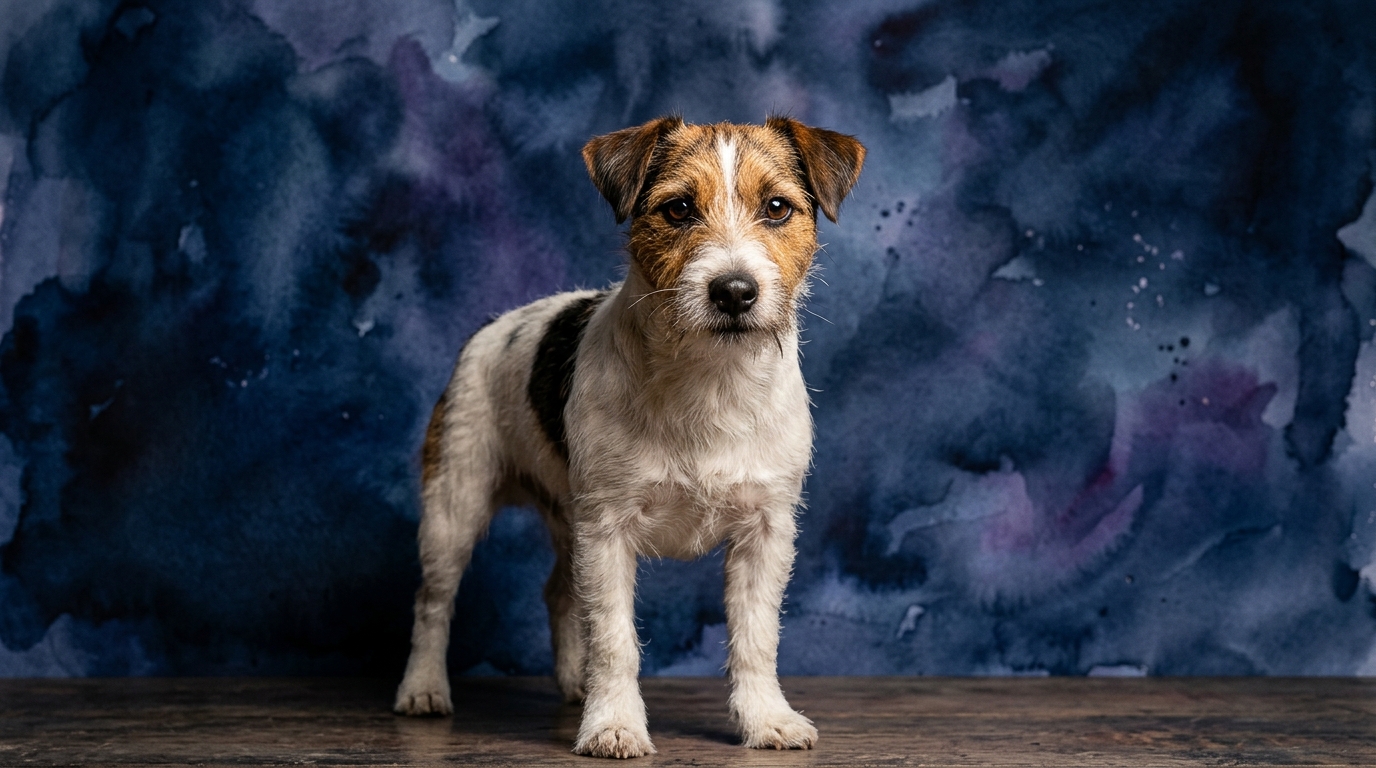
At The Cosmic Pet Pet IQ Lab, we assess canine intelligence across five critical dimensions, providing a nuanced understanding beyond simple obedience. The Jack Russell Terrier, a compact dynamo, exhibits an exceptional Problem Solving score of 5/5, indicating a keen ability to navigate novel situations and devise solutions independently. Its Training Speed is rated 3/5, suggesting a moderate pace of learning commands, while its Social Intelligence also stands at 3/5, reflecting a balanced but not overly effusive engagement with both humans and other animals. A standout feature is its Instinctive Drive, a perfect 5/5, showcasing a powerful intrinsic motivation for tasks like hunting and exploring. Memory for the JRT is strong at 4/5, allowing it to retain learned behaviors and experiences effectively.
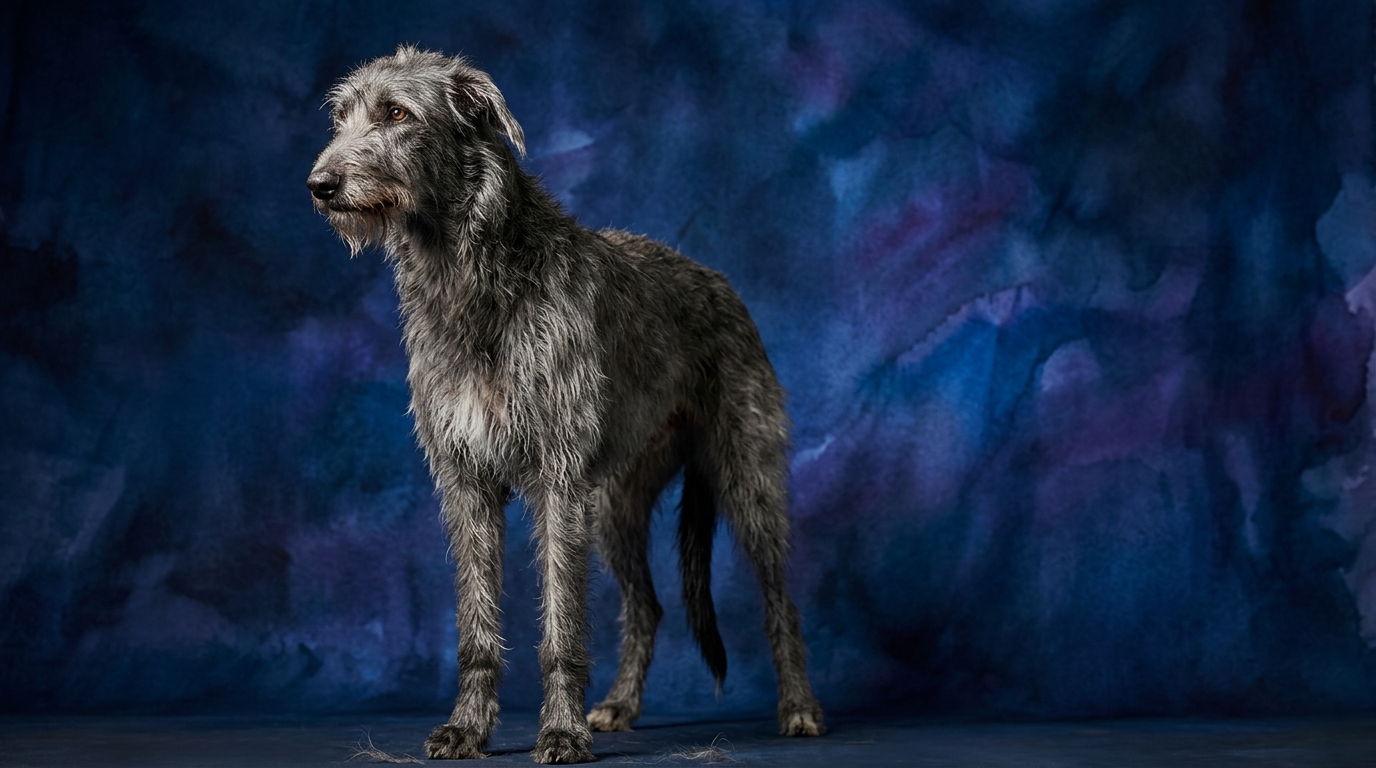
The Scottish Deerhound, by contrast, presents a more measured cognitive profile, aligning with its role as a noble sighthound. Its Problem Solving ability is rated 3/5, indicating a capacity for understanding but perhaps less inclination for independent strategizing compared to the terrier. Training Speed, like the JRT, is 3/5, suggesting a similar learning pace for obedience. Social Intelligence also scores 3/5, typically manifesting as a gentle and dignified demeanor rather than boisterous interaction. The Deerhound's Instinctive Drive is 3/5, present but not as overwhelming as the terrier's, primarily focused on the chase. Its Memory stands at 3/5, solid enough for daily routines and learned behaviors but not as sharp as the terrier's recall.
Where the Jack Russell Terrier's Mind Excels
The Jack Russell Terrier's cognitive prowess truly shines in its exceptional problem-solving capabilities (5/5) and unparalleled instinctive drive (5/5). This breed isn't just capable of learning; it's driven to understand, analyze, and often outsmart its environment. Owners frequently observe JRTs devising ingenious methods to access forbidden areas, retrieve desired objects, or bypass obstacles, a testament to their high cognitive flexibility. This isn't mere mischief; it's an active application of their mental faculties to achieve a goal. Their intense instinctive drive means they are perpetually engaged with the world, seeking out stimuli, tracking scents, and interpreting subtle environmental cues, making them highly attuned to their surroundings.
Furthermore, the JRT’s strong memory (4/5) complements its problem-solving skills. Once a terrier learns a route, a trick, or a successful strategy for a particular situation, it retains that information with remarkable tenacity. This allows them to build a sophisticated mental map of their world and apply past learning to new challenges. This combination of high problem-solving, powerful drive, and robust memory makes the Jack Russell Terrier a perpetually thinking, highly self-directed companion, constantly processing and interacting with its environment on an intellectual level.
The Cognitive Strengths of the Scottish Deerhound
While the Scottish Deerhound's scores might appear less intense than the JRT's, its cognitive profile represents a distinct set of strengths, particularly valuable for specific living situations. Its moderate instinctive drive (3/5) means it possesses the inherent sighthound urge to chase, but it's typically less persistently focused on independent 'work' than a terrier. This translates to a dog that, while capable of bursts of speed and focus during a chase, is often content to be a calm, observant companion indoors, not constantly seeking out intellectual challenges or independent projects. This lower intensity can be a significant advantage for owners seeking a more relaxed presence in their home.
The Deerhound's balanced social intelligence (3/5) and problem-solving (3/5) contribute to a dignified and often intuitive understanding of household dynamics. They are not prone to overthinking situations or creating complex scenarios; instead, they often react with a quiet sensitivity. Their cognitive makeup lends itself to a serene disposition, making them adept at blending into a calm household rhythm without demanding constant mental stimulation in the same way a high-drive terrier might. This specific blend of moderate cognitive traits allows them to be wonderfully adaptable and less prone to the neurotic tendencies that can sometimes arise in breeds with overly stimulated, high-intensity minds, offering a different kind of cognitive 'win' through their inherent tranquility.
Training Dynamics: Jack Russell Terrier vs. Scottish Deerhound
When it comes to training, both breeds score 3/5 for Training Speed, suggesting they can grasp commands at a similar pace. However, the practical experience of training them diverges significantly due to their other cognitive dimensions. The Jack Russell Terrier's formidable problem-solving (5/5) and overwhelming instinctive drive (5/5) can make training a constant negotiation. While they learn quickly, they also learn *how to get around* commands or apply their intelligence to their own agenda, such as digging under fences or independently pursuing scents. Their strong drive means they're often more motivated by their instincts than by owner directives, requiring immense consistency, creativity, and patience to channel their mental energy effectively. They need to be convinced that following a command is more rewarding than their independent ventures.
The Scottish Deerhound, with its moderate problem-solving (3/5) and instinctive drive (3/5), typically presents a different training challenge. While they might learn at the same rate as a JRT, their lower drive means they are generally less inclined to independently override commands or invent complex escape routes. They are more likely to comply once they understand what is asked, provided the motivation is there. However, their sighthound nature means they can be easily distracted by moving objects, and their independent spirit, while not as intensely 'problem-solving' as a terrier's, requires gentle, consistent motivation rather than forceful correction. They respond best to positive reinforcement and appreciate a calm, respectful approach, making them generally easier to manage in a training context despite similar learning speed scores, simply because their internal motivations are less often in direct conflict with owner expectations.
Matching Canine Minds to Lifestyles: Active vs. Relaxed Owners
The distinct cognitive profiles of these two breeds make them ideally suited for very different owner lifestyles. The Jack Russell Terrier, with its 5/5 problem-solving and 5/5 instinctive drive, is unequivocally a match for active, engaged owners. These dogs thrive when their sharp minds and boundless energy are consistently challenged. They need daily opportunities for vigorous physical exercise combined with stimulating mental tasks, such as agility, scent work, or complex puzzle toys. Owners who enjoy training, have a sense of humor about clever canine antics, and are prepared for a dog that constantly seeks engagement will find the JRT a rewarding companion. A sedentary lifestyle or lack of mental outlet for a JRT can quickly lead to boredom and the application of their problem-solving skills to destructive behaviors.
The Scottish Deerhound, conversely, with its more moderate cognitive scores (3/5 across most dimensions), is an excellent fit for owners seeking a more relaxed, yet still active, companion. While they need regular opportunities to stretch their long legs and run in a safe, enclosed space, their indoor demeanor is typically calm and dignified. They don't demand constant mental puzzles or independent 'jobs' in the same way a terrier does. Owners who appreciate a quiet presence, enjoy leisurely walks, and provide a comfortable home will find the Deerhound's gentle nature and lower intensity drives a perfect fit. They are less prone to creating their own entertainment through complex schemes and are generally content to observe and participate calmly in family life, making them suitable for owners who prefer a serene atmosphere without sacrificing the joy of a large, affectionate dog.
The Verdict
Choose the Jack Russell Terrier if you're an active, hands-on owner who relishes a daily intellectual challenge, enjoys dog sports, and can provide consistent mental and physical stimulation for a highly driven, problem-solving companion.
Opt for the Scottish Deerhound if you seek a calm, dignified, and affectionate companion who enjoys bursts of outdoor activity but is content with a more serene indoor life, appreciating a relaxed pace and a gentle, consistent approach to training.
🧠 Find Your Pet's IQ Score
Our Pet IQ Lab assessment covers 25+ tests across 5 cognitive dimensions — personalized to your breed.
Take the Full IQ Test →Frequently Asked Questions
Which breed is better for a first-time dog owner?
The Scottish Deerhound's more moderate drives and less intense problem-solving can make it a more manageable choice for a first-time owner, provided they can accommodate its size and exercise needs. The Jack Russell Terrier's high energy and strong will often require an owner with prior experience or a strong commitment to consistent training and management.
Do Jack Russell Terriers require constant mental stimulation?
Yes, Jack Russell Terriers, with their 5/5 problem-solving and instinctive drive, absolutely thrive on consistent mental stimulation. Without it, they are likely to invent their own 'work,' which can manifest as digging, excessive barking, or finding creative ways to get into trouble. Daily puzzle toys, training sessions, and interactive games are crucial.
Are Scottish Deerhounds difficult to train due to their sighthound nature?
Scottish Deerhounds are not inherently difficult to train, scoring 3/5 for training speed, but their sighthound nature means they can be highly distracted by movement and have an independent streak. Consistent, positive reinforcement training is key, focusing on recall and impulse control, especially in unfenced areas where their chase drive might take over.