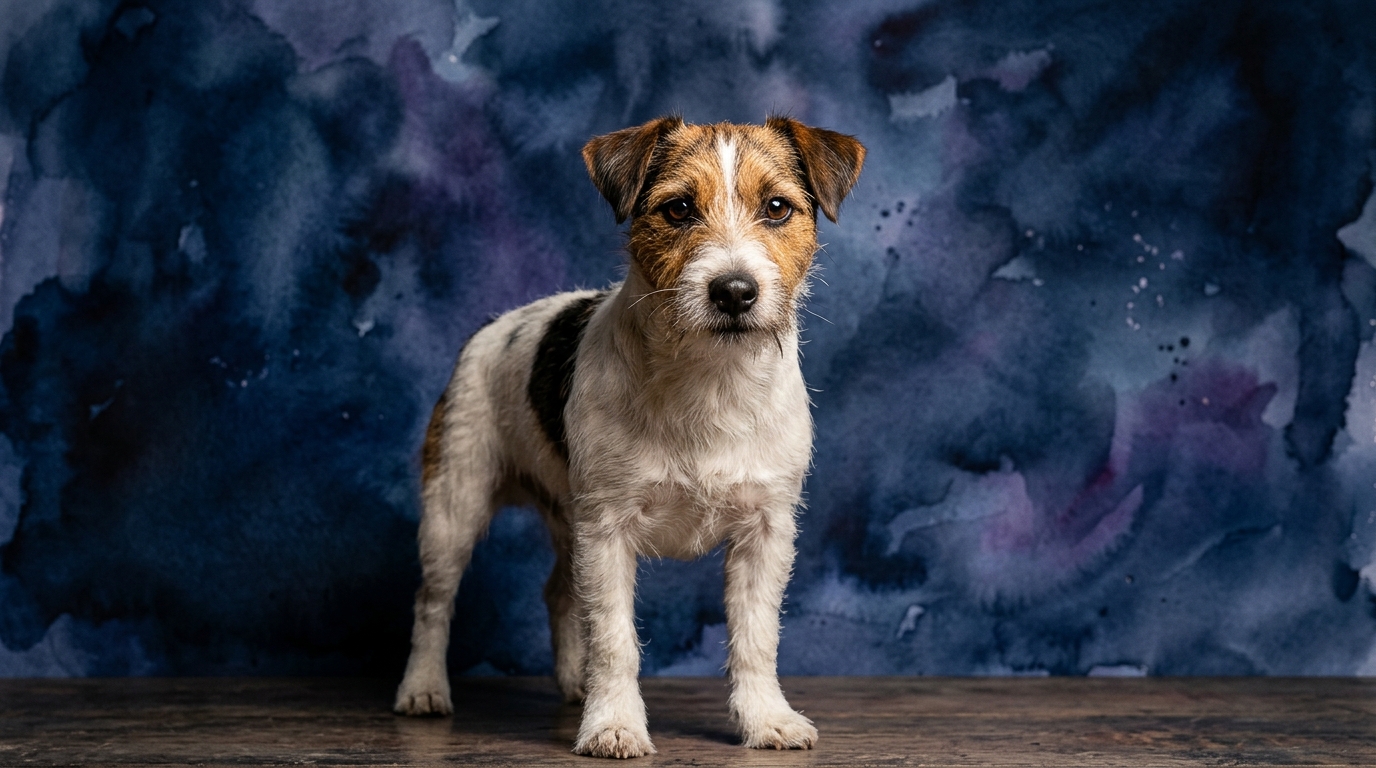
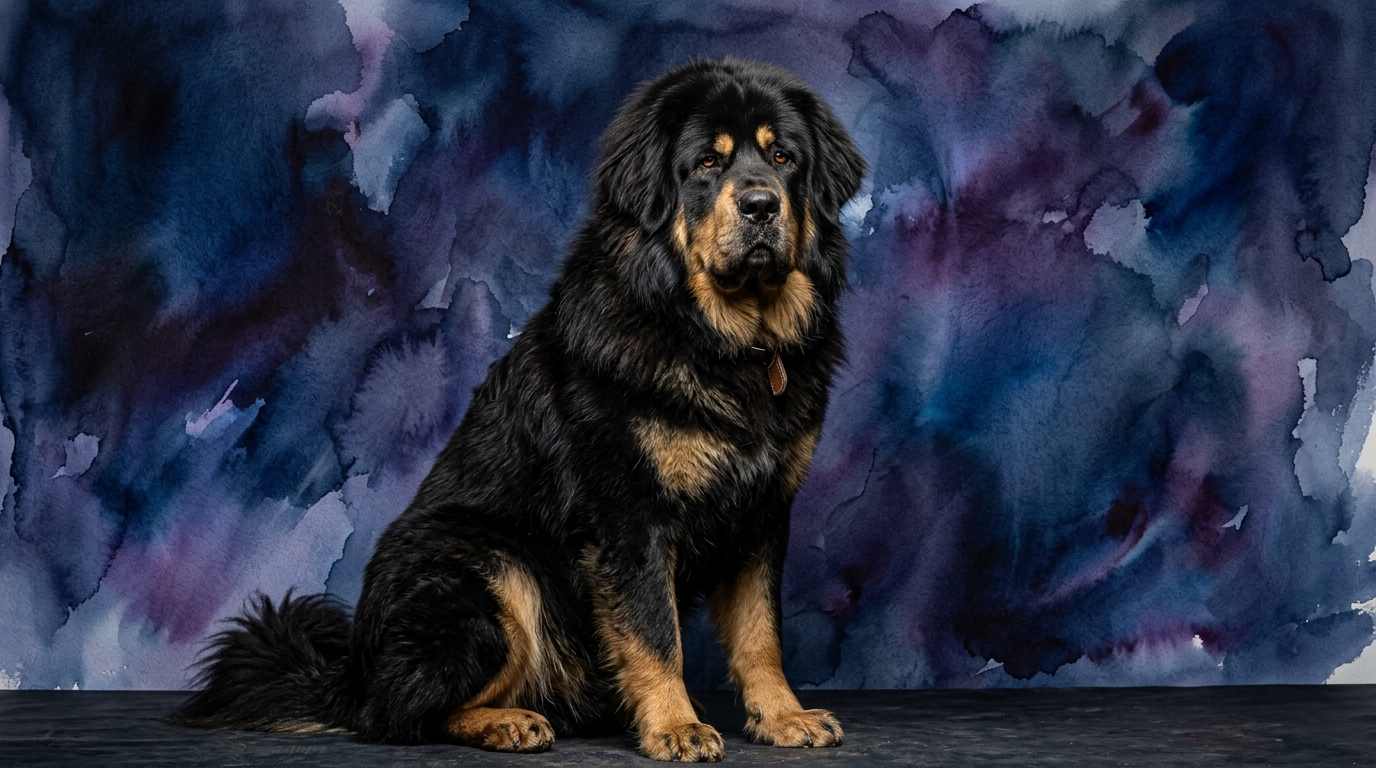
Side-by-Side IQ Profile
The Cosmic Pet Pet IQ Lab employs five dimensions to delineate canine cognitive profiles, offering a nuanced understanding of how breeds process information and interact with their world.
Problem Solving: The Jack Russell Terrier scores an exceptional 5/5 in problem-solving, showcasing a natural aptitude for navigating complex situations, figuring out puzzles, and often devising ingenious solutions independently. The Tibetan Mastiff, with a 3/5 score, approaches challenges with less spontaneous innovation, preferring established routines and direct guidance over novel problem-solving.
Training Speed: Both breeds register a 3/5 in training speed, yet their paths to learning diverge. The Jack Russell quickly grasps new concepts but can be selective in its cooperation, often prioritizing its own objectives. The Tibetan Mastiff processes commands at a steady pace, but its inherent independence means it requires patience and clear, consistent methods to integrate new information.
Social Intelligence: Both breeds exhibit a moderate 3/5 in social intelligence. Jack Russells are aware of their environment and human companions but frequently prioritize their immediate interests. Tibetan Mastiffs are observant and form deep bonds, expressing their social awareness through watchful guardianship rather than a constant need for interaction or subtle human cue interpretation.
Instinctive Drive: Here, the Jack Russell Terrier stands out with a 5/5, demonstrating an intense, centuries-honed urge to chase, hunt, and explore. The Tibetan Mastiff possesses a more moderate 3/5 instinctive drive, primarily channeled into territorial protection and vigilance, showing less inclination for high-energy prey pursuits or widespread exploration.
Memory: The Jack Russell Terrier earns a 4/5 for memory, quickly recalling past experiences, learned commands, and spatial layouts, aiding its adaptability and complex task mastery. The Tibetan Mastiff's 3/5 memory is solid and functional, proficient in retaining routines, territory, and familiar individuals, though less tenacious with abstract or less relevant information.
Where Jack Russell Terrier Wins Cognitively
The Jack Russell Terrier clearly outperforms in raw problem-solving capacity, demonstrating a remarkable ability to strategize and adapt to novel situations. Their 5/5 score indicates a keenness for figuring out complex sequences, unlocking latches, or devising intricate plans to reach a desired object, often without direct instruction. This cognitive agility, combined with their 5/5 instinctive drive, means they are perpetually engaged with their environment, constantly seeking out mental challenges and opportunities to apply their sharp intellect. Their 4/5 memory further solidifies this advantage, allowing them to learn from experience, recall successful tactics, and master complex multi-step tasks with impressive retention, making them adept at agility, trick training, or even scent work.
Where Tibetan Mastiff Wins Cognitively
While not scoring as high in traditional problem-solving or training speed, the Tibetan Mastiff’s cognitive strengths lie in its profound independence and unwavering dedication to its primary role. Its 3/5 social intelligence, combined with a moderate 3/5 instinctive drive, fosters a self-reliant guardian mentality, allowing it to assess situations and act autonomously without constant human direction. This breed excels in sustained vigilance and territorial awareness, processing environmental changes to identify potential threats with a calm, deliberate focus. Their cognitive makeup prioritizes enduring steadfastness and reliable judgment within their domain over quick, adaptable responses, making them exceptional at their historical function of protecting livestock and property.
Which Is Easier to Train and Why
Comparing training ease between these two breeds reveals distinct challenges stemming from their core cognitive profiles, despite both scoring 3/5 in Training Speed. The Jack Russell Terrier's exceptional 5/5 problem-solving can be a double-edged sword; while they grasp concepts quickly, they also apply their intellect to finding loopholes or outsmarting their handler, demanding consistent, engaging, and often creative training methods to maintain focus. Their high 5/5 instinctive drive means they are easily distracted by environmental stimuli and require significant mental channeling to stay on task, often needing to understand the 'why' behind a command for full cooperation. In contrast, the Tibetan Mastiff’s 3/5 problem-solving and 3/5 social intelligence mean they are less inclined to actively defy or outwit, but can be profoundly independent and less motivated by conventional rewards or praise. Their training requires immense patience, clear boundaries, and a deep understanding of their guardian nature, as they learn at a slower, more deliberate pace and are less inclined to perform tasks they perceive as unnecessary or without purpose. Neither breed is inherently 'easy' in the typical obedience sense, but their training demands differ significantly: the JRT needs constant mental engagement and redirection of drive, while the TM requires consistent, calm leadership and respect for its self-reliant nature.
Which Suits Active Owners vs. Relaxed Owners
The choice between a Jack Russell Terrier and a Tibetan Mastiff hinges significantly on an owner’s lifestyle and capacity for engagement. An owner seeking a dynamic, high-energy companion for adventures and complex activities will find the Jack Russell Terrier an ideal match. Their 5/5 problem-solving and 5/5 instinctive drive demand constant mental and physical stimulation, thriving on agility courses, scent work, extended hikes, and puzzle toys. They require an active owner who can consistently provide outlets for their sharp mind and boundless energy; otherwise, their ingenuity might be directed towards destructive behaviors or self-entertainment. Conversely, the Tibetan Mastiff is better suited for an owner who values a more relaxed pace but can provide ample space and consistent, calm leadership. While they are not high-intensity athletes, their role as guardians means they require significant territory to patrol and survey, and their mental stimulation comes from observing and managing their domain. A 'relaxed' owner for a Tibetan Mastiff doesn't mean hands-off; it implies an owner who can manage a large, independent breed that prefers steady routines and watchful oversight to constant, high-octane interaction, understanding that their intelligence is geared towards protection and self-sufficiency.
The Verdict
Choose the Jack Russell Terrier if you seek a vibrant, intellectually agile partner for dynamic activities, and are prepared to channel its intense drive and problem-solving prowess into structured engagement.
Opt for the Tibetan Mastiff if you desire a steadfast, independent guardian, possess ample space and experience for a self-reliant breed, and value calm, consistent leadership over constant interaction.
🧠 Find Your Pet's IQ Score
Our Pet IQ Lab assessment covers 25+ tests across 5 cognitive dimensions — personalized to your breed.
Take the Full IQ Test →Frequently Asked Questions
Is a Jack Russell Terrier or Tibetan Mastiff better for a first-time dog owner?
Neither breed is typically recommended for first-time owners due to their strong individual characteristics. Jack Russells require experienced handling to manage their high drive and cleverness, while Tibetan Mastiffs demand confident leadership and an understanding of guardian breeds to navigate their independence and protective instincts.
Do Jack Russells and Tibetan Mastiffs get along with other pets?
A Jack Russell Terrier's high instinctive drive means they often have a strong prey drive towards smaller animals, requiring careful supervision with other pets. Tibetan Mastiffs, while generally tolerant of animals within their established household, can be territorial and wary of unfamiliar dogs or animals, necessitating early socialization and controlled introductions.
How much exercise do these breeds need daily?
Jack Russell Terriers require significant daily exercise, often 60-90 minutes of vigorous activity, combined with mental challenges, to prevent boredom and destructive behaviors. Tibetan Mastiffs, while large, have more moderate exercise needs, typically 30-60 minutes of walking or patrolling their territory, prioritizing mental stimulation through observation and guarding tasks.