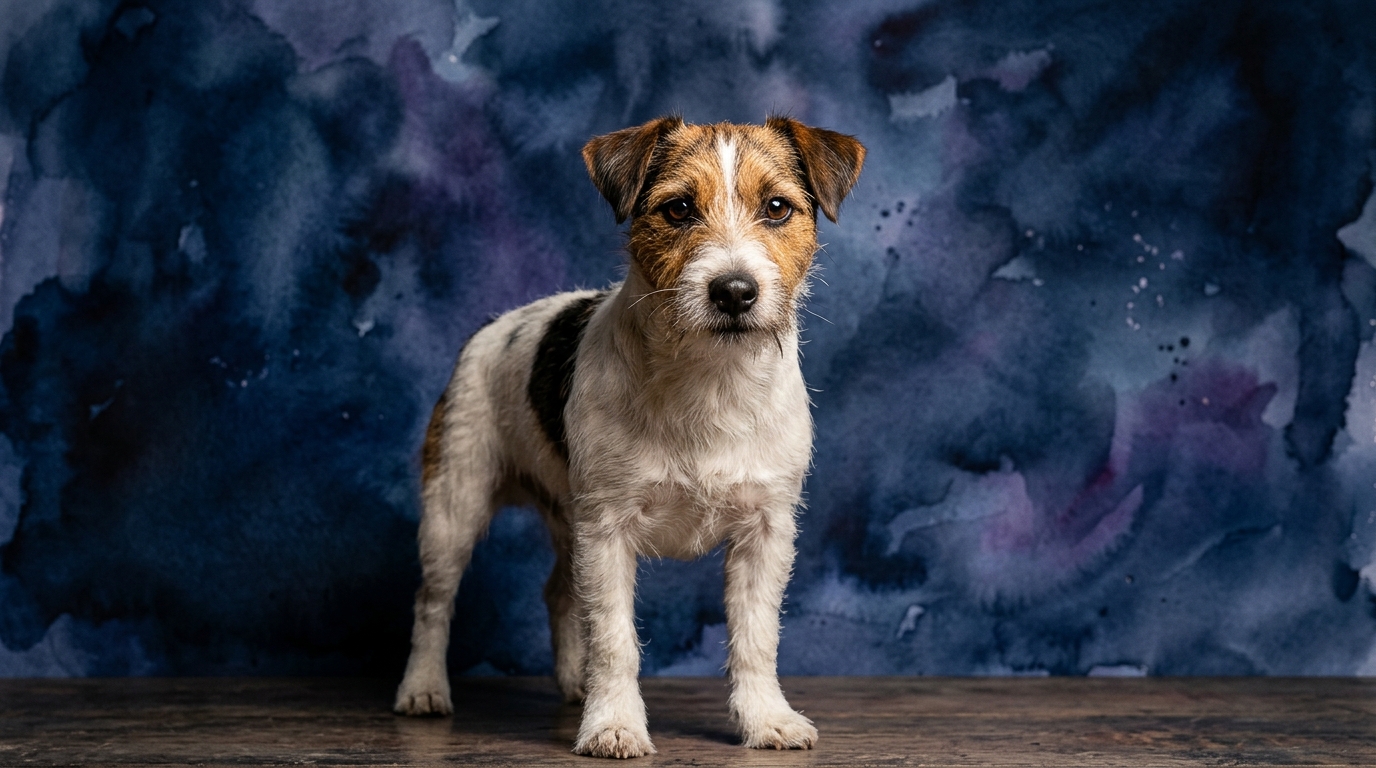
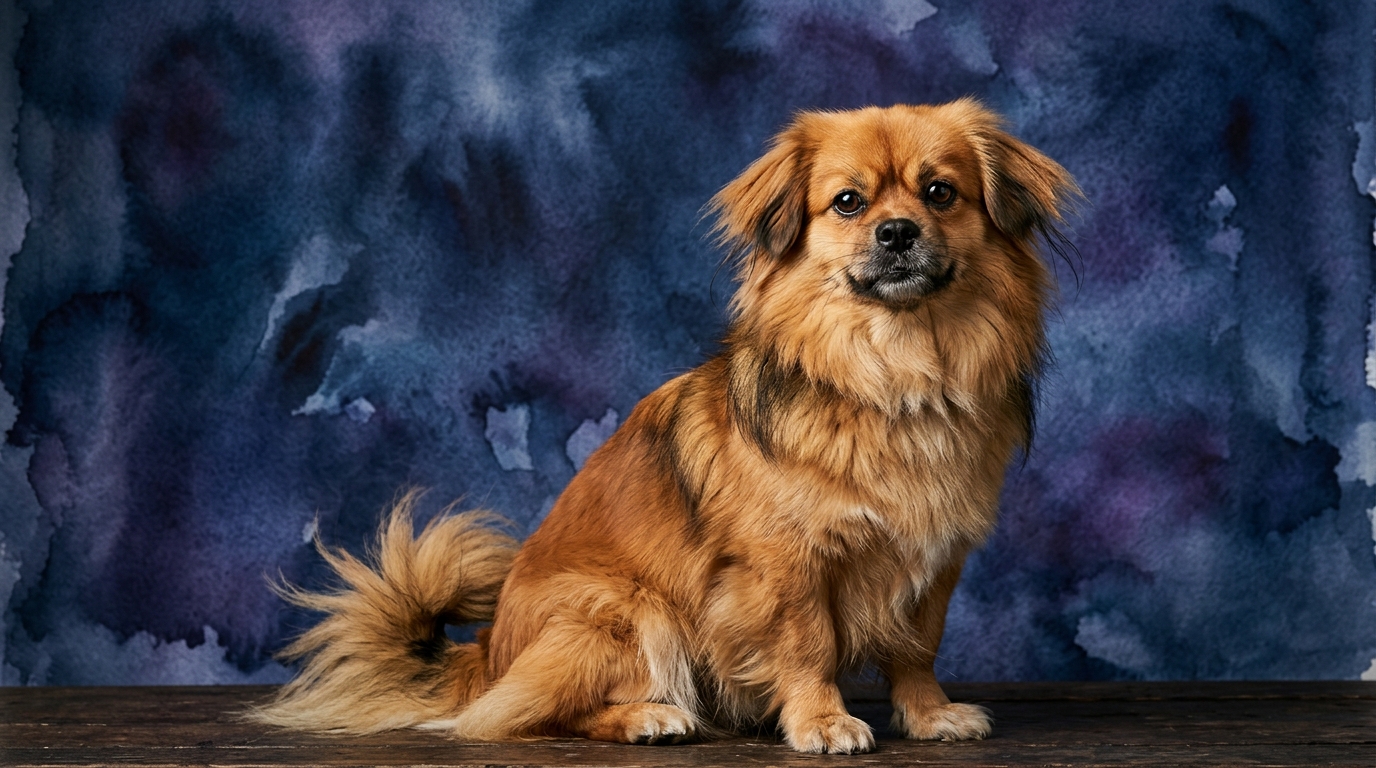
Side-by-Side Cognitive Profile: Jack Russell Terrier vs. Tibetan Spaniel
The Jack Russell Terrier, a breed developed for independent hunting, exhibits a cognitive profile reflecting its working heritage. Its problem-solving acumen is exceptional, rated at 5/5, indicating a strong capacity for figuring out complex situations and overcoming obstacles. Training speed registers at a moderate 3/5, suggesting they can learn, but their independent nature might influence compliance. Social intelligence stands at 3/5, meaning they can interact effectively, but might prioritize their own agenda over constant human appeasement. A robust instinctive drive, scoring 5/5, fuels their relentless pursuit and focus, while their memory is impressive at 4/5, allowing them to recall complex sequences and commands.
In contrast, the Tibetan Spaniel, bred primarily as a companion and watchful sentinel, possesses a more balanced, moderate cognitive blueprint. Their problem-solving ability is rated 3/5, indicating competence in navigating their environment and understanding routine tasks without the intense drive for intricate manipulation. Training speed matches the JRT at 3/5, suggesting a similar pace of learning, perhaps with less individual challenge from their owner. Social intelligence is also 3/5, reflecting their affectionate yet independent nature within a family setting. Their instinctive drive is moderate at 3/5, meaning they possess natural urges but are less intensely driven by them, and their memory is a solid 3/5, sufficient for retaining household rules and familiar interactions.
Where the Jack Russell Terrier Excels Cognitively
The Jack Russell Terrier’s cognitive prowess shines brightest in areas demanding tenacity, independent thought, and strategic action. Their top-tier problem-solving (5/5) means they are adept at devising solutions to challenges, whether it's figuring out how to open a gate or unearthing a hidden toy. This mental agility, combined with their profound instinctive drive (5/5), makes them formidable in tasks requiring sustained focus and determination, such as agility courses, earthdog trials, or complex scent work. They are not easily deterred and possess a remarkable ability to adapt their strategies until a goal is achieved.
Furthermore, their superior memory (4/5) complements their problem-solving skills, enabling them to recall successful tactics and apply them to new scenarios. This allows them to master intricate sequences of commands or behaviors, retaining them over long periods. While their training speed is moderate, their ability to remember complex chains of actions, coupled with their drive, means they can become highly proficient in activities that truly engage their investigative and active minds, making them excellent candidates for advanced obedience or competitive dog sports where mental and physical coordination are paramount.
Where the Tibetan Spaniel's Cognitive Profile Shines
While the Tibetan Spaniel's cognitive scores are generally more moderate, their intellectual strengths lie in areas perfectly suited to their role as a devoted and observant companion. Their balanced problem-solving (3/5) means they are capable of navigating their domestic environment with ease, understanding household routines, and responding appropriately to everyday situations without feeling the need to constantly outsmart their surroundings. This translates to a less demanding mental presence, making them excellent for owners who appreciate a dog content with a predictable rhythm.
The Tibetan Spaniel's moderate instinctive drive (3/5) is another cognitive advantage for many households. Unlike breeds with overpowering drives, a Tibbie is less likely to be compelled by intense hunting instincts or an incessant need for highly demanding tasks. This allows for a more relaxed and adaptable companion, whose cognitive resources are geared towards observation and connection rather than constant action. Their social intelligence (3/5), while not exceptionally high, ensures they are responsive and affectionate with their family, adept at reading subtle cues within their social circle, and generally comfortable within a structured home environment without the potential for overwhelming independent agendas.
Training Dynamics: Which is Easier to Train?
Despite both breeds sharing a 'training speed' score of 3/5, the actual experience of training them can differ significantly due to their other cognitive traits. The Jack Russell Terrier, with its exceptional problem-solving (5/5) and intense instinctive drive (5/5), often presents a unique training challenge. They learn quickly what an owner wants, but their independent nature and strong will can lead them to decide if they *want* to comply, or if their own agenda (like chasing a squirrel or investigating a scent) is more pressing. Their intelligence can manifest as cleverness in finding loopholes or outsmarting an inconsistent trainer, requiring immense patience, consistency, and creative engagement to channel their boundless energy and focus.
The Tibetan Spaniel, on the other hand, with its moderate problem-solving (3/5) and instinctive drive (3/5), often proves to be an 'easier' dog to train for general companion behaviors, even if their learning speed isn't lightning fast. They are less likely to constantly test boundaries or be overwhelmingly distracted by primal urges. Their cognitive profile suggests a more cooperative and less independently-driven approach to learning, making them more receptive to positive reinforcement and consistent guidance without the same level of intellectual pushback or self-directed mischief that a JRT might exhibit. While both require engagement, the Tibbie is often more straightforward to motivate and guide through basic obedience.
Matching Lifestyles: Active vs. Relaxed Owners
For owners with an active lifestyle and a desire for a canine partner in adventure, the Jack Russell Terrier is an ideal match. Their profound problem-solving abilities (5/5), intense instinctive drive (5/5), and strong memory (4/5) mean they thrive on consistent mental and physical challenges. These are dogs that demand engagement: long walks, vigorous play sessions, agility training, earthdog trials, or complex puzzle toys are not just enjoyable but essential for their cognitive well-being. An owner who can provide an outlet for their terrier's relentless curiosity and drive will find an exceptionally rewarding and engaged companion, but one who will become destructive or anxious if under-stimulated.
Conversely, the Tibetan Spaniel's balanced cognitive profile makes them an excellent fit for more relaxed owners seeking a devoted, observant companion. Their moderate problem-solving (3/5), training speed (3/5), social intelligence (3/5), instinctive drive (3/5), and memory (3/5) mean they are content with regular, but not extreme, activity. Daily walks, interactive play, and consistent companionship fulfill their needs. While they appreciate mental stimulation, it doesn't need to be as intense or constant as with a JRT. They excel in a home where they can observe, participate in family life, and offer quiet affection, making them suitable for individuals or families who prefer a steady, less demanding canine presence.
The Verdict
Choose the Jack Russell Terrier if you are an active, experienced owner prepared to channel a tenacious, highly driven intellect into structured activities and consistent training, thriving on a dog that requires constant mental engagement. They are best for those who enjoy a dog with a strong, independent mind and the energy to match.
Opt for the Tibetan Spaniel if you desire a perceptive, affectionate companion with a more moderate cognitive demand, fitting seamlessly into a relaxed home environment with consistent but not extreme activity. They suit owners who appreciate a dog that is cooperative, observant, and less prone to intense independent action.
🧠 Find Your Pet's IQ Score
Our Pet IQ Lab assessment covers 25+ tests across 5 cognitive dimensions — personalized to your breed.
Take the Full IQ Test →Frequently Asked Questions
Are Jack Russell Terriers good for first-time dog owners?
Jack Russell Terriers, with their high problem-solving and instinctive drive, can be challenging for first-time owners. Their independent nature and need for extensive mental and physical stimulation require a confident, consistent approach to training and management. Inexperienced owners might find their cleverness and boundless energy overwhelming without proper guidance.
Do Tibetan Spaniels require a lot of mental stimulation?
Tibetan Spaniels benefit from mental stimulation, but not to the intense degree of a Jack Russell Terrier. Their moderate cognitive profile means they enjoy puzzle toys, short training sessions, and interactive play, but they are generally content with a balanced routine and ample companionship. They do not typically require constant, high-level intellectual challenges to stay content.
How do their social intelligence scores manifest differently?
Both breeds score 3/5 in social intelligence, but this manifests differently; the JRT's social interactions are often colored by its high drive and independent problem-solving, meaning it might engage on its own terms or challenge rules. The TS, while also somewhat independent, typically uses its social intelligence for watchful companionship and affectionate interaction within the family, less driven by an agenda to dominate or constantly explore.