Side-by-Side IQ Profile
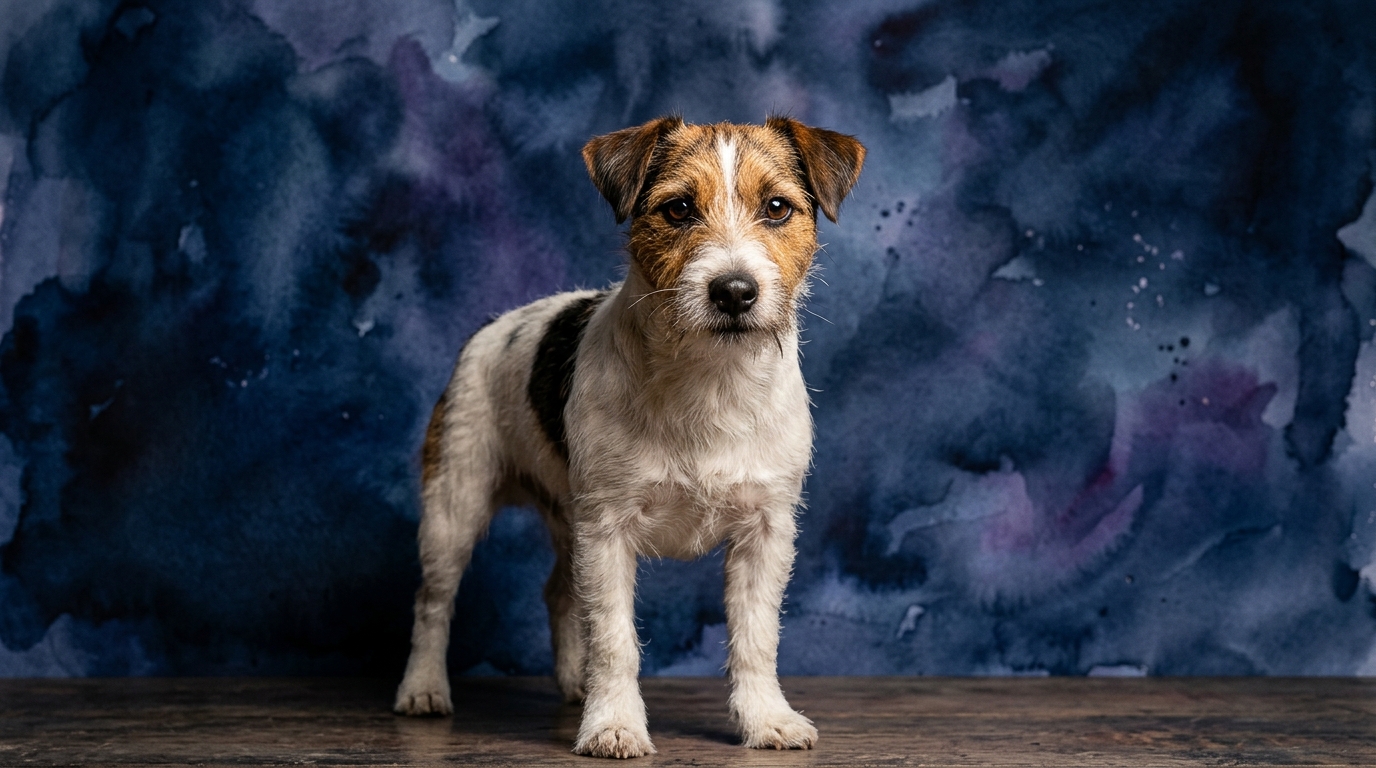
The Cosmic Pet Pet IQ Lab assesses canine intelligence across five key dimensions, revealing the nuanced cognitive landscapes of different breeds. For the Jack Russell Terrier, these scores paint a picture of an agile, determined thinker.
Jack Russell Terrier scores: Problem Solving (5/5), Training Speed (3/5), Social Intelligence (3/5), Instinctive Drive (5/5), Memory (4/5).
The Jack Russell Terrier demonstrates remarkable capacity for independent thought and strategic planning, excelling at navigating complex scenarios. They adeptly figure out how to access objects, overcome barriers, or manipulate their environment, often employing persistent trial-and-error. While capable of learning, their strong independent streak and inherent drive can make training a moderate challenge. They grasp concepts, but their focus easily shifts, and they may prioritize their own objectives, requiring consistent, engaging, and patient instruction. Their social understanding allows for basic interpretation of human cues and interaction within a family. However, they are not typically as attuned to subtle human emotional shifts, often prioritizing their agenda or instincts over intricate social nuances. This breed possesses an incredibly powerful instinctive drive, primarily focused on prey pursuit, digging, and exploration. This innate motivation is a core component of their cognitive makeup, fueling relentless energy and determination in tasks aligning with their terrier heritage. Jack Russell Terriers exhibit good memory recall, remembering learned commands, routines, and the locations of interesting scents or objects. This allows them to build upon past experiences and apply learned solutions to recurring situations effectively.
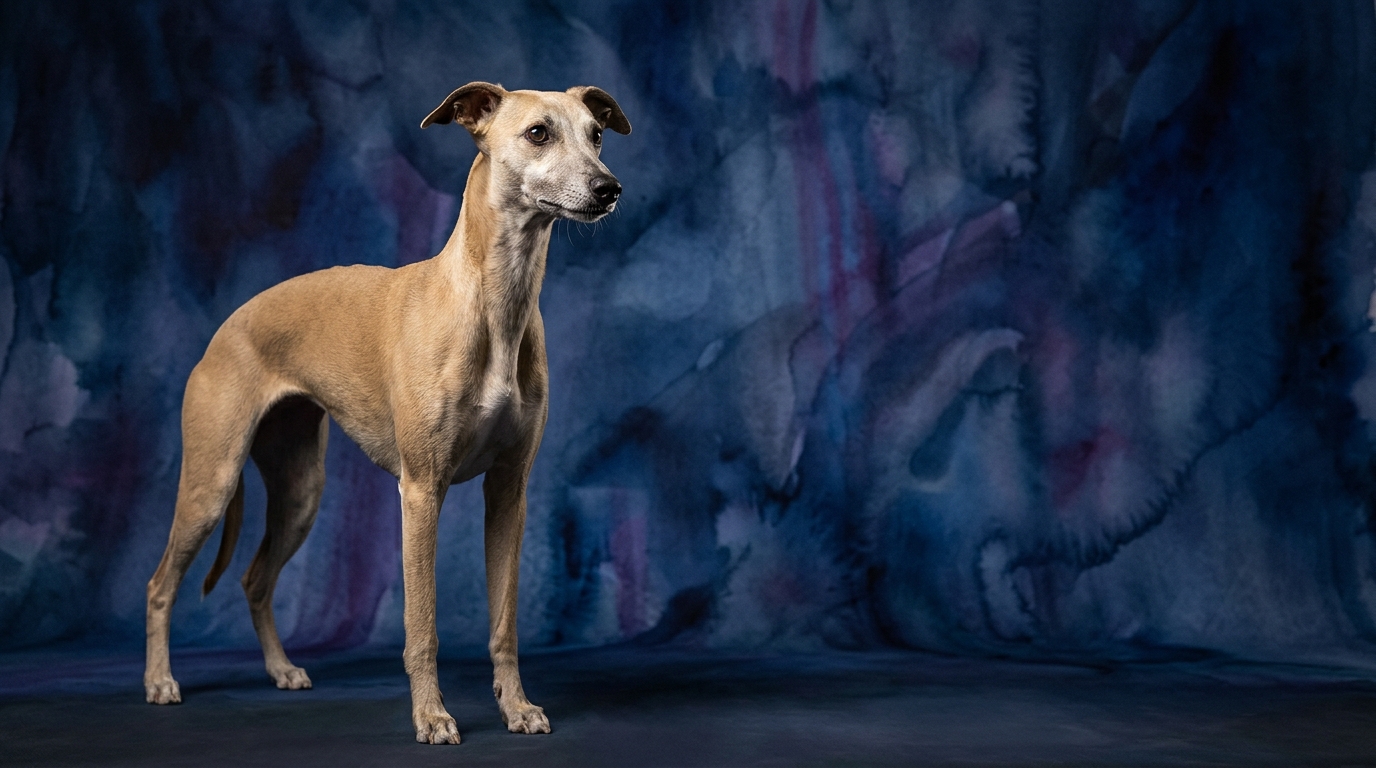
Conversely, the Whippet's scores highlight a different kind of mental agility, emphasizing social connection and specialized physical prowess.
Whippet scores: Problem Solving (3/5), Training Speed (2/5), Social Intelligence (4/5), Instinctive Drive (5/5), Memory (3/5).
Whippets display an average capacity for complex problem-solving, learning to navigate routine challenges and adapt to new situations. They generally prefer direct solutions and may not demonstrate innovative, independent thought in overcoming novel obstacles. Their training speed is somewhat slower, often requiring more repetition and patience. While sensitive and eager to please those they bond with, their sighthound nature can lead to distraction by visual stimuli, exhibiting "selective hearing" when interest is elsewhere. Whippets possess a well-developed social intelligence, making them highly attuned to human emotions and social dynamics. They often form deep bonds, displaying empathy and keen awareness of their owners' moods, making them sensitive and responsive companions. Their instinctive drive is profoundly strong, primarily revolving around the chase. This sighthound heritage means they are powerfully compelled by movement, possessing an innate urge to pursue anything that flees, a drive that can override other cognitive functions. Whippets have an average memory, capable of remembering routines, familiar people, and basic commands. While they retain information, their recall might not be as sharp or readily applied to complex, multi-step tasks as breeds with superior memory scores.
Where Jack Russell Terrier Wins Cognitively
The Jack Russell Terrier's cognitive strengths shine most brightly in situations demanding independent thought and persistent ingenuity. Their exceptional problem-solving acumen (5/5) means they are not easily deterred, approaching challenges strategically and experimenting until a solution is found. This might manifest as quickly figuring out how to unlatch a gate or outwit a handler during a game. Their robust memory (4/5) further amplifies this, allowing them to recall successful strategies and apply them to similar future scenarios, building a repertoire of learned solutions. Fueling these abilities is their intense instinctive drive (5/5), providing relentless internal motivation. When focused on a 'prey' item, their cognitive resources engage fully for sustained attention and iterative problem-solving until their objective is met.
Where Whippet Wins Cognitively
The Whippet's cognitive profile reveals a distinct advantage in social intelligence (4/5), making them particularly adept at navigating human-canine relationships. Unlike the Jack Russell's independent focus, Whippets are deeply empathetic, keenly observing and responding to human emotional states. They possess a subtle understanding of social cues, translating into a companion animal that offers comfort, anticipates needs, and integrates seamlessly into family life. While their instinctive drive (5/5) is potent, it manifests as an explosive, visually triggered chase response rather than sustained persistence. This acute visual processing and rapid reaction time are cognitive triumphs, showcasing a breed optimized for instantaneous decision-making during high-speed pursuit. Their social sensitivity, combined with specialized sensory processing, allows them to be both a responsive family member and an instinctively driven athlete.
Which is Easier to Train and Why
Determining 'easier to train' is nuanced, as challenges stem from different cognitive profiles. The Jack Russell Terrier (training speed 3/5) grasps concepts well, but their extraordinary problem-solving (5/5) and intense instinctive drive (5/5) often mean they'd rather solve problems their way than comply. They are independent thinkers; if a command doesn't align with their immediate goal, they may disregard it, requiring handlers to be consistently engaging and firm. Training a JRT often feels like a negotiation, demanding mental stimulation. In contrast, the Whippet (training speed 2/5) can be slower to pick up commands, requiring more repetition. Their sensitive nature and high social intelligence (4/5) generally foster a desire to please. However, their profound instinctive drive (5/5) for the chase, combined with sighthound focus, means outdoor training is challenging without secure containment. A Whippet spotting movement often becomes impervious to commands, making reliable recall a significant hurdle. So, while a JRT might intentionally defy, a Whippet might simply 'tune out' when instinct takes over. For consistent obedience, the JRT, despite willfulness, might achieve higher reliability with dedicated, stimulating training. The Whippet requires immense patience, understanding their inherent desire to run, with training often focused on management.
Which Suits Active Owners vs Relaxed Owners
The Jack Russell Terrier, with its insatiable problem-solving drive (5/5) and relentless instinctive energy (5/5), is undeniably suited for active owners. These dogs thrive when given a 'job' or consistent mental and physical challenges, perfect for agility, earthdog trials, extensive hiking, or complex puzzle games. Owners providing minimal structured activity will likely find their JRT inventing its own, potentially destructive, entertainment. They require an owner prepared to match their energy and channel their cognitive prowess into constructive outlets. The Whippet, conversely, presents a unique blend appealing to both active and more relaxed owners. Their powerful instinctive drive (5/5) manifests as incredible speed bursts, requiring safe, off-leash running in securely fenced areas. Owners enjoying short, intense activity bursts, like dog park trips, satisfy this. However, once their need for speed is met, Whippets are renowned for their calm, affectionate, low-energy indoor demeanor. Their high social intelligence (4/5) means they cherish companionship, content to curl up with humans. Thus, a relaxed owner providing dedicated, brief running outlets and appreciating a quiet, sensitive indoor companion could find a Whippet excellent. They are less prone to creating 'problems' from boredom than a JRT, preferring to conserve energy and enjoy company.
The Verdict
Choose a Jack Russell Terrier if you seek a tenacious, independent-thinking companion eager for mental challenges and physical exertion, and you are prepared for a dog that will consistently test boundaries with its cleverness.
Opt for a Whippet if you desire a sensitive, socially intelligent companion that enjoys intense bursts of speed followed by long, calm periods indoors, and you can provide secure spaces for their instinctive running.
🧠 Find Your Pet's IQ Score
Our Pet IQ Lab assessment covers 25+ tests across 5 cognitive dimensions — personalized to your breed.
Take the Full IQ Test →Frequently Asked Questions
Are Jack Russell Terriers difficult to train?
Jack Russell Terriers are not difficult to train in terms of comprehension, but their strong independent will and high instinctive drive mean they often prefer to follow their own agenda. Consistent, engaging training that taps into their problem-solving nature is essential to channel their intelligence constructively.
Do Whippets need a lot of exercise?
Whippets need intense, short bursts of exercise, primarily running, rather than prolonged endurance activities. They require regular opportunities to sprint in a securely fenced area to satisfy their strong chase instinct, but are typically calm and enjoy lounging indoors afterward.
Which breed is better for first-time dog owners?
Neither breed is universally ideal for first-time owners without specific lifestyle alignment. The Whippet's gentle nature and lower indoor energy might be more manageable for some, provided their need for safe running is met. The Jack Russell's intense drive and cognitive demands often require a more experienced hand to prevent behavioral issues.