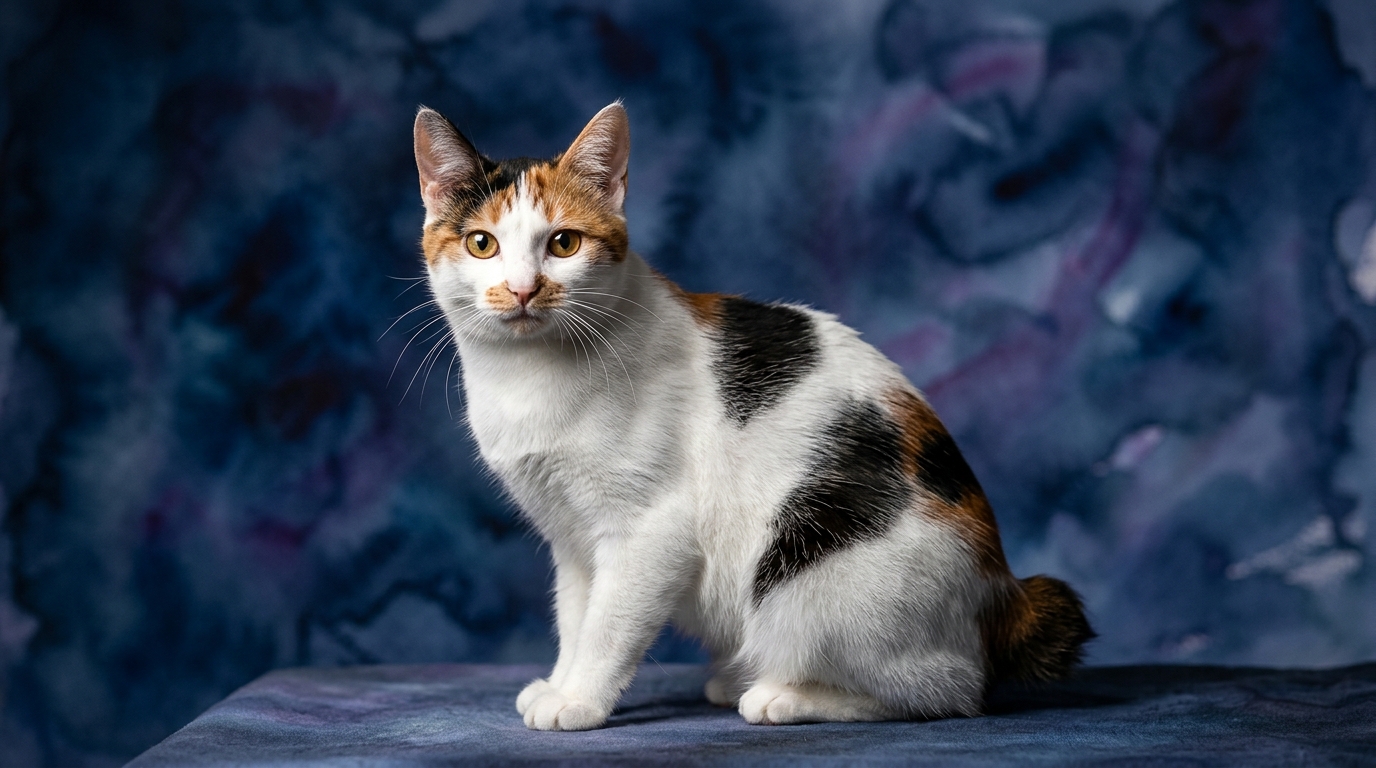
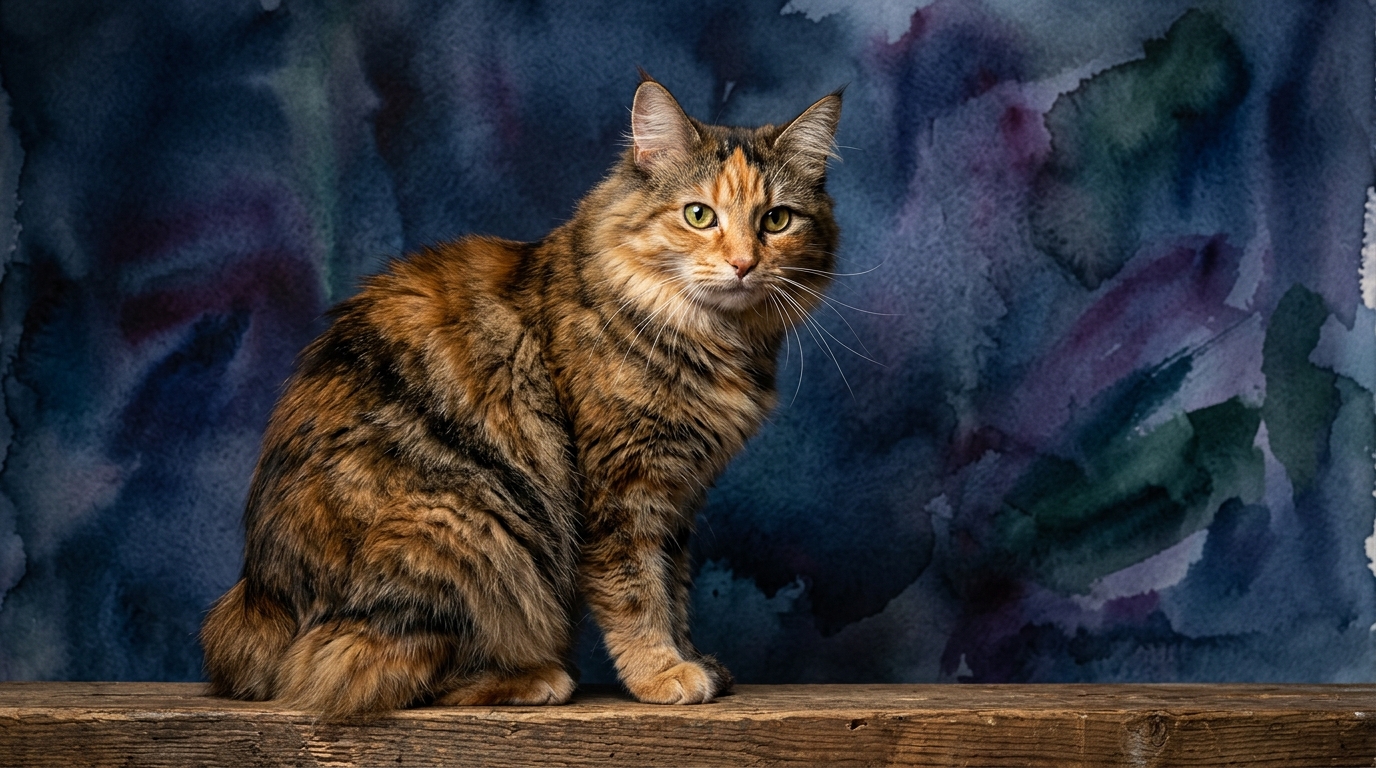
Unpacking Identical Cognitive Profiles: Japanese Bobtail vs. Cymric
The Cosmic Pet Pet IQ Lab's assessment reveals that both the Japanese Bobtail and the Cymric share a consistent '3/5' rating across all five cognitive dimensions: Problem Solving, Training Speed, Social Intelligence, Instinctive Drive, and Memory. This striking similarity doesn't imply identical behavior, but rather that their underlying cognitive capabilities operate at a comparable moderate level. The true fascination lies in how these inherent capacities are expressed through each breed's unique personality and physical characteristics, creating distinct patterns of interaction and learning.
A '3/5' in Problem Solving suggests both breeds can navigate moderately complex environments, figure out how to access desired objects with some effort, and adapt to minor changes in their routine or surroundings. This isn't about solving advanced puzzles, but rather demonstrating a practical application of their wits in everyday scenarios. For the Japanese Bobtail, this might manifest as creatively batting open a cupboard door or finding new angles to ambush a toy. The Cymric might exhibit this by patiently observing and then executing a strategy to reach a high perch or by understanding the sequence of actions required to get a treat.
Regarding Training Speed, a '3/5' indicates that both breeds are moderately receptive to learning new commands and tricks with consistent, positive reinforcement. They will respond to training efforts, but perhaps not with the lightning-fast acquisition of some breeds. The key for both is engaging their attention and making the learning process enjoyable. This score implies they can master basic commands, learn to walk on a leash, or perform simple interactive games, provided the owner invests time and patience in a stimulating manner.
Social Intelligence at '3/5' points to an ability to form meaningful bonds with humans and other pets, understanding social cues, and generally interacting appropriately within a family unit. They are not aloof, nor are they overwhelmingly demanding of attention. The Japanese Bobtail often expresses this through vocalizations and active participation in family life, while the Cymric typically shows it through deep affection, a desire to be near their chosen people, and a sensitive understanding of moods.
An Instinctive Drive rating of '3/5' suggests a moderate level of natural cat behaviors like hunting, exploring, and territorial marking. This isn't an overwhelming prey drive that requires constant management, nor is it a complete lack of natural curiosity. Japanese Bobtails often channel this into energetic play and exploring vertical spaces, utilizing their agility. Cymrics might exhibit a more grounded, thorough exploration of their territory or a focused, deliberate approach to tracking a laser pointer, reflecting their sturdy build.
Finally, a '3/5' in Memory indicates both breeds can recall routines, remember the location of favorite toys or people, and retain learned commands over time. They will anticipate mealtimes, recognize familiar faces, and remember positive or negative associations with places or experiences. This allows for predictable interactions and a sense of security within their environment, reinforcing the bonds they form with their human companions.
Where the Japanese Bobtail Shines Cognitively
While their raw IQ scores are identical, the Japanese Bobtail often presents a more outwardly expressive and dynamically interactive cognitive style, particularly in how their Problem Solving and Social Intelligence manifest. Their playful and vocal nature frequently translates into a more 'hands-on' approach to challenges. For instance, a Japanese Bobtail might not just observe a new puzzle toy but immediately begin to manipulate it with their paws, batting at components, and experimenting with different angles, demonstrating an energetic trial-and-error problem-solving method. This active engagement can make them appear quicker to 'figure things out' in interactive play scenarios.
Their social intelligence often comes with a distinct vocal flair. A Japanese Bobtail might 'talk' to their owner, using a range of meows, trills, and chirps to communicate desires or observations. This isn't just noise; it’s a sophisticated form of interaction, indicating a cognitive ability to associate specific sounds with desired outcomes or emotional states. This direct communication style can give the impression of a more immediately responsive and engaged social intellect, making them particularly adept at forming deep, communicative bonds with owners who appreciate their chattiness.
Where the Cymric Demonstrates Cognitive Strengths
The Cymric, with its calm yet deeply affectionate demeanor, often showcases its cognitive strengths in more nuanced ways, particularly in areas relating to Memory and Social Intelligence. Their 'dog-like' loyalty often stems from an exceptional recall of routines, people, and emotional cues. A Cymric might excel at anticipating their owner's return home based on consistent schedules, or remember preferred petting spots and playtimes with remarkable consistency, demonstrating a strong cognitive map of their daily life and social interactions. This robust memory contributes significantly to their sense of security and their ability to form stable, predictable bonds.
Their social intelligence, while perhaps less vocal than the Bobtail's, is often characterized by a profound emotional sensitivity and devotion. A Cymric might be particularly adept at reading human body language and moods, offering comfort during times of stress or quietly joining their owner to simply 'be present.' This capacity to perceive and respond to subtle emotional shifts suggests a sophisticated understanding of social dynamics, allowing them to integrate seamlessly and empathetically into family life. Their problem-solving might lean towards patient observation before a deliberate action, rather than impulsive experimentation, reflecting a thoughtful approach to their environment.
Trainability: Nuances in Learning Engagement
Despite both breeds sharing a '3/5' Training Speed score, their inherent temperaments influence how they engage with the training process. The Japanese Bobtail's energetic and playful disposition often makes them highly receptive to clicker training and trick learning, especially if the training is framed as an engaging game. Their natural curiosity and love for interaction mean they thrive on mental stimulation and positive reinforcement, quickly associating actions with rewards. Owners who enjoy active participation and can make training sessions feel like playtime will likely find the Bobtail a willing and enthusiastic student, eager to learn new commands that involve movement and interaction.
The Cymric, on the other hand, might approach training with a more earnest and focused dedication, driven by their desire for connection and their reliable memory. Their affectionate nature means they are often eager to please their beloved human, making them responsive to consistent, gentle training methods. They may excel at learning routines, following household rules, and mastering practical commands like coming when called, not necessarily for the 'game' aspect, but for the inherent reward of positive interaction and strengthening the bond. Their sturdiness and sometimes deliberate nature mean they might take a moment longer to process a new command but will retain it with impressive consistency once learned.
Matching Cognitive Styles to Owner Lifestyles
The subtle differences in how Japanese Bobtails and Cymrics express their cognitive traits make them suitable for different owner lifestyles. The Japanese Bobtail, with its dynamic problem-solving, vocal social intelligence, and energetic instinctive drive, thrives with active owners who enjoy interactive play and mental challenges. They are well-suited for households that appreciate a cat who is a central, communicative part of daily activities, someone who will 'talk' to them and actively engage in games of fetch or puzzle-solving. Owners who are home frequently and can provide consistent stimulation will find the Bobtail's cognitive energy a delightful match, fostering a vibrant, responsive companion.
Conversely, the Cymric's deep memory, sensitive social intelligence, and more grounded instinctive drive make them an excellent fit for owners who value a deeply affectionate, loyal, and somewhat predictable companion. They suit relaxed owners who appreciate a cat that is present and observant, offering quiet companionship and emotional support. Their preference for routine and their strong recall mean they integrate smoothly into a stable home environment, thriving on consistent affection and a calm presence. While they enjoy play, their engagement is often less boisterous than the Bobtail's, making them ideal for those seeking a devoted friend who understands unspoken cues and offers a steady, comforting presence.
The Verdict
Choose the Japanese Bobtail if you seek a highly interactive, vocal, and playful companion who will actively engage in games and communicate their thoughts. Their cognitive style shines in dynamic, stimulating environments where their curiosity and agility can be fully expressed.
Opt for the Cymric if you desire a deeply affectionate, loyal, and emotionally perceptive companion who forms strong, stable bonds and thrives on routine. Their cognitive strengths manifest in their remarkable memory and empathetic understanding, making them a comforting and devoted presence.
🧠 Find Your Pet's IQ Score
Our Pet IQ Lab assessment covers 25+ tests across 5 cognitive dimensions — personalized to your breed.
Take the Full IQ Test →Frequently Asked Questions
Do identical IQ scores mean these breeds behave exactly the same?
No, identical IQ scores indicate comparable cognitive capacity, but not identical behavioral expression. Each breed's unique temperament, physical traits, and preferred interaction styles mean their intelligence manifests in distinct ways, offering different experiences for owners.
Can a Japanese Bobtail be trained to be as calm as a Cymric, or vice-versa?
While training and environment can influence behavior, a breed's core temperament and instinctive drives are deeply ingrained. A Japanese Bobtail might learn to be calmer in certain situations, and a Cymric can certainly be playful, but their inherent energy levels and social expressions will likely remain true to their breed characteristics.
Are there any physical differences that impact their cognitive expression?
Absolutely. The Japanese Bobtail's agile, compact build and bobtail often correlate with their energetic play and exploratory nature, influencing how they problem-solve physically. The Cymric's sturdy, robust build and lack of a tail might contribute to a more grounded, deliberate approach to their environment and interactions, impacting their perceived problem-solving style.