Side-by-Side Cognitive Profiles: Decoding Identical Scores
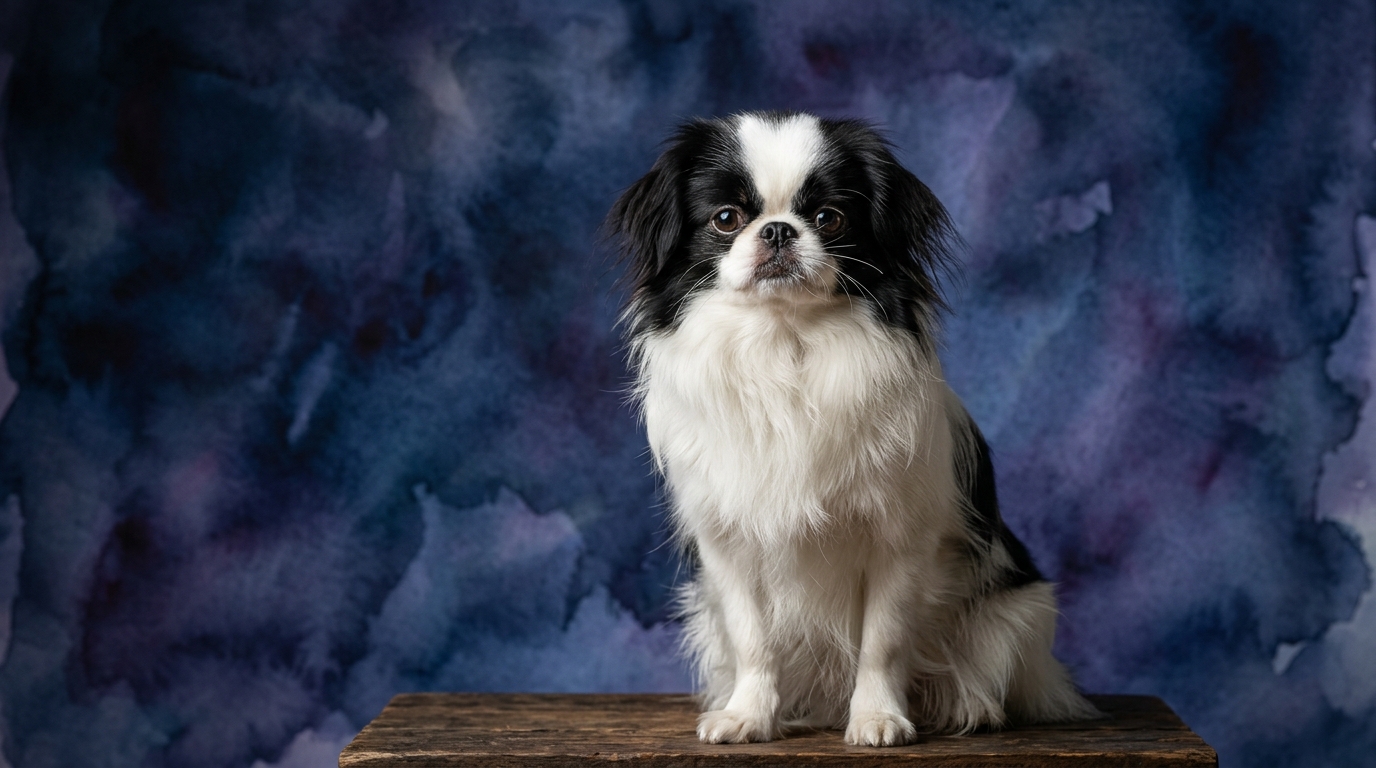
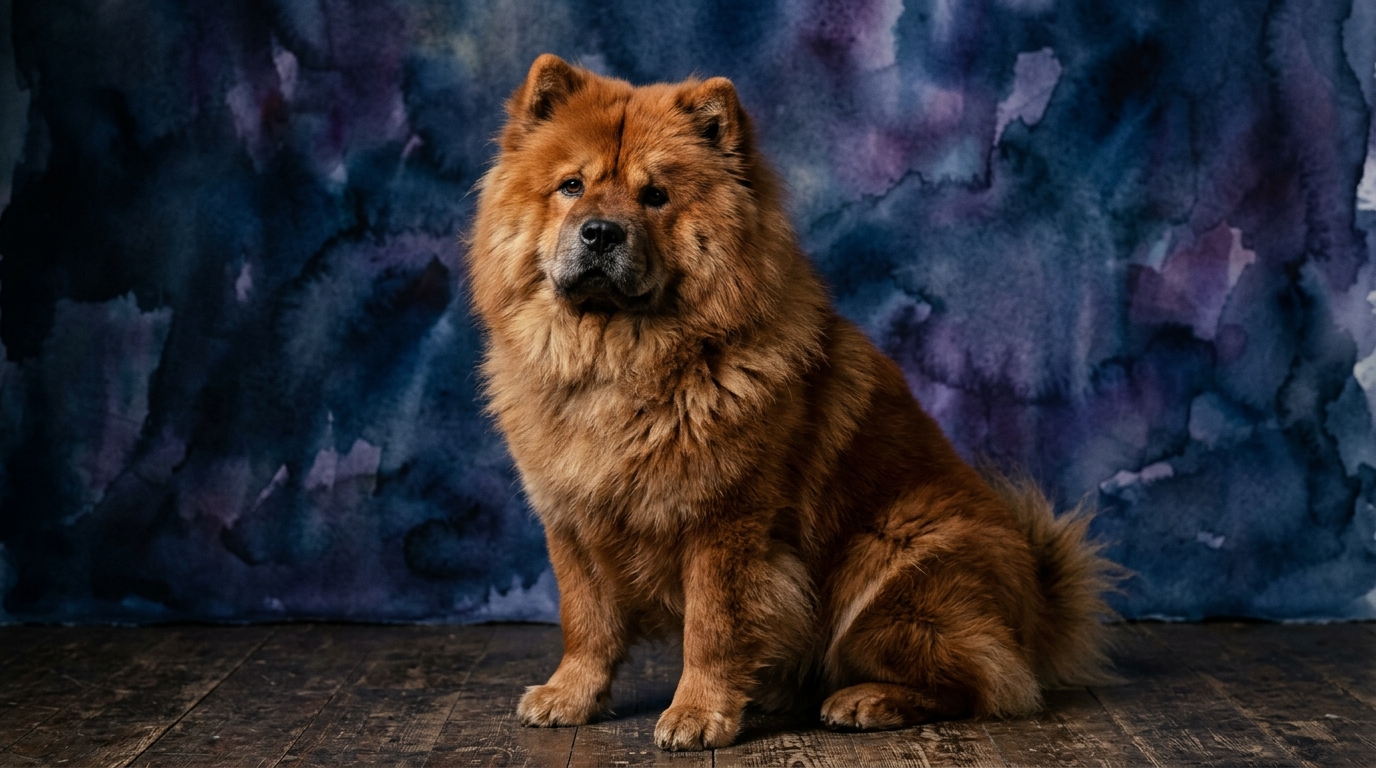
At first glance, the cognitive profiles of the Japanese Chin and the Chow Chow appear identical across all five dimensions assessed by The Cosmic Pet Pet IQ Lab, each scoring a 3 out of 5. This rating signifies a moderate capacity in each area, suggesting neither breed displays extreme cognitive strengths or weaknesses. However, the true intrigue lies not in the numerical value itself, but in how these breeds apply their inherent intellect, shaped by their distinct histories and temperaments. A 3/5 for a Toy breed like the Chin will express itself differently than for a robust Non-Sporting breed like the Chow.
For the Japanese Chin, a 'problem Solving' score of 3/5 often translates into cleverness within a domestic setting. They might figure out how to access a favorite toy, manipulate their owners for attention, or navigate complex household layouts with ease. Their 'training Speed' at 3/5 indicates they are capable of learning commands and routines at a reasonable pace, often motivated by positive reinforcement and a desire for interaction. Their 'social Intelligence' at 3/5 is typically expressed as a keen awareness of human emotions, adapting their behavior to moods, and forming deep, intuitive bonds. 'Instinctive Drive' at 3/5 for a Chin is less about traditional working drives and more about a drive for companionship, comfort, and perhaps a playful chase. Finally, their 'memory' at 3/5 allows them to recall people, places, and established routines, contributing to their adaptability as indoor companions.
The Chow Chow, despite identical 3/5 scores, exhibits these traits through a distinctly independent lens. Their 'problem Solving' at 3/5 often manifests as self-reliance, finding solutions to their own needs without necessarily seeking human input. This might involve figuring out escape routes from a yard or devising strategies to get comfortable in a preferred spot. 'Training Speed' at 3/5 for a Chow means they understand commands, but their willingness to comply can be highly situational, requiring consistent and patient motivation. Their 'social Intelligence' at 3/5 is characterized by a discerning loyalty; they understand family dynamics deeply but reserve their affection for a select few, observing rather than overtly participating in social interactions. 'Instinctive Drive' at 3/5 is notably strong in guarding and territoriality, a remnant of their ancient working roles. Their 'memory' at 3/5 is robust, allowing them to remember boundaries, routines, and who belongs in their territory, contributing to their steadfast nature.
Where the Japanese Chin's Cognition Shines
While both breeds share a 3/5 score across the board, the Japanese Chin's cognitive style often 'wins' in contexts requiring adaptability and responsive interaction. Their social intelligence, though rated the same, is geared towards active engagement with their human companions. A Chin's 3/5 social intelligence means they are acutely perceptive of subtle human cues – a glance, a shift in tone – and can adjust their behavior accordingly, often preempting a handler's wishes. This makes them particularly adept at navigating the nuances of a busy household, understanding when to be playful and when to be quietly comforting. Their problem-solving, when applied to social dynamics, allows them to 'charm' their way into favorable situations, a skill that enhances their role as devoted companions.
Furthermore, the Japanese Chin's expression of problem-solving and training speed, while numerically identical to the Chow Chow's, is often perceived as more agile and collaborative. A Chin is typically more inclined to work *with* their owner to solve a puzzle or learn a new trick, seeing it as a shared activity. Their memory, combined with this eagerness, means they quickly associate positive experiences with learning, reinforcing their responsiveness. This collaborative approach to cognitive tasks positions the Chin as an ideal partner for owners who enjoy interactive training and a dog that feels like an extension of their own intentions.
Where the Chow Chow's Cognition Excels
The Chow Chow's cognitive strengths, though numerically matching the Chin's, truly excel in areas demanding independent thought and steadfast loyalty. Their 3/5 problem-solving manifests as a self-sufficient ingenuity, particularly when it comes to maintaining their personal space and routines. A Chow might independently strategize the most comfortable spot in a room to observe their domain, or figure out the optimal time to approach their owner for a specific need, without relying on constant direction. This independent problem-solving is a hallmark of their ancient heritage, where they were expected to make decisions without direct supervision.
Moreover, the Chow Chow's social intelligence, while reserved, is profoundly discriminating and enduring. Their 3/5 in this category means they form deep, unwavering bonds with their chosen family members, demonstrating a quiet understanding of their roles and preferences. This social discernment, coupled with their strong memory, allows them to consistently remember who belongs and who doesn't, making them naturally alert guardians. Their training speed, though sometimes challenging due to their independent streak, means that once a Chow understands and accepts a command, it is often ingrained with remarkable permanence, reflecting a deep-seated commitment to established rules within their trusted circle.
Trainability: Temperament Trumps Identical IQ Scores
Despite both breeds scoring 3/5 in training speed, their real-world trainability diverges significantly due to inherent behavioral differences. The Japanese Chin's temperament typically leans towards an eagerness to please and a desire for human interaction. When a Chin's 3/5 training speed is coupled with their perceptive social intelligence and affectionate nature, they tend to be highly receptive to positive reinforcement. They learn quickly not just what is expected, but also that compliance leads to rewarding social engagement, making them generally easier to motivate and guide through training exercises. Their smaller size and agility also make physical handling during training less daunting.
Conversely, the Chow Chow's Coren rank of #76 places them in the lowest tier for working intelligence and obedience, a stark contrast to their 3/5 'training speed' score. This discrepancy highlights that while a Chow possesses the cognitive capacity to understand commands (3/5 training speed), their independent and often stubborn nature means they frequently choose *not* to comply unless they perceive a compelling reason or benefit. Their 3/5 social intelligence is expressed as discerning loyalty, not necessarily an eagerness to please. Training a Chow Chow requires immense patience, consistency, and a deep understanding of their independent spirit; methods that work for a Chin, such as constant praise and enthusiastic interaction, might be met with dignified indifference by a Chow. Their strong guarding instincts also necessitate early and thorough socialization and training to channel their drives appropriately.
Lifestyle Suitability: Active vs. Relaxed Owners
The nuanced cognitive applications of these two breeds make them suitable for vastly different owner lifestyles. The Japanese Chin, with its collaborative problem-solving and highly responsive social intelligence, thrives with active, engaged owners who enjoy interactive companionship. They are well-suited for individuals or families who appreciate a dog that is an active participant in daily life, observing and reacting to their environment with keen interest. Their moderate instinctive drive means they are content with indoor play and shorter, leisurely walks, making them an excellent choice for relaxed owners who still desire a mentally present and affectionate companion. They are not typically suited for strenuous outdoor activities but excel in canine sports that emphasize precision, such as obedience or rally, where their attentiveness can shine.
The Chow Chow, on the other hand, is better suited for relaxed owners who appreciate an independent and dignified companion. Their self-reliant problem-solving and discerning social intelligence mean they are content to observe rather than constantly participate. They require owners who understand and respect their aloof nature, providing consistent boundaries and early socialization without expecting constant effusive affection. While not overly active, their strong instinctive drive and robust build necessitate regular, moderate exercise to keep them physically and mentally balanced. Owners who prefer a dog that is a steadfast, quiet presence and are prepared for the challenges of training a strong-willed breed will find a rewarding companion in the Chow Chow. They are less suited for owners seeking a highly biddable or overtly playful partner for extensive activities.
The Verdict
Choose the Japanese Chin if you seek a highly responsive, charming, and collaborative companion who thrives on interactive engagement and subtle social cues.
Opt for the Chow Chow if you value a dignified, independent, and discerning companion who offers steadfast loyalty and a quiet, self-reliant presence, provided you are prepared for their unique training approach.
🧠 Find Your Pet's IQ Score
Our Pet IQ Lab assessment covers 25+ tests across 5 cognitive dimensions — personalized to your breed.
Take the Full IQ Test →Frequently Asked Questions
Do identical IQ scores mean Japanese Chins and Chow Chows are equally smart?
Identical 3/5 IQ scores indicate similar cognitive capacity across the assessed dimensions, but not identical *expressions* of intelligence. Their breed-specific temperaments and historical roles significantly influence how their problem-solving, social intelligence, and training speed manifest in real-world behavior, making their 'smartness' appear quite different to an owner.
Why is the Chow Chow's Coren rank so low despite 3/5 IQ scores?
The Chow Chow's Coren rank of #76 primarily reflects their independent nature and often stubborn disposition, which impacts their willingness to consistently obey commands on the first try. While they possess the cognitive ability to understand (as indicated by their 3/5 training speed), their inherent self-reliance means they often choose not to comply, rather than lacking comprehension.
Which breed is better for first-time dog owners based on intelligence?
For first-time dog owners, the Japanese Chin is generally a more manageable choice due to their eager-to-please temperament and responsiveness to training, making their 3/5 IQ scores easier to work with. The Chow Chow's independent nature and strong will, despite similar IQ scores, can be challenging for inexperienced owners to navigate effectively.