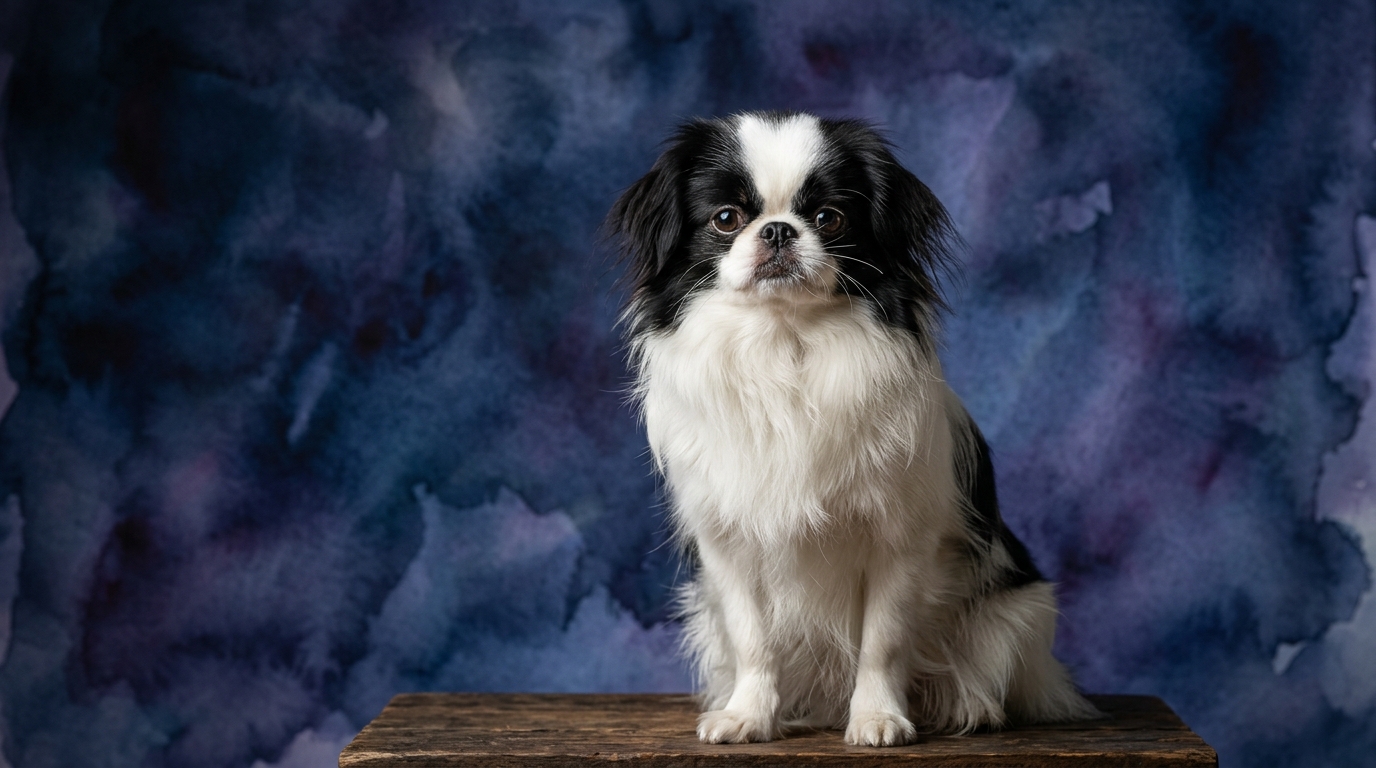
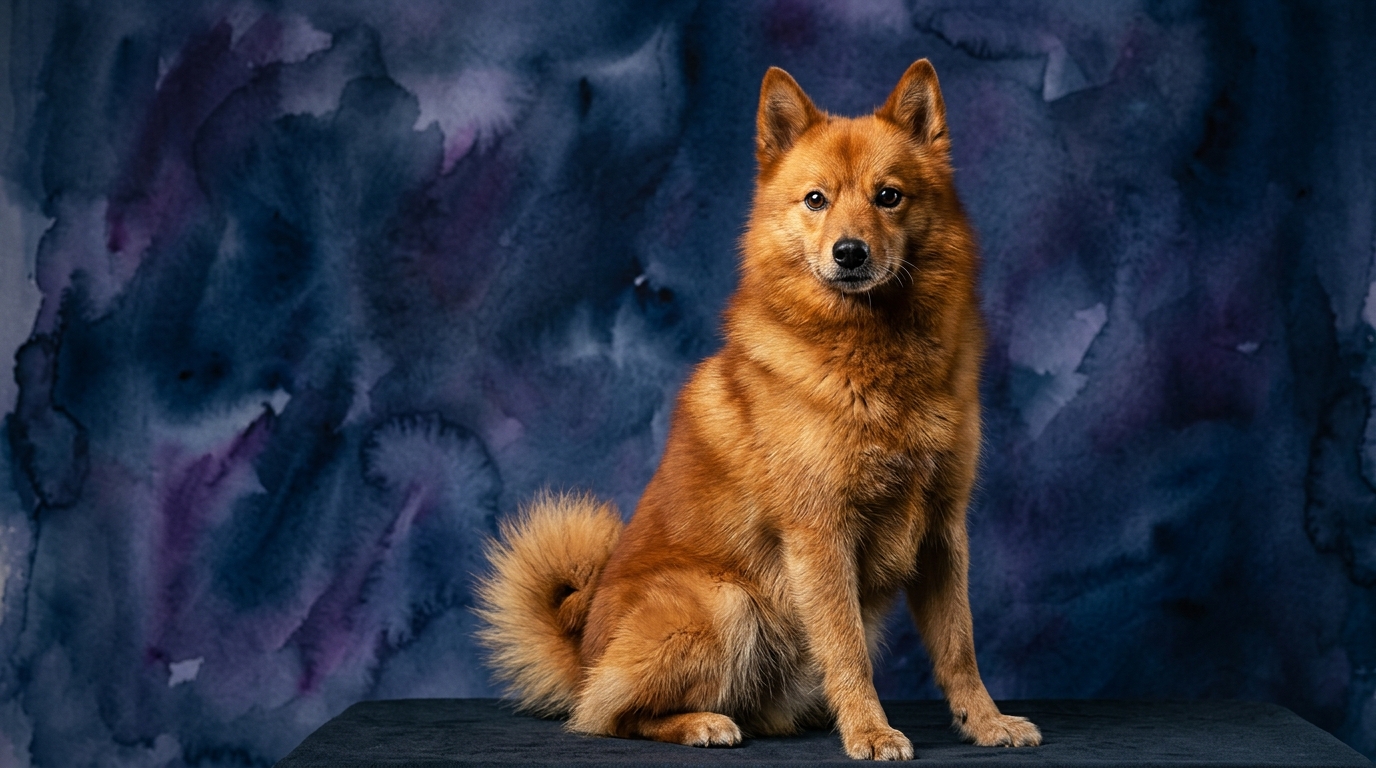
Side-by-Side IQ Profile
While both the Japanese Chin and the Finnish Spitz score 3/5 across all five cognitive dimensions, their application of these aptitudes varies significantly due to their distinct historical roles. Understanding these nuances provides a richer picture than just the numerical scores.
For Problem Solving (3/5), the Japanese Chin typically excels at navigating complex household social dynamics, figuring out how to gain attention or subtly manipulate their human companions for a desired outcome like a lap snuggle or a favorite toy. Their problem-solving is often internally focused, centered on comfort and connection. The Finnish Spitz, conversely, might demonstrate this 3/5 score through persistent investigation of interesting scents, strategizing how to reach a high perch, or finding ways to alert their family to perceived outdoor activity, reflecting their working heritage.
In Training Speed (3/5), both breeds learn at an average pace, requiring consistent, positive reinforcement methods. A Japanese Chin's learning is often fueled by a strong desire to please its primary human, responding well to gentle guidance and praise, though they can be sensitive. The Finnish Spitz, while capable, may exhibit a more independent streak, with its training speed potentially impacted by its vocal nature and inclination to follow its nose, demanding more engaging and varied sessions.
Social Intelligence (3/5) in the Japanese Chin shines in its deep bond with its human companions, exhibiting a nuanced ability to read moods and respond with comforting presence or playful antics. They are adept at integrating into family life, demonstrating their social acumen through devoted companionship. The Finnish Spitz's 3/5 social intelligence manifests differently, often through its distinctive vocalizations used to communicate alerts, excitement, or even demands, forming strong bonds but with a more independent and observant demeanor.
The Instinctive Drive (3/5) of the Japanese Chin is primarily oriented towards companionship and comfort, an inherent desire to be close to their people, often exhibiting traits like lap-warming and a gentle, attentive demeanor rooted in their history as cherished companions. The Finnish Spitz's 3/5 instinctive drive, however, is deeply tied to its heritage as a barking bird dog, manifesting as a strong urge to vocalize at perceived threats or interesting stimuli, a keen sense of observation, and a potential for chasing small moving objects.
Memory (3/5) in both breeds indicates a reliable retention of learned commands, routines, and experiences. A Japanese Chin will remember where its favorite napping spots are, the daily schedule of its human, and specific cues for treats, supporting its ability to thrive in a consistent home. The Finnish Spitz will also recall training cues and routines, but their memory might also extend to specific scent trails, preferred outdoor sniffing spots, or which neighbors offer friendly greetings, serving both domestic life and innate curiosity.
Where Japanese Chin Wins Cognitively
Despite identical scores, the Japanese Chin's cognitive strengths often lie in its refined social attunement and ability to integrate seamlessly into a human household. Their 3/5 social intelligence, while not numerically superior, is exquisitely tuned to subtle human cues, allowing them to anticipate needs and offer comfort or companionship with remarkable precision. This specific application of their social intelligence makes them exceptionally intuitive companions.
Their problem-solving, also 3/5, is often directed towards optimizing their comfort and social standing within the family unit. A Chin might 'solve' the problem of wanting attention by delicately pawing a leg or making a soft, insistent sound, demonstrating a nuanced understanding of how to elicit a desired human response. This focused, socially-oriented problem-solving gives them an edge in becoming a cherished, integral part of family life.
Where Finnish Spitz Wins Cognitively
The Finnish Spitz, with its 3/5 scores, demonstrates a distinct cognitive advantage in environmental awareness and a more robust, independent problem-solving approach. Their instinctive drive, rooted in their hunting past, fuels a keen observational intelligence, allowing them to quickly detect and react to changes in their surroundings. This makes them exceptional alert dogs, constantly processing sensory information from their environment.
Their 3/5 problem-solving often involves persistence and a more hands-on approach, whether it's figuring out how to access a specific outdoor scent or navigating varied terrain. The Finnish Spitz's cognitive strengths are less about subtle social manipulation and more about active engagement with the physical world, showcasing a resilience and self-reliance that stems from their working heritage.
Which Is Easier to Train and Why
While both breeds score 3/5 for training speed, the Japanese Chin can often feel easier to train for novice owners due to its inherent desire for human companionship and its smaller physical presence. Their sensitivity means they respond well to positive reinforcement and gentle guidance, often eager to please and quick to pick up household routines. Their focus is generally on their human, making them attentive students in a low-distraction environment.
The Finnish Spitz, conversely, may present more of a challenge for some trainers, despite the same 3/5 training speed. Their independent nature and strong instinctive drives, particularly their vocalizations, require a more patient, consistent, and engaging training approach. They need clear boundaries and motivation that appeals to their curiosity and working spirit. While highly capable of learning, their tendency to follow their nose or express themselves vocally can require more dedicated management and creative training techniques to maintain focus.
Which Suits Active Owners vs. Relaxed Owners
For owners seeking a relaxed, devoted companion, the Japanese Chin is often the more suitable choice. Their lower physical demands mean they are content with moderate indoor play and short walks, perfectly suiting a quieter lifestyle. Their high social intelligence and deep desire for companionship mean they thrive on human interaction and close proximity, making them ideal for individuals or families who want a constant, affectionate presence without extensive outdoor commitments.
Active owners, particularly those who enjoy outdoor activities and can provide consistent mental and physical stimulation, will find a better match in the Finnish Spitz. Their instinctive drive and problem-solving aptitude demand outlets for their energy and curiosity. They benefit from regular exercise, opportunities for scent work or 'alerting' games, and training that engages their intelligent, independent minds. Owners who can embrace and channel their vocal nature and active disposition will find a rewarding partnership.
The Verdict
Choose the Japanese Chin if you seek a highly attuned, affectionate companion content with a calm home environment and who thrives on close human connection.
Opt for the Finnish Spitz if you're an active owner prepared to engage a spirited, vocal, and independent canine with consistent training and opportunities to express its natural drives.
🧠 Find Your Pet's IQ Score
Our Pet IQ Lab assessment covers 25+ tests across 5 cognitive dimensions — personalized to your breed.
Take the Full IQ Test →Frequently Asked Questions
Are Japanese Chin difficult to train?
Japanese Chin are generally not considered difficult to train; they respond well to positive reinforcement and consistency, often eager to please their human companions. Their sensitive nature means harsh corrections are counterproductive, but with gentle guidance, they learn household manners and tricks effectively.
What kind of mental stimulation does a Finnish Spitz need?
A Finnish Spitz benefits greatly from mental stimulation that taps into their natural instincts, such as puzzle toys, scent games, and training that involves problem-solving or 'alerting' tasks. Engaging their vocal nature through structured communication cues and providing opportunities for observation can also fulfill their cognitive needs.
Do both breeds do well with other pets?
Japanese Chin typically do well with other respectful pets, often enjoying the company of other small dogs or cats, especially if introduced thoughtfully. Finnish Spitz can also coexist peacefully with other pets, though their strong prey drive might require careful introductions with smaller animals, and their vocal nature might be a factor for some households.