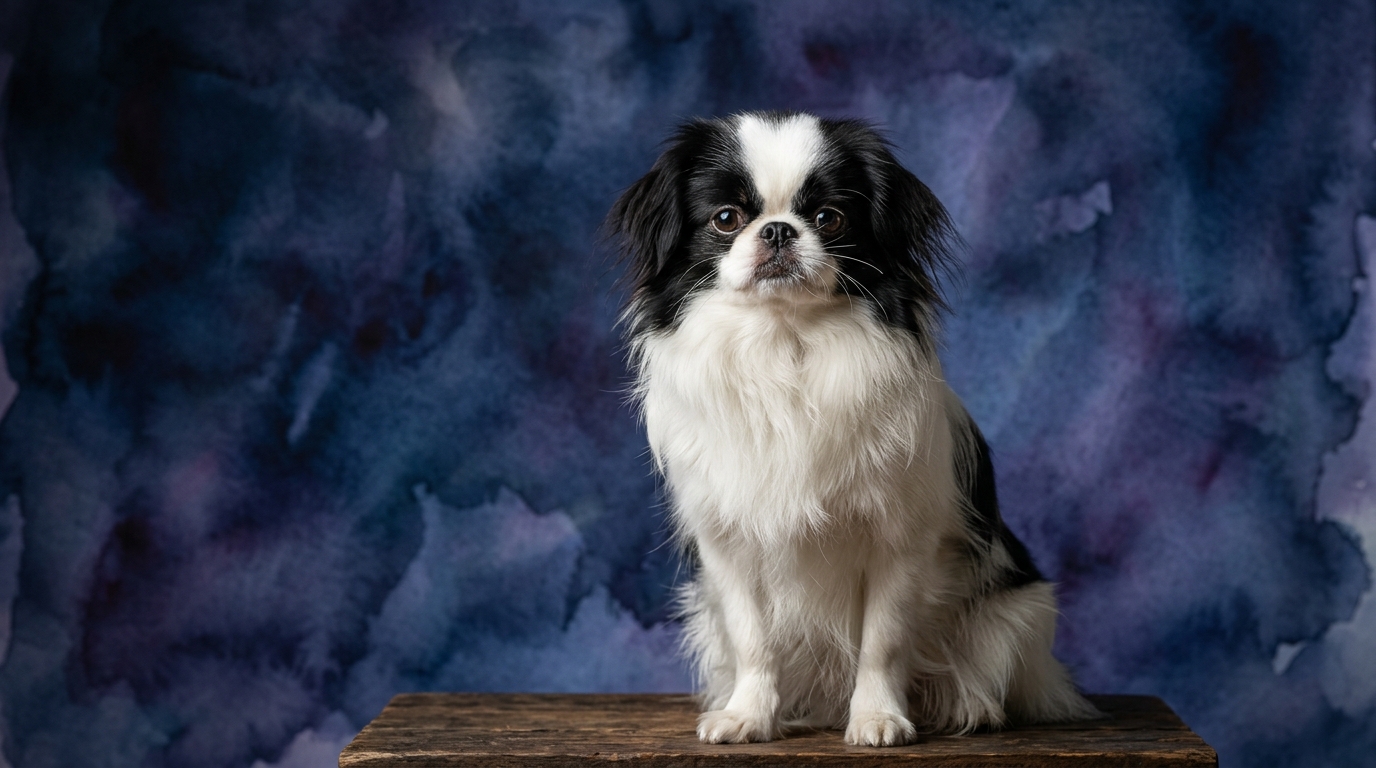

Side-by-Side IQ Profile: Interpreting Identical Scores
At The Cosmic Pet Pet IQ Lab, our assessments delve into five key cognitive dimensions: Problem Solving, Training Speed, Social Intelligence, Instinctive Drive, and Memory. Both the Japanese Chin and the German Pinscher achieve a consistent 3/5 rating in each of these areas, suggesting a solid, mid-range cognitive capacity. However, to truly understand their mental landscape, we must contextualize these scores within their breed groups.
For the Japanese Chin, a Toy breed, a 3/5 in Problem Solving often translates to cleverness in navigating their domestic environment to achieve comfort or attention, perhaps figuring out how to get onto a high perch or subtly signal a desire for a treat. Their 3/5 Training Speed indicates they are capable learners of household rules and basic commands, particularly when motivation comes from positive reinforcement and social connection. A 3/5 in Social Intelligence highlights their strong attunement to human moods and family dynamics, making them perceptive companions. Their Instinctive Drive, also 3/5, leans towards companionship and gentle play rather than intense working tasks, and their 3/5 Memory ensures they recall routines, beloved people, and past social interactions.
The German Pinscher, from the Working group, expresses these same 3/5 scores quite differently. Their Problem Solving at 3/5 might involve figuring out how to retrieve a hidden toy, navigate an agility course, or overcome a physical barrier in their yard. A 3/5 Training Speed for a Pinscher means they typically learn commands and complex sequences with a purpose, often driven by a desire for a 'job' or structured activity. Their Social Intelligence at 3/5 is often expressed through alertness, understanding handler cues in varied environments, and a discerning nature towards strangers. Their 3/5 Instinctive Drive is more pronounced in terms of vigilance, territoriality, and a strong prey drive, reflecting their historical role as vermin controllers and guardians. Finally, their 3/5 Memory is robust for commands, boundaries, and the recognition of familiar versus unfamiliar individuals.
Where the Japanese Chin Wins Cognitively
While both breeds possess a 3/5 in Social Intelligence, the Japanese Chin's expression of this trait often gives them a subtle edge in specific domestic contexts. Their history as aristocratic companions has honed their ability to read and respond to nuanced human emotions with remarkable sensitivity. A Chin might preemptively offer comfort when sensing distress or understand a quiet request without a spoken word, leveraging their keen observational skills to maintain harmony within their human family.
Their problem-solving, though rated equally, often manifests in sophisticated social manipulation. A Chin can cleverly devise strategies to garner attention, secure a prime lap spot, or coax extra treats from their owners, using charming behaviors that are less about brute force and more about psychological insight. This unique application of their cognitive capacity makes them particularly adept at integrating seamlessly into a human household, becoming masters of the domestic social game.
Where the German Pinscher Wins Cognitively
The German Pinscher's cognitive strengths, while numerically similar, shine in areas demanding purpose and resilience. Their 3/5 in Instinctive Drive, coupled with their Problem Solving, allows them to excel at tasks requiring focus and practical application. A Pinscher is more likely to methodically work through a physical challenge, such as retrieving a specific object from a complex environment or learning a multi-step obedience routine, driven by their inherent desire to perform a function.
Their Training Speed, also 3/5, often manifests as a more consistent and eager engagement in structured learning environments. They respond well to clear directives and thrive on the mental stimulation of learning new commands or participating in dog sports. This breed typically exhibits a robust memory for these learned behaviors, making them dependable partners in activities that require precision and follow-through, showcasing a practical, task-oriented intelligence that is a hallmark of their working heritage.
Which is Easier to Train and Why
Determining which breed is 'easier' to train, given their identical 3/5 Training Speed, largely depends on the owner's approach and what they seek from training. The Japanese Chin often responds best to gentle, positive reinforcement methods, thriving on praise and social rewards. They learn household manners and basic tricks readily, particularly when training is framed as a fun, bonding activity. However, their independent spirit and occasional mischievousness mean consistency is paramount; they might 'forget' a rule if they perceive an advantage or a lack of firm follow-through.
The German Pinscher, while also benefiting from positive reinforcement, generally possesses a stronger drive to work and please a confident handler. Their higher instinctive drive means they often engage with training as a serious 'job,' showing good focus and retention for commands. However, this same drive can also present challenges; without sufficient mental and physical engagement, a Pinscher might apply their problem-solving skills to undesirable behaviors or become bored, requiring more experienced handling to channel their energy productively into advanced obedience or dog sports.
Which Suits Active Owners vs. Relaxed Owners
The Japanese Chin is generally better suited for relaxed owners who appreciate a calm, affectionate companion. While they benefit from daily walks and mental stimulation through play and gentle training, their exercise needs are moderate. They are content with indoor living and thrive on close companionship, often preferring to be near their human family members rather than embarking on strenuous outdoor adventures. Their social intelligence makes them excellent at adapting to a quiet household rhythm and offering subtle, comforting presence.
Conversely, the German Pinscher is an ideal match for active owners. Their working dog heritage demands significant physical exercise and consistent mental engagement. They excel in activities like agility, obedience, hiking, or even serving as a running companion. An owner who can provide structured training, varied activities, and plenty of opportunities to channel their instinctive drive will find a highly engaged and loyal partner. A German Pinscher without sufficient outlet for its energy and intellect can become restless or destructive, making them less suitable for a sedentary lifestyle.
The Verdict
Choose the Japanese Chin if you seek a subtle, sensitive companion who thrives on close social connection and a more relaxed household pace. They are masters of domestic harmony and charming social problem-solvers.
Opt for the German Pinscher if you are an active owner looking for a driven, task-oriented partner eager to engage in structured activities and demanding consistent mental and physical challenges.
🧠 Find Your Pet's IQ Score
Our Pet IQ Lab assessment covers 25+ tests across 5 cognitive dimensions — personalized to your breed.
Take the Full IQ Test →Frequently Asked Questions
Do Japanese Chins shed a lot?
Japanese Chins have a single coat and are moderate shedder. Regular brushing, typically a few times a week, can help manage loose hair and keep their coat healthy and tangle-free. This maintenance is relatively straightforward for most owners.
Are German Pinschers good with children?
German Pinschers can be good with older, respectful children, especially if raised with them from a young age. Their protective instincts and high energy mean they require supervision and early socialization to ensure positive interactions, as they might not tolerate rough play from very young children.
What is the typical lifespan of these breeds?
The Japanese Chin typically enjoys a lifespan of 10 to 12 years, while the German Pinscher generally lives between 12 and 14 years. Both breeds are considered relatively healthy, with proper care and nutrition contributing significantly to their longevity.