Side-by-Side IQ Profile: Unpacking Identical Scores
At first glance, the cognitive profiles of the Japanese Chin and the Pekingese appear strikingly similar across the five key dimensions measured by The Cosmic Pet Pet IQ Lab. Both breeds are rated 3/5 in Problem Solving, Training Speed, Social Intelligence, Instinctive Drive, and Memory. This parity suggests a shared moderate capacity across various cognitive functions, yet their real-world application of these abilities, particularly in a structured training environment, diverges significantly.
For Problem Solving (3/5), both breeds demonstrate a moderate capacity for navigating novel situations or figuring out how to achieve a desired outcome, though neither is prone to complex strategizing. Their Training Speed (3/5) indicates new commands are typically grasped within 15 to 25 repetitions, showing a reasonable ability to associate actions with verbal cues. Social Intelligence (3/5) means they can interpret human body language and vocal tones, fostering strong bonds within their trusted circle, though they may exhibit reserve towards strangers. Their Instinctive Drive (3/5) reflects a moderate expression of innate canine behaviors like chasing or alerting, present but not overwhelming. Finally, Memory (3/5) suggests a reliable recall for routines, learned commands, and familiar individuals or places.
The most notable differentiator, however, emerges from external evaluations: the Pekingese holds a Coren rank of #77, placing it among breeds considered less amenable to obedience training, while the Japanese Chin is not Coren-ranked. This discrepancy, despite identical internal scores, highlights that raw cognitive capacity (the 'can learn') doesn't always equate to consistent performance (the 'will perform'), heavily influenced by temperament and breed-specific motivations.
Where the Japanese Chin Wins Cognitively
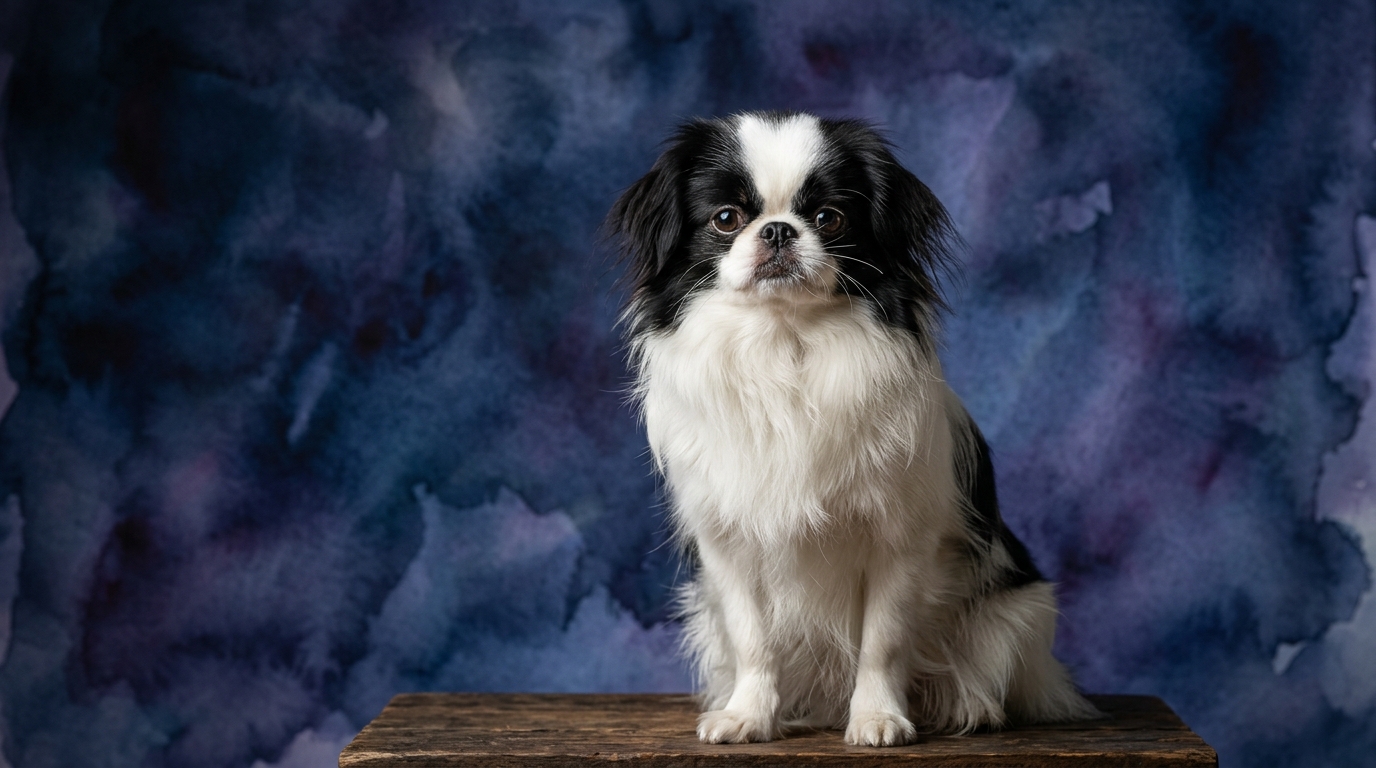
While their inherent cognitive scores match, the Japanese Chin often exhibits a more adaptable and socially engaged application of its intelligence. Their 3/5 social intelligence frequently manifests as a keen awareness of their human family's moods and a greater inclination to participate in household activities. This makes them adept at using their problem-solving skills to figure out how to gain attention or initiate play, perhaps by strategically dropping a toy at their owner's feet or finding a comfortable lap. They might employ their memory to recall which family member is most likely to yield to their charms, demonstrating a subtle social manipulation for affection.
The Chin's moderate instinctive drive, combined with its social intelligence, can lead to a more balanced and interactive companion. They are curious explorers within their familiar environment, using their problem-solving to investigate new sounds or objects, rather than simply observing. This often translates to a more 'present' and interactive companion, one who actively seeks engagement and applies its cognitive abilities to enriching its bond with its chosen people.
Where the Pekingese Wins Cognitively
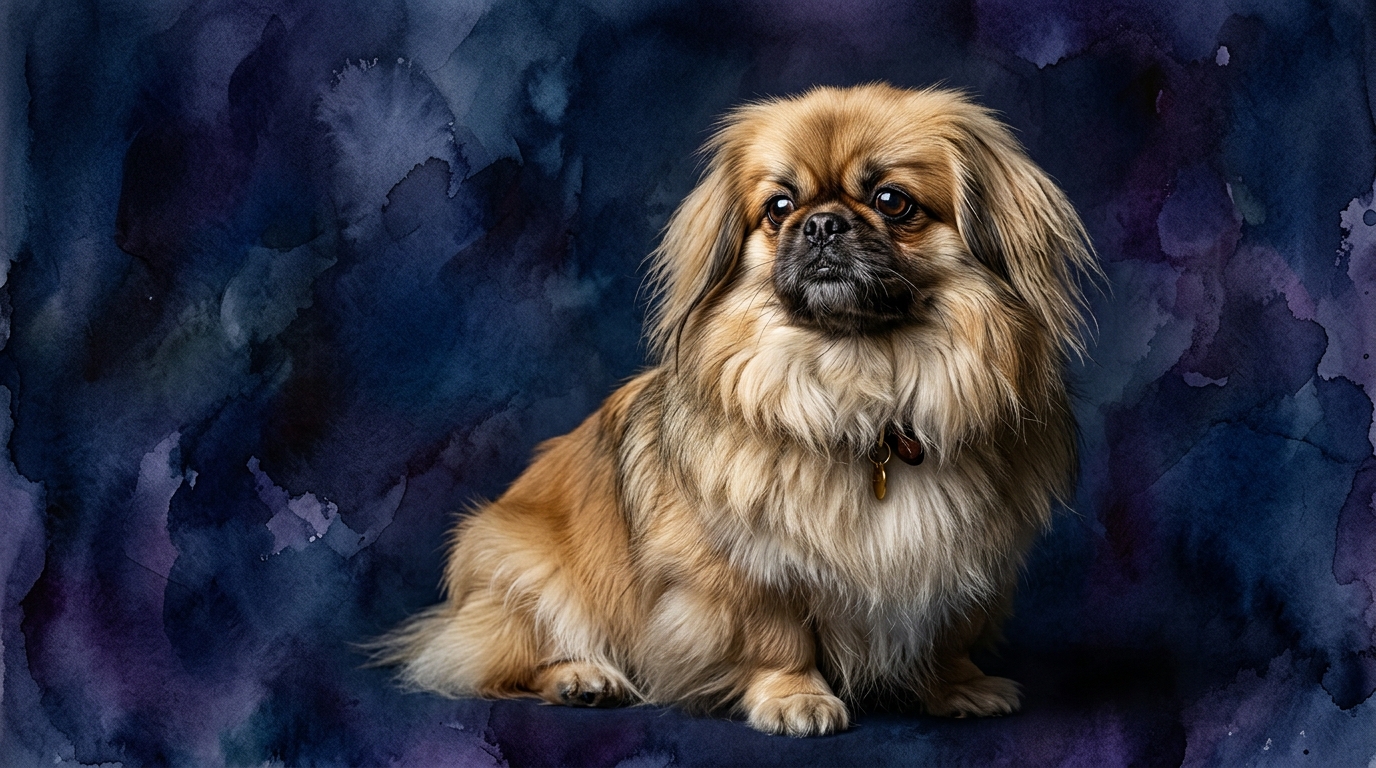
The Pekingese, with its ancient lineage as a companion to Chinese royalty, channels its cognitive abilities into a profound sense of self-possession and strategic comfort-seeking. Its 3/5 problem-solving often manifests not in eagerness to please, but in finding the most comfortable spot, securing preferred resources, or subtly guiding its owners to meet its needs. They might use their memory to recall the exact time dinner is served, or which soft cushion provides optimal napping conditions, applying their intelligence to optimize their personal well-being.
Their 3/5 social intelligence, rather than inspiring eager interaction, often translates into a dignified reserve and a discerning choice of companions. A Pekingese might use its observational skills to understand household dynamics, leveraging this knowledge to secure a prime sunbathing spot or a quiet corner away from bustle. This breed's cognitive strengths lie in its ability to navigate its world on its own terms, often 'training' its owners through subtle cues and unwavering resolve to cater to its regal preferences, showcasing a sophisticated, albeit independent, form of intelligence.
Ease of Training: Temperament Over Raw Score
Despite identical 3/5 training speed scores, the Japanese Chin is generally perceived as easier to train than the Pekingese, a perception strongly supported by the Pekingese's Coren rank of #77. The 3/5 training speed indicates both breeds *can* learn commands at a moderate pace, but the Pekingese's inherent independence and self-assured nature often mean it will *choose* whether or not to comply. A Pekingese might understand a command perfectly but decide it's not worth the effort or doesn't align with its current desires, using its problem-solving skills to avoid compliance.
The Japanese Chin, while also possessing a degree of independence, often displays a greater willingness to engage in training, particularly when motivated by positive reinforcement and a desire for connection. Its social intelligence (3/5) often translates into a stronger drive to please its primary caregiver, making it more amenable to learning and performing commands consistently. While neither breed is known for being a star obedience competitor, the Chin's temperament makes the training process generally more cooperative and rewarding for the owner.
Matching Breeds to Lifestyles: Active vs. Relaxed Owners
For owners seeking a companion with bursts of playful energy and a desire for interactive engagement, the Japanese Chin is often the more suitable choice. While a toy breed, Chins are known for their 'Chin spins' and playful antics, enjoying short, engaging play sessions and mental stimulation. Their adaptability and moderate social intelligence mean they thrive with owners who appreciate a balance of quiet companionship and occasional, joyful activity, fitting well into moderately active households.
The Pekingese, by contrast, is an ideal match for relaxed owners who appreciate a dignified, independent companion content with a serene home life and minimal physical demands. Their self-sufficient nature means they are perfectly happy to observe the world from a comfortable vantage point, requiring little exercise beyond short potty breaks. They are best suited for quiet, predictable homes where their unique, sometimes aloof, personality is cherished, and demands for constant activity or rigorous training are low. Their cognitive strengths are best appreciated by owners who value quiet companionship and a dog with a strong sense of self.
The Verdict
Choose the Japanese Chin if you seek a playful, adaptable companion who enjoys interactive engagement and forms a close, albeit somewhat independent, bond with its family.
Opt for the Pekingese if you desire a dignified, self-possessed companion content with a serene home life, minimal exercise, and owners who appreciate its unique, regal independence.
🧠 Find Your Pet's IQ Score
Our Pet IQ Lab assessment covers 25+ tests across 5 cognitive dimensions — personalized to your breed.
Take the Full IQ Test →Frequently Asked Questions
Are Japanese Chins truly smarter than Pekingese, given their similar IQ scores?
While both breeds have identical cognitive scores across five dimensions, the Japanese Chin often *applies* its intelligence in a way that appears more amenable and interactive. The Pekingese's intelligence is often directed towards its own comfort and independence, making it seem less 'smart' in an obedience context, as indicated by its lower Coren rank.
What's the best approach to training a Pekingese, considering its Coren rank?
Training a Pekingese requires immense patience, consistency, and positive reinforcement, focusing on making training sessions fun and rewarding for the dog. Understanding their independent nature means setting realistic expectations and celebrating small successes, rather than demanding strict obedience, as their 3/5 training speed doesn't guarantee consistent performance without strong motivation.
Do either of these breeds excel in dog sports or advanced training?
Neither the Japanese Chin nor the Pekingese are typically found at the top of competitive dog sports. Their moderate instinctive drive and training speed, combined with their independent temperaments, mean they prefer companionship over rigorous athletic or obedience challenges, though individual Chins might enjoy novice agility or trick training for fun.