Side-by-Side IQ Profile: Nuances of Identical Scores
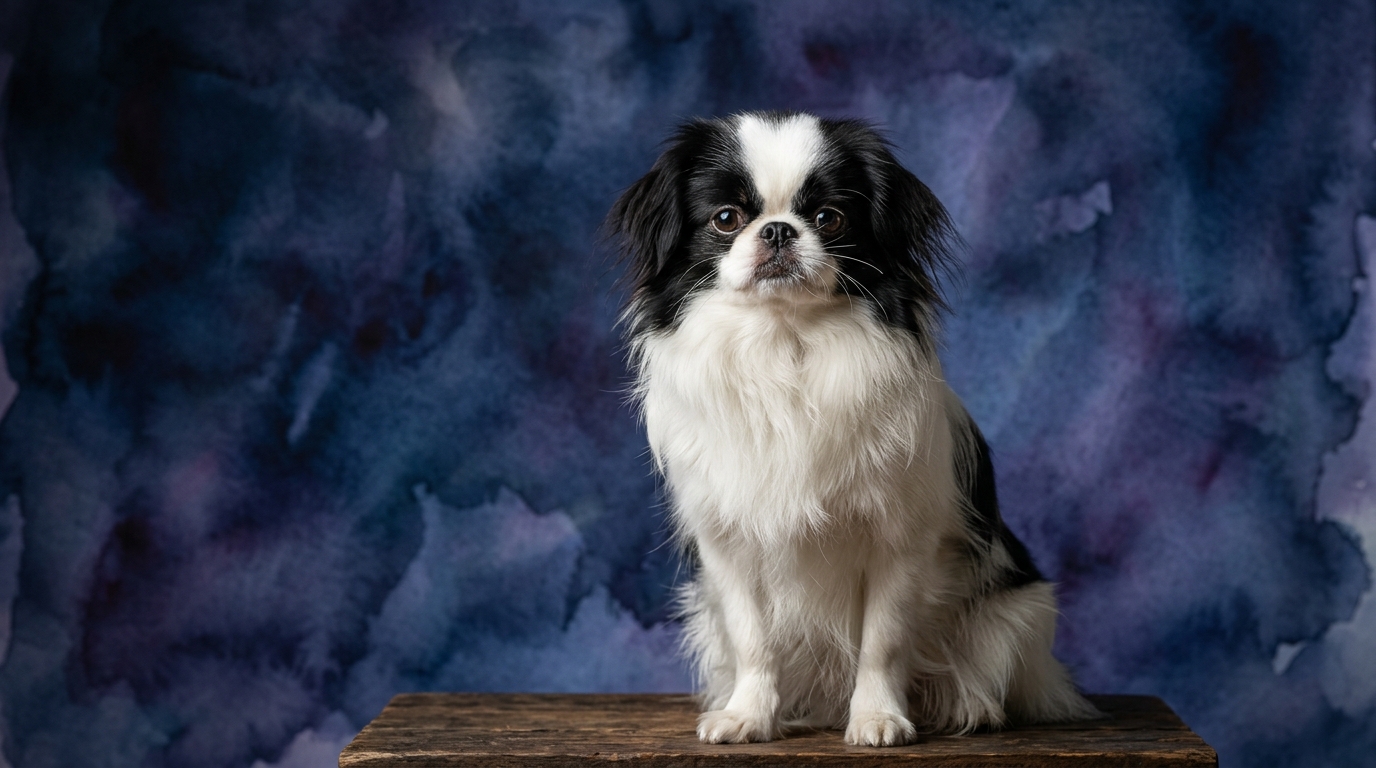
The Japanese Chin, a breed cultivated for centuries as a companion to nobility, demonstrates a balanced cognitive profile with a 3/5 rating in Problem Solving, Training Speed, Social Intelligence, Instinctive Drive, and Memory. Their problem-solving often centers around navigating complex social dynamics to secure affection and comfort, such as figuring out how to get onto a lap or coaxing a treat from an owner. Their training speed reflects an eagerness to engage and please, making them receptive to positive reinforcement, while their social intelligence allows them to read human moods and adapt to various household routines with remarkable sensitivity. Instinctive drive for a Chin is typically expressed through a desire for companionship and comfort-seeking behaviors, and their memory serves them well in recalling cherished routines and the specific preferences of their human companions.
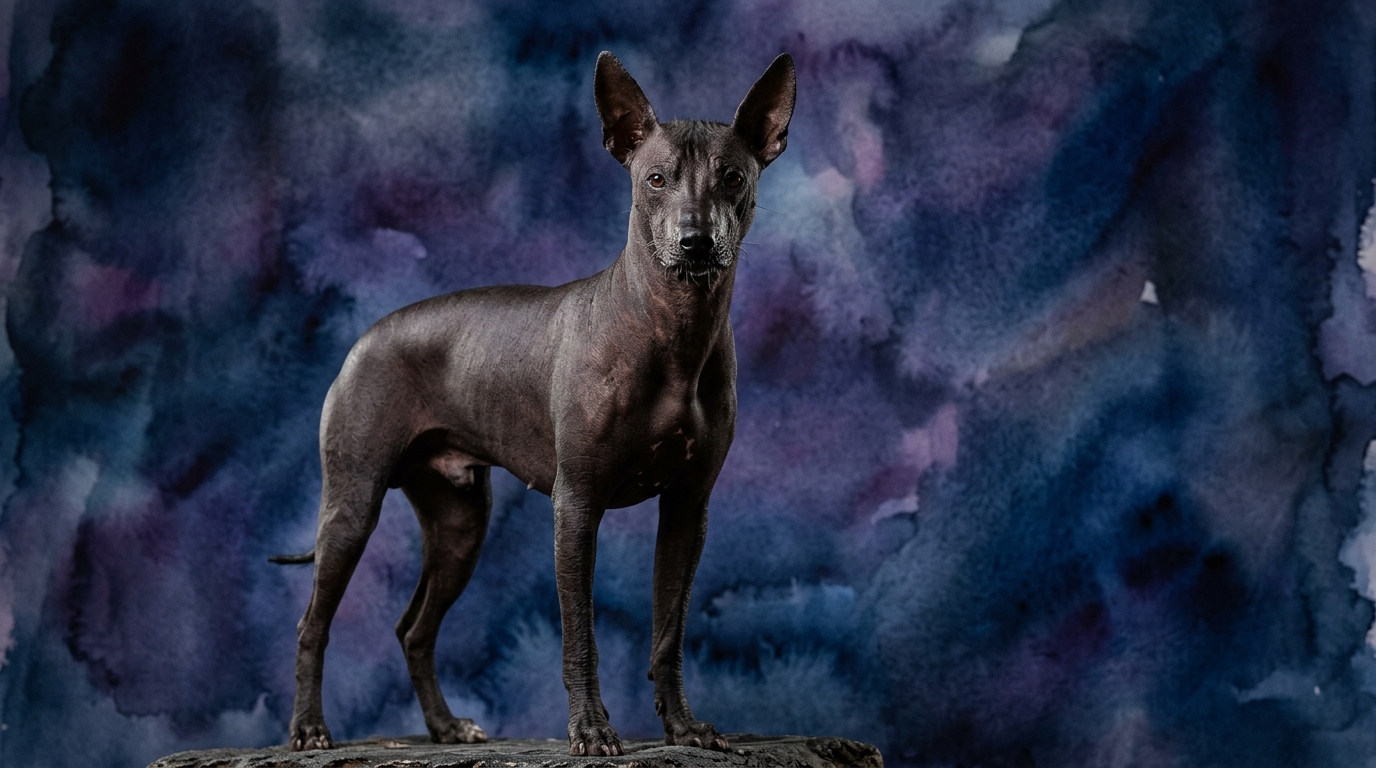
Conversely, the ancient Xoloitzcuintli, revered in Mesoamerican cultures for its unique appearance and watchful nature, also scores 3/5 across Problem Solving, Training Speed, Social Intelligence, Instinctive Drive, and Memory, yet these scores manifest differently. Their problem-solving often involves more independent thought, such as assessing environmental changes or finding comfortable, warm spots, sometimes with a touch of ingenuity in overcoming obstacles like fences. Training speed for a Xolo, while good, requires consistent, fair, and engaging methods, as their independent streak means they learn quickly but might choose when to apply that knowledge. Their social intelligence is deeply family-oriented, highly attuned to their inner circle but often reserved or watchful with strangers, while their instinctive drive includes a strong guarding instinct, a keen awareness of their surroundings, and a natural ability to thermoregulate. A Xolo's memory is robust for remembering specific people, experiences, and territorial boundaries, contributing to their loyal yet discerning nature.
Where the Japanese Chin Wins Cognitively
Despite identical numerical scores, the Japanese Chin often excels in areas emphasizing social adaptability and a desire for harmonious interaction. Their 3/5 in Social Intelligence, for instance, translates into a remarkable ability to integrate smoothly into diverse family structures and social settings, quickly discerning appropriate behaviors and reading subtle human cues. This makes them particularly adept at navigating new environments or meeting new people with an open, charming demeanor, preferring to engage rather than observe from a distance, which is a specific cognitive advantage in many modern pet ownership scenarios.
Furthermore, their 3/5 in Training Speed, combined with their inherent eagerness to please and strong bond with their owners, means they often appear to 'win' in rapid acquisition of companion-level obedience and tricks. They are motivated by positive attention and connection, making them highly responsive to playful learning sessions. This specific manifestation of their training capacity means they can become well-mannered household members with relatively less perceived effort, as their cognitive processing is often directed towards maintaining that positive human-animal relationship.
Where the Xoloitzcuintli Wins Cognitively
The Xoloitzcuintli, with its ancient lineage, often demonstrates cognitive strengths rooted in independence and environmental awareness. Their 3/5 in Problem Solving often manifests as a more self-reliant approach to challenges, such as figuring out how to access a desired location or how to manage their body temperature effectively in varying climates. This isn't about pleasing an owner, but about practical, often solitary, solutions, indicating a cognitive style focused on self-preservation and resourcefulness that is distinct from the Chin's social problem-solving.
Additionally, their 3/5 in Instinctive Drive and Memory combine to give the Xolo a distinct edge in vigilance and territorial awareness. While a Chin's instincts might focus on companionship, a Xolo's are geared towards observation and protection of their family and home. Their memory is exceptional for recalling specific individuals and past events, contributing to their discerning nature with strangers and their unwavering loyalty to their chosen family, making them excellent, if subtle, watchdogs who process and remember potential threats or changes in their environment with precision.
Which is Easier to Train and Why
When considering ease of training, the Japanese Chin generally presents as more straightforward due to their inherent desire to please and strong attachment to their human companions. Their 3/5 Training Speed is amplified by their motivation to receive affection and maintain a harmonious relationship, meaning they are often highly receptive to positive reinforcement and eager to perform for their owner's approval. This often translates into quicker retention of commands and a more willing participation in training sessions, as their social intelligence guides them to cooperate.
The Xoloitzcuintli, while equally capable of learning with a 3/5 Training Speed, requires a more nuanced approach. Their independent and sometimes primitive nature means they may not always be as inherently driven to please as the Chin. Training a Xolo demands patience, consistency, and a clear understanding of their motivations; they learn quickly but may choose to obey based on their own assessment of the situation rather than solely for approval. Owners must establish trust and respect through fair, firm methods, making the training process effective, but potentially requiring more dedication to overcome their independent streak.
Which Suits Active Owners vs. Relaxed Owners
For relaxed owners seeking a devoted, adaptable companion, the Japanese Chin is often a superb match. Their moderate instinctive drive and problem-solving, channeled largely into social interaction, mean they are content with indoor activities, short walks, and ample lap time. Their social intelligence allows them to seamlessly fit into varied household rhythms, making them ideal for individuals or families who appreciate a quiet, affectionate presence without demanding extensive outdoor adventures or complex mental challenges.
Active owners, particularly those who appreciate a dog with a robust sense of self and an ancient spirit, might find the Xoloitzcuintli more appealing. While not excessively high-energy, their problem-solving and instinctive drives benefit from consistent mental stimulation, secure environments, and regular, moderate exercise. They thrive with owners who understand their need for a strong bond, consistent boundaries, and appreciate a dog that is discerning with strangers and watchful of its territory, rather than universally outgoing.
The Verdict: When to Choose Each
The Verdict
Choose the Japanese Chin if you seek a highly adaptable, affectionate companion eager to please and thrives on social interaction within a relaxed home environment.
Opt for the Xoloitzcuintli if you value an independent, loyal, and watchful companion that thrives on a strong bond with its family and benefits from consistent mental engagement and secure surroundings.
🧠 Find Your Pet's IQ Score
Our Pet IQ Lab assessment covers 25+ tests across 5 cognitive dimensions — personalized to your breed.
Take the Full IQ Test →Frequently Asked Questions
Do Japanese Chins bark a lot?
Japanese Chins are not typically excessive barkers, but they will alert their owners to new sounds or visitors. Their vocalizations are often more about communication within the household rather than persistent noise.
Are Xoloitzcuintli good with children?
Xoloitzcuintli can be excellent with children, especially those they are raised with, forming strong protective bonds. However, due to their primitive nature and potential wariness of strangers, early socialization and supervision are crucial to ensure positive interactions.
Do either of these breeds require extensive grooming?
The Japanese Chin, with its long, silky coat, requires regular brushing to prevent mats and keep its fur healthy. The Xoloitzcuintli, being hairless (or coated in rare instances), has minimal grooming needs, primarily consisting of occasional bathing and moisturizing for skin health, along with routine nail and ear care.