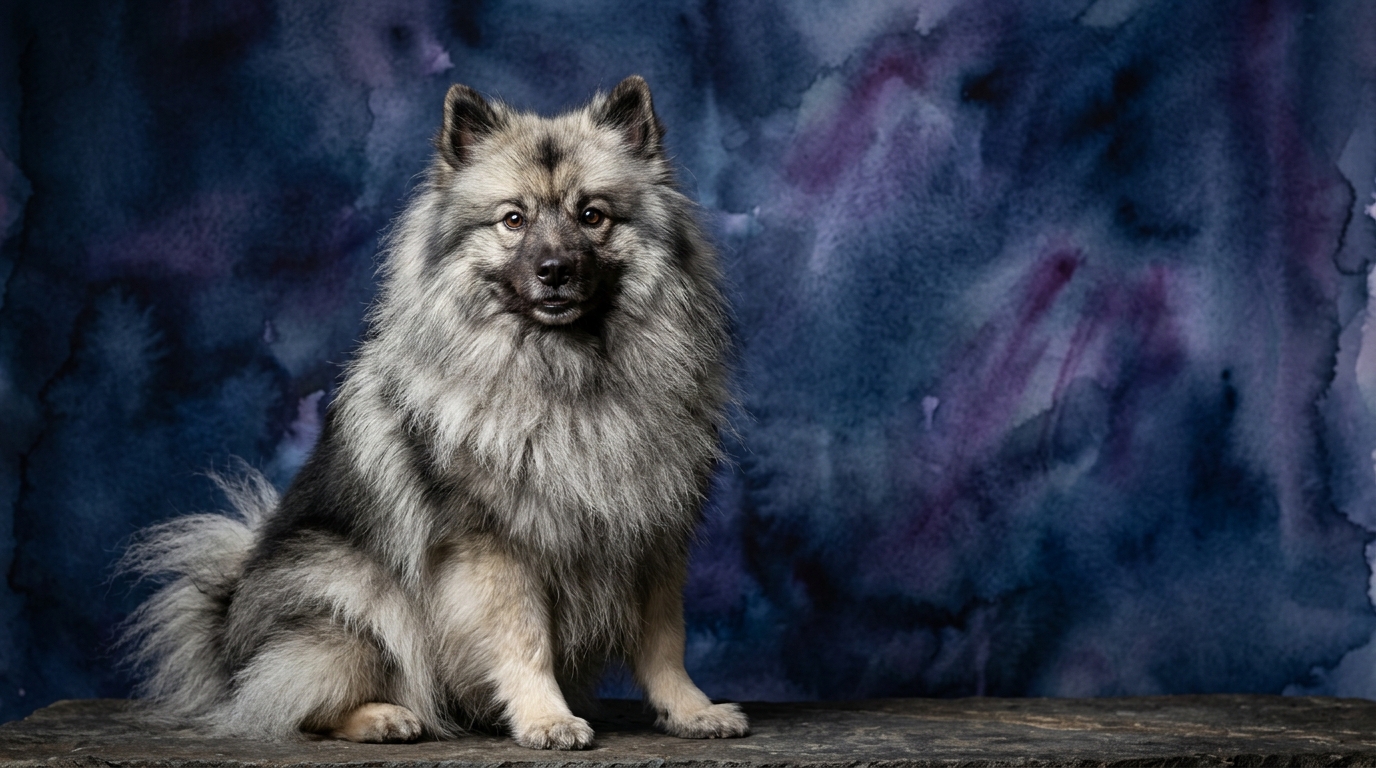
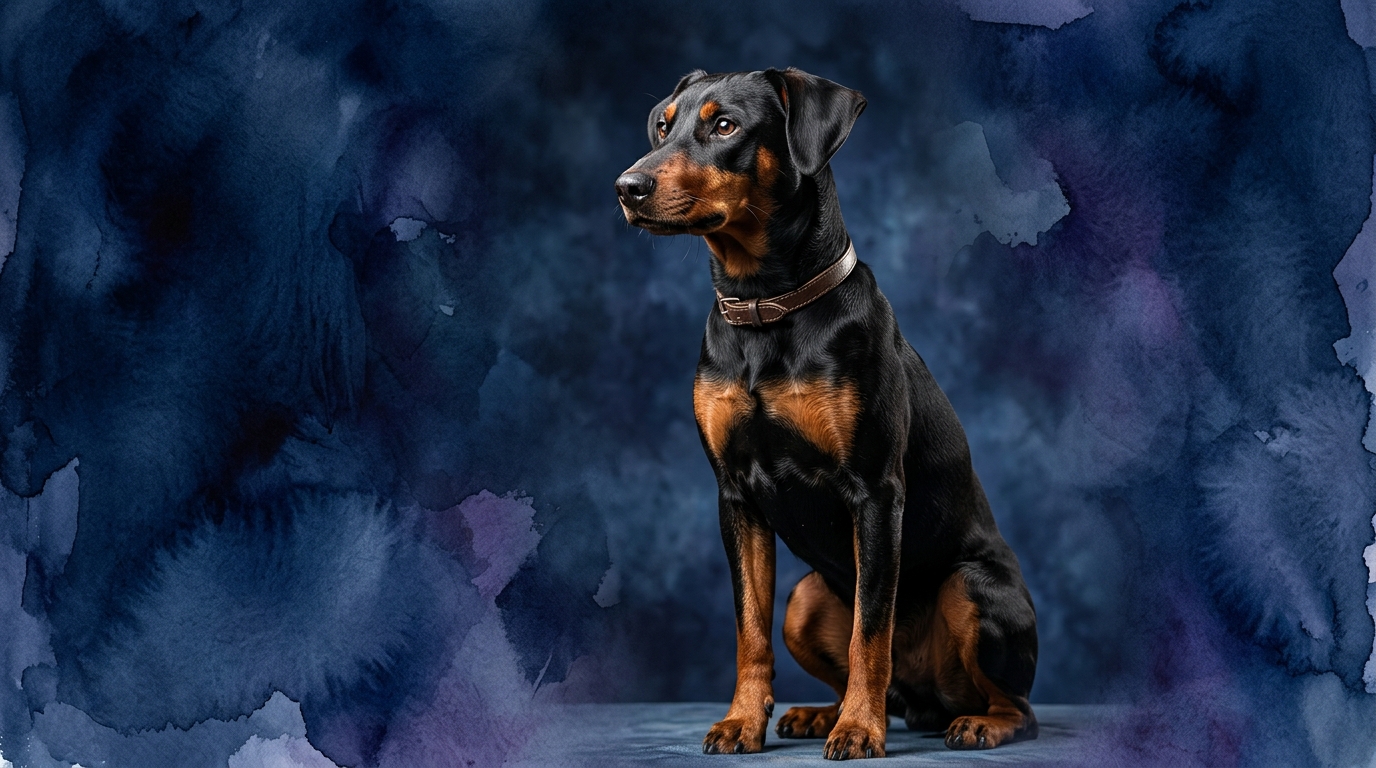
Side-by-Side IQ Profile: Keeshond vs. German Pinscher
Delving into the Cosmic Pet Pet IQ Lab data reveals distinct cognitive landscapes for these two breeds across five key dimensions. Understanding these specific scores helps illuminate their inherent mental aptitudes.
**Problem Solving:** The Keeshond, scoring 4/5, demonstrates a notable aptitude for navigating novel situations and devising solutions to challenges, such as figuring out how to open a cabinet or manipulate a complex puzzle toy. This suggests a capacity for independent thought and strategic thinking when faced with obstacles. In contrast, the German Pinscher, with a 3/5 in problem-solving, approaches new scenarios with a more direct, perhaps less exploratory, mindset, often relying on learned routines or practical application of known skills rather than spontaneous innovation.
**Training Speed:** With a 4/5, the Keeshond typically grasps new commands and behaviors with relatively few repetitions, allowing for a quicker progression through training stages. Their ability to connect actions with desired outcomes is quite efficient. The German Pinscher, at 3/5, requires a more consistent and patient approach to training. While capable of learning, they may need more structured repetition to solidify new commands, benefiting from a methodical teaching style that reinforces skills over time.
**Social Intelligence:** Both breeds score 3/5 in social intelligence, indicating a moderate capacity to interpret human cues and adapt their behavior within a social context. They are generally responsive to their owners' moods and intentions but may not exhibit the hyper-sensitivity or nuanced communication understanding seen in breeds with higher scores. This suggests a balanced, rather than overly reactive or detached, social engagement.
**Instinctive Drive:** Both the Keeshond and the German Pinscher register a 3/5 in instinctive drive. For the Keeshond, this often manifests as a natural watchfulness, an inclination to alert to new sights and sounds, and a historical connection to herding or companionship roles. The German Pinscher's drive is rooted in its working heritage, encompassing a persistent prey drive for vermin and a protective instinct for its territory and family, requiring appropriate outlets for these inherent tendencies.
**Memory:** The Keeshond stands out with an exceptional 5/5 in memory, indicating a remarkable ability to recall past experiences, learned commands, and established routines over extended periods. This contributes to their rapid training speed and their capacity to retain complex behavioral sequences. The German Pinscher, with a 3/5 in memory, possesses a functional memory suitable for retaining daily routines and established commands, but it may not recall intricate details or past events with the same vividness or longevity as the Keeshond.
Where the Keeshond Wins Cognitively
The Keeshond's cognitive profile reveals distinct advantages, particularly in areas that contribute to its adaptability and ease of learning complex tasks. Its superior problem-solving ability (4/5) means a Keeshond is often adept at figuring out how to bypass simple barriers, open latches, or solve interactive puzzle toys designed to challenge a dog's intellect. This inherent curiosity and capacity for strategic thought allow them to independently assess and navigate new situations, making them less likely to become frustrated when faced with minor environmental changes or novel training challenges.
Furthermore, the Keeshond's exceptional memory (5/5) is a significant cognitive asset. They can recall a vast repertoire of commands and learned behaviors even after long periods of inactivity, meaning skills taught months or even years ago can be reactivated with minimal refresher training. This robust memory also contributes to their understanding of routines and their ability to anticipate upcoming events, fostering a sense of security and predictability within their environment. When combined with their efficient training speed (4/5), this strong memory allows Keeshonds to master advanced obedience, trick training, or even competitive canine sports with a faster learning curve and greater retention than many other breeds. They consistently link cause and effect, remembering which actions lead to desired outcomes, which streamlines the learning process.
Where the German Pinscher Wins Cognitively
While the German Pinscher's scores might appear numerically lower in some cognitive dimensions compared to the Keeshond, their specific cognitive makeup is perfectly suited for their intended working roles and offers a distinct kind of practical effectiveness. The German Pinscher's balanced 3/5 across problem-solving, training speed, social intelligence, instinctive drive, and memory points to a robust, pragmatic intelligence. Their 3/5 problem-solving, for instance, means they are adept at finding practical, direct solutions to immediate issues rather than engaging in overly complex or exploratory approaches. This can translate to a focused determination when tracking a scent or patrolling a boundary, where efficiency trumps abstract thought.
Their 3/5 in instinctive drive is a particular strength when channeled into appropriate tasks. This drive manifests as a persistent focus on their responsibilities, whether it's vigilant guardianship or dedicated vermin control. Unlike breeds with extremely high drives that might be overwhelming, the German Pinscher's drive is manageable and purposeful, allowing them to remain attentive to their tasks without becoming easily distracted by extraneous stimuli. This consistent focus, coupled with a practical memory (3/5), ensures they reliably execute learned commands and routines within their working context. They are not prone to overthinking or becoming creatively sidetracked, instead applying a steady, predictable cognitive effort to master and perform their duties. This reliability and grounded approach to cognition are invaluable for an owner seeking a dependable and task-oriented companion.
Which Is Easier to Train and Why
When evaluating ease of training, the Keeshond generally presents a more straightforward experience for most owners due to its cognitive strengths. Their training speed of 4/5 means they typically connect a command with the desired action very quickly, often requiring fewer repetitions to solidify a new behavior. This efficiency is further bolstered by their exceptional memory (5/5), which ensures that once a command is learned, it is retained for extended periods. Owners will find that Keeshonds recall commands with ease, even after breaks in training, and can build a large repertoire of skills without significant review. This combination makes them highly responsive to positive reinforcement methods and capable of excelling in various obedience disciplines, from basic manners to complex trick training.
The German Pinscher, with its 3/5 in both training speed and memory, requires a different approach to training. While capable of learning and becoming a well-behaved companion, they will typically need more consistent reinforcement and patience from their owner. New commands may take more repetitions to embed, and skills might need more frequent refreshing to ensure long-term retention. Their working background, however, means they often possess a strong desire to have a job and please their owner, which can be leveraged in training. Owners who embrace a methodical, consistent training regimen that provides clear expectations and ample positive reinforcement will find the German Pinscher to be a reliable and dedicated learner. Their training is less about speed and more about building a strong foundation through steady, repetitive practice, often benefiting from task-oriented activities that align with their instinctive drive.
Which Suits Active Owners vs. Relaxed Owners
The choice between a Keeshond and a German Pinscher also hinges significantly on an owner's lifestyle, particularly their activity level and willingness to engage with their dog's specific needs. A Keeshond, with its Non-Sporting group classification, generally suits a range of owners, including those who might describe themselves as relaxed, provided their mental stimulation needs are met. While they enjoy regular walks and moderate play, their cognitive strengths in problem-solving and memory mean they thrive on interactive games, puzzle toys, and learning new tricks. A relaxed owner who enjoys engaging their dog in mental challenges indoors or during leisurely strolls will find the Keeshond highly adaptable and content. Their social intelligence (3/5) allows them to integrate well into family life without constant, high-octane engagement.
Conversely, the German Pinscher, hailing from the Working group, typically requires a more active and structured lifestyle to truly flourish. Their 3/5 instinctive drive and historical role as guardians and vermin hunters mean they possess both physical stamina and a mental need for purpose. Active owners who enjoy daily vigorous exercise, such as running, hiking, or participating in canine sports like agility or flyball, will find a willing and energetic partner in the German Pinscher. They benefit from consistent training that provides a “job” and mental engagement beyond just physical exertion. While a relaxed owner might technically have a German Pinscher, without sufficient outlets for their energy and working instincts, these dogs can become bored, potentially leading to undesirable behaviors. Therefore, the German Pinscher is best suited for owners who are committed to providing regular, structured physical and mental activity to channel their innate drive and focus.
The Verdict
Choose a Keeshond if you value a dog that quickly grasps new concepts, retains a vast array of commands with exceptional memory, and enjoys engaging in intellectual challenges and interactive play. They are ideal for owners seeking a responsive companion who can learn complex behaviors efficiently and adapt well to a family environment with moderate exercise needs.
Opt for a German Pinscher if you are an active owner prepared to provide consistent, structured training and regular vigorous exercise for a dog with a pragmatic, task-oriented mind. They excel with owners who appreciate a steadfast companion focused on purpose and routine, thriving when given a clear role and outlets for their working drive.
🧠 Find Your Pet's IQ Score
Our Pet IQ Lab assessment covers 25+ tests across 5 cognitive dimensions — personalized to your breed.
Take the Full IQ Test →Frequently Asked Questions
Are Keeshonds well-suited for dog sports like agility?
Yes, Keeshonds can excel in agility and similar dog sports. Their 4/5 problem-solving ability allows them to quickly understand course layouts, while their 4/5 training speed and exceptional 5/5 memory enable them to master complex sequences and retain them with ease, making them strong competitors.
How much mental stimulation does a German Pinscher require daily?
German Pinschers require significant daily mental stimulation to prevent boredom, stemming from their working background and instinctive drive (3/5). Engaging them with training sessions, puzzle toys, and activities that tap into their natural guarding or prey drive for at least 30-60 minutes daily, in addition to physical exercise, is beneficial.
Given both breeds have a 3/5 social intelligence, how does this affect their interaction with family and strangers?
A 3/5 social intelligence indicates both breeds are generally capable of understanding human cues and adapting, but they may not be overly effusive or universally friendly with all strangers. They tend to form strong bonds with their primary family, but might exhibit a reserved or watchful demeanor with unfamiliar people, requiring proper socialization to ensure polite interactions.