Side-by-Side IQ Profile
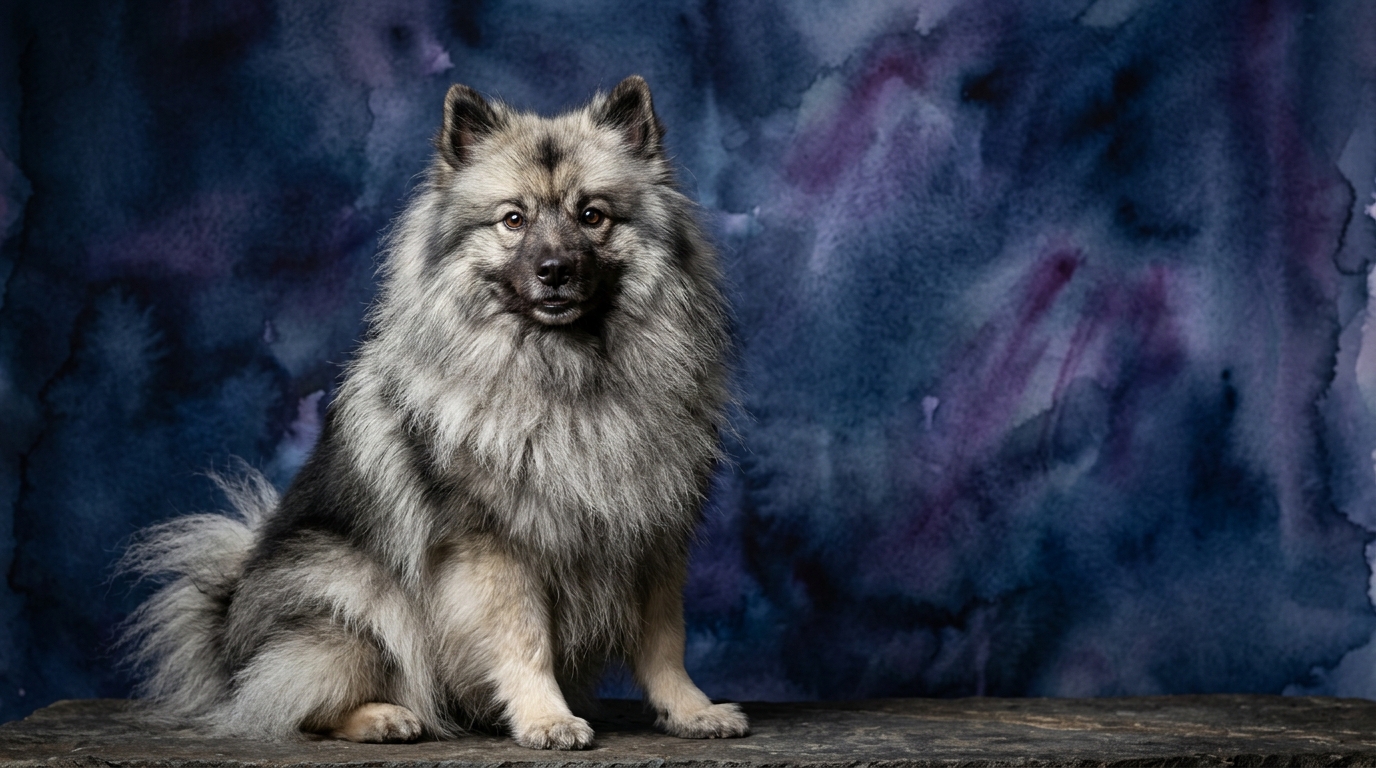
The Cosmic Pet Pet IQ Lab employs a five-dimensional framework to assess canine intelligence, providing a detailed look into each breed's cognitive architecture. For the Keeshond, ranked at Coren #16, their profile reveals a keen intellect. Their Problem Solving ability rates at a strong 4/5, indicating an aptitude for navigating environments and devising clever solutions to challenges. Training Speed is also impressive at 4/5, reflecting a quick grasp of new commands and routines. Social Intelligence scores 3/5, suggesting a capacity for reading human cues, though often focused on their immediate family. An Instinctive Drive of 3/5 points to a moderate inherent motivation, often expressed as alertness. Finally, their Memory is exceptional at 5/5, allowing for remarkable retention of learned behaviors and experiences.
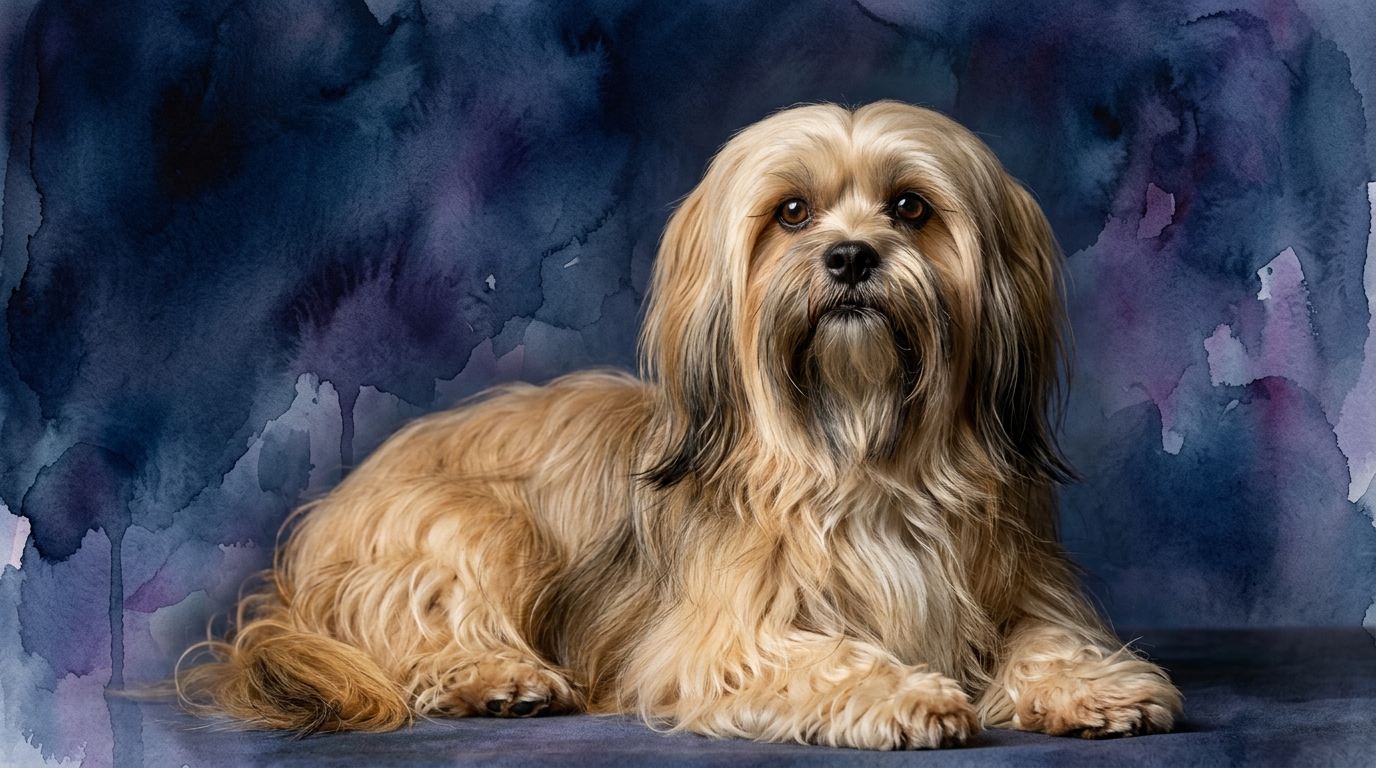
In contrast, the Lhasa Apso, positioned at Coren #68, presents a different cognitive blueprint. Their Problem Solving ability is rated 3/5, indicating competence in tackling straightforward issues, though perhaps with a preference for their own methods. Training Speed is 3/5, meaning they learn steadily but may require more repetitions due to their independent streak. Social Intelligence, also 3/5, is characterized by a discerning nature, forming deep bonds with family while often remaining reserved with strangers. Their Instinctive Drive is 3/5, primarily manifesting as a strong territorial and alert guarding behavior. A Memory score of 3/5 suggests they retain crucial information and routines, though perhaps not with the same breadth as the Keeshond.
Where Keeshond Wins Cognitively
The Keeshond's cognitive advantages are evident across several key dimensions. Their superior Problem Solving score of 4/5 means they are often more adept at independent thought when faced with obstacles, quickly strategizing to open doors or retrieve hidden toys. This ingenuity translates into a dog less likely to be stumped by novel situations. Furthermore, their Training Speed of 4/5 significantly outpaces the Lhasa Apso, making them quicker to pick up new commands and more responsive to instruction, often requiring fewer repetitions. Perhaps their most pronounced cognitive strength is their Memory, rated a perfect 5/5. This outstanding recall ensures that lessons learned are rarely forgotten, making long-term training highly effective and allowing them to remember complex sequences or household rules with remarkable clarity, contributing to their reliability.
Where Lhasa Apso Wins Cognitively
While the Lhasa Apso's scores might appear lower, their unique cognitive profile presents distinct advantages. Their Social Intelligence (3/5), though numerically equal, is characterized by profound discerning loyalty. Unlike the Keeshond's generalized friendliness, the Lhasa Apso excels at assessing character, forming intensely deep, protective bonds with family and displaying astute observation of outsiders. This focused social acumen makes them exceptional, unwavering guardians. Their Instinctive Drive (3/5) is primarily channeled into acute territorial awareness and vocal alerting, a trait honed over centuries as sentinels. This specialized "watchdog" intellect means they are acutely attuned to their environment, providing an unmatched early warning system. Their independent Problem Solving approach, while slower, often results in unique, self-directed ways to achieve goals, reflecting a mind that prefers to reason things out on its own terms.
Which is Easier to Train and Why
When it comes to ease of training, the Keeshond generally offers a more straightforward experience. Their higher Training Speed (4/5) combined with exceptional Memory (5/5) means they grasp concepts quickly and retain them for the long haul. Keeshonds typically possess a natural eagerness to please their owners, making them highly motivated by positive reinforcement and praise. They thrive on structured learning environments and enjoy the mental engagement that training provides, often viewing it as a cooperative game. This cooperative spirit and mental agility mean they are generally more responsive to cues and less likely to exhibit persistent stubbornness.
Conversely, training a Lhasa Apso requires greater patience, consistency, and a deep understanding of their independent spirit. Their Training Speed (3/5) and Memory (3/5) suggest a steady, rather than rapid, learning curve. The Lhasa Apso's historical role as a discerning guardian has cultivated a strong sense of self-reliance and an inclination to weigh commands against their own judgment. They are not inherently driven by a desire to please in the same way a Keeshond might be; instead, they respond best to clear, fair, and consistent leadership that respects their autonomy. Training must be engaging and demonstrate value, as they can quickly become bored or resistant if commands are perceived as arbitrary or repetitive. Their independence, while a strength, can translate into a "what's in it for me?" attitude during training, requiring owners to be creative and persistent.
Which Suits Active Owners vs Relaxed Owners
For active owners seeking a canine partner for various endeavors, the Keeshond is typically the more fitting choice. Their moderate energy levels, coupled with high Problem Solving ability and eagerness to learn, make them excellent candidates for dog sports like agility, obedience, or rally. They enjoy being actively involved in family outings, whether hiking, long walks, or interactive yard play. Their desire for mental stimulation and companionship means they thrive in environments where they are regularly engaged and included in daily activities, making them ideal for individuals or families who lead an active lifestyle and want a dog to share those experiences.
In contrast, the Lhasa Apso generally aligns better with owners who prefer a more relaxed pace. While they do require regular, moderate exercise to stay healthy, their energy levels are typically lower than a Keeshond's. Their independent nature and historical role as a watchful sentinel mean they are often content to observe their surroundings from a comfortable vantage point. They are not typically driven by an intense need for constant physical activity or extensive mental games. Owners who appreciate a loyal, alert, and discerning companion, but one that doesn't demand constant high-energy engagement, will find the Lhasa Apso a delightful fit for quiet evenings punctuated by their vigilant presence.
The Verdict
Choose the Keeshond if you seek a highly trainable, mentally agile companion eager to participate in family activities and excel in structured learning and cooperative tasks.
Choose the Lhasa Apso if you appreciate an independent, discerning companion with a strong, focused guarding instinct, valuing deep loyalty and a less physically demanding presence.
🧠 Find Your Pet's IQ Score
Our Pet IQ Lab assessment covers 25+ tests across 5 cognitive dimensions — personalized to your breed.
Take the Full IQ Test →Frequently Asked Questions
Are Keeshonds good with children?
Keeshonds generally possess a gentle and tolerant nature, often making them excellent family companions, especially when properly socialized from a young age. Their playful yet watchful disposition means they typically interact well with respectful children, enjoying companionship and play.
Do Lhasa Apsos bark a lot?
Lhasa Apsos are renowned for their alert barking, a trait stemming from their historical role as sentinels guarding Tibetan monasteries. They are quick to vocalize warnings about perceived intruders or unusual sounds, making them effective watchdogs, though this can require management to prevent excessive noise.
Which breed requires more mental stimulation?
The Keeshond, with its higher problem-solving ability and memory, generally thrives on more consistent mental challenges and engagement to prevent boredom. While the Lhasa Apso benefits from mental activity, their independent nature means they might be less inclined to seek constant intellectual puzzles and are often satisfied with their guarding duties and family interaction.