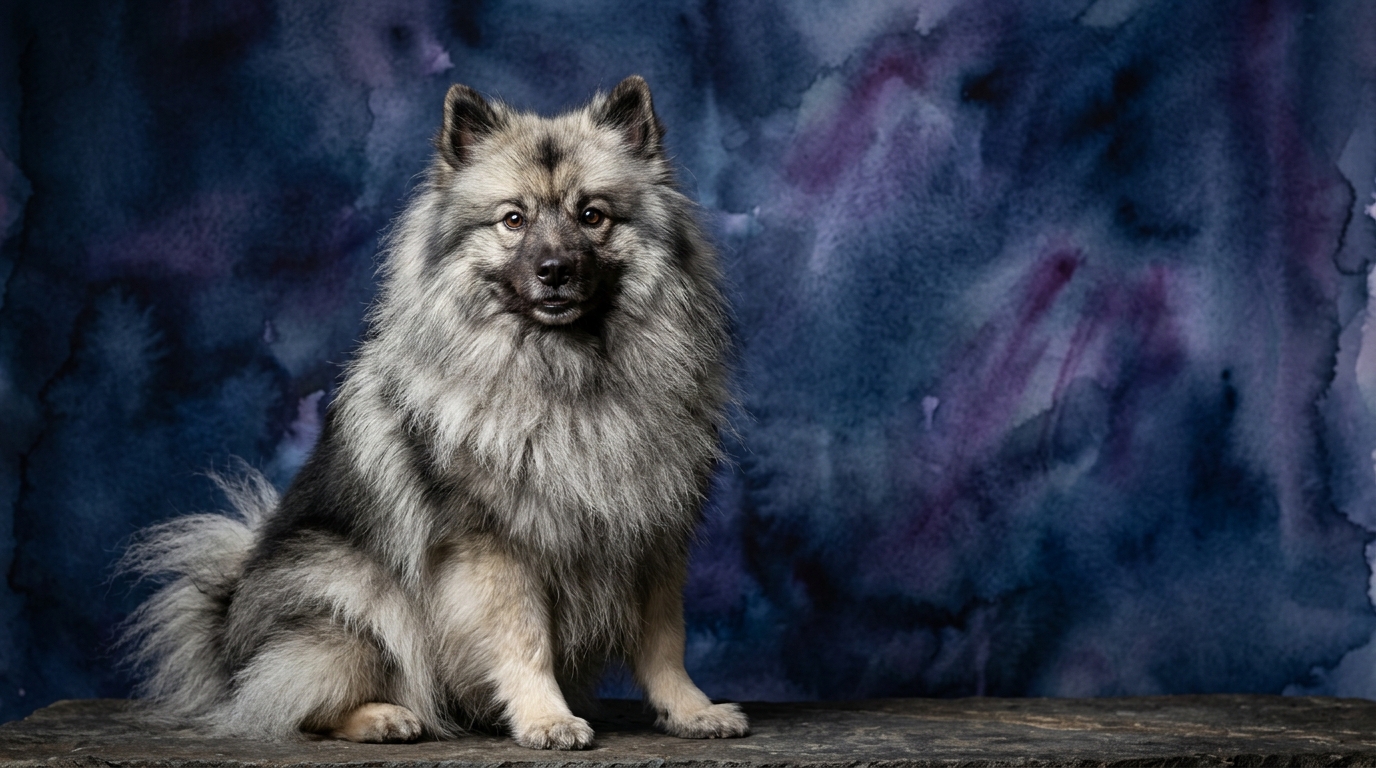
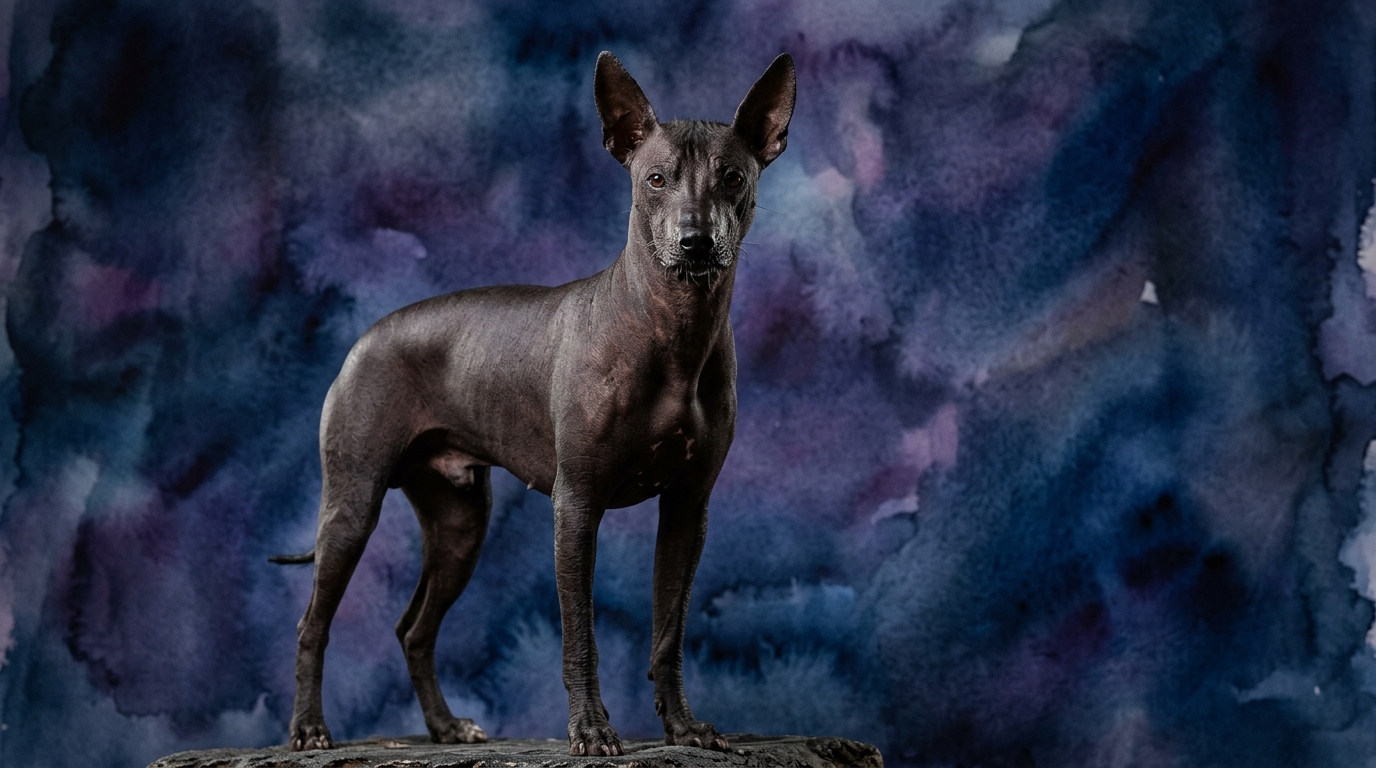
Side-by-Side Cognitive Profile: Keeshond vs. Xoloitzcuintli
The Keeshond, a vibrant member of the Non-Sporting Group, holds a notable Coren rank of #16, indicating a significant capacity for obedience and working intelligence. Its cognitive profile is marked by Problem Solving at 4/5, signifying a strong aptitude for figuring out puzzles and navigating complex situations. Training Speed is also high at 4/5, meaning these dogs typically grasp new commands and routines with considerable ease. Social Intelligence registers at 3/5, suggesting a solid understanding of human cues and emotions, while Instinctive Drive, also at 3/5, points to a moderate level of inherent motivations such as guarding or companionship. A standout feature of the Keeshond's cognition is its Memory, rated at an exceptional 5/5, indicating superior recall and retention of experiences and learned behaviors.
In contrast, the Xoloitzcuintli, another distinguished Non-Sporting breed with an ancient lineage, does not appear on the Coren ranking, offering a different perspective on canine intelligence. Its cognitive dimensions present a remarkably consistent picture: Problem Solving is rated at 3/5, meaning it capably addresses routine challenges but may not seek out complex mental gymnastics. Training Speed also stands at 3/5, indicating a steady, reliable learning pace that requires consistency rather than rapid-fire instruction. Social Intelligence is 3/5, suggesting a perceptive awareness of human interactions and a capacity for deep, if sometimes reserved, bonding. Instinctive Drive is likewise 3/5, reflecting a balanced level of inherent motivations, often expressed as vigilance and companionship. Finally, Memory for the Xoloitzcuintli is rated at 3/5, showing dependable retention of information and past experiences, though not with the same exceptional recall as the Keeshond.
Where the Keeshond Excels Cognitively
The Keeshond's cognitive strengths are particularly evident in its superior Problem Solving and Memory capabilities. With a 4/5 rating in Problem Solving, a Keeshond is often adept at navigating its environment, quickly learning how to open latches, retrieve hidden items, or master intricate puzzle toys designed to challenge canine minds. This capacity for independent thought and strategic action makes them engaging companions for owners who enjoy interactive mental games and varied enrichment activities.
Furthermore, the Keeshond's exceptional 5/5 Memory score is a significant cognitive advantage. This means they not only learn new commands quickly but also retain them for extended periods, making initial training efforts highly impactful. Their strong recall extends to remembering routines, people, and even specific events, which can be a boon for consistent behavior and a deep understanding of their world. However, this also implies that negative experiences or undesirable habits can be deeply ingrained, underscoring the importance of positive reinforcement and careful management in their early developmental stages.
Where the Xoloitzcuintli's Cognitive Profile Shines
While the Xoloitzcuintli's individual scores of 3/5 across problem-solving, training speed, social intelligence, instinctive drive, and memory might appear modest compared to the Keeshond, this balanced profile is precisely where its unique cognitive strengths emerge. The consistent 3/5 rating suggests a steady, predictable mental architecture, less prone to the complexities or intense demands that can accompany higher scores in specific areas. Owners seeking a companion who thrives on clear communication and established routines, rather than constant novel intellectual challenges, will find the Xoloitzcuintli's cognitive makeup to be a distinct advantage.
Their social intelligence, rated equally with the Keeshond at 3/5, means they are just as capable of forming profound, perceptive bonds, often expressing their affection with a dignified, understated loyalty rather than an overtly boisterous display. This stability also extends to their instinctive drive, which, at 3/5, indicates a robust, self-sufficient nature rooted in their ancient lineage as companion and guardian dogs. They possess a deep-seated resilience and adaptability, honed over centuries, allowing them to navigate their world with a quiet confidence that doesn't necessitate constant external validation or intellectual stimulation. For those who appreciate a dog with an intrinsic sense of self and an ability to thrive within a consistent framework, the Xoloitzcuintli's unvarying cognitive rhythm offers a profound and reliable companionship.
Training Dynamics: Which Breed is Easier to Train?
Based on their respective cognitive profiles, the Keeshond generally presents as the easier breed to train. With a Training Speed of 4/5 and Problem Solving at 4/5, Keeshonden tend to pick up new commands and complex sequences with relative swiftness and enthusiasm. They often enjoy the process of learning and solving tasks, making them responsive to positive reinforcement methods and engaging in training sessions as a form of mental enrichment. Their exceptional memory further consolidates their learning, meaning once a behavior is established, it is likely to be retained.
The Xoloitzcuintli, with its 3/5 ratings in both Training Speed and Problem Solving, is certainly trainable, but may require a more patient and consistent approach. They are capable learners, but might not grasp new concepts as rapidly as a Keeshond, often needing more repetitions to solidify understanding. Their steady cognitive pace means they thrive on clear, unambiguous instructions and a predictable training regimen. While they may not be as overtly eager to please as some breeds, their social intelligence of 3/5 ensures they are perceptive to their owner's intentions and will respond reliably to fair and consistent guidance, often maturing into well-mannered companions.
Matching Cognitive Profiles to Lifestyles: Active vs. Relaxed Owners
The Keeshond's cognitive profile, characterized by strong problem-solving skills and exceptional memory, makes it an ideal match for active owners who are prepared to provide consistent mental stimulation. These dogs thrive on activities that engage their minds, such as advanced obedience, agility, puzzle toys, or learning new tricks. Owners who enjoy dedicating time to training and interactive play, and who appreciate a dog that can quickly adapt to new situations and challenges, will find the Keeshond a fulfilling and highly responsive companion. Their cognitive makeup demands engagement, preventing boredom that could lead to undesirable behaviors.
Conversely, the Xoloitzcuintli's balanced and consistent cognitive profile of 3/5 across all dimensions makes it well-suited for owners seeking a more relaxed, yet deeply loyal companion. While they still require regular physical exercise and mental engagement, their temperament doesn't typically demand the same intensity of novel intellectual challenges as a Keeshond. Owners who appreciate a dog that thrives on routine, clear boundaries, and a quieter, dignified companionship will find the Xoloitzcuintli's steady nature a perfect fit. They offer profound loyalty and a perceptive understanding of their human companions, without the constant need for complex cognitive tasks to feel fulfilled.
The Verdict
Choose the Keeshond if you seek an engaging, quick-witted companion eager for complex training, puzzle toys, and consistent mental challenges.
Opt for the Xoloitzcuintli if you prefer a dignified, steadfast companion who thrives on routine, clear communication, and a less intensely demanding intellectual life, offering deep loyalty.
🧠 Find Your Pet's IQ Score
Our Pet IQ Lab assessment covers 25+ tests across 5 cognitive dimensions — personalized to your breed.
Take the Full IQ Test →Frequently Asked Questions
Does a lower Coren rank mean a dog is less capable of learning?
Coren rankings primarily assess obedience and working intelligence, reflecting a breed's ability to learn commands and perform tasks quickly. A breed not ranked, or with lower scores in specific areas, simply suggests a different cognitive profile, not an inability to learn or bond or a lack of overall capability.
Are Xoloitzcuintli difficult to train because their scores are lower?
Not difficult, but perhaps requiring a different approach. With a training speed of 3/5, Xolos will learn reliably with patience, consistency, and positive reinforcement, just potentially not as rapidly as a breed with a 4/5 score. Their intelligence lies more in steady learning and adaptability to routine.
How does a Keeshond's 5/5 memory impact ownership?
A Keeshond's exceptional memory means they quickly recall both desired behaviors and any unwanted habits or past negative experiences. This necessitates consistent, positive training from a young age to shape their understanding of household rules and expectations effectively, as they will remember both good and bad lessons.