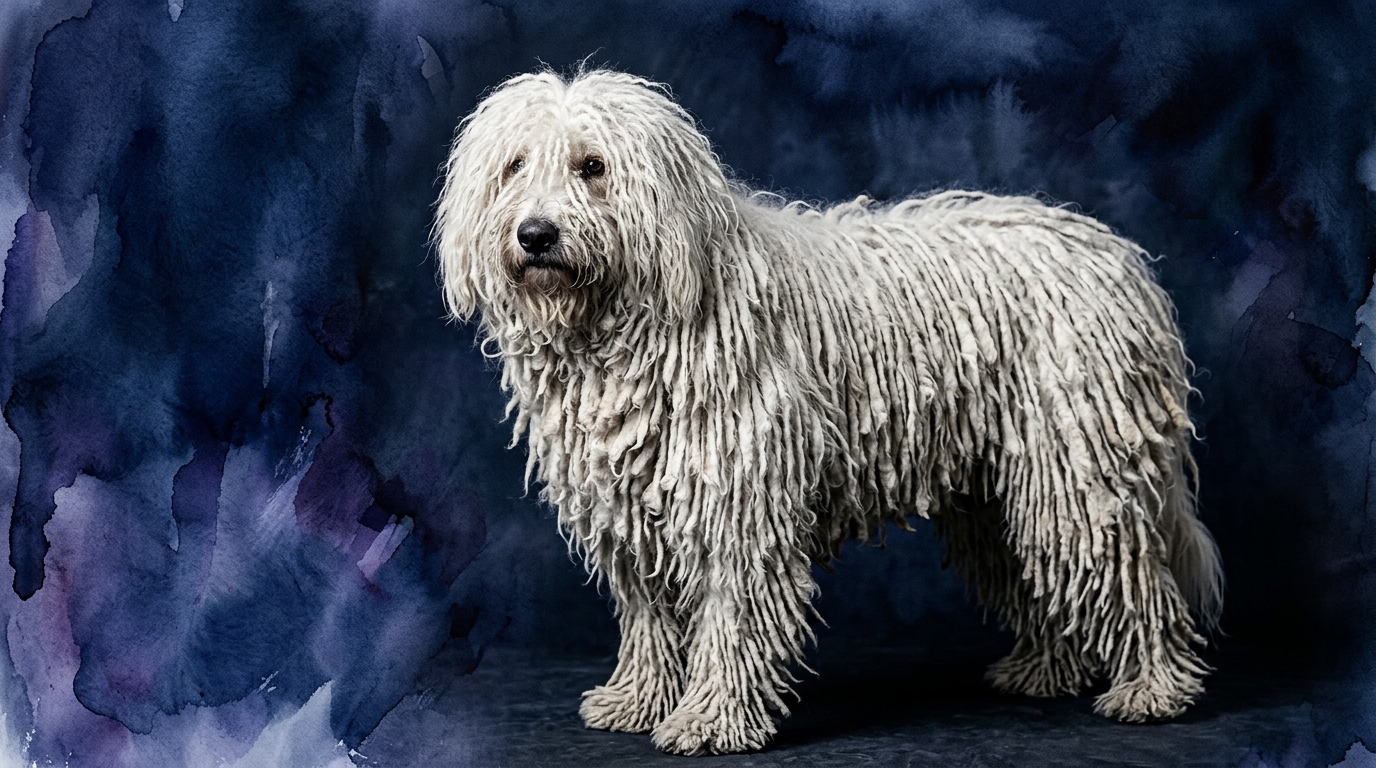
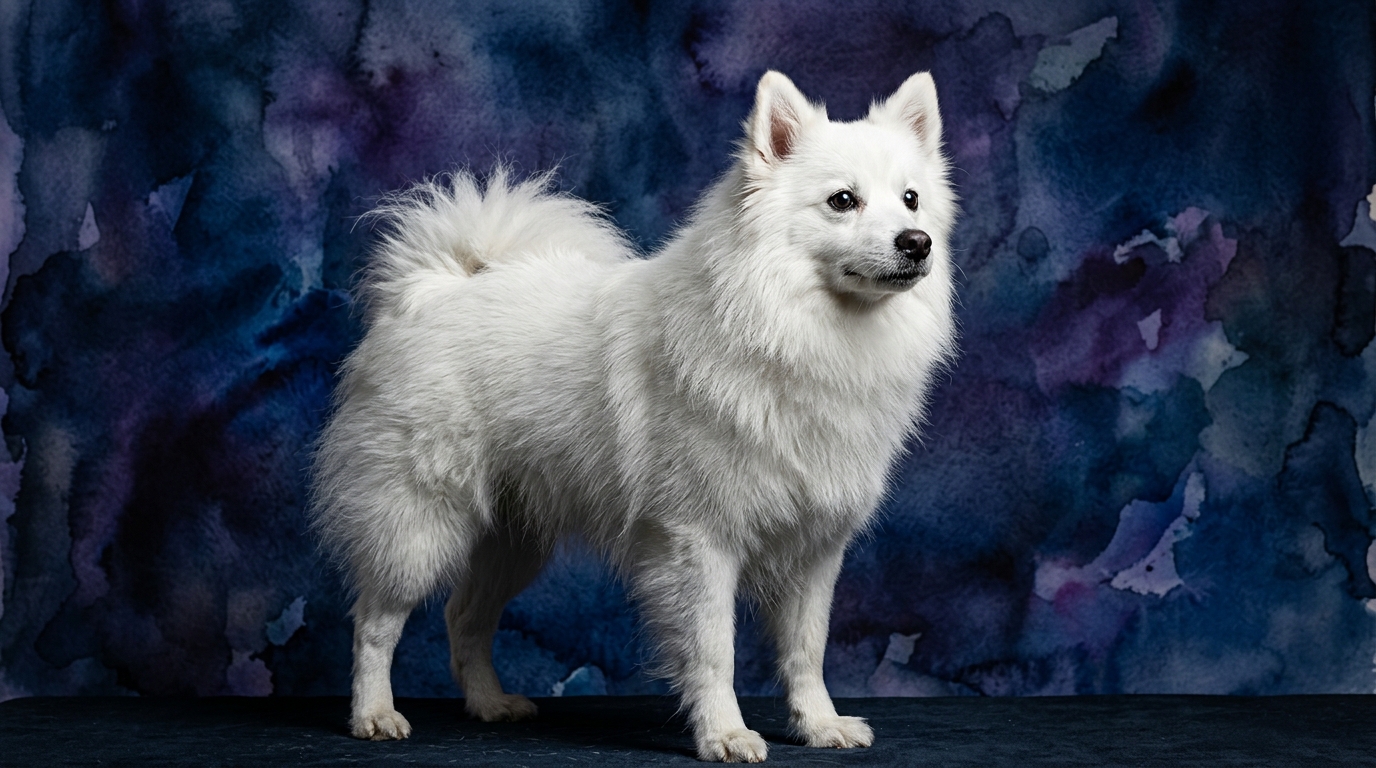
Side-by-Side IQ Profile: Nuances of Similar Scores
Both breeds register a Problem Solving score of 3/5, indicating a respectable ability to navigate novel situations. For the Komondor, this manifests as independent decision-making crucial for a livestock guardian, assessing threats and finding solutions to protect its flock without direct human guidance. The American Eskimo Dog applies its problem-solving to deciphering complex human routines, learning intricate tricks, or accessing desired objects in a home environment.
A Training Speed score of 3/5 suggests both breeds learn new commands at an average pace. The Komondor often requires significant patience and consistency due to its inherent independence and tendency to weigh command value against its own priorities. The American Eskimo Dog, eager to please and highly attuned to human interaction, typically absorbs new information readily, making training sessions productive for focused owners.
Both breeds possess a Social Intelligence rating of 3/5, yet their social focus diverges. The Komondor's social intelligence is honed for understanding flock dynamics, discerning members from intruders, and reading subtle cues from livestock or potential threats. The American Eskimo Dog excels at interpreting human emotions, understanding complex social structures within a family, and adapting its behavior to fit various social contexts, making it an empathetic companion.
With an Instinctive Drive of 3/5, both breeds exhibit strong inherent tendencies. The Komondor's drive is deeply rooted in its protective and territorial instincts, compelling it to guard its perceived charges with unwavering vigilance, often leading to a cautious approach with strangers. The American Eskimo Dog's drive centers on companionship and involvement, often expressed through alert barking and a desire to be at the center of family activities.
A Memory score of 3/5 for both indicates a reliable capacity to recall past experiences and learned information. Komondors remember specific threats, territory layout, and established routines, vital for effective guardianship over time. American Eskimo Dogs demonstrate memory through consistent recall of commands, faces, and intricate details of their daily human-centric schedule, often holding onto both positive and negative experiences.
Where Komondor Wins Cognitively
The Komondor's cognitive strength truly shines in its capacity for autonomous decision-making in high-stakes situations. Unlike breeds excelling at following direct orders, its mental architecture is designed for independent thought and action, crucial when a flock guardian must react to threats without human intervention. This breed possesses an intuitive understanding of its protective role, allowing it to assess complex environmental cues and formulate appropriate responses.
Its cognitive advantage also lies in its deep-seated territorial awareness and nuanced threat assessment. A Komondor doesn't just bark; it processes context, body language, and intent, deciding whether a presence is a genuine threat or merely an unfamiliar visitor. This intricate cognitive filtering enables it to be a highly discerning protector, making intelligent judgments about intervention.
Where American Eskimo Dog Wins Cognitively
The American Eskimo Dog demonstrates a distinct cognitive superiority in its remarkable adaptability to diverse human environments and its exceptional ability to integrate seamlessly into family life. This breed thrives on understanding and responding to human social dynamics, often anticipating owner needs or moods with surprising accuracy. Its intelligence is highly people-centric, making it adept at learning and performing tasks that strengthen the human-animal bond.
Its cognitive flexibility for learning diverse tasks and inherent eagerness to please give the American Eskimo Dog an edge in structured training and performance activities. While raw IQ scores match the Komondor, its motivation to collaborate and focus on human interaction make it a versatile and responsive student for complex obedience, agility, or trick training.
Which is Easier to Train and Why
The American Eskimo Dog generally presents a more straightforward training experience for the average owner. Their 3/5 training speed is amplified by a strong desire to please, making them highly motivated by praise, treats, and interactive play. They tend to be more focused on their handler, readily absorbing commands and enjoying the collaborative process, less likely to question instructions.
The Komondor, despite its identical 3/5 training speed, can be more challenging due to its deeply ingrained independent nature and guardian instincts. Bred to make its own decisions, it often evaluates commands based on its own assessment rather than simply obeying. Training requires immense patience, clear communication, and a profound understanding of its protective mindset, building a partnership rather than demanding blind obedience.
Which Suits Active Owners vs. Relaxed Owners
For genuinely active owners who enjoy engaging their dogs in regular, structured activities, the American Eskimo Dog is an excellent match. This breed possesses considerable energy and a keen mind that thrives on consistent mental stimulation and physical exercise. They excel in dog sports like agility, obedience, and rally, enjoying long walks, hikes, or vigorous play sessions with an eager and fulfilling companionship.
The Komondor, while not requiring constant high-speed running, is best suited for owners proactive in management, consistent in training, and deeply understanding of a guardian breed's needs. They require large, secure spaces and owners who provide clear leadership and structured socialization to channel protective instincts appropriately. A "relaxed" owner would likely find the Komondor's unique cognitive demands overwhelming.
The Verdict
Choose a Komondor if you seek an independent, discerning protector with a profound sense of duty, understanding that training will be a partnership built on mutual respect and consistency.
Opt for an American Eskimo Dog if you desire an adaptable, people-centric companion who thrives on interaction, enjoys learning, and will enthusiastically participate in a variety of family activities.
🧠 Find Your Pet's IQ Score
Our Pet IQ Lab assessment covers 25+ tests across 5 cognitive dimensions — personalized to your breed.
Take the Full IQ Test →Frequently Asked Questions
Do both breeds truly have the same problem-solving ability?
While both score 3/5, their problem-solving manifests differently. The Komondor applies it to autonomous threat assessment and flock protection, while the American Eskimo Dog uses it for navigating human environments and learning complex tasks.
Is a Komondor harder to train than an American Eskimo Dog despite similar training speed scores?
Yes, generally. The Komondor's strong independent drive and guardian instincts mean it often evaluates commands, requiring more patience and a different training approach than the American Eskimo Dog's eagerness to please.
Which breed is better for a first-time dog owner?
For most first-time owners, the American Eskimo Dog is a more manageable choice due to its social nature and higher trainability. The Komondor's unique cognitive profile and strong guardian instincts typically require an experienced owner.