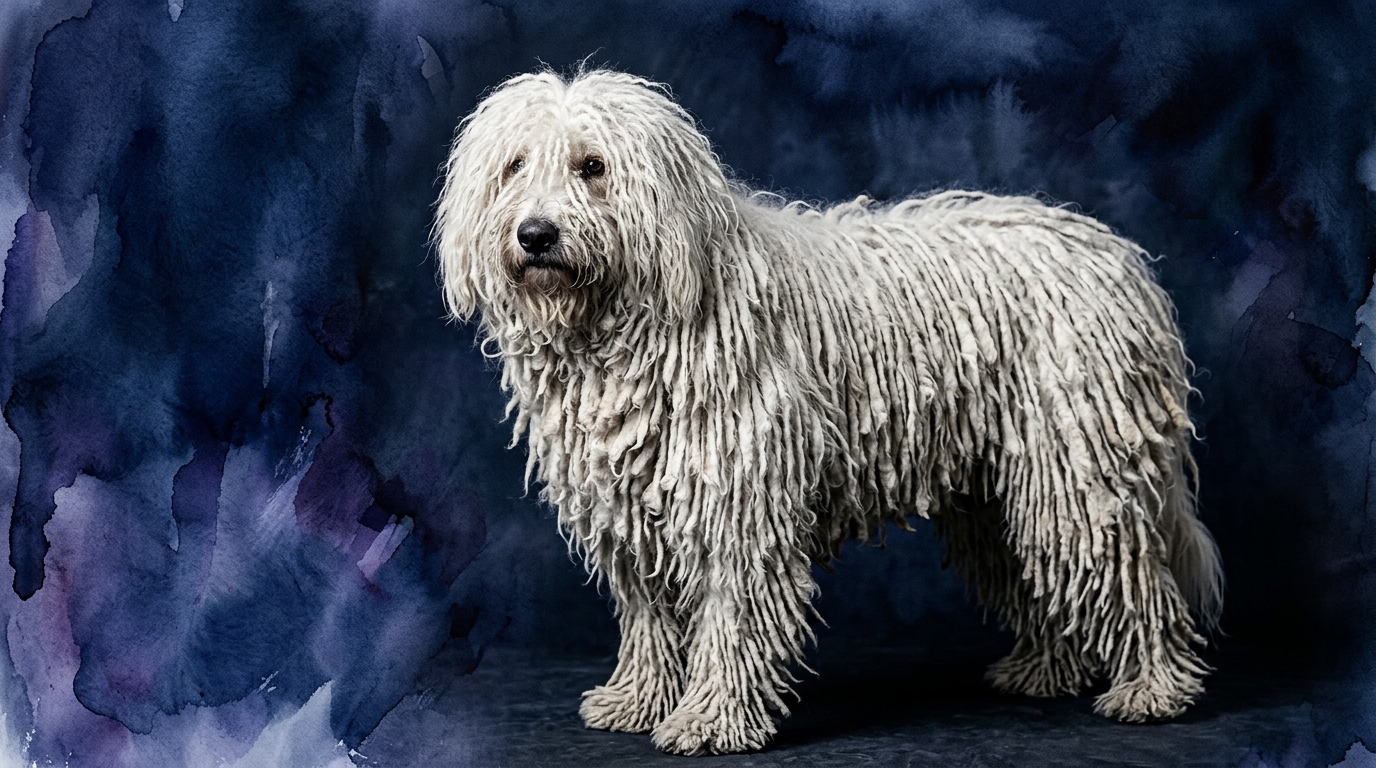
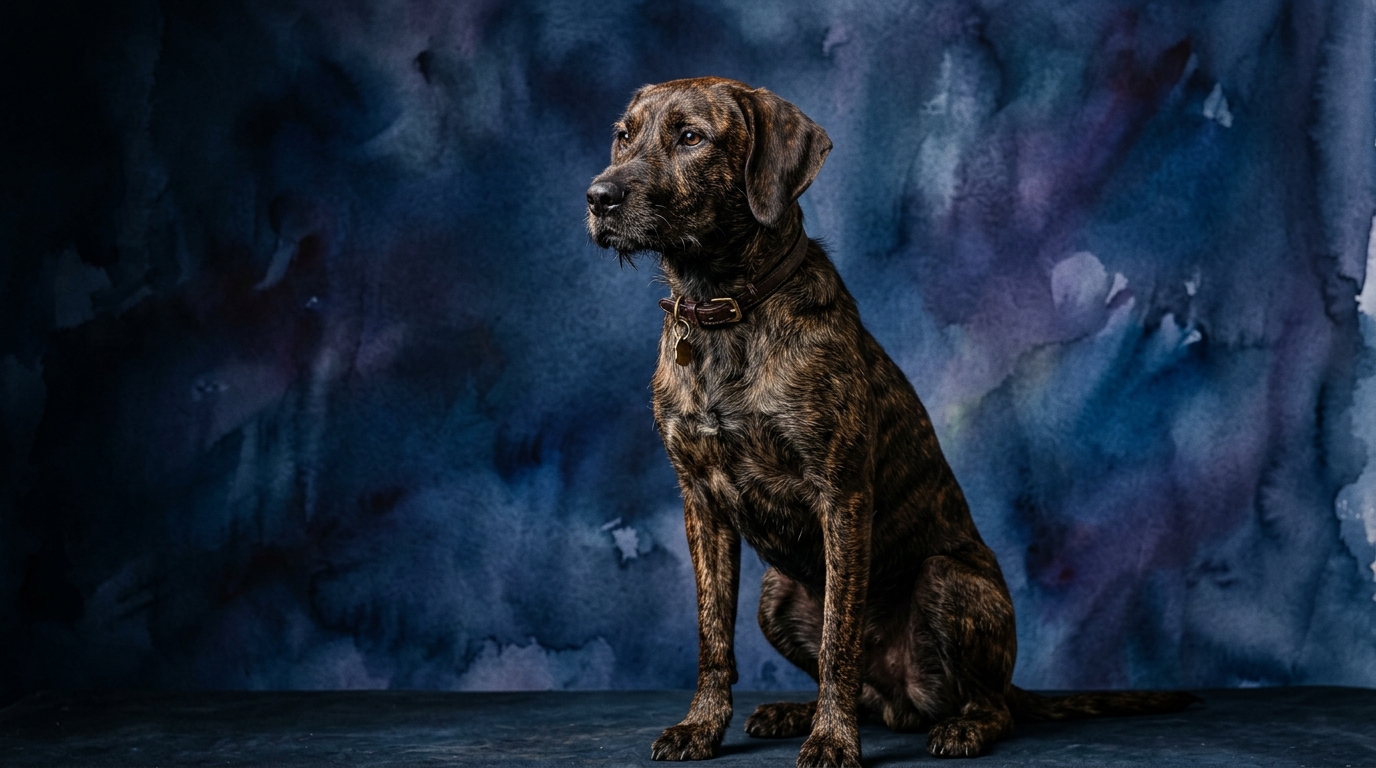
Side-by-Side IQ Profile: Komondor vs. Plott Hound
**Komondor (Working Group, Coren Rank #67):** Bred to independently assess and neutralize threats to their flock, Komondors demonstrate practical problem-solving. This isn't about solving puzzles but about strategic defense: evaluating intruder intent, positioning themselves effectively, and deciding when to intervene without human command. Komondors learn at a moderate pace, often weighing commands against their own strong judgment. Their independence means they require clear, consistent training that respects their self-reliant nature, rather than expecting rote obedience. Within their established "flock" (family), Komondors are perceptive, reading human emotions and intentions with sensitivity. However, their social intelligence also includes a critical assessment of strangers, maintaining a reserved and watchful demeanor crucial for their protective duties. The Komondor's primary drive is guardianship. This manifests as an innate, unwavering need to protect their territory and family, expressed through vigilance, patrolling, and a strong sense of responsibility. They possess a robust memory for routines, safe boundaries, and identifying individuals as friend or potential foe. This long-term recall is vital for consistently performing their guarding duties and recognizing patterns in their environment.
**Plott Hound (Hound Group, Not Coren-ranked):** Plott Hounds excel in field-specific problem-solving, navigating complex terrains and utilizing their keen senses to track and corner quarry. This involves intricate scent discrimination, adapting pursuit strategies, and overcoming obstacles in varied environments. Their training speed is moderate, often influenced by their powerful scent drive, which can override other stimuli. They learn quickly when tasks are engaging and align with their natural instincts, but consistent, patient reinforcement is key to overcoming distractions. Plott Hounds are typically amiable and responsive within their human "pack," demonstrating good cooperative skills. Their social intelligence is particularly evident in their ability to work effectively with other hounds and their human hunting partners, understanding pack dynamics. The dominant drive of the Plott Hound is scent-tracking and pursuit. This intense, innate compulsion guides their every outdoor activity, making them relentless and singularly focused when on a trail. They exhibit an excellent memory for intricate scent patterns, successful hunting locations, and the specific commands and cues from their human handlers. This recall is indispensable for their specialized work as a scent hound.
Where the Komondor Wins Cognitively
The Komondor's cognitive strengths distinctly align with their historical role as an independent livestock guardian. They demonstrate superior autonomous judgment in dynamic, unsupervised situations. Their ability to assess threats, make strategic defensive decisions, and maintain vigilance over vast territories without direct human instruction is a hallmark of their intellect. This involves a complex understanding of environmental cues, animal behavior, and the nuanced intentions of intruders. Furthermore, their capacity for long-term territorial mapping and identifying routine changes showcases a specialized form of spatial and contextual memory, allowing them to effectively manage and protect their domain. They possess a unique self-reliance, making them adept at navigating complex social and environmental landscapes on their own terms.
Where the Plott Hound Wins Cognitively
The Plott Hound's cognitive prowess is undeniably rooted in their specialized hunting heritage. Their exceptional olfactory problem-solving abilities are unparalleled, allowing them to process and interpret a myriad of scent data to follow intricate, often cold, trails across diverse terrains. This isn't just about sniffing; it's about discriminating between countless odors, filtering out irrelevant ones, and maintaining focus with incredible persistence. They excel at environmental navigation, using their senses to map out complex physical spaces in pursuit of quarry, demonstrating a specialized form of spatial reasoning tied directly to their scent work. Their tenacity and adaptability in the field, constantly adjusting their strategy based on scent information and terrain, highlight a sophisticated, instinct-driven form of intelligence geared towards sustained pursuit.
Training Dynamics: Komondor vs. Plott Hound
Neither the Komondor nor the Plott Hound are typically described as "easy" to train in the conventional sense, but for different reasons rooted in their core behavioral drives. The Komondor's independent thinking and self-reliance, honed over centuries of making their own decisions in the absence of human oversight, mean they often question commands. They need a handler who can establish clear, consistent leadership and demonstrate the *purpose* or *benefit* of a command, rather than expecting unquestioning compliance. Their guarding instincts, while powerful, can make them less pliable for traditional obedience, as their priority is often protection over arbitrary human requests.
The Plott Hound, conversely, presents training challenges due to their overwhelming focus on scent. Once their nose is engaged, the world around them, including their human handler, can become secondary. Their strong prey drive and single-minded pursuit of a trail require immense patience, high-value rewards, and extensive training in distraction-rich environments to achieve reliable recall or leash manners. While they possess an eagerness to please a respected handler, their powerful instincts demand an owner who can channel these drives effectively, making off-leash reliability a significant, often lifelong, training endeavor. Therefore, for an owner seeking a dog that readily conforms to a wide range of commands, both breeds present unique obstacles, but the Komondor's challenge lies in its independent mind, and the Plott Hound's in its all-consuming nose.
Lifestyle Fit: Active vs. Relaxed Owners
When considering lifestyle fit, these two breeds diverge significantly. The Komondor, while not requiring the relentless physical output of a high-drive herding dog, is certainly not suited for a purely relaxed owner. They need ample space to patrol, a clear understanding of their territory, and mental stimulation to satisfy their innate guarding instincts. Owners must be prepared to manage a dog with a strong protective drive, providing consistent leadership and appropriate outlets for their vigilance. While their exercise needs are moderate, they require an owner who comprehends their independent nature and can provide a structured environment that allows them to fulfill their inherent purpose. A relaxed owner expecting a passive companion might find the Komondor's self-possessed nature and territorial instincts overwhelming.
The Plott Hound, on the other hand, is unequivocally a dog for active owners. Their heritage as tenacious hunting dogs means they possess significant energy reserves and a powerful need for physical and mental exertion. They thrive on long hikes, runs, and, ideally, opportunities for scent work or tracking. A relaxed owner who cannot provide several hours of vigorous activity daily will likely encounter a bored, restless Plott Hound, which can manifest as destructive behaviors, excessive barking, or an inability to settle. Their strong instinctive drives demand an owner who enjoys an active outdoor lifestyle and is committed to channeling their boundless energy and keen senses into appropriate activities.
The Verdict
If you are seeking an independent, self-reliant guardian for your family or property, appreciate a dog that thinks for itself, and are prepared to manage a strong protective instinct with consistent, understanding leadership, the Komondor is an excellent choice.
If you're an avid outdoors person who enjoys active pursuits like hiking or scent work, and are prepared for a persistent, energetic companion whose powerful nose dictates much of its world, then the Plott Hound will be a rewarding partner.
🧠 Find Your Pet's IQ Score
Our Pet IQ Lab assessment covers 25+ tests across 5 cognitive dimensions — personalized to your breed.
Take the Full IQ Test →Frequently Asked Questions
Do Komondors make good family pets despite their guarding instincts?
Yes, with proper socialization from a young age, Komondors can be devoted and gentle family members. They are protective of their human "flock" but may be wary of strangers, requiring careful introductions and management in social settings.
How do Plott Hounds perform in urban environments?
Plott Hounds can adapt to urban living if their significant exercise and mental stimulation needs are met daily. However, their powerful scent drive means secure leashing is paramount, and they thrive best with access to open spaces where they can safely explore scents.
Given their similar IQ scores, how do I decide between a Komondor and a Plott Hound?
While their numerical IQ scores are similar, their cognitive strengths manifest in vastly different ways, aligning with their historical roles. The decision hinges on whether you need an independent, watchful guardian (Komondor) or an energetic, scent-driven companion for active outdoor pursuits (Plott Hound).