Side-by-side IQ profile
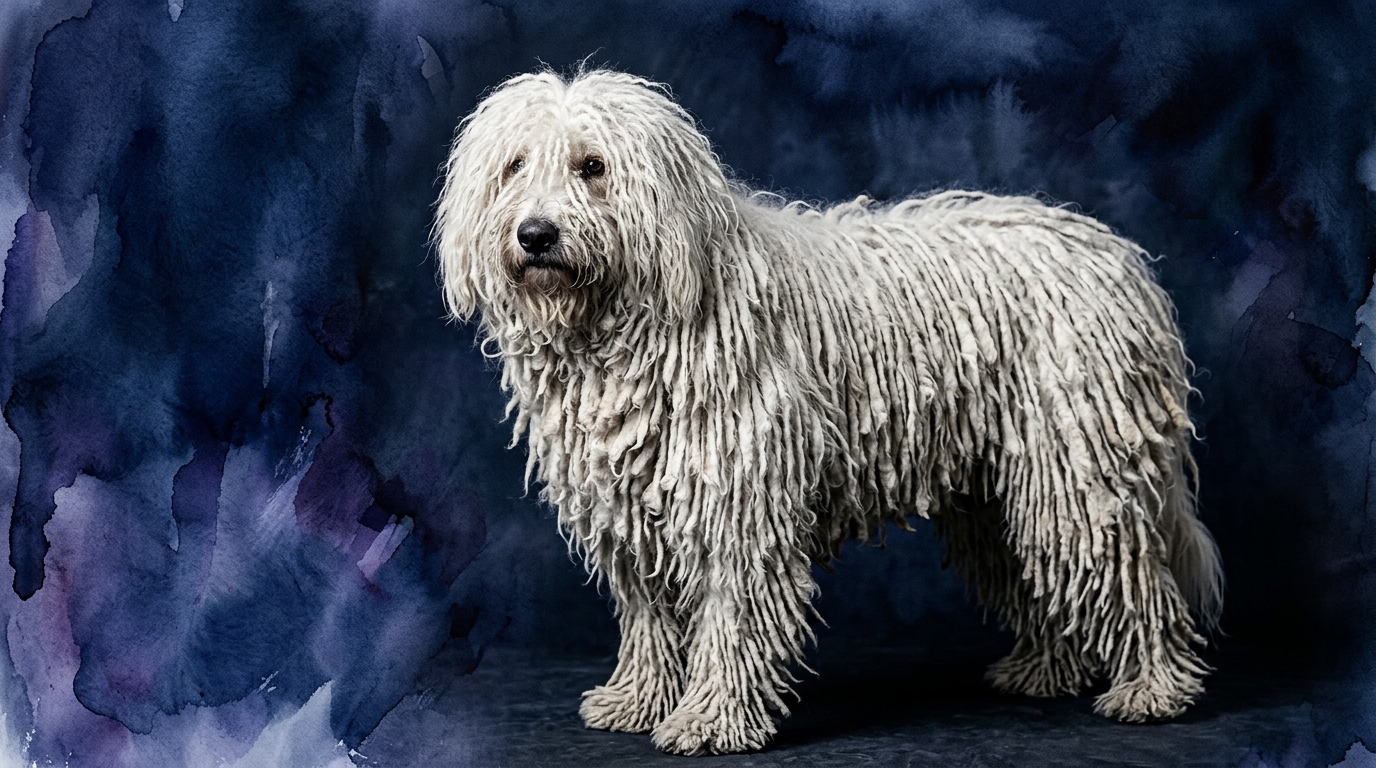
Komondor (Working Group, Coren Rank #67): The Komondor's intelligence profile reflects its ancient role as an autonomous livestock guardian. Its Problem Solving is rated 3/5, indicating an ability to handle situations independently but perhaps less inclined towards human-directed puzzles or rapid strategic shifts. Training Speed is also 3/5, suggesting a need for patience and consistent, clear commands, as their inherent independence often takes precedence over eager compliance. Social Intelligence, at 3/5, speaks to a discerning nature; they form deep bonds with their family but can be reserved or wary with strangers, a valuable trait for a protector. Instinctive Drive, 3/5, is primarily channeled into guarding and territorial defense. Memory, 3/5, is robust enough for remembering its flock, territory, and key family members, but perhaps not for complex, multi-step routines.
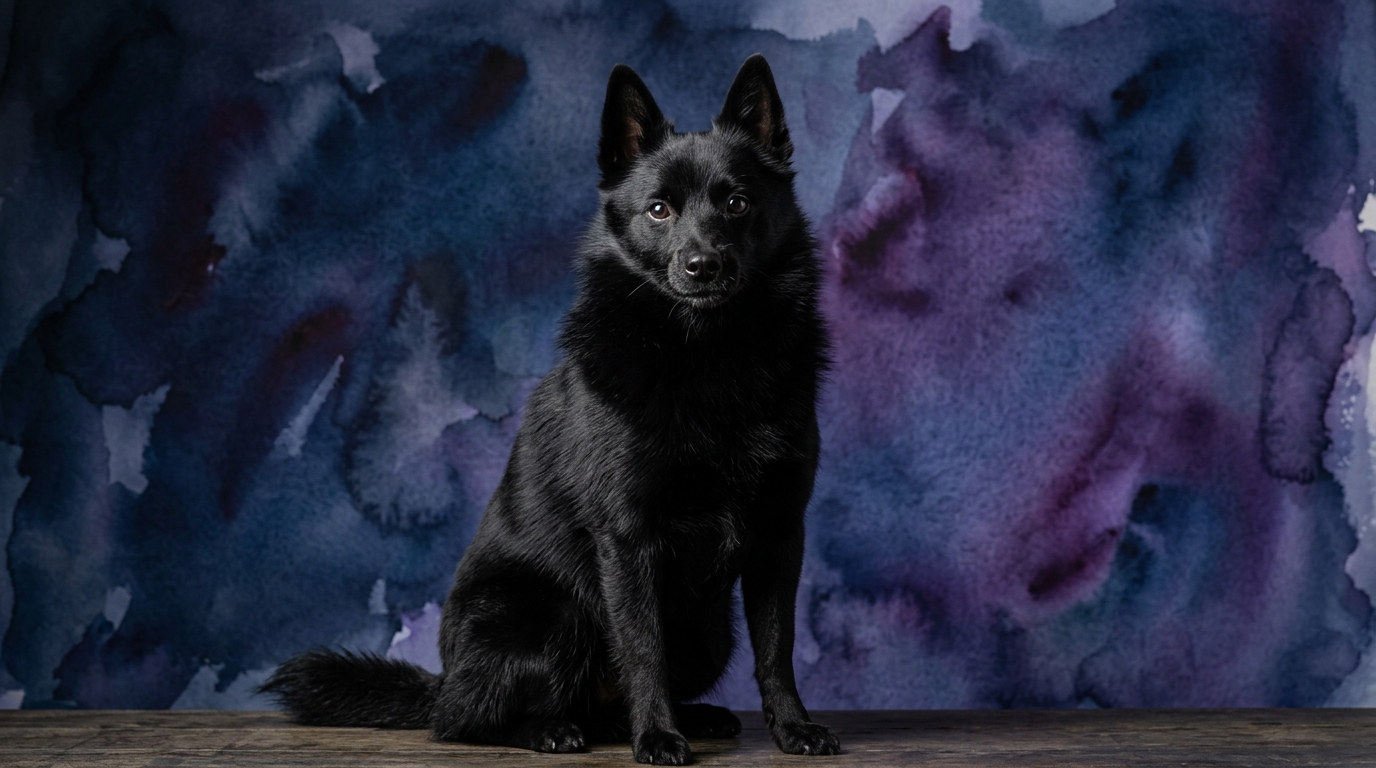
Schipperke (Non-Sporting Group, Coren Rank #15): In stark contrast, the Schipperke presents a profile of agile mental acuity. A striking 5/5 in Problem Solving highlights their resourcefulness and ability to quickly figure out novel situations, often with minimal human guidance. Their Training Speed, also 5/5, means they grasp new commands and concepts with remarkable swiftness, thriving on mental challenges and variety. Social Intelligence, 3/5, suggests an engaging personality within their trusted circle, though they can exhibit a confident, sometimes aloof, demeanor with outsiders or other dogs. Instinctive Drive, 3/5, is expressed through their historical roles as ratters and watchdogs, manifesting as curiosity and a tenacious spirit. Their Memory, a perfect 5/5, allows them to retain extensive repertoires of commands and complex sequences, making them formidable in obedience and agility sports.
Where Komondor wins cognitively
The Komondor's cognitive strengths are deeply rooted in its purpose: autonomous, steadfast guardianship. While its scores may appear moderate compared to the Schipperke's, the Komondor excels in a unique dimension of problem-solving—that of sustained vigilance and independent decision-making in the absence of direct human command. A Komondor's 3/5 Problem Solving isn't about solving human puzzles, but about assessing threats to its flock, determining appropriate responses, and maintaining a watchful presence for extended periods without succumbing to boredom or distraction. This requires a profound cognitive stamina and a specific form of contextual intelligence.
Its 3/5 Social Intelligence is not a deficit, but a finely tuned filter, allowing it to differentiate between harmless visitors and genuine threats, a critical cognitive function for its protective role. This discerning nature, coupled with a memory that reliably tracks its charges and territory, makes it an unparalleled specialist in self-reliant protection. The Komondor's cognitive architecture is optimized for a self-sufficient, protective role, valuing independent judgment over immediate compliance.
Where Schipperke wins cognitively
The Schipperke's cognitive profile showcases a breed built for rapid learning, adaptability, and intricate engagement. Its perfect 5/5 scores in Problem Solving, Training Speed, and Memory indicate an exceptional capacity for acquiring and retaining complex information. This breed demonstrates a cognitive eagerness to understand and manipulate its environment, often figuring out how to open cabinets or navigate obstacles with surprising ingenuity.
Their superior training speed means they can master a vast array of commands and tricks faster than many other breeds, making them a joy for owners who relish teaching new behaviors. The Schipperke's memory allows them to recall these complex sequences flawlessly, enabling them to excel in performance sports requiring precision and a broad skill set. This combination of quick wit, rapid assimilation, and robust recall makes the Schipperke a cognitive powerhouse for interactive and structured learning environments, far surpassing the Komondor in these specific metrics.
Which is easier to train and why
Based on their respective IQ profiles, the Schipperke is demonstrably easier to train for most typical obedience and performance tasks. Its 5/5 Training Speed means it picks up new commands and concepts almost immediately, often requiring fewer repetitions than other breeds. This rapid assimilation, coupled with a 5/5 Memory, ensures that once a behavior is learned, it is retained effectively and reliably recalled. Schipperkes typically enjoy the mental engagement of training and are often motivated by praise and rewards, displaying an eagerness to interact and perform.
The Komondor, with a 3/5 Training Speed and Memory, presents a different training dynamic. Its historical role fostered independence, meaning it was bred to make decisions on its own rather than constantly seeking human direction. This translates into a strong-willed temperament that requires immense patience, consistency, and a deep understanding of its guardian instincts. While capable of learning, the Komondor often needs more repetitions and may not perceive every command as immediately relevant to its primary purpose. Training a Komondor is less about rapid acquisition of tricks and more about establishing a clear, respectful partnership that leverages its innate protective drives rather than trying to suppress them.
Which suits active owners vs relaxed owners
The choice between a Komondor and a Schipperke largely depends on an owner's lifestyle and their desired level of interactive engagement. The Schipperke is an excellent match for active owners who thrive on mental stimulation and enjoy participating in various dog sports or complex training regimens. Their high problem-solving ability, rapid learning, and excellent memory make them ideal companions for activities like agility, obedience, rally, or even trick training. These owners are often prepared to channel the Schipperke's energetic and curious nature into productive outlets, preventing boredom-induced mischief. They are not content with simple walks but seek to engage their dog's keen intellect daily.
Conversely, the Komondor is suited for owners who appreciate a dog's independent nature and are prepared to provide a specific kind of "active" environment, though not necessarily one filled with competitive dog sports. These are owners who value a watchful, loyal guardian and understand that a Komondor's mental activity is often expressed through observation, territory patrolling, and assessing its surroundings. While they still require regular exercise and socialization, their cognitive needs are met more by having a "job" – even if that job is simply guarding their family and property – rather than constant, intricate commands. They are for owners who can provide space, clear boundaries, and consistent, calm leadership, appreciating a dog that thinks for itself within its guardian role, rather than one that demands constant interactive mental challenges. "Relaxed" in this context refers to an owner who is not seeking a dog for competitive obedience, but rather a steadfast, self-reliant companion.
The Verdict
Choose a Komondor if you seek an independent, steadfast guardian with a profound sense of purpose, valuing its autonomous decision-making in protecting its domain and family. Be prepared for a training journey focused on patience and understanding its deep-seated instincts.
Opt for a Schipperke if you desire a quick-witted, highly trainable companion eager for mental challenges, excelling in performance sports and thriving on consistent, varied interactive engagement. This breed will reward an owner who enjoys teaching complex tasks and fostering a mentally active lifestyle.
🧠 Find Your Pet's IQ Score
Our Pet IQ Lab assessment covers 25+ tests across 5 cognitive dimensions — personalized to your breed.
Take the Full IQ Test →Frequently Asked Questions
Which breed is better for first-time dog owners?
The Schipperke, with its high training speed and memory, is generally more adaptable and forgiving for first-time owners willing to engage its active mind. The Komondor's strong independent streak and specific guardian instincts require experienced handling and a deep understanding of its breed-specific needs.
Do Komondors need a lot of mental stimulation despite their moderate IQ scores?
Komondors require mental stimulation, but it differs from breeds like the Schipperke. Their stimulation comes from fulfilling their guardian role, observing their territory, and assessing environmental changes, rather than constant interactive games or complex obedience routines. Providing a secure environment where they can 'work' is key.
Are Schipperkes prone to certain behavioral issues related to their high intelligence?
Schipperkes, due to their high problem-solving and instinctive drive, can become bored or destructive if not adequately mentally stimulated. Their tenacity and quick wit might also lead to 'clever' mischief if their intelligence isn't positively channeled, making consistent training and engagement crucial to prevent undesirable behaviors.