Side-by-Side Cognitive Profile
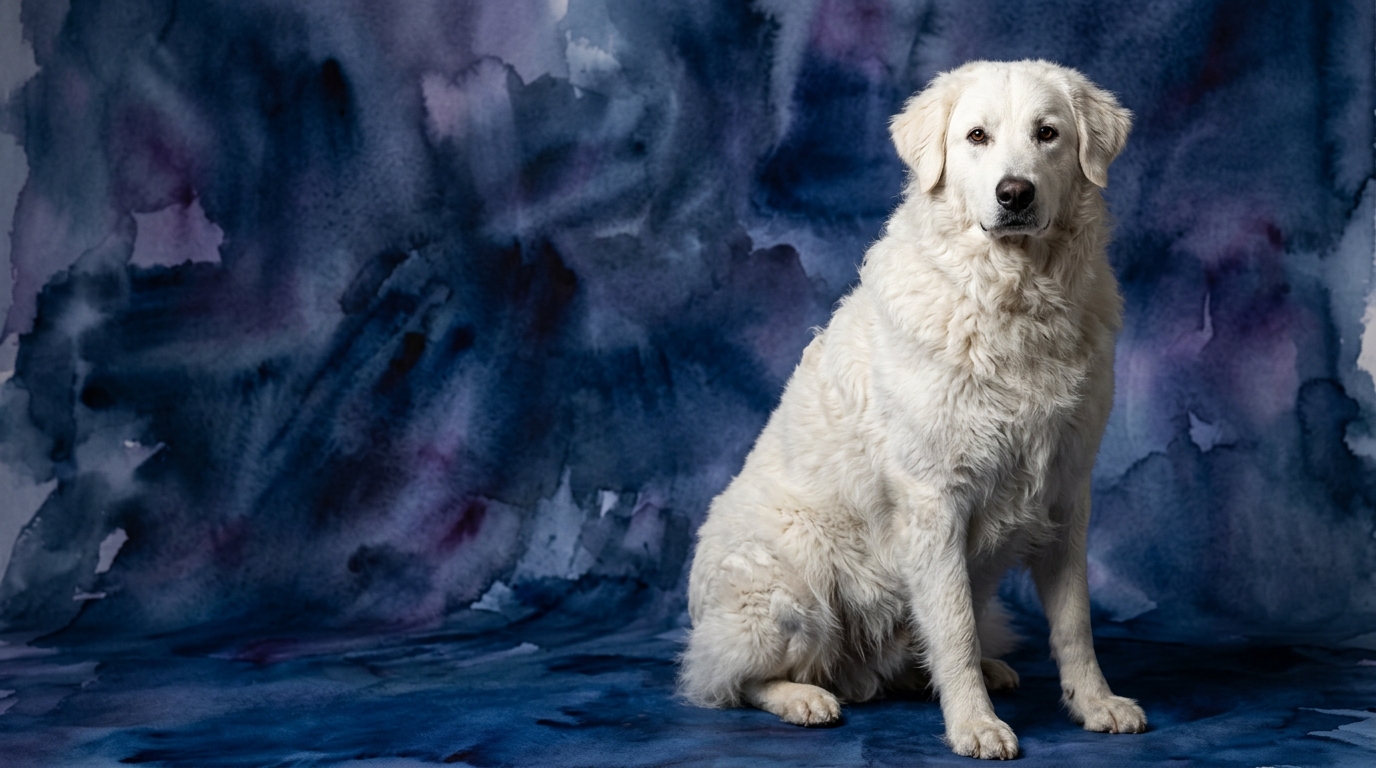
The Kuvasz, a formidable working breed, demonstrates a nuanced cognitive framework. Their Problem Solving is rated 3/5, reflecting their capacity for independent judgment in guarding scenarios, assessing threats and devising protective strategies rather than relying solely on human direction. Training Speed, also 3/5, indicates they are capable learners but require motivation beyond simple repetition, often needing to understand the 'why' behind a command. Social Intelligence at 3/5 means they form profound bonds with their family unit, yet maintain a reserved or watchful demeanor towards outsiders, aligning with their guardian role. Their Instinctive Drive, rated 3/5, is heavily rooted in their protective urges, driving vigilance and territorial awareness. Crucially, their Memory shines at 4/5, allowing them to retain detailed information about their environment, routines, and the individuals within their care over long periods.
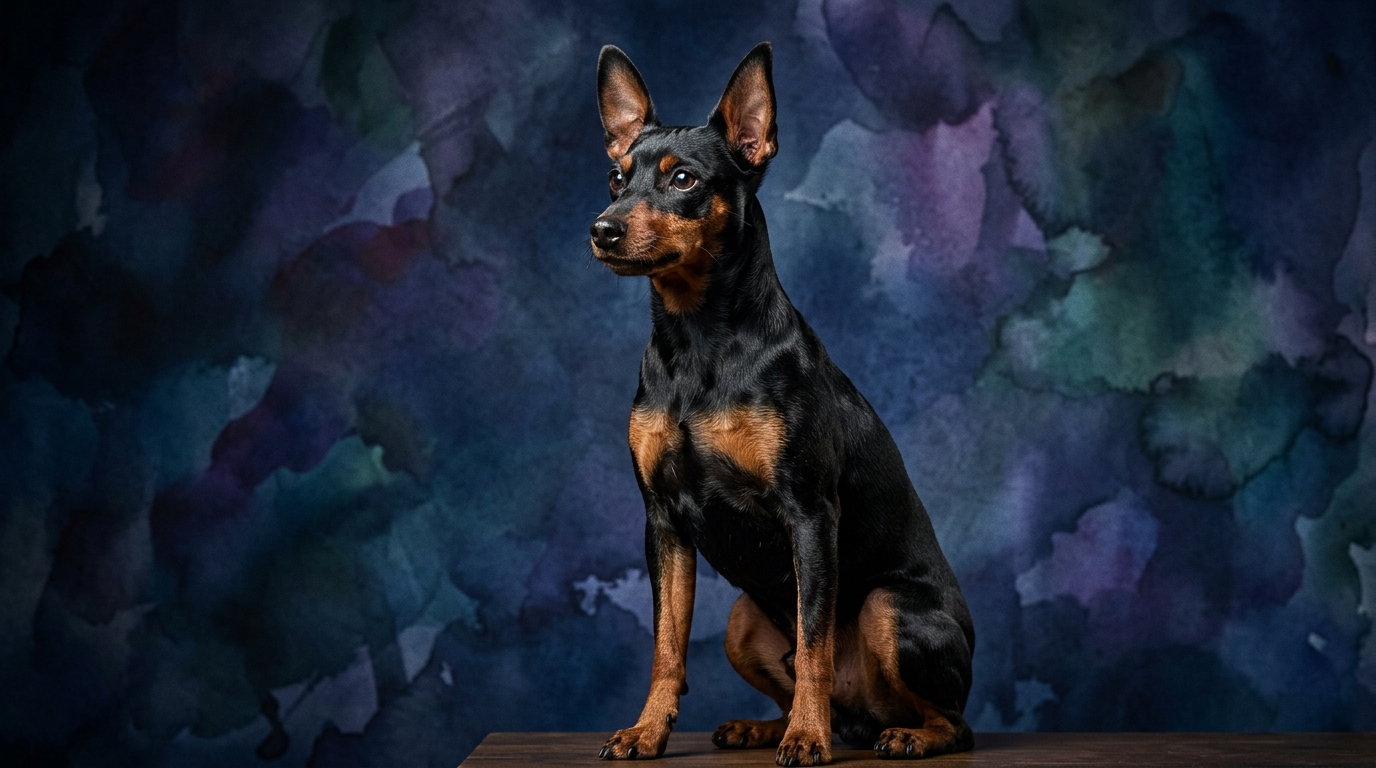
In contrast, the Miniature Pinscher, a spirited Toy breed, showcases a different but equally engaging cognitive setup. Their Problem Solving, also 3/5, manifests as a resourceful and often clever approach to navigating their immediate world, finding ways to achieve their desires, sometimes through playful manipulation. Training Speed, again 3/5, suggests they pick up commands readily, but their bold and independent streak can lead to selective hearing if not consistently engaged and motivated. Social Intelligence at 3/5 highlights their confident and often assertive interactions, forming strong attachments but also asserting their presence with other dogs or strangers. Their Instinctive Drive, 3/5, is characterized by a strong prey drive and an alert, "watchdog" mentality, despite their small stature. Their Memory, rated 3/5, is sufficient for remembering routines and past experiences, though perhaps not with the same depth of detail as their larger counterpart.
Where the Kuvasz Excels Cognitively
The Kuvasz primarily distinguishes itself through its superior Memory, scoring 4/5 compared to the Miniature Pinscher's 3/5. This enhanced recall is not merely about remembering commands; it's fundamental to their historical role as independent livestock guardians. A Kuvasz can vividly recall the intricate layout of their territory, the habits of their flock, and the specific characteristics of individuals, both familiar and potentially threatening. This detailed memory allows them to build a comprehensive mental map of their world, enabling them to make informed, often autonomous, decisions crucial for protection. They remember patterns, past interactions, and the nuances of their environment with remarkable fidelity, contributing to their reliability as a sentinel.
Furthermore, while both breeds share a 3/5 in Problem Solving, the nature of this problem-solving differs. The Kuvasz's cognitive strength lies in its ability to independently assess and respond to complex, evolving threats over a large area, a reflection of its Coren ranking (#42). This isn't just about figuring out how to open a treat jar; it involves strategic evaluation of potential dangers and the implementation of protective measures without constant human oversight. Their cognitive framework is geared towards long-term vigilance and calculated responses, often weighing multiple factors to maintain the safety of their charge.
Where the Miniature Pinscher Shows Unique Cognitive Strengths
While the Miniature Pinscher's IQ scores are generally on par with or slightly below the Kuvasz, their cognitive strengths manifest in distinct ways, particularly in their Problem Solving (3/5) and Social Intelligence (3/5) within a domestic context. Their smaller size and quick movements often necessitate a more agile and opportunistic approach to navigating their environment. This means they are incredibly resourceful in figuring out how to get what they want within a household setting, whether it's outsmarting a baby gate or charming their way onto the sofa. This isn't about grand strategic thinking, but rather a rapid, adaptable, and often clever cognitive process tailored to immediate gains.
Their Social Intelligence, while rated the same, often involves a bolder, more assertive engagement with their human family and environment. Miniature Pinschers are masters of reading human cues and using their confident personality to their advantage, often demonstrating a nimble social cognition to manipulate situations. They excel at quickly assessing social dynamics and inserting themselves where they feel they belong, sometimes with a touch of theatrical flair. This unique blend of quick-wittedness and social assertiveness allows them to thrive as confident companions, always ready to engage with their world on their own terms.
Which is Easier to Train and Why
Both the Kuvasz and the Miniature Pinscher share a 3/5 rating for Training Speed, indicating that neither breed is inherently "easy" nor "difficult" in the traditional sense, but rather requires a specific approach tailored to their inherent nature. The Kuvasz, with its strong independent streak and history as a self-sufficient guardian, approaches training with a questioning mind. They are not dogs that offer blind obedience; instead, they need to understand the purpose and value of a command. Training a Kuvasz requires immense patience, consistency, and a deep respect for their intelligence and autonomy. Owners must build a strong, trusting relationship, demonstrating leadership not through force, but through clear, consistent communication and by showing the practical benefits of cooperation. Their social intelligence means they bond deeply, but won't be easily coerced into tasks they deem unnecessary.
The Miniature Pinscher, while equally rated in training speed, presents a different set of challenges. Their spirited, often stubborn personality, combined with a strong prey drive and confident assertiveness, means they can learn commands quickly but may choose to ignore them if something more interesting captures their attention. Training a Min Pin demands an engaging, highly motivating approach using positive reinforcement to keep their focus. Their problem-solving skills might be employed to cleverly bypass rules or test boundaries, necessitating unwavering consistency and clear expectations from their owner. While they are quick to grasp concepts, their independent nature means an owner must be prepared to consistently reinforce desired behaviors and manage their bold temperament. The key for both breeds lies in understanding their intrinsic motivations and adapting training methods accordingly.
Which Suits Active Owners vs. Relaxed Owners
The Kuvasz, a working breed, thrives with owners who can provide purposeful activity rather than merely high-intensity physical exercise. Their instinctive drive (3/5) is deeply rooted in their guarding heritage, meaning they require a 'job'—even if it's patrolling a secure yard, observing their surroundings, and being a vigilant presence for their family. They need mental stimulation that caters to their independent problem-solving and keen memory, such as advanced obedience, scent work, or simply having a clear role within the household. A relaxed owner who neglects their need for purpose and mental engagement might find a bored Kuvasz resorting to independent, and potentially destructive, behaviors. They are not content to be solely couch potatoes; their contentment comes from feeling useful and secure in their role.
Conversely, the Miniature Pinscher, despite its toy breed classification, is a surprisingly energetic and spirited dog. They are best suited for active owners who can provide consistent outlets for their abundant energy, strong prey drive, and bold personality. Regular, brisk walks, interactive play sessions, and engaging mental challenges are crucial to prevent boredom and channeling their assertiveness positively. While they can adapt to smaller living spaces, their need for physical and mental stimulation remains high. A relaxed owner who doesn't meet these needs might find their Min Pin becoming overly vocal, destructive, or exhibiting 'bossy' behaviors. Both breeds demand an active and engaged owner, but the nature of that activity differs significantly: the Kuvasz requires purposeful, mentally stimulating work, while the Min Pin needs vigorous, consistent physical and mental outlets for their boundless spirit.
The Verdict
Choose the Kuvasz if you seek a deeply loyal, independent guardian with exceptional memory, prepared to commit to patient, understanding training that respects their autonomous nature and provides a purposeful role.
Opt for the Miniature Pinscher if you desire an energetic, bold companion with quick wits, and are ready to provide consistent, engaging training and ample physical and mental stimulation for their spirited personality.
🧠 Find Your Pet's IQ Score
Our Pet IQ Lab assessment covers 25+ tests across 5 cognitive dimensions — personalized to your breed.
Take the Full IQ Test →Frequently Asked Questions
Is the Kuvasz a good family dog?
Yes, the Kuvasz can be an exceptionally loyal and devoted family dog, forming deep bonds with its immediate household members. However, their strong protective instincts and independent nature mean they require early socialization and consistent training to ensure they are well-adjusted and safe around guests and children.
Do Miniature Pinschers bark a lot?
Miniature Pinschers are known for being vigilant and can be quite vocal, often barking to alert their owners to anything they perceive as unusual or threatening. Consistent training and early socialization can help manage excessive barking, but their natural 'watchdog' instinct is a significant part of their personality.
Which breed is better with children?
The Kuvasz, when properly socialized and trained, can be a protective and patient guardian for children within its family. The Miniature Pinscher, while playful, can be less tolerant of rough play and might be better suited for families with older, respectful children due to their assertive nature and smaller size.