Side-by-Side Cognitive Profile: Kuvasz vs. Norwegian Elkhound
The Cosmic Pet Pet IQ Lab assesses canine cognition across five crucial dimensions: Problem Solving, Training Speed, Social Intelligence, Instinctive Drive, and Memory. Analyzing the Kuvasz and Norwegian Elkhound through this lens illuminates their distinct cognitive architectures, rooted in their breed histories and purposes.
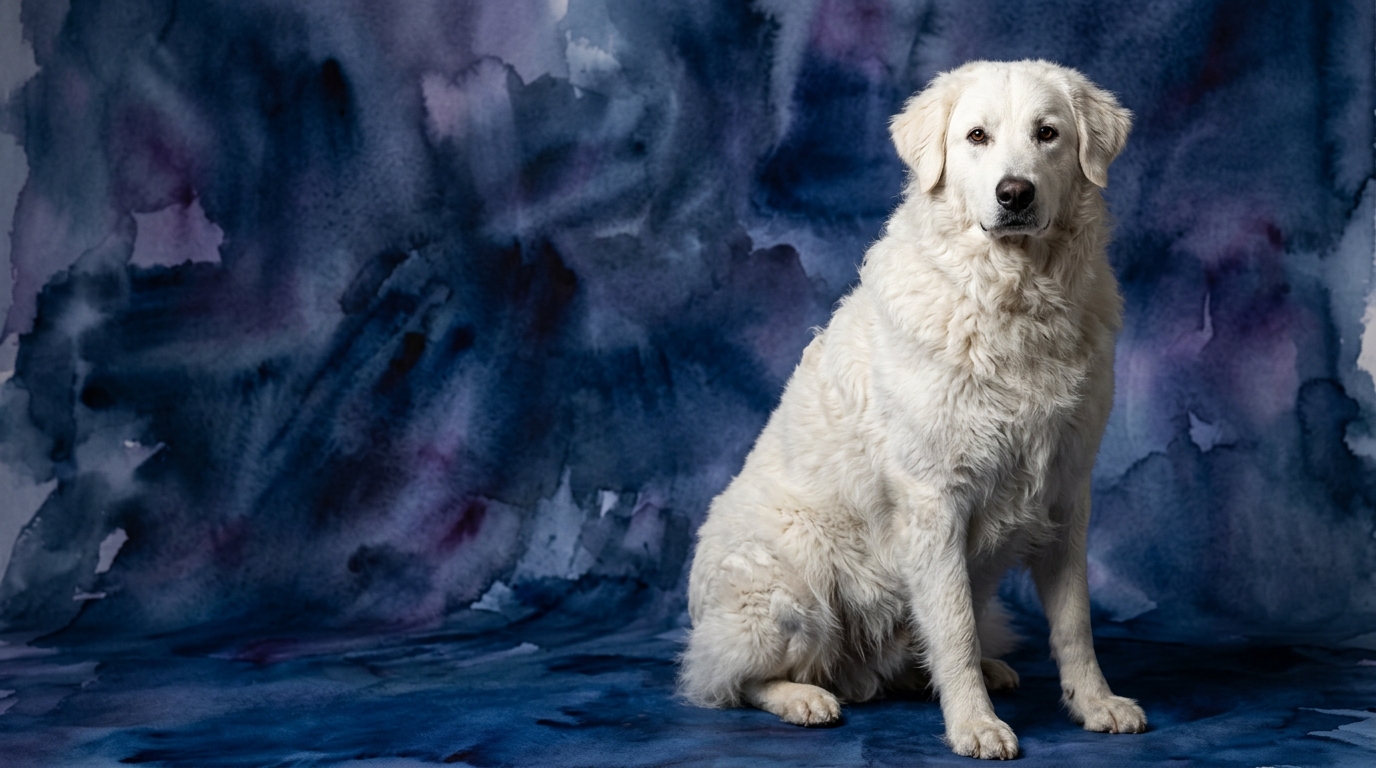
The Kuvasz, a Working breed ranked #42 by Coren, presents a cognitive profile shaped by centuries of independent guardianship. Their Problem Solving is rated 3/5, indicating an ability to find solutions often stemming from their innate protective responses rather than abstract reasoning. Training Speed is 3/5, reflecting their capacity to learn but also their independent nature, which can lead to selective compliance. Social Intelligence stands at 3/5; they understand their immediate 'flock' but maintain a cautious distance from strangers, a valuable trait for their role. Their Instinctive Drive is 3/5, predominantly manifesting as territorial vigilance and protection. Finally, their Memory is strong at 4/5, crucial for recognizing familiar individuals and environmental threats over extended periods.
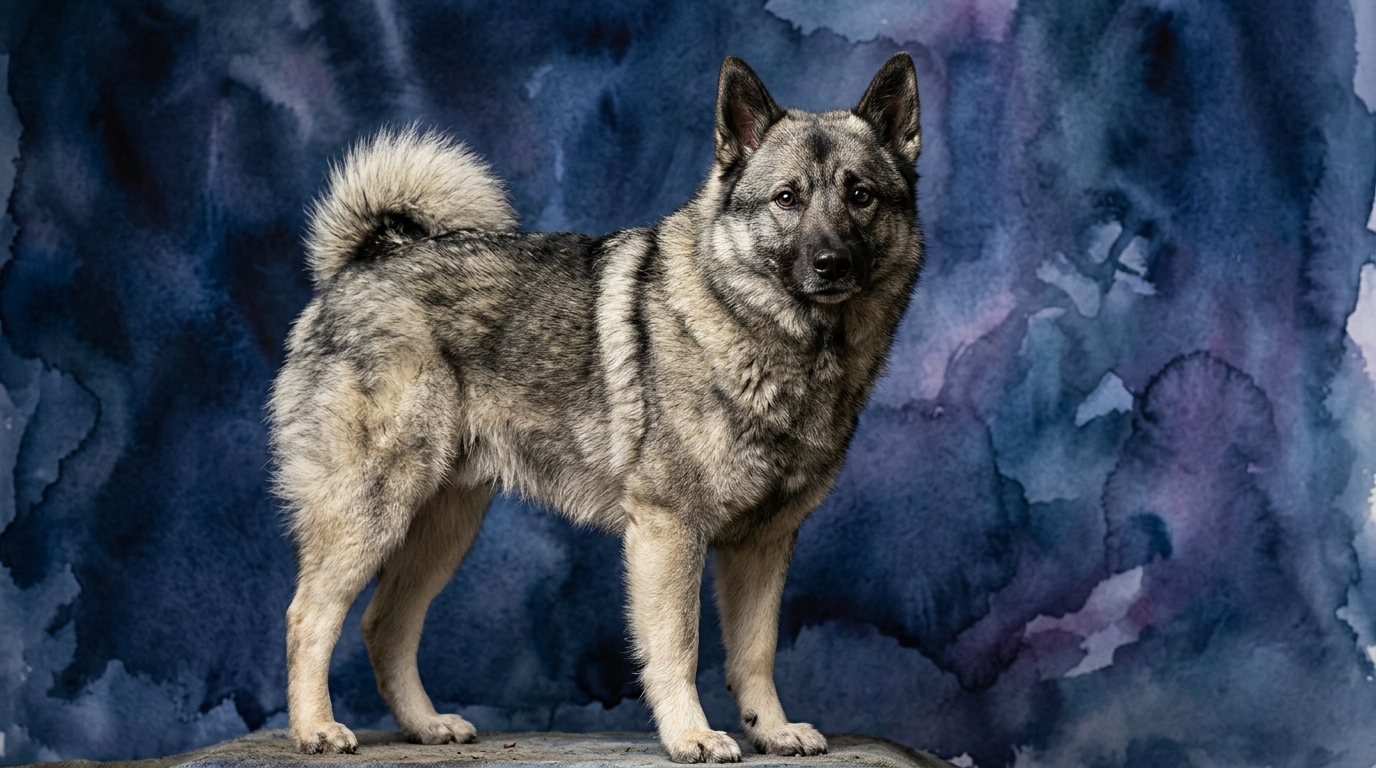
In contrast, the Norwegian Elkhound, a Hound breed ranked #36 by Coren, demonstrates a different set of mental aptitudes, honed for tracking and endurance in challenging terrain. Their Problem Solving scores 4/5, indicating a more robust ability to strategize and adapt to environmental obstacles, often related to their hunting pursuits. Training Speed is also higher at 4/5, suggesting a quicker grasp of commands and a greater eagerness to engage in structured learning, though their hound independence remains a factor. Social Intelligence is 3/5, allowing them to integrate well within their family, but they may exhibit a characteristic hound aloofness. Their Instinctive Drive is 3/5, primarily driven by a powerful prey drive and an urge to track. Like the Kuvasz, their Memory is 4/5, essential for recalling scents, routes, and learned hunting behaviors.
Where the Kuvasz Exhibits Unique Cognitive Strengths
While both breeds possess a commendable 4/5 memory score, the Kuvasz's memory is specifically tailored to its role as a livestock guardian. This breed excels in long-term spatial memory, meticulously recalling the layout of its territory, the locations of perceived safe zones, and the individuals within its guarded domain. Their memory is also acutely attuned to subtle environmental changes or shifts in the behavior of their 'flock,' allowing them to identify potential threats. Furthermore, their 3/5 problem-solving ability, though numerically lower, is highly effective in real-world, dynamic situations where protective instincts are paramount. Kuvasz dogs are adept at assessing and responding to perceived dangers without direct human instruction, demonstrating a practical, independent form of cognition that has been invaluable in their traditional role for centuries.
Where the Norwegian Elkhound Demonstrates Cognitive Advantages
The Norwegian Elkhound holds a distinct cognitive edge over the Kuvasz in both problem-solving (4/5 versus 3/5) and training speed (4/5 versus 3/5). Their superior problem-solving acuity often manifests in their ability to methodically track and corner game, requiring strategic thinking and adaptability across varied terrains and conditions. This indicates a more pronounced capacity to devise novel solutions to environmental puzzles or training challenges. The Elkhound's higher training speed reflects a quicker understanding of new cues and a greater intrinsic motivation to perform learned tasks, making them generally more responsive to formal instruction. This cognitive advantage allows them to pick up complex sequences and adapt to new rules with greater alacrity, often showing a keen interest in structured learning and cooperative tasks.
Training Dynamics: Elkhound Responsiveness vs. Kuvasz Deliberation
Based on their respective Training Speed scores, the Norwegian Elkhound (4/5) generally presents as the more straightforward breed to train compared to the Kuvasz (3/5). Elkhounds often exhibit a keenness to learn and a desire to work alongside their human companions, facilitating the acquisition of new commands. Their inherent hound independence, while present, is frequently balanced by an eagerness to engage in structured activities and a responsiveness to positive reinforcement. In contrast, the Kuvasz, with its deeply ingrained independent guardian mentality, tends to be more deliberate in its compliance. They frequently question the necessity or logic of a command, especially if it doesn't align with their perceived duty or make practical sense from their perspective. This isn't a lack of capacity to learn, but rather a different cognitive approach to authority and learning, requiring a trainer to be exceptionally patient, consistent, and genuinely convincing. A Kuvasz learns best when they understand the 'why' behind a command, rather than simply obeying without question.
Matching Canine Intellect to Owner Lifestyles
Both breeds possess a notable instinctive drive (3/5), but its manifestation differs significantly, influencing their suitability for active versus relaxed owners. The Norwegian Elkhound, with its hunting heritage, thrives on consistent physical and mental engagement. Owners who enjoy activities like hiking, running, or dog sports would find the Elkhound a willing and enduring partner. Their need for activity is less about stationary vigilance and more about purposeful movement and exploration, making them suitable for active owners seeking a companion for outdoor adventures who can provide outlets for their tracking instincts. The Kuvasz, while not a sedentary breed, has an activity requirement rooted in vigilance and patrolling its territory. They benefit from a large, securely fenced yard where they can survey their 'flock' and domain. While they enjoy walks, their primary drive isn't sustained running but rather a watchful presence and a calm, deliberate patrol. This makes them potentially suitable for owners who are active in their home environment or have ample space for the dog to self-exercise through patrolling, rather than requiring intense, structured exercise sessions daily.
The Verdict
If you seek a discerning, independent guardian with a profound memory for its territory and family, and you appreciate a dog whose cognitive strengths lie in protective vigilance and self-reliance, the Kuvasz is an exceptional choice.
Opt for the Norwegian Elkhound if you desire a responsive, problem-solving companion eager to learn and engage in structured activities, especially if you lead an active outdoor lifestyle that can harness its tracking and endurance drives.
🧠 Find Your Pet's IQ Score
Our Pet IQ Lab assessment covers 25+ tests across 5 cognitive dimensions — personalized to your breed.
Take the Full IQ Test →Frequently Asked Questions
Do Kuvasz dogs forget their training easily?
With a memory score of 4/5, Kuvasz dogs do not easily forget their training. However, their independent nature means they might choose not to comply if they don't perceive a command as relevant or necessary at a given moment, which can sometimes be misinterpreted as a lack of recall.
Is the Norwegian Elkhound prone to wandering due to its instincts?
Yes, the Norwegian Elkhound's instinctive drive (3/5) and strong scenting abilities, rooted in its hound heritage, can make it prone to following interesting trails. Secure fencing and consistent recall training are crucial to manage this innate desire to explore and track, particularly in unfenced areas.
How does Coren rank relate to these IQ scores?
Coren's ranking primarily assesses 'working and obedience intelligence,' which correlates closely with our 'training speed' dimension. The Norwegian Elkhound's higher Coren rank (#36) and training speed (4/5) compared to the Kuvasz (#42 and 3/5) align, indicating the Elkhound's generally quicker grasp of obedience commands.