Side-by-Side Cognitive Profiles
The Cosmic Pet Pet IQ Lab provides a structured framework for evaluating canine intelligence across five key dimensions, offering a nuanced view of how different breeds process information and interact with their environment. Understanding these specific scores helps illuminate the unique cognitive strengths and challenges of the Kuvasz and the Norwegian Lundehund.
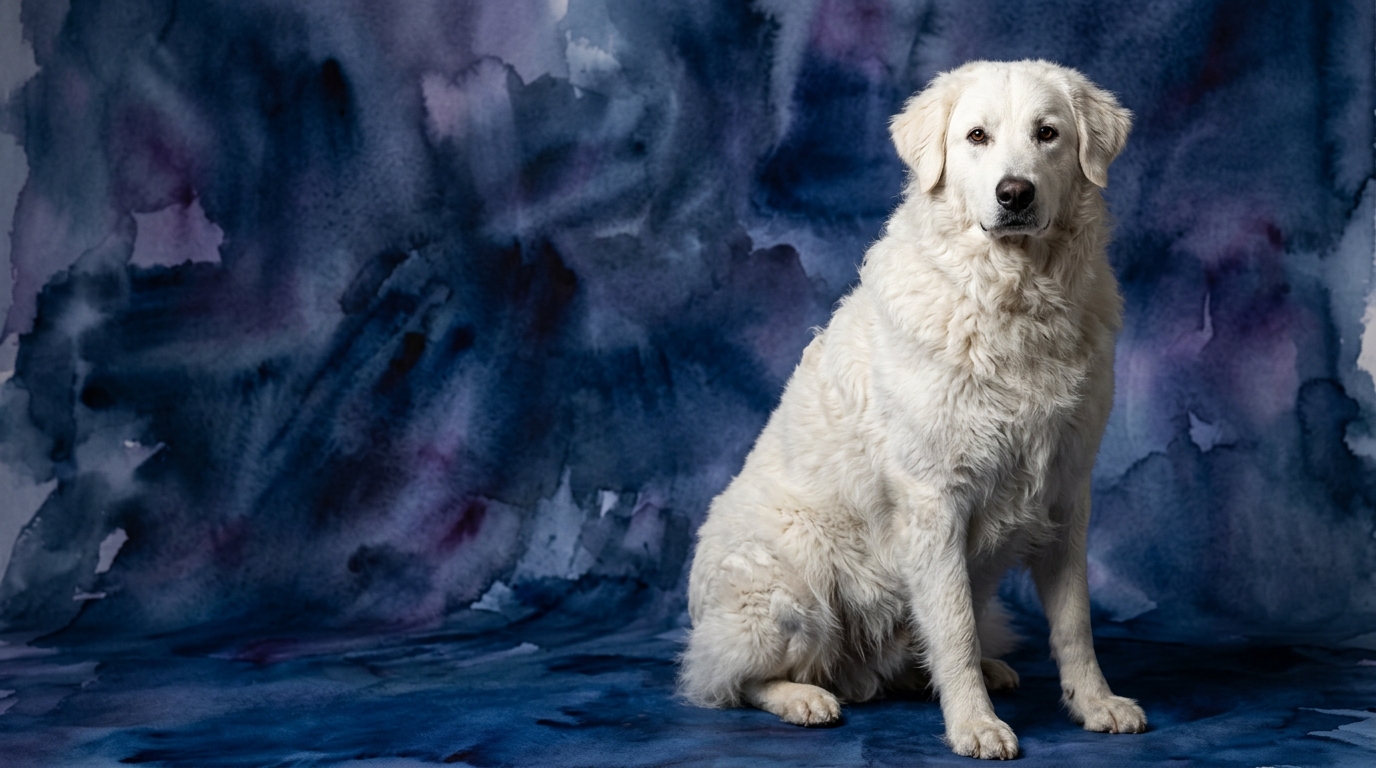
The Kuvasz, a formidable Working breed with a Coren rank of #42, exhibits a cognitive profile deeply rooted in its heritage as a livestock guardian. Its intelligence is characterized by independent thought and a strong sense of duty, reflected in its problem-solving and social intelligence scores. This breed's memory, in particular, stands out as a significant asset for its role.
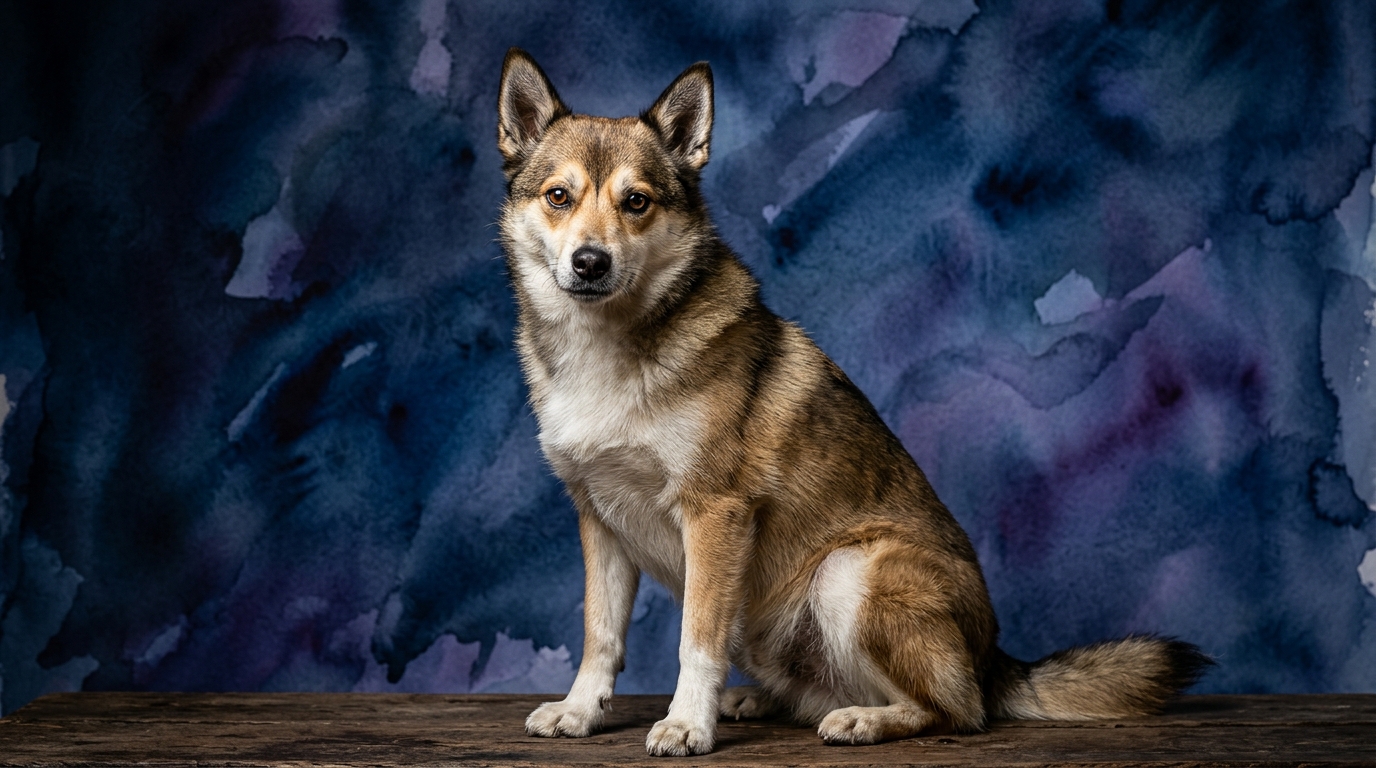
The Norwegian Lundehund, a distinctive Non-Sporting breed not currently Coren-ranked, presents a different kind of cognitive blueprint. Its intelligence is shaped by its specialized history as a puffin hunter, demanding unique physical and mental agility. While sharing some scores with the Kuvasz, the practical application of its problem-solving and instinctive drive is notably distinct.
Kuvasz - Working Breed Cognition (Coren Rank #42)
Problem Solving (3/5): The Kuvasz approaches challenges with a deliberate, independent mindset, often evaluating situations before acting. Their problem-solving typically revolves around assessing threats to their flock or territory, requiring them to make nuanced decisions without direct human instruction, such as determining if a strange animal is a true predator or merely a wandering neighbor's pet. This score reflects a capacity for tactical decision-making in complex, dynamic environments rather than quick, rote learning.
Training Speed (3/5): Training a Kuvasz requires patience and a deep understanding of their independent nature. They are not dogs that blindly obey; instead, they weigh commands against their own perception of the situation and their inherent protective instincts. While capable of learning complex tasks, their speed is moderated by this self-reliant disposition, meaning they need to be convinced of the value or logic behind a command.
Social Intelligence (3/5): Kuvasz exhibit a reserved and discerning social intelligence. They form deep bonds with their immediate family and flock but are naturally wary of strangers, assessing new individuals carefully. Their understanding of social dynamics is rooted in protection and loyalty, making them excellent judges of character within their perceived territory, though they may not be overtly demonstrative with outsiders.
Instinctive Drive (3/5): Their instinctive drive is profoundly tied to their heritage as livestock guardians. This manifests as a strong territorial imperative, an innate desire to protect, and a keen observational sense for potential threats. This drive is not about chasing or retrieving but about vigilant oversight and strategic defense, a constant internal monitoring of their environment and charges.
Memory (4/5): The Kuvasz possesses a strong memory, crucial for recognizing familiar faces (both human and animal), remembering routines, and recalling past threats or safe zones within their territory. This robust memory aids their independent decision-making, allowing them to apply learned experiences to new situations, ensuring consistent protective behavior over time.
Norwegian Lundehund - Specialized Hunter Cognition (Not Coren-Ranked)
Problem Solving (3/5): The Lundehund's problem-solving skills are uniquely adapted to its historical role: navigating treacherous, rocky cliffs and tight crevices to hunt puffins. This involves exceptional spatial reasoning, agility, and the ability to find the optimal path through complex three-dimensional environments. Their problem-solving is less about abstract strategy and more about kinesthetic intelligence and practical application in challenging physical spaces.
Training Speed (3/5): Lundehunds are bright and capable of learning, but their training speed is influenced by a highly independent and often mischievous streak. Their historical role required them to work largely autonomously, leading to a disposition that can be stubborn or easily distracted if not engaged. They learn best with positive reinforcement, variety, and tasks that appeal to their natural curiosity and physical prowess rather than repetitive obedience drills.
Social Intelligence (3/5): Lundehunds are generally friendly and can be quite playful with their families, demonstrating a good understanding of pack dynamics within their immediate social circle. However, their social intelligence is also marked by a certain independence and sometimes a reserved or cautious approach to new situations or people, though less overtly protective than a Kuvasz. They thrive on companionship but also value their own space.
Instinctive Drive (3/5): Their instinctive drive is deeply rooted in hunting and exploration. This manifests as a strong prey drive, a desire to investigate every nook and cranny, and an almost cat-like agility and curiosity. They are driven to climb, explore, and “solve” physical puzzles, constantly seeking out new stimuli and challenges in their environment.
Memory (3/5): The Lundehund's memory is practical and functional, particularly strong in recalling routes, locations of interest, and the intricacies of their physical environment. While they remember commands and routines, their memory is perhaps less focused on long-term social patterns compared to the Kuvasz, instead prioritizing spatial awareness and the recall of successful hunting strategies or exploratory paths.
Where the Kuvasz Wins Cognitively
The Kuvasz's superior memory (4/5 versus Lundehund's 3/5) provides a distinct cognitive edge, particularly in its capacity for long-term recall of complex social hierarchies and environmental patterns. This robust memory allows a Kuvasz to consistently identify and differentiate between familiar flock members, regular visitors, and potential threats over extended periods, a crucial aspect of their guardian role. They retain detailed mental maps of their territory and the routines of its inhabitants, enabling them to anticipate needs and react appropriately without constant human direction.
Furthermore, the Kuvasz's problem-solving, while rated equally, is geared towards strategic, independent decision-making in a protective context, which demands a different kind of cognitive processing. They excel at assessing evolving situations, such as a subtle shift in the behavior of livestock or the approach of an unfamiliar vehicle, and formulating a response based on accumulated experience and an innate understanding of their duty. This involves a more abstract level of judgment and foresight compared to the Lundehund's physical problem-solving.
Where the Norwegian Lundehund Wins Cognitively
While the raw scores might suggest parity, the Norwegian Lundehund's cognitive strengths lie in its highly specialized spatial intelligence and kinesthetic problem-solving. Its unique physical adaptations, such as extra toes and flexible joints, are intrinsically linked to a brain wired for navigating confined, irregular spaces with exceptional precision and agility. This breed's problem-solving (3/5) is less about abstract strategic thinking and more about real-time, dynamic assessment of physical obstacles, finding the most efficient route through a complex maze of rocks, or extracting itself from a tight spot.
Their instinctive drive (3/5), while numerically similar, is channeled into relentless exploration and a tenacious pursuit of novel stimuli. This translates into a cognitive drive to constantly engage with and manipulate their environment, demonstrating a curiosity that fuels their ability to learn new physical tricks and adapt to challenging terrains more readily than a breed focused primarily on static guarding. They are masters of their immediate physical world, demonstrating a unique practical intellect.
Which is Easier to Train and Why
Neither the Kuvasz nor the Norwegian Lundehund is considered an “easy” breed to train, both scoring 3/5 in Training Speed, but their challenges stem from different cognitive roots. The Kuvasz's independence is born from centuries of making autonomous decisions as a livestock guardian; they were bred to think for themselves, often questioning commands if they perceive them as illogical or contrary to their protective duties. Training a Kuvasz requires immense patience, consistency, and a relationship built on mutual respect, where the owner establishes themselves as a trusted leader who understands the dog's inherent purpose. Attempts at harsh or repetitive training will likely be met with stubborn refusal, as their mind is wired to protect, not blindly obey.
The Norwegian Lundehund's training challenges arise from its independent hunting background and an insatiable curiosity that often leads to distraction. They are bright and capable of learning, but their attention span can be fleeting, and their strong prey drive means they might prioritize an interesting scent or a perceived “puzzle” over a human command. Effective training for a Lundehund involves keeping sessions short, engaging, and varied, incorporating positive reinforcement and making the training feel like a game or an exploration. They are less likely to outright defy a command like a Kuvasz, but more likely to simply get sidetracked or decide something else is more interesting in the moment. In essence, the Kuvasz requires convincing, while the Lundehund requires constant engagement.
Which Suits Active Owners vs Relaxed Owners
For owners seeking a relaxed companion, neither the Kuvasz nor the Norwegian Lundehund is an ideal fit, as both breeds possess a strong internal drive that necessitates purposeful engagement. The Kuvasz, despite its often calm demeanor once mature, is a working breed that requires significant mental and physical stimulation related to its guardian role. A “relaxed” owner who cannot provide a large, secure space for patrolling, or who is unwilling to engage in consistent, thoughtful leadership, will find a Kuvasz prone to boredom, destructive behaviors, or inappropriate guarding. Their activity often involves diligent oversight rather than high-intensity bursts, but this mental engagement is constant.
The Norwegian Lundehund, while smaller, is an incredibly active and curious breed, demanding regular, varied exercise and extensive mental challenges. Their historical role as agile puffin hunters means they thrive on exploration, climbing, and solving physical puzzles. A relaxed owner will quickly find a Lundehund creating its own “fun”—often digging, escaping, or reorganizing household items—if its significant need for daily physical activity and intellectual stimulation is not met. They are best suited for active, adventurous owners who enjoy hiking, agility, or engaging in complex games that challenge their unique physical and mental capabilities.
The Verdict
Choose the Kuvasz if you are an experienced dog owner with a large, securely fenced property, seeking a loyal, independent guardian that will make its own decisions to protect its family and territory, and you are prepared for patient, respect-based training.
Choose the Norwegian Lundehund if you are an active, adventurous individual or family who appreciates a quirky, agile, and endlessly curious companion, ready to engage in daily physical and mental challenges, and you value a dog with a unique problem-solving approach to its physical world.
🧠 Find Your Pet's IQ Score
Our Pet IQ Lab assessment covers 25+ tests across 5 cognitive dimensions — personalized to your breed.
Take the Full IQ Test →Frequently Asked Questions
Do Kuvasz dogs bond easily with their families?
Kuvasz dogs form very deep, loyal bonds with their immediate families, often exhibiting a quiet devotion. However, their social intelligence means they are reserved with strangers and will carefully assess new people before accepting them into their inner circle.
Are Norwegian Lundehunds good with children?
Norwegian Lundehunds can be good with respectful, older children who understand their need for personal space and engage in appropriate play. Their high energy and independent nature mean supervision is always important, especially with very young children.
How much exercise does a Kuvasz need daily?
A Kuvasz needs significant daily exercise, often in the form of patrolling a large, securely fenced yard or engaging in long, purposeful walks. Mental stimulation, such as “guarding” duties or training, is as important as physical activity to keep them content.