Side-by-side IQ profile
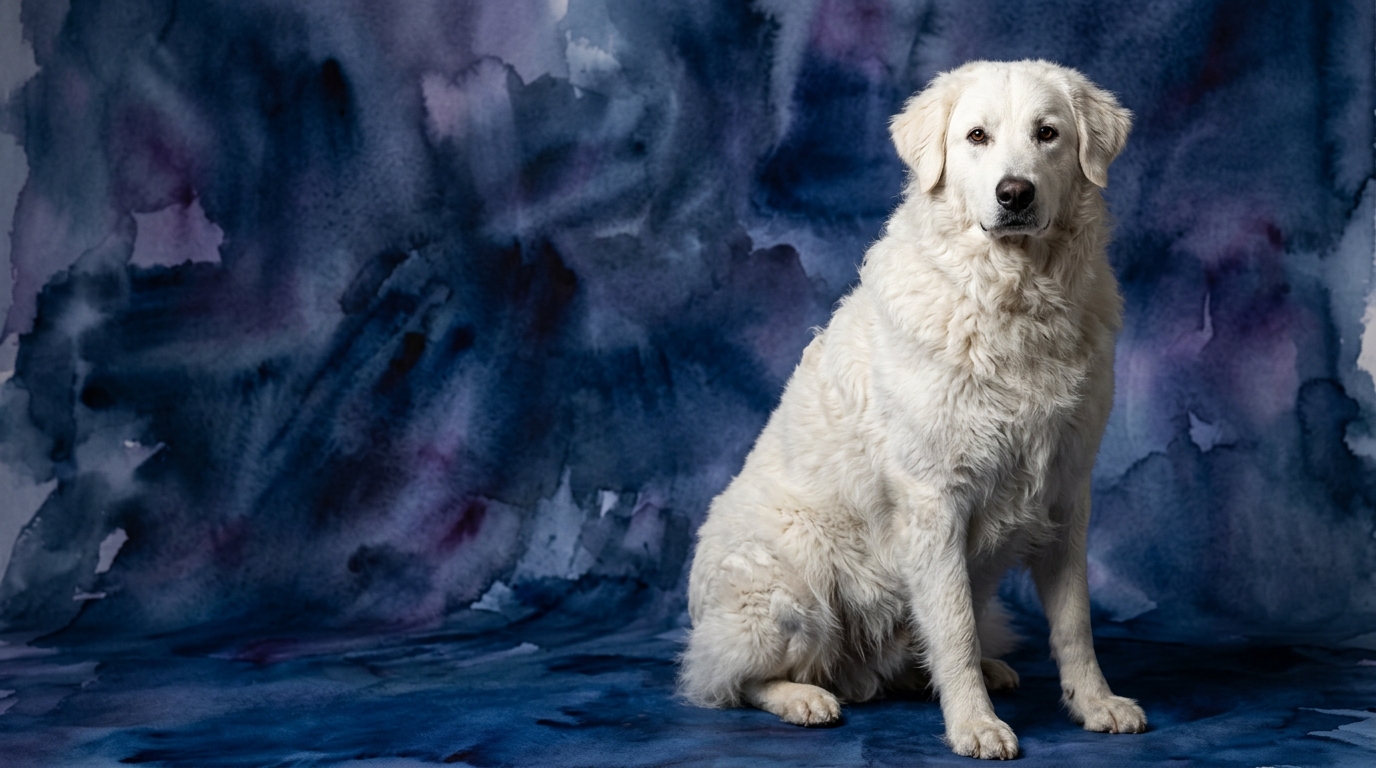
**Kuvasz (Working Group, Coren Rank #42):** The Kuvasz presents a cognitive profile shaped by centuries of independent guardianship. Their **Problem Solving (3/5)** is robust, often manifesting as independent decision-making in assessing and neutralizing perceived threats to their flock or family. They are not merely reactive but possess an ability to anticipate and strategize, a critical trait for a solitary working dog. **Training Speed (3/5)** for a Kuvasz is a process driven by understanding and respect; they absorb commands and routines effectively but will critically evaluate the necessity of an action, sometimes appearing stubborn if they don't perceive the value or if their independent nature conflicts with a directive. Their **Social Intelligence (3/5)** involves a keen awareness of social dynamics within their family unit, forming deep, protective bonds, while remaining reserved and watchful with strangers, accurately reading human emotions and intentions. The **Instinctive Drive (3/5)** is primarily centered on territorial protection and guarding, making them highly attuned to their environment and possessing an inherent readiness to defend. A standout cognitive trait is their exceptional **Memory (4/5)**, allowing them to retain detailed recollections of people, places, routines, and past experiences, including perceived threats or successful protective actions, which significantly bolsters their effectiveness as a long-term guardian.
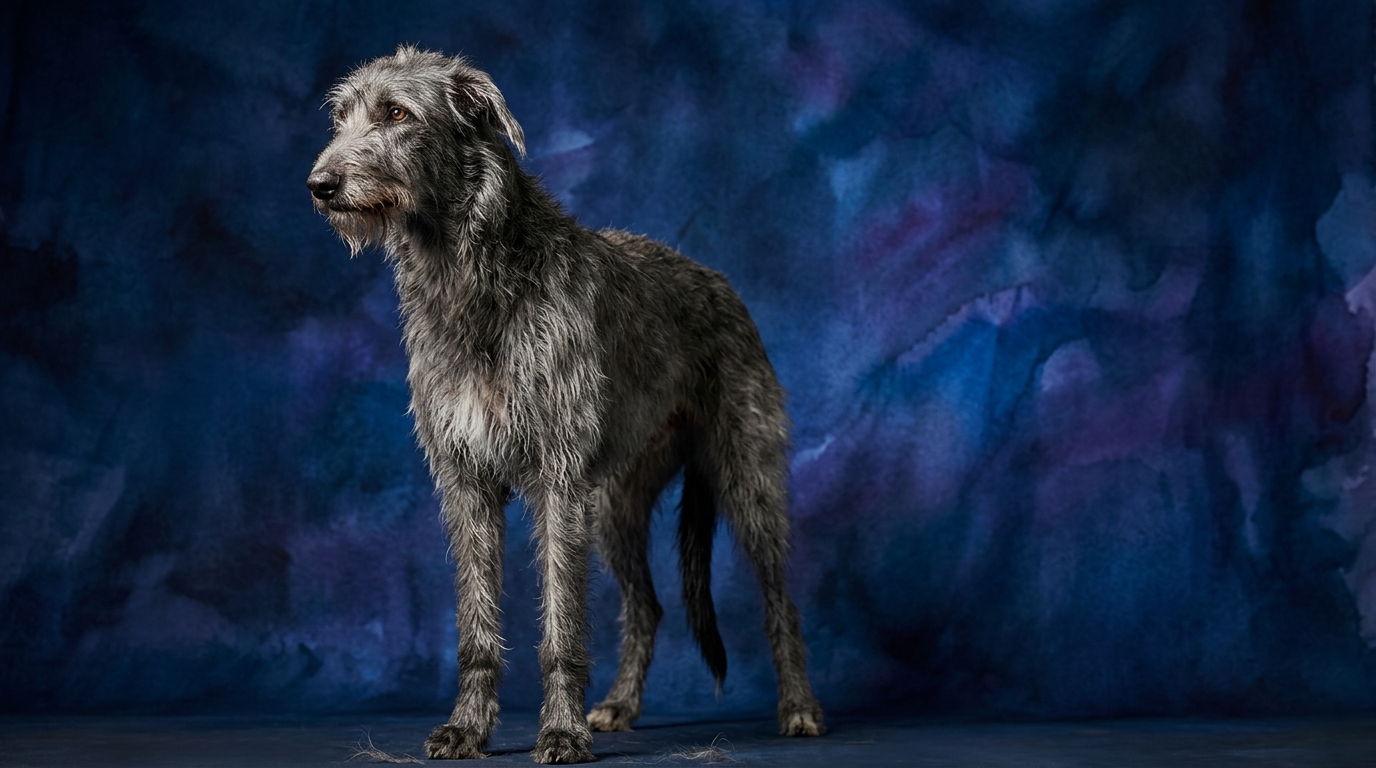
**Scottish Deerhound (Hound Group, Not Coren-Ranked):** The Scottish Deerhound's cognitive makeup reflects its heritage as a sighthound, blending grace with purposeful intellect. Their **Problem Solving (3/5)** skills are practical, particularly in navigating their environment or strategizing during a chase, making quick decisions in dynamic situations focused on efficiency in movement and pursuit. **Training Speed (3/5)** for these gentle giants is moderate; they respond best to positive, patient reinforcement and are capable of acquiring a wide range of commands, though their hound nature can sometimes lead to distraction if a more interesting sight or scent arises. Their **Social Intelligence (3/5)** is characterized by sensitivity, forming strong, affectionate bonds with their families; they are generally gentle and perceptive to human moods, often seeking comfort and companionship, though they can be reserved with strangers. The primary **Instinctive Drive (3/5)** is their powerful prey drive, specifically their sight-hunting instinct, manifesting as an overwhelming impulse to pursue anything that moves quickly and at a distance. Their **Memory (3/5)** is good for routines, commands, and the people in their lives, allowing them to remember past interactions and learned behaviors, contributing to their overall trainability and ability to settle into a household structure.
Where Kuvasz wins cognitively
The Kuvasz’s clear cognitive advantage lies in its superior memory, rated 4/5 compared to the Deerhound’s 3/5. This enhanced recall isn't just about remembering where the treats are; it’s fundamental to their role as a guardian. A Kuvasz remembers past encounters with potential threats, the specific behaviors of family members, and the boundaries of their territory with remarkable clarity. This detailed cognitive map allows them to make more informed, nuanced decisions about who or what poses a risk, contributing to their consistent and reliable protective instincts. Their problem-solving, while rated similarly, is often applied to complex, evolving security scenarios, drawing upon this deep well of remembered experience to adapt and respond effectively to dynamic situations.
Where Scottish Deerhound wins cognitively
While direct 'wins' in raw numerical scores are less apparent for the Scottish Deerhound, their cognitive strengths are best understood through the unique application of their abilities. Their problem-solving and instinctive drive, both rated 3/5, are finely tuned for their sighthound heritage. This means they excel at rapid visual processing and decision-making during a chase, quickly calculating trajectories and anticipating prey movements over vast distances. Their social intelligence, also 3/5, manifests as a profound gentleness and sensitivity, allowing them to integrate smoothly into family life with a quiet, observant demeanor, often picking up on subtle emotional cues that might be overlooked by a more independent guardian breed. Their cognitive prowess shines in their elegant efficiency of motion and their calm, affectionate presence.
Which is easier to train and why
Comparing the training ease of a Kuvasz and a Scottish Deerhound, both rated 3/5 for training speed, requires delving into their intrinsic motivations and behavioral tendencies. The Kuvasz, with its independent guardian nature, often approaches training as a negotiation rather than eager compliance. They are perfectly capable of learning, thanks in part to their excellent memory (4/5), but they need to understand the 'why' behind a command and respect their handler's authority. Their protective instincts can sometimes override immediate obedience if they perceive a situation differently, making consistent, patient, and firm leadership essential. Training a Kuvasz is about building a partnership where they choose to follow your guidance, rather than simply obeying.
On the other hand, the Scottish Deerhound, while gentle and sensitive, can be easily distracted by their powerful prey drive. They learn well with positive reinforcement and kindness, but their attention can be fleeting if a squirrel or distant movement catches their eye. Their 'hound stubbornness' isn't defiance; it's often a deep-seated instinct taking precedence. Therefore, while a Deerhound might appear more willing to engage in training initially due to their desire for companionship and treats, maintaining focus and achieving reliable recall in stimulating environments presents a significant challenge. Neither breed is 'easy' in the sense of being effortlessly biddable, but the Kuvasz requires a handler who can navigate their independence and strong will, while the Deerhound needs a handler adept at managing their instincts and sensitivity to create a consistent, rewarding training experience.
Which suits active owners vs relaxed owners
The question of suitability for active versus relaxed owners is less about constant physical exertion and more about lifestyle alignment with each breed's cognitive and behavioral needs. A Kuvasz is better suited for owners who are 'active' in their commitment to consistent training, socialization, and providing a clear role for their dog, even if they aren't marathon runners. Their strong guarding instincts and independent problem-solving mean they thrive with owners who can provide ample space, a sense of purpose, and firm, consistent guidance. They require mental engagement to prevent boredom and destructive behaviors, and their protective nature necessitates proactive management in social settings. Owners must be prepared to be 'active' in leading and integrating this thoughtful, independent guardian into their lives, ensuring proper boundaries and mental stimulation.
Conversely, the Scottish Deerhound, while requiring bursts of intense physical activity—specifically, the opportunity for full-speed sprints in a secure, expansive area—is often quite 'relaxed' indoors. They are not typically high-energy dogs for constant, moderate exercise like a retriever. Owners who can provide a safe, fenced space for regular, vigorous running sessions, but otherwise enjoy a calm, quiet companion lounging by their side, would find a Deerhound a good match. Their 'relaxed' nature indoors, coupled with their need for periodic, intense outdoor activity, makes them suitable for owners who appreciate a gentle giant that transitions easily between explosive exercise and serene companionship, rather than constant, sustained activity.
The Verdict
Choose a Kuvasz if you are an experienced owner seeking a dedicated, independent guardian with a remarkable memory, prepared for consistent, patient training to guide their protective instincts.
Choose a Scottish Deerhound if you appreciate a gentle, affectionate giant who needs secure space for bursts of running, and you understand the nuances of managing a sensitive sighthound's instincts.
🧠 Find Your Pet's IQ Score
Our Pet IQ Lab assessment covers 25+ tests across 5 cognitive dimensions — personalized to your breed.
Take the Full IQ Test →Frequently Asked Questions
Are Kuvasz and Scottish Deerhounds prone to stubbornness?
Both breeds can exhibit what might be perceived as stubbornness, though it stems from different places. The Kuvasz's independence and critical assessment of commands can appear as strong-willed, while the Deerhound's deep-seated prey drive and sensitivity can lead to distraction or reluctance if not motivated correctly.
Do these breeds require a lot of exercise?
Their exercise needs differ significantly. The Scottish Deerhound requires regular opportunities for full-speed sprints in a large, secure area, but is generally calm indoors. The Kuvasz needs consistent mental stimulation, a job to do, and regular walks to satisfy their guardian instincts, but isn't necessarily a constant running companion.
How do their social needs compare?
Both breeds form strong bonds with their families, demonstrating a 3/5 social intelligence. However, the Kuvasz is typically more reserved and watchful with strangers due to their protective nature, while the Scottish Deerhound is generally gentle and tolerant, though still can be reserved, valuing quiet companionship over boisterous interactions.