Side-by-Side Cognitive Profiles
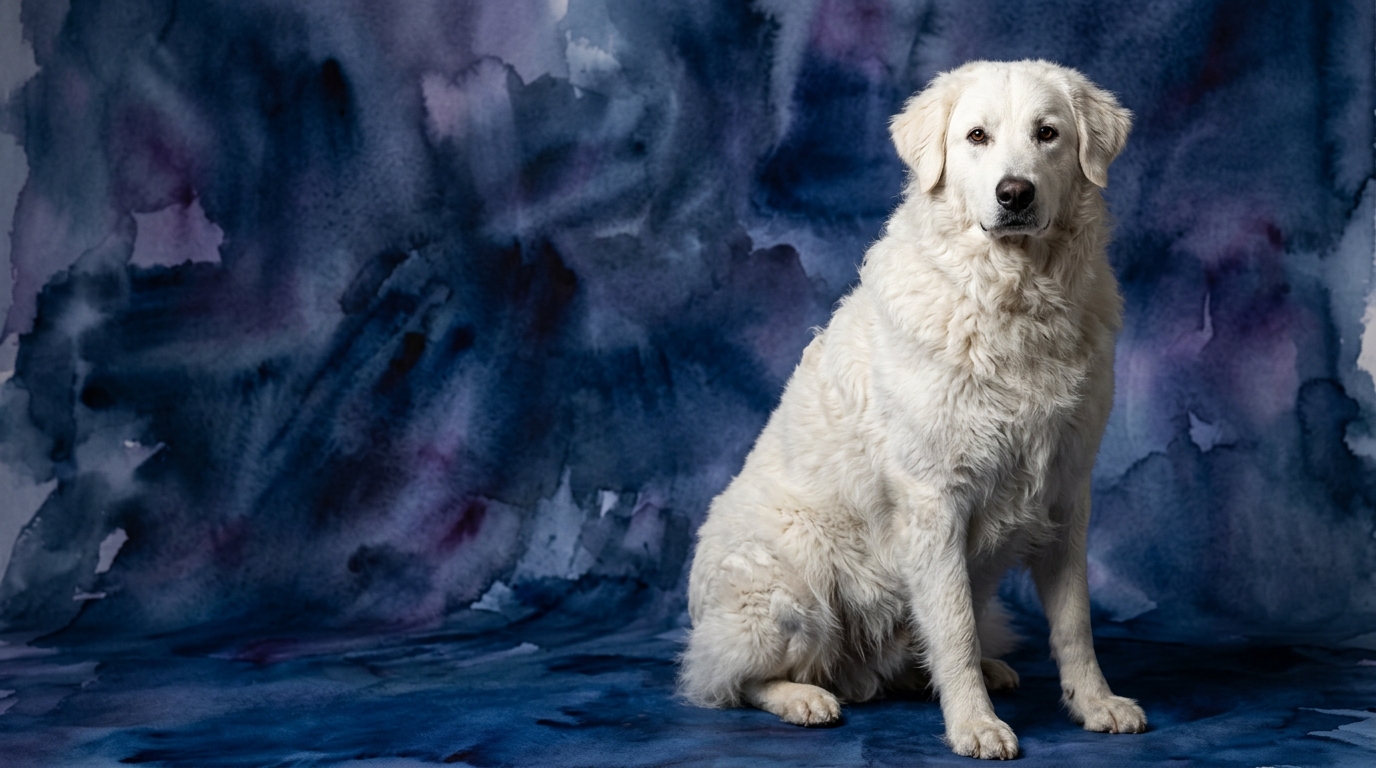
At The Cosmic Pet Pet IQ Lab, we delve into five key dimensions of canine intelligence. For the Kuvasz, a Coren-ranked #42 breed, their cognitive makeup includes a Problem Solving score of 3/5, indicating an ability for independent thought and strategic assessment in their guarding duties. Their Training Speed also stands at 3/5, meaning they can learn commands but often require consistent, patient methods due to their self-assured nature. Social Intelligence is rated 3/5, reflecting strong familial bonds coupled with a reserved, discerning approach to strangers. An Instinctive Drive of 3/5 highlights their robust, innate guarding and territorial impulses. Notably, the Kuvasz excels in Memory, scoring 4/5, suggesting a strong capacity for retaining learned behaviors and past experiences.
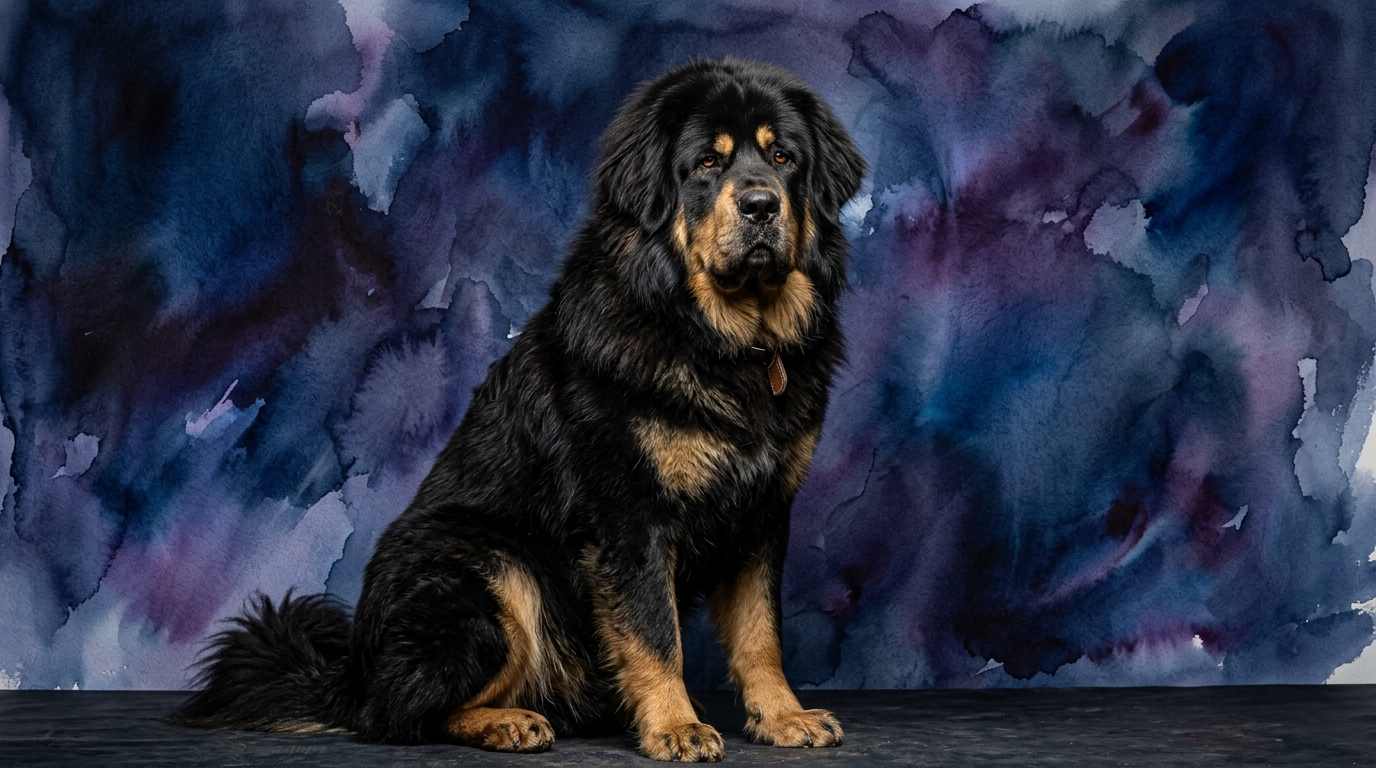
The Tibetan Mastiff, a breed not Coren-ranked, presents a unique cognitive landscape rooted in its ancient guarding heritage. Their Problem Solving ability is rated 3/5, showcasing resourcefulness and a keen observational intelligence in protecting their domain. Training Speed is also 3/5; while capable of learning, their profound independence means they often choose when and if to comply, requiring a persuasive and understanding handler. Social Intelligence scores 3/5, characterized by unwavering loyalty to their immediate family but an almost regal aloofness towards outsiders, often observing and assessing from a distance. Their Instinctive Drive is a powerful 3/5, underlining deep-seated territorial and protective behaviors. Finally, the Tibetan Mastiff's Memory is scored 3/5, indicating a solid recall for routines and familiar individuals, albeit perhaps less inclined to retain abstract training nuances than the Kuvasz.
Where the Kuvasz Wins Cognitively
The Kuvasz holds a distinct edge in one crucial cognitive dimension: Memory, scoring 4/5 compared to the Tibetan Mastiff's 3/5. This superior recall translates into practical advantages in their daily lives and training. A Kuvasz is more likely to remember complex sequences of commands, specific environmental cues, or detailed 'lessons learned' from past encounters with perceived threats. This enhanced capacity for retention allows them to build a more nuanced mental map of their territory and its inhabitants, contributing to their reliability as a guardian.
This stronger memory also means that once a Kuvasz has truly grasped a concept or a command, they are more likely to retain it over the long term, requiring less frequent reinforcement than a breed with lesser recall. This cognitive trait can make them more adaptable to evolving household routines or varied tasks, as they can more readily integrate new information with existing knowledge. Their ability to remember specific past events allows them to predict and respond more effectively to recurring stimuli, enhancing their role as a proactive and consistent guardian, able to anticipate rather than merely react.
Where the Tibetan Mastiff's Strengths Lie
While the Tibetan Mastiff doesn't boast higher scores in any single dimension compared to the Kuvasz, its cognitive strengths lie in the unique manifestation of its 3/5 ratings, particularly its profound independence and highly discerning nature. The Tibetan Mastiff's problem-solving (3/5) is often characterized by a strategic patience and deep observation, allowing them to assess situations thoroughly before acting. This isn't a reactive intelligence, but a considered, almost philosophical approach to maintaining order within their domain, a crucial trait for a breed that historically guarded alone.
Their social intelligence (3/5), while not outwardly demonstrative, is profound in its depth for their chosen family. This breed's unwavering, almost ancient loyalty is a formidable cognitive asset, forming an unbreakable bond that doesn't require constant affirmation. With outsiders, their aloofness is a deliberate cognitive strategy, allowing them to remain vigilant and unbiased. This quiet, observant processing allows them to be exceptionally self-sufficient guardians who prioritize careful, independent consideration over immediate, human-directed action, making them exceptionally effective deterrents through their sheer presence and calculated judgment.
Which is Easier to Train, and Why?
Both the Kuvasz and the Tibetan Mastiff score 3/5 in Training Speed, indicating that neither is inherently 'easy' to train in the conventional sense, primarily due to their strong-willed, independent guardian instincts. However, subtle differences in their cognitive profiles can influence the training experience. The Kuvasz, with its 4/5 memory, might retain learned commands and routines more consistently over time once the initial buy-in is achieved. They are still independent thinkers, but their superior recall can make the long-term application of training somewhat smoother, provided the trainer is patient and consistent.
The Tibetan Mastiff's training journey is often more a test of patience and understanding. Their profound self-reliance and inclination to deeply consider the 'why' behind a command can translate into a more deliberate, and at times, resistant learning curve. They aren't quick to comply with commands they deem unnecessary or illogical from their own perspective. Training success with a Tibetan Mastiff hinges on building deep trust, providing consistent positive reinforcement, and demonstrating the practical value of a command in a way that aligns with their innate guarding duties. They learn, but often on their own terms, making the process a marathon rather than a sprint where persuasion often trumps strict instruction.
Which Suits Active vs. Relaxed Owners?
When considering ownership, it's important to differentiate between physical activity and mental engagement. The Kuvasz, while not typically a high-energy breed requiring marathon runs, greatly benefits from owners who actively engage their cognitive abilities. Their 4/5 memory and 3/5 problem-solving thrive with consistent, varied training, scent work, or roles that give them a 'job' to do, even if it's structured property patrolling. They suit owners who enjoy providing mental stimulation, structured activities, and can channel their guardian instincts productively to prevent boredom and unwanted behaviors. An 'active' owner for a Kuvasz is one who is mentally engaged with their dog's needs.
The Tibetan Mastiff often suits owners who appreciate a more relaxed, observant companion once past puppyhood and adolescence. While they need ample space to patrol, their physical activity is often self-directed and less about owner-led games or structured exercise sessions. Their patrolling and guarding instincts are often satisfied by monitoring their territory from a vantage point, requiring less 'active' engagement in the traditional sense. They are ideal for owners who can provide a stable, predictable routine, understand their independent nature, and are content with a powerful, watchful presence that operates effectively with minimal direct human oversight, preferring quiet vigilance over constant interaction.
The Verdict
Choose the Kuvasz if you seek a formidable guardian who benefits from structured mental engagement, consistent training, and possesses a slightly more adaptable approach to learning and retaining information.
Opt for the Tibetan Mastiff if you are an owner who values a deeply loyal, highly independent guardian excelling in a watchful, less actively trained role, appreciating profound self-reliance and a deliberate, discerning presence.
🧠 Find Your Pet's IQ Score
Our Pet IQ Lab assessment covers 25+ tests across 5 cognitive dimensions — personalized to your breed.
Take the Full IQ Test →Frequently Asked Questions
Are Kuvasz and Tibetan Mastiffs good family dogs?
Both breeds are profoundly loyal to their immediate family, forming strong protective bonds. However, their guardian instincts mean they are often reserved or wary with strangers and require early, extensive socialization to ensure they differentiate between welcome guests and potential threats, making them better suited for experienced owners.
What are the main challenges in training these breeds?
The primary challenge for both is their inherent independence and strong will, typical of livestock guardian breeds. They aren't inherently eager to please in the same way some other breeds are, requiring consistent, patient, positive reinforcement and an understanding that they will often make their own decisions based on their assessment of a situation.
Do Kuvasz or Tibetan Mastiffs require a lot of exercise?
Neither breed requires intense, high-impact exercise like some sporting dogs. They benefit from regular, moderate walks and ample space to patrol their territory. The Tibetan Mastiff tends to be more sedentary once mature, while the Kuvasz appreciates a bit more mental engagement through varied activities beyond just physical exertion.