Side-by-Side IQ Profile: Unpacking Canine Cognition
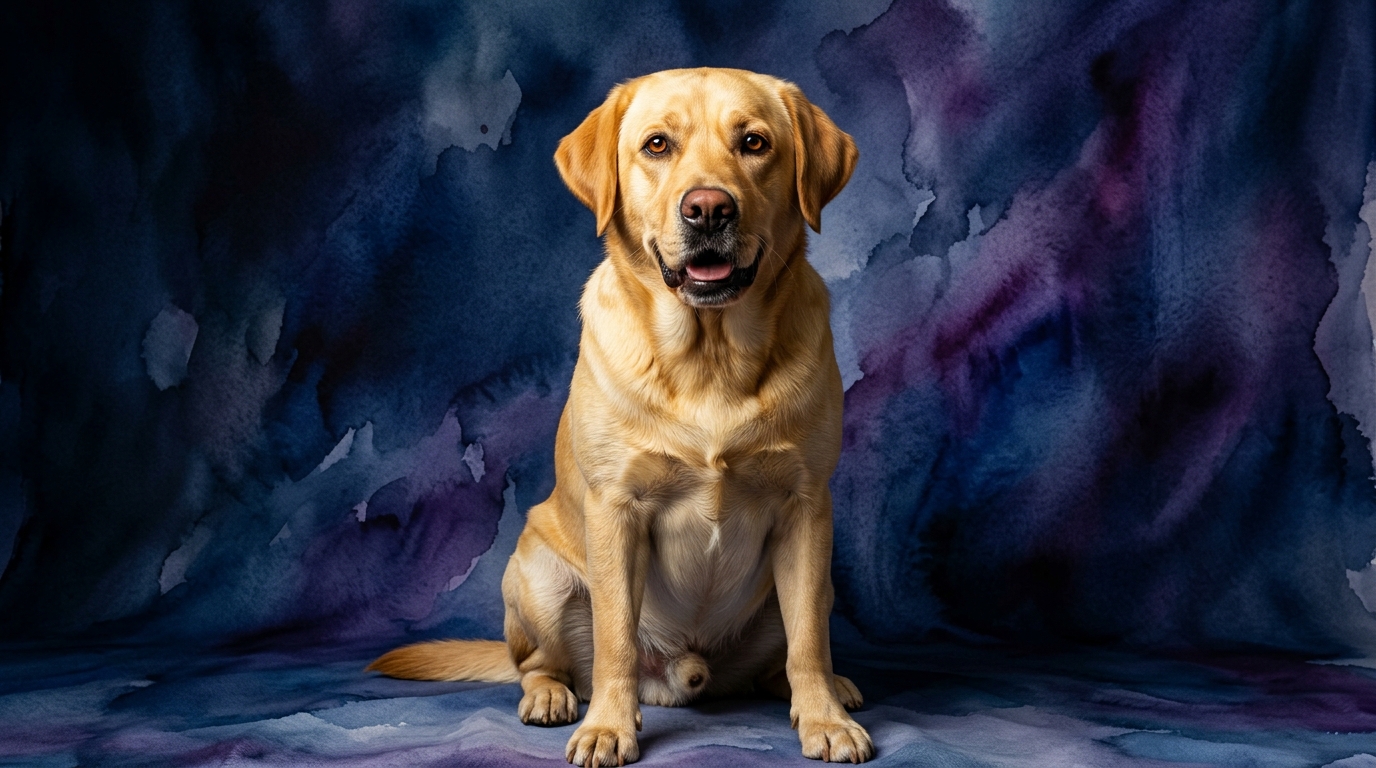
The Labrador Retriever (Sporting, Coren rank #7) demonstrates a remarkably balanced and cooperative cognitive blueprint. Their Problem Solving is rated 4/5, indicating a strong capacity to figure out tasks and adapt to new situations, often with human guidance. Training Speed shines at 5/5, reflecting an eagerness to learn and quick assimilation of commands and routines. Social Intelligence, also 5/5, highlights their profound ability to understand human cues, intentions, and social dynamics, making them highly attuned companions. An Instinctive Drive of 4/5 points to their inherent motivation for retrieving, working alongside people, and engaging in purposeful activities. Finally, their Memory is solid at 4/5, ensuring they retain learned behaviors and recognize people and places effectively over time.
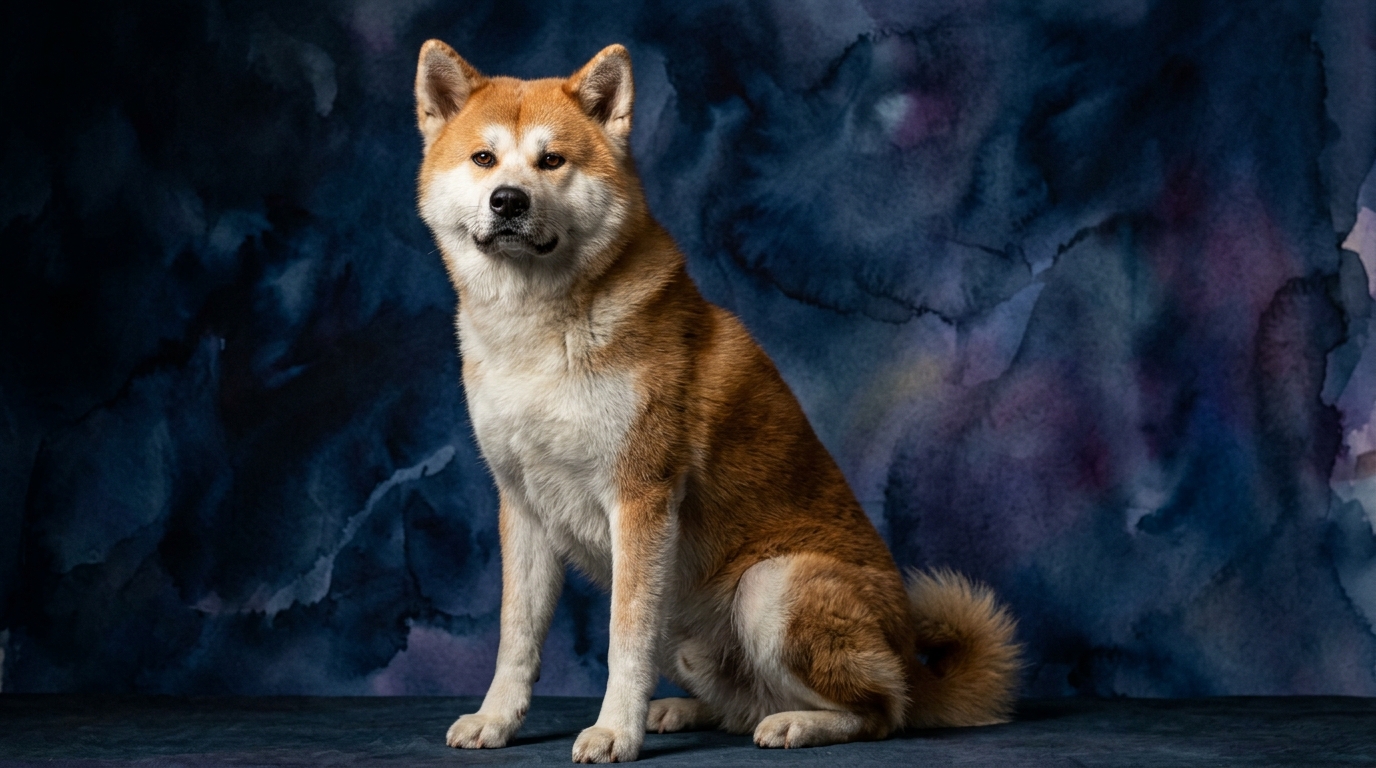
In contrast, the Akita (Working, Coren rank #54) presents a cognitive profile rooted in independence and discernment. Their Problem Solving ability is rated 3/5, suggesting a capacity to solve challenges, though often on their own terms or with less reliance on immediate human prompting. Training Speed is 2/5, indicating a more deliberate and often selective approach to learning commands; they process information, but their motivation to comply might be conditional. Social Intelligence at 3/5 reflects a breed that understands social structures but often prefers a more reserved or selective engagement, not always seeking constant human interaction or approval. Their Instinctive Drive is a powerful 5/5, underscoring their deep-seated purposefulness, guarding instincts, and self-reliance. Memory matches the Labrador at 4/5, showing a strong ability to recall experiences and knowledge, even if their application of that knowledge is often independent.
Where the Labrador Retriever Excels Cognitively
The Labrador Retriever's cognitive strengths distinctly lie in their exceptional biddability and social acumen. Their 5/5 Training Speed means they absorb new commands and routines with impressive alacrity, making them highly adaptable to diverse roles, from service work to competitive obedience. This rapid learning, combined with their 5/5 Social Intelligence, allows them to effortlessly integrate into human families and various social environments, interpreting subtle cues and responding appropriately. They are adept at understanding and anticipating human desires, often seeking to please, which enhances their problem-solving efforts (4/5) when those efforts are directed towards cooperative goals. For instance, a Labrador is more likely to quickly learn a complex scent discrimination task or a multi-step retrieve, driven by their desire to engage with their handler and the inherent satisfaction of a job well done alongside a human partner. Their strong memory ensures these intricate learned behaviors are retained with minimal refreshers.
Where the Akita Excels Cognitively
The Akita’s cognitive prowess manifests in its profound independence and formidable instinctive drive. With an Instinctive Drive rating of 5/5, Akitas possess an innate purposefulness that often translates into self-sufficiency and a deep understanding of their environment. This drive fuels their ability to act decisively, particularly in roles requiring vigilance or protection, without constant human direction. Their Problem Solving at 3/5, while lower than the Labrador's, often involves a more autonomous approach; an Akita might observe a situation, process it, and then act based on its own judgment rather than immediately seeking handler input. For example, an Akita might independently assess a new person or situation and decide on the appropriate level of engagement or caution, a testament to their discerning social intelligence (3/5). Their strong memory (4/5) further supports this, allowing them to recall past experiences and apply learned lessons in a self-directed manner, making them formidable guardians and watchful companions who remember who belongs and who does not.
Ease of Training: A Tale of Two Temperaments
When it comes to training, the differences between these two breeds become particularly apparent, largely due to their divergent social intelligence and training speed scores. The Labrador Retriever, with its 5/5 Training Speed and 5/5 Social Intelligence, is generally a more straightforward and rewarding student for most owners. They possess an inherent desire to cooperate and please their human companions, making them highly responsive to positive reinforcement. Their quick grasp of commands and eagerness to engage means that basic obedience can be established relatively quickly, and they often excel in advanced training disciplines. Their behavioral differences include a lower threshold for frustration and a higher motivation to work for praise, toys, or treats, making them highly biddable.
The Akita, on the other hand, presents a more significant training challenge, reflected in its 2/5 Training Speed and 3/5 Social Intelligence. While Akitas are certainly capable of learning, their independent nature and strong instinctive drive (5/5) mean they are often less inclined to blindly obey. They require a patient, consistent, and experienced trainer who understands their need for respect and fairness. Akitas process commands but often weigh the "why" before complying; they are not inherently motivated to please in the same way a Labrador is. Their social intelligence, while present, is selective, meaning they form strong bonds with their immediate family but may be aloof or indifferent to strangers or new situations, requiring careful socialization. Training an Akita involves building a strong, trusting relationship where the dog respects the handler's leadership, rather than simply seeking to comply. Their behavioral differences include a tendency to be more selective in their attention and a higher likelihood to test boundaries, necessitating a firm yet gentle approach.
Owner Compatibility: Active Companions vs. Reserved Guardians
Matching these breeds to an owner's lifestyle is crucial for a harmonious relationship, given their distinct cognitive and behavioral profiles. The Labrador Retriever is an ideal match for active owners who seek a highly engaged and versatile companion. Their strong social intelligence (5/5) and cooperative problem-solving skills make them excel in environments where they are an integral part of family activities, from hiking and swimming to playing fetch in the park. They thrive on consistent interaction and mental stimulation, easily adapting to new experiences and people, making them suitable for owners who enjoy frequent outings and social engagements. Their moderate instinctive drive (4/5) for retrieving means they are always up for a game but can also settle down.
The Akita, conversely, is better suited for experienced owners who appreciate a more reserved, independent, and watchful companion. Their powerful instinctive drive (5/5) and discerning social intelligence (3/5) mean they are often content with a strong bond with their core family, rather than seeking constant interaction with a wide circle of people or other animals. They require owners who understand the nuances of a breed with a protective nature and can provide consistent, respectful guidance without being overly demanding. While they benefit from regular exercise, their cognitive needs are often met through purposeful activities and a stable, predictable routine, rather than constant, high-energy games with strangers. They are not necessarily for "relaxed" owners in the sense of minimal engagement, but rather for owners who are relaxed in their expectation of constant effusive affection and who can handle an independent problem-solver. They suit owners who value quiet companionship and a guardian presence, and who are prepared for the commitment of managing a powerful, self-assured intellect.
The Verdict
Choose the Labrador Retriever if you desire a highly biddable, socially adept companion eager to learn and participate actively in family life and diverse social settings. Their cooperative intelligence makes them adaptable and a joy to train for a variety of roles.
Opt for the Akita if you are an experienced owner seeking a dignified, independent, and discerning companion who values a strong, respectful bond and possesses a deep-seated protective instinct. Their unique cognitive style requires patience and appreciation for self-reliant problem-solving.
🧠 Find Your Pet's IQ Score
Our Pet IQ Lab assessment covers 25+ tests across 5 cognitive dimensions — personalized to your breed.
Take the Full IQ Test →Frequently Asked Questions
Is a Labrador Retriever or an Akita better for first-time dog owners?
A Labrador Retriever is generally a more suitable choice for first-time dog owners due to their high trainability and strong desire to please. The Akita's independent nature and specific training needs often require more experience and a deep understanding of canine behavior.
Do Akitas struggle with memory compared to Labradors?
No, both breeds have a comparable memory rating of 4/5 in the Pet IQ Lab assessment. While their application of that memory might differ due to their distinct social and instinctive drives, both are capable of retaining learned information and experiences effectively.
Which breed requires more mental stimulation?
Both breeds benefit from mental stimulation, but in different ways. Labradors thrive on interactive games, training sessions, and cooperative tasks. Akitas, while also needing engagement, often prefer purposeful activities, independent problem-solving, and a consistent routine that respects their discerning nature.