Side-by-Side Cognitive Profiles: Lab vs. Eskie
The Cosmic Pet Pet IQ Lab employs five key dimensions to evaluate canine intelligence, offering a nuanced perspective beyond simple obedience. Examining these scores for the Labrador Retriever and the American Eskimo Dog reveals their distinct mental blueprints.
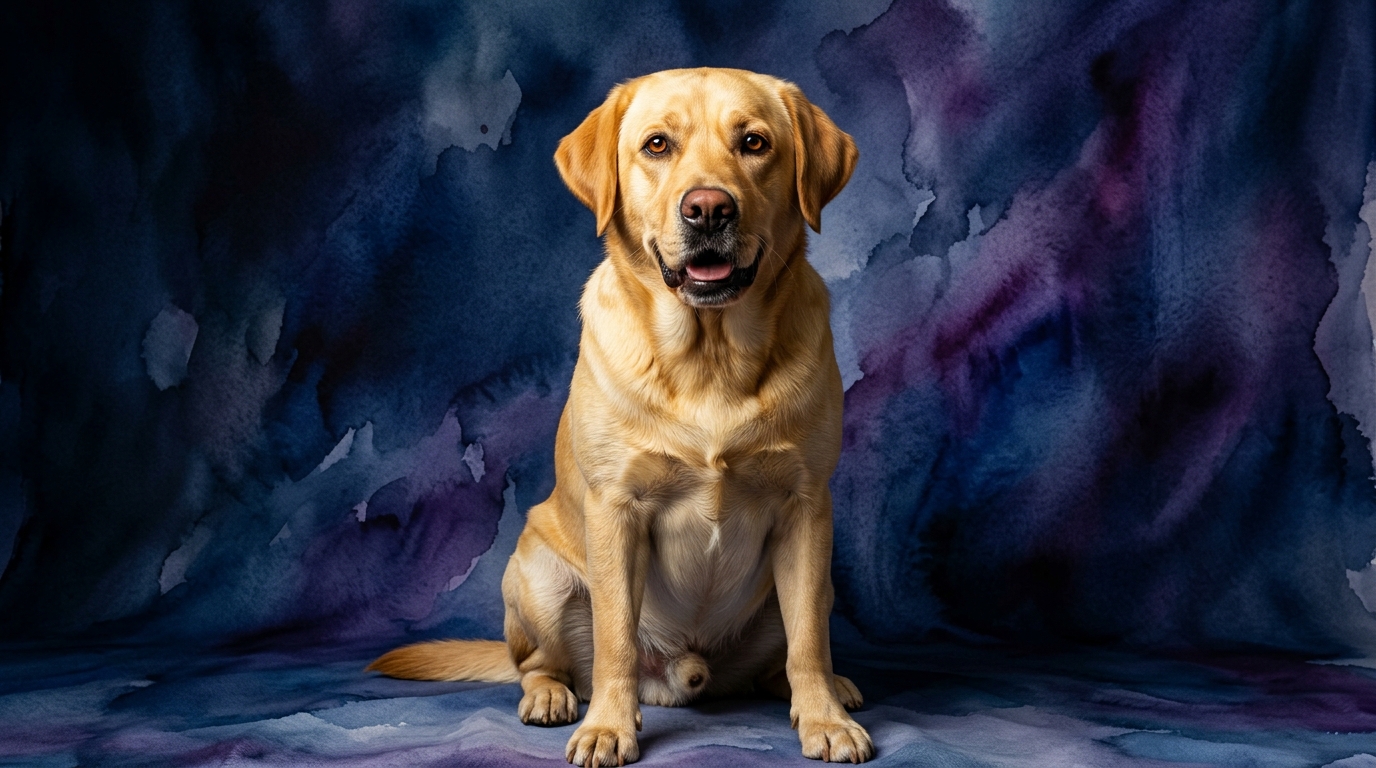
The Labrador Retriever, a member of the Sporting Group and ranked #7 by Coren for working intelligence, presents a robust cognitive profile. They score 4/5 in Problem Solving, indicating a strong capacity to independently navigate and resolve new challenges. Their Training Speed is an exceptional 5/5, reflecting a rapid grasp of new commands and routines. Social Intelligence also stands at a perfect 5/5, showcasing their deep attunement to human cues and social environments. An Instinctive Drive of 4/5 highlights their inherent motivation for purposeful activity, often relating to retrieval tasks. Finally, their Memory is rated 4/5, demonstrating excellent retention of learned behaviors and associations over time.
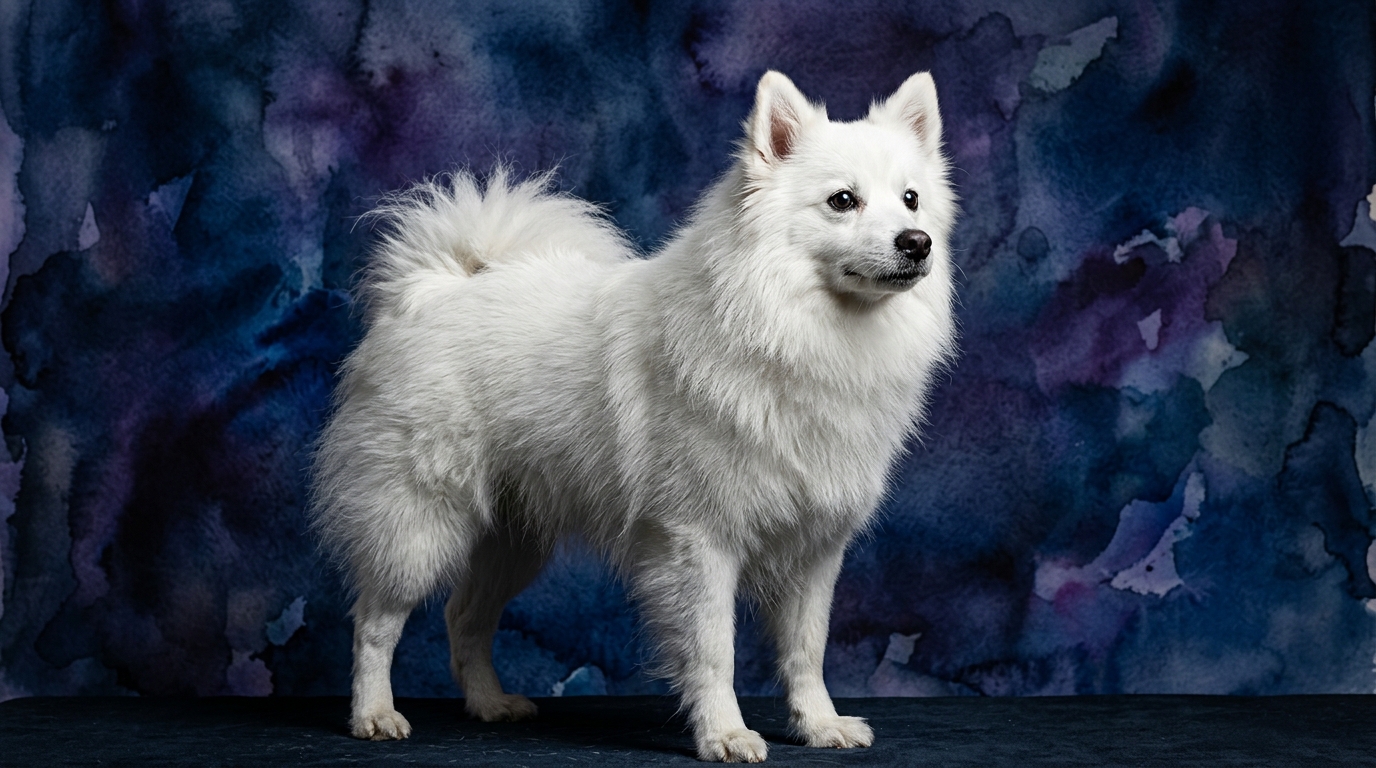
In contrast, the American Eskimo Dog, from the Non-Sporting Group and not Coren-ranked, exhibits a different but equally valid set of cognitive strengths. Their Problem Solving score is 3/5, indicating competence in addressing straightforward issues, though perhaps with less spontaneous innovation than a Lab. Training Speed is 3/5, suggesting they learn at a steady pace but may require more consistent, engaging motivation. Social Intelligence is 3/5, meaning they are responsive to familiar individuals but can be more reserved with strangers. An Instinctive Drive of 3/5 points to moderate internal motivation, often expressed in alertness or playful pursuits rather than focused work. Their Memory also registers at 3/5, capable of retaining basic commands but potentially benefiting from more frequent refreshers for less common tasks.
Where the Labrador Retriever Excels Cognitively
The Labrador Retriever's cognitive strengths are evident across all five IQ dimensions, particularly in their superior scores for Training Speed and Social Intelligence. Their 5/5 Training Speed means a Labrador can acquire new commands and complex sequences with remarkable swiftness, often generalizing learned behaviors to new situations with minimal prompting. This rapid learning curve makes them highly adaptable for roles requiring diverse skill sets, from assistance work to competitive dog sports.
Their 5/5 Social Intelligence allows Labradors to interpret human body language, tone of voice, and intentions with exceptional accuracy. This deep social perceptiveness fosters strong human-animal bonds and enables them to anticipate needs, making them intuitive partners in various activities. A Labrador's 4/5 Problem Solving ability translates into practical ingenuity, like figuring out how to open latches or retrieve specific items from a cluttered space, often through trial and error or observation. Their 4/5 Instinctive Drive fuels a consistent desire for engagement and purpose, making them naturally inclined to participate in activities that challenge their minds and bodies. This drive, combined with their 4/5 Memory, ensures they not only learn tasks quickly but also retain that knowledge, allowing for advanced training progressions and reliable performance over extended periods.
Unique Cognitive Strengths of the American Eskimo Dog
While the American Eskimo Dog's scores are generally lower than the Labrador's, their cognitive profile highlights a distinct set of strengths, particularly in areas of perceptiveness and self-sufficiency. Their 3/5 in Problem Solving demonstrates a functional intelligence for navigating their environment and learning routines, even if they might not always seek out complex mental puzzles. They are capable of understanding cause and effect in their daily lives, such as associating a specific sound with an upcoming event, like a walk or meal. This practical problem-solving helps them adapt well to various home environments.
The Eskie's 3/5 in Social Intelligence indicates they form strong bonds with their immediate family, showing responsiveness and affection. While they might be more discerning with strangers, this trait contributes to their role as alert companions, keenly aware of their surroundings. Their moderate 3/5 Instinctive Drive means they possess enough motivation for engaging activities but are often less intensely driven by a singular purpose compared to working breeds. This can translate into a more relaxed companion who enjoys play and interaction without constantly demanding a 'job.' Their 3/5 Memory ensures they retain basic commands and routines, providing a foundation for a well-behaved companion. This combination of traits allows the American Eskimo Dog to be a perceptive, adaptable, and engaging presence in a home, offering companionship that is both alert and affectionate without requiring the constant, intense mental engagement of a high-drive working dog.
Training Dynamics: Which Breed is Easier?
When considering ease of training, the Labrador Retriever generally presents a more straightforward experience due to their exceptional 5/5 Training Speed and 5/5 Social Intelligence. Labradors possess a deep-seated desire to please their human companions, combined with a quick mental uptake for new information. They thrive on positive reinforcement and readily generalize learned behaviors, meaning a command taught in one setting is often understood in another. Their strong instinctive drive also means they are often eager to engage in structured activities, seeing them as fulfilling tasks rather than mere exercises.
The American Eskimo Dog, with a 3/5 Training Speed and 3/5 Social Intelligence, requires a different approach. While certainly trainable, they often possess a more independent and sometimes 'what's in it for me?' attitude. Training an Eskie benefits from consistency, patience, and highly motivating rewards. They can be more prone to distraction and may not generalize as quickly as a Labrador, meaning commands might need to be practiced in various environments. Their intelligence allows them to learn, but their motivation profile means owners need to be more creative and persistent, focusing on making training a fun and engaging game to keep their attention and foster cooperation. Real behavioral differences include the Lab's inherent biddability versus the Eskie's more discerning nature, which can manifest as selective hearing if the reward isn't compelling enough.
Matching Breed to Owner Lifestyle: Active vs. Relaxed
The cognitive and temperamental differences between these two breeds mean they are suited to distinct owner lifestyles. The Labrador Retriever, with its 4/5 Problem Solving, 4/5 Memory, and 4/5 Instinctive Drive, thrives with active owners who can provide consistent mental and physical stimulation. They are best suited for individuals or families who enjoy outdoor adventures, participate in dog sports like agility or obedience, or have a specific 'job' for their dog, even if it's retrieving toys for hours. Their need for purpose means a relaxed, sedentary lifestyle without adequate engagement can lead to boredom and potentially undesirable behaviors. They flourish when given opportunities to use their minds to solve problems and their bodies to expend energy.
The American Eskimo Dog, characterized by its moderate 3/5 scores across most cognitive dimensions, is an excellent fit for moderately active owners. While they enjoy playtime and walks, their instinctive drive isn't as intense as a Labrador's, meaning they don't require constant, high-octane activity. They appreciate mental engagement through puzzle toys and consistent, fun training sessions, but are equally content with cuddling on the couch after a good walk. Their alert nature means they enjoy being involved in family activities and observing their surroundings. Owners who appreciate a perceptive companion that can adapt to a varied home life, balancing periods of activity with relaxed indoor time, will find the American Eskimo Dog a rewarding partner. They offer a delightful blend of playful energy and companionable calm, making them suitable for owners who might not be seeking an intense working partner but still desire an interactive and intelligent canine.
The Verdict
Choose a Labrador Retriever if you seek a highly biddable, socially perceptive, and driven partner for active lifestyles, complex training, or roles requiring consistent mental engagement.
Opt for an American Eskimo Dog if you desire a perceptive, independent companion with moderate energy needs, suitable for varied home environments, and who responds well to engaging, consistent training.
🧠 Find Your Pet's IQ Score
Our Pet IQ Lab assessment covers 25+ tests across 5 cognitive dimensions — personalized to your breed.
Take the Full IQ Test →Frequently Asked Questions
Are American Eskimo Dogs difficult to train?
No, American Eskimo Dogs are not inherently difficult to train, but their 3/5 training speed and independent nature mean they require consistent, positive reinforcement. Owners should use highly motivating rewards and make training sessions engaging to maintain their interest and cooperation.
Do Labrador Retrievers need a lot of mental stimulation?
Absolutely. With a 4/5 in problem-solving and memory, and a 5/5 in social intelligence, Labradors thrive on activities that engage their minds, such as puzzle toys, advanced obedience training, and interactive games, to prevent boredom and promote overall well-being.
How do their Coren ranks reflect their intelligence?
The Labrador Retriever's Coren rank of #7 signifies their exceptional ability in obedience and working intelligence, reflecting their strong drive and biddability. The American Eskimo Dog, while not Coren-ranked, still demonstrates competence in learning, though perhaps with a different motivation profile that emphasizes independence rather than a strong desire for constant direction.