Side-by-Side Cognitive Profile
At The Cosmic Pet Pet IQ Lab, we analyze canine intelligence across five key dimensions, providing a nuanced view of each breed's mental makeup. While both breeds demonstrate considerable cognitive prowess, their strengths are uniquely distributed.
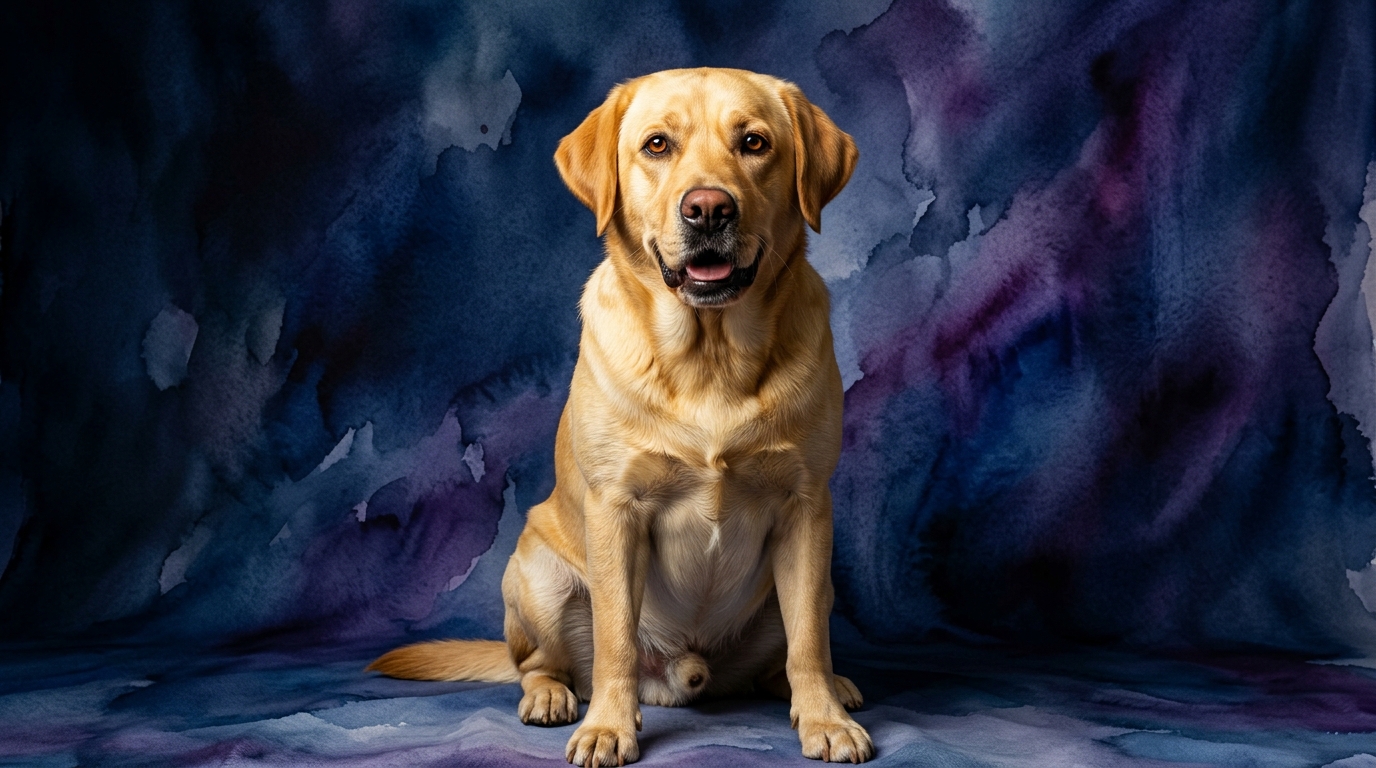
The Labrador Retriever, a Sporting group member, holds a Coren rank of #7, signifying their high work intelligence and obedience. Their Problem Solving is rated 4/5, indicating practical adaptability and an ability to learn from experience. Training Speed is a stellar 5/5, reflecting their eagerness and quick comprehension. Social Intelligence scores a perfect 5/5, showcasing their exceptional ability to read human cues and integrate into family dynamics. Instinctive Drive is 4/5, primarily channeled into retrieving and companionship. Their Memory stands at 4/5, allowing for good retention of routines and learned tasks.
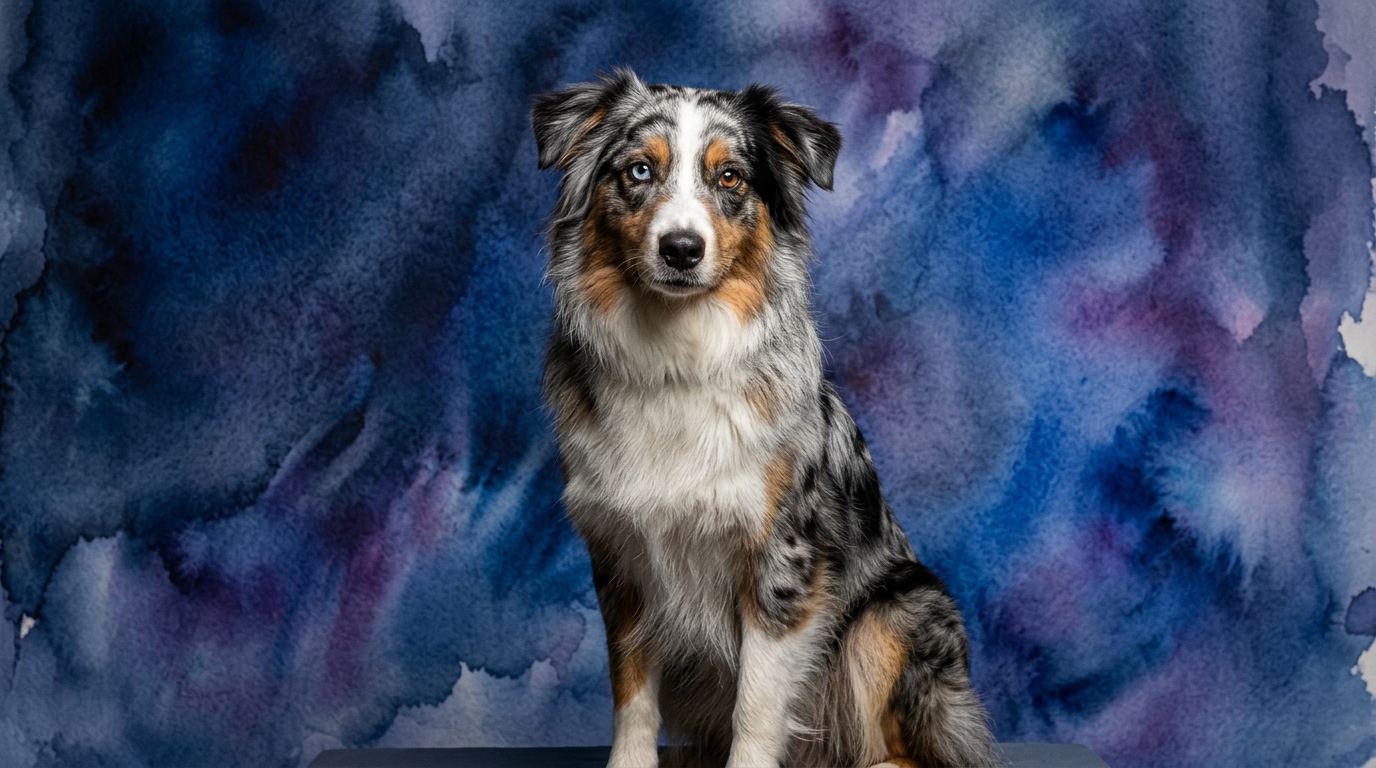
The Australian Shepherd, a Herding group member, is not Coren-ranked but exhibits a distinct cognitive profile. Their Problem Solving is an outstanding 5/5, highlighting their strategic thinking and capacity for complex tasks. Training Speed matches the Labrador at 5/5, demonstrating rapid learning. Social Intelligence is 4/5, indicating keen observation but sometimes a more reserved approach to new people. Instinctive Drive is a powerful 5/5, rooted in their herding heritage and a strong desire for purpose. Their Memory is also a remarkable 5/5, allowing for the retention of intricate sequences and long-term recall.
Where the Labrador Retriever Excels Cognitively
The Labrador Retriever's cognitive strength particularly shines in their exceptional Social Intelligence, scoring a perfect 5/5. This dimension goes beyond mere friendliness; it describes their profound ability to interpret subtle human emotions, body language, and vocal inflections, allowing them to adapt seamlessly to diverse social environments and anticipate their family's needs. This deep attunement makes them unparalleled companions, therapy animals, and service dogs, where understanding human vulnerability is paramount.
Furthermore, their balanced Instinctive Drive (4/5) contributes to their cognitive ease of integration. While they possess strong retrieving instincts and a moderate prey drive, these are typically channeled into cooperative play and shared activities rather than an intense, independent drive for a 'job.' This means their cognitive energy is often directed towards interaction and pleasing their humans, making them highly receptive to guidance and less prone to developing their own disruptive 'tasks' if not constantly challenged with high-level mental work.
Where the Australian Shepherd Holds a Cognitive Edge
The Australian Shepherd's cognitive prowess is most evident in their superior Problem Solving (5/5) and exceptional Memory (5/5). Aussies are not just quick learners; they are strategic thinkers capable of analyzing situations, understanding cause-and-effect relationships, and devising multi-step solutions to complex challenges. Whether it's navigating an intricate agility course or figuring out how to manipulate a puzzle toy, their minds are constantly working to solve, adapt, and predict.
Their powerful Instinctive Drive (5/5) further enhances these cognitive strengths. This intense drive for purposeful work, inherited from generations of herding, fuels their focus and persistence. When combined with their remarkable memory, Aussies can retain vast amounts of information, complex command sequences, and intricate patterns of movement over long periods. This makes them outstanding in dog sports, advanced obedience, and working roles where sustained concentration and the application of sophisticated learned behaviors are critical.
Ease of Training: A Nuanced Comparison
Both breeds boast a perfect 5/5 in Training Speed, indicating they absorb new commands rapidly. However, the 'ease' of training can differ based on an owner's experience and expectations. The Labrador Retriever's high Social Intelligence and profound desire to please make them incredibly receptive to basic obedience. They tend to focus directly on their handler, eager for approval and rewards, which often makes initial training stages feel straightforward and highly rewarding for novice owners.
The Australian Shepherd, while also learning commands instantly, requires a more consistent, creative, and challenging training approach due to their superior Problem Solving and intense Instinctive Drive. An Aussie might learn a command in minutes but will quickly become bored or begin 'self-employing' (e.g., herding children or objects) if not given mentally stimulating tasks. Their exceptional Memory means they remember both correct and incorrect behaviors, demanding precision and unwavering consistency from their trainer to mold their independent thinking into desired actions. For those seeking a highly cooperative, straightforward learner for general companionship, the Labrador might feel 'easier,' whereas the Australian Shepherd demands an active, engaged training partner to truly harness their full cognitive potential.
Suitability for Active vs. Varied Lifestyles
For owners with highly active lifestyles, particularly those keen on dog sports, extensive outdoor adventures, or engaging in purposeful work, the Australian Shepherd is an ideal match. Their powerful Instinctive Drive (5/5) and need for consistent mental and physical challenges mean they thrive when given a 'job' or regular, high-intensity activities. An Aussie needs an owner who can commit to channeling their considerable energy and strategic mind into productive outlets, preventing boredom-driven behaviors.
The Labrador Retriever, while undoubtedly an active breed, is better suited for owners seeking a companion adaptable to a more varied lifestyle. Their high Social Intelligence (5/5) allows them to find contentment in strong family bonds and interactive play, even if daily activities aren't always high-octane. They enjoy vigorous walks, retrieving games, and swimming, but their cognitive and physical needs can often be met through consistent family interaction and regular, engaging training sessions, rather than requiring the constant, intense task-oriented work an Aussie typically seeks.
The Verdict
Choose a Labrador Retriever if you prioritize a highly adaptable, socially intuitive companion who thrives on family integration and whose cooperative drive is easily channeled into shared activities.
Opt for an Australian Shepherd if you are an experienced, active individual or family prepared to provide extensive mental and physical stimulation, embracing a partner who excels in complex tasks and requires a purposeful outlet for their intense working instincts.
🧠 Find Your Pet's IQ Score
Our Pet IQ Lab assessment covers 25+ tests across 5 cognitive dimensions — personalized to your breed.
Take the Full IQ Test →Frequently Asked Questions
Are Australian Shepherds suitable for first-time dog owners?
Their intense drive and sophisticated problem-solving abilities mean they require consistent, experienced guidance and extensive mental stimulation. While highly trainable, a first-time owner might find their needs challenging without dedicated research and a strong commitment to advanced training and engaging activities.
Do Labradors need a lot of mental stimulation?
Yes, Labradors benefit greatly from mental engagement, though perhaps less intensely than an Aussie. Their social intelligence means they thrive on interactive games, obedience training, and puzzle toys, which satisfy their natural curiosity and desire to engage with their human companions, contributing to their overall well-being.
Which breed is better for agility sports?
Both breeds can excel, but the Australian Shepherd often holds an edge in advanced agility due to their superior problem-solving, exceptional memory for complex courses, and intense instinctive drive. Labradors also perform well, particularly enjoying the cooperative aspect and the opportunity for vigorous exercise with their handler.