Side-by-Side IQ Profile: Labrador Retriever vs. Bichon Frisé
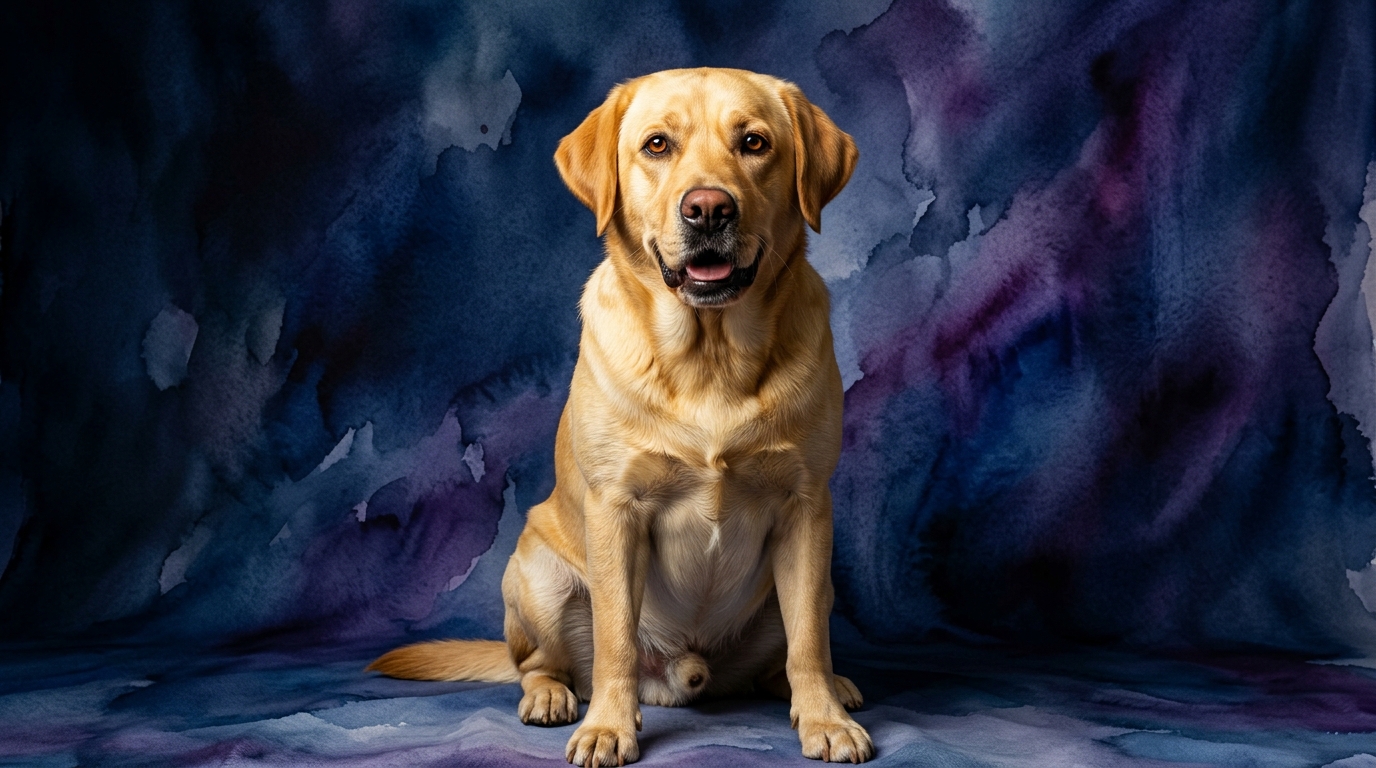
The Labrador Retriever, ranked #7 on the Coren intelligence scale within the Sporting Group, showcases a robust suite of cognitive abilities. Their Problem Solving score of 4/5 indicates a strong capacity for figuring out novel situations and multi-step tasks, often requiring strategic thought. A Training Speed of 5/5 means they acquire new commands and routines with impressive swiftness, often needing minimal repetitions. Their Social Intelligence at 5/5 highlights an exceptional ability to interpret human cues and intentions, fostering deep cooperative bonds. An Instinctive Drive of 4/5 signifies a powerful internal motivation for tasks like retrieving, scent work, and physical activity, rooted in their working heritage. Finally, a Memory score of 4/5 suggests they retain complex sequences, learned behaviors, and spatial information effectively over time.
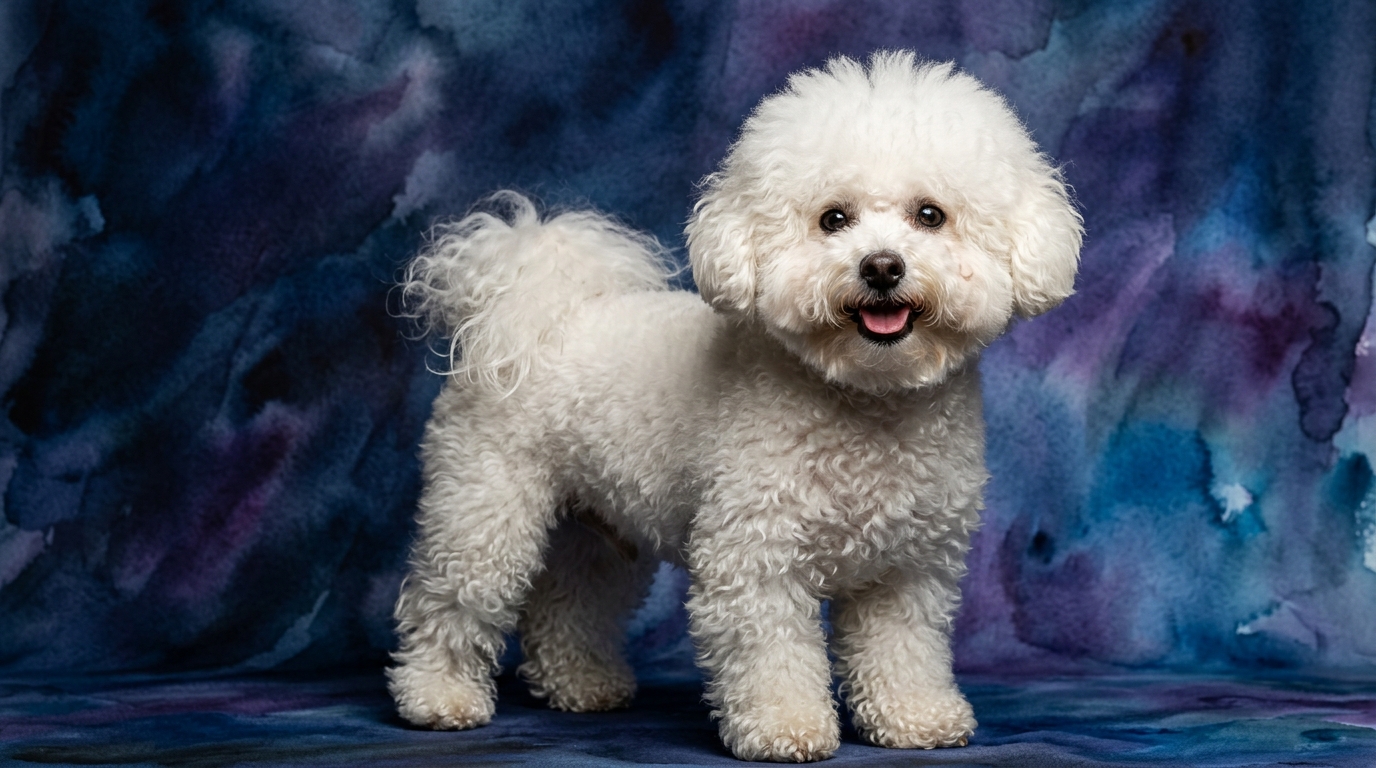
In contrast, the Bichon Frisé, a Non-Sporting breed ranked #45 on the Coren scale, presents a different cognitive emphasis. Their Problem Solving is rated at 3/5, meaning they can learn to navigate familiar challenges and routines but may require more guidance when faced with entirely new puzzles. A Training Speed of 3/5 indicates they are capable of learning, though they typically require more consistent repetition and patience compared to their Sporting counterparts. Where they truly shine is their Social Intelligence, matching the Labrador at 5/5, demonstrating a profound attunement to human emotions and a strong desire for interaction and companionship. Their Instinctive Drive is a modest 2/5, reflecting a diminished focus on independent hunting or working tasks, prioritizing social engagement instead. Their Memory, at 3/5, allows them to recall routines and familiar faces, but perhaps not the intricate details of complex, multi-stage activities with the same precision as a Labrador.
Where the Labrador Retriever Excels Cognitively
The Labrador Retriever's cognitive strengths are particularly evident in their aptitude for practical application and rapid skill acquisition. Their 4/5 Problem Solving score, coupled with a 5/5 Training Speed, allows them to master intricate tasks quickly, making them exceptionally well-suited for roles requiring precision and adaptability, such as guide work, search and rescue, or competitive obedience. For instance, a Labrador can quickly learn the sequence of opening a specific cupboard, retrieving a designated item, and bringing it to their handler, demonstrating both their problem-solving and memory capabilities. Their 4/5 Instinctive Drive fuels a persistent focus on tasks, meaning once motivated, they are less likely to abandon a challenge. This drive, often expressed as a strong desire to retrieve or follow scents, can be channeled into productive activities, providing mental engagement through structured 'work' or advanced training exercises.
Their superior memory also plays a crucial role in their ability to perform complex, multi-step commands over extended periods, remembering specific locations or cues crucial for their working roles. This cognitive profile makes them adept at generalizing learned behaviors to new situations, a hallmark of their functional intelligence. When presented with a slight variation of a previously solved problem, a Labrador is more likely to apply existing knowledge to find a solution rather than starting from scratch, showcasing cognitive flexibility that goes beyond simple rote memorization.
Where the Bichon Frisé Excels Cognitively
While the Bichon Frisé may not boast the same raw problem-solving or training speed as a Labrador, their cognitive strengths lie deeply within the realm of social and emotional intelligence. Their perfect 5/5 Social Intelligence score means they are incredibly adept at understanding and responding to human emotions, making them exceptional companions. A Bichon often reads subtle shifts in an owner's mood or tone, adjusting their behavior to offer comfort or solicit interaction, demonstrating a nuanced understanding of social dynamics within a household. This keen awareness allows them to integrate seamlessly into family life, often becoming the emotional barometer of the home.
Furthermore, their lower 2/5 Instinctive Drive means they are typically less distracted by external stimuli like prey or distant scents, allowing them to remain more focused on their human companions. This lack of strong independent drive contributes to their suitability as indoor companions, as their primary focus is often directed towards interaction with their family rather than external environmental exploration. Their 3/5 Problem Solving and Memory, while not as high as the Labrador's, are perfectly adequate for learning household routines, parlor tricks, and maintaining consistent behavior within a structured, loving environment, especially when motivated by their strong social bond.
Which is Easier to Train and Why?
When considering ease of training, the Labrador Retriever generally presents a more straightforward experience due to their cognitive profile. Their 5/5 Training Speed means they typically grasp new commands and concepts with remarkable rapidity, often requiring only a few repetitions to solidify a behavior. This is further enhanced by their 4/5 Problem Solving, allowing them to understand the 'why' behind a command or the objective of a task more readily. For example, teaching a Labrador to retrieve a specific toy by name or to perform a multi-step agility sequence often progresses quickly, as they are motivated by their inherent drive and possess the mental capacity to process and execute complex instructions. Their eagerness to please and high social intelligence also make them highly cooperative pupils, thriving on positive reinforcement and handler interaction.
The Bichon Frisé, with a 3/5 Training Speed and 3/5 Problem Solving, requires a different approach to training. While not inherently difficult to train, they generally need more patience, consistency, and shorter, more engaging sessions to maintain focus and solidify learning. They may not generalize commands as quickly as a Labrador, meaning a command learned in one environment might need to be reinforced in another. However, their 5/5 Social Intelligence is a powerful training asset; they are highly motivated by praise, affection, and the desire to be close to their human. Leveraging this social bond through positive reinforcement techniques and making training feel like a fun, interactive game is key to their success. For instance, teaching a Bichon to 'spin' or 'play dead' can be highly effective when framed as an opportunity for joyful interaction rather than a rigid command.
Which Suits Active Owners vs. Relaxed Owners?
The Labrador Retriever's cognitive and physical makeup makes them an ideal match for active, engaged owners who seek a canine partner for various endeavors. Their 4/5 Instinctive Drive and robust physical capabilities mean they thrive on regular exercise, mental challenges, and purpose-driven activities. Owners who enjoy hiking, running, dog sports like agility or dock diving, or even those looking for a service or therapy dog, will find the Labrador's intelligence and drive perfectly suited. Their problem-solving abilities and memory allow them to excel in structured training scenarios, making them excellent companions for owners who appreciate a dog that can learn and perform complex tasks. A Labrador will find deep satisfaction in having a 'job' to do, whether it's retrieving the newspaper or excelling in competitive obedience.
Conversely, the Bichon Frisé is an excellent fit for owners seeking a devoted, affectionate companion who thrives on close human interaction and a more relaxed pace of life. Their 5/5 Social Intelligence means they are happiest when they are part of the family's daily activities, content with indoor play, moderate walks, and ample cuddle time. Owners who prioritize companionship, emotional connection, and a dog that is less driven by independent outdoor pursuits will find the Bichon's temperament and cognitive focus on social bonding to be perfectly aligned with their lifestyle. While they still benefit from mental stimulation through play and gentle training, their lower instinctive drive makes them less demanding in terms of intense physical or working requirements, making them suitable for apartment living or less active households.
The Verdict
Choose a Labrador Retriever if you desire a highly trainable, purpose-driven companion for active pursuits, complex tasks, or a working role, valuing their speed of learning and problem-solving aptitude.
Opt for a Bichon Frisé if your priority is a deeply affectionate, socially intelligent companion who thrives on close interaction and a more relaxed lifestyle, appreciating their emotional attunement and charming personality.
🧠 Find Your Pet's IQ Score
Our Pet IQ Lab assessment covers 25+ tests across 5 cognitive dimensions — personalized to your breed.
Take the Full IQ Test →Frequently Asked Questions
Can a Bichon Frisé learn complex tricks?
Yes, a Bichon Frisé can certainly learn complex tricks, especially when training leverages their high social intelligence and desire for interaction. While their training speed is 3/5, consistent, positive reinforcement and making the learning process fun will yield impressive results.
Do Labrador Retrievers require significant mental stimulation?
Absolutely. Labrador Retrievers, with their 4/5 problem-solving and 4/5 instinctive drive, require substantial mental stimulation to prevent boredom and destructive behaviors. Engaging them with puzzle toys, advanced training, and 'work' like retrieving games is crucial for their well-being.
Which breed is better for first-time dog owners?
Both breeds can be suitable for first-time owners, but their needs differ. Labrador Retrievers are generally easier to train due to their rapid learning, but require an owner committed to channeling their high energy and drive. Bichon Frisés are delightful companions, but their training requires more patience and consistency, making them ideal for owners who prioritize companionship and are prepared for consistent, gentle guidance.