A Tale of Two Cognitive Profiles: Labrador Retriever vs. Coton de Tuléar
The Cosmic Pet Pet IQ Lab assesses canine cognition across five vital dimensions. Understanding these scores for the Labrador Retriever and Coton de Tuléar illuminates distinct approaches to learning, problem-solving, and social engagement, moving beyond generalized notions to specific cognitive architecture.
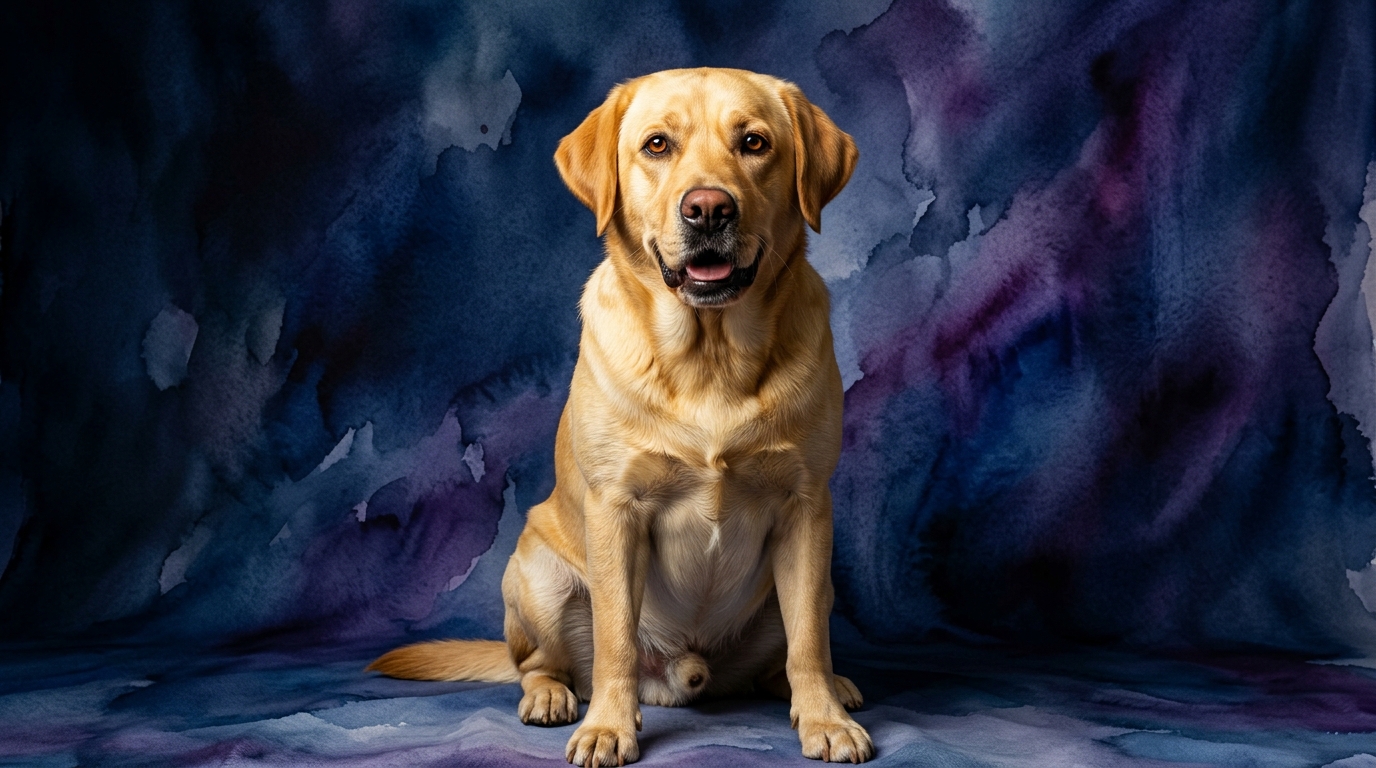
The Labrador Retriever, a distinguished member of the Sporting group and notably ranked #7 by Stanley Coren for working and obedience intelligence, presents a compelling cognitive profile. Their Problem Solving is rated 4/5, indicating a strong capacity for analytical thought and strategic task completion. Training Speed is an exceptional 5/5, reflecting rapid learning and command acquisition. Social Intelligence also scores a perfect 5/5, highlighting their profound understanding of human cues and group dynamics. An Instinctive Drive of 4/5 underscores their innate motivation for specific tasks like retrieving, while Memory stands at a solid 4/5, enabling excellent recall of learned behaviors and spatial information.
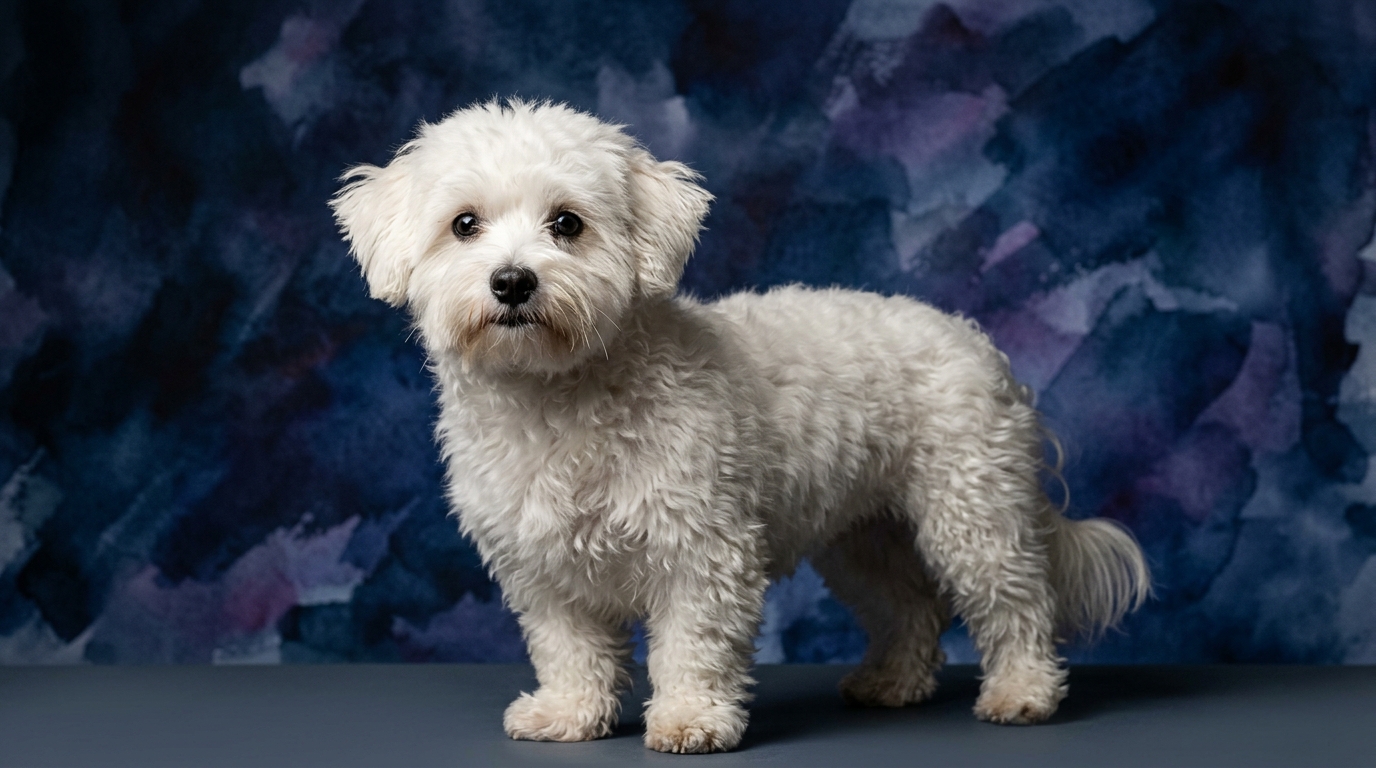
Not on Coren's list, their intelligence leans towards companionship. Each of their five cognitive dimensions—Problem Solving, Training Speed, Social Intelligence, Instinctive Drive, and Memory—registers a consistent 3/5. This suggests a dog capable of navigating its environment and learning basic commands, but with a pace and depth differing from specialized working breeds. Their cognitive strengths lie in adaptability and deep personal bonds, not demanding intellectual challenges.
Labrador Retriever: Masters of Application and Cooperation
The Labrador Retriever's cognitive edge is most apparent in their superior Training Speed and Social Intelligence, both scoring 5/5. This combination translates into a dog that not only grasps new concepts and commands with remarkable swiftness but also possesses an innate desire to cooperate and understand human intent. They excel at multi-step tasks, quickly associating verbal cues with actions and demonstrating an almost intuitive grasp of what is expected of them in a training context.
Their Problem Solving (4/5) and Memory (4/5) further amplify these strengths. Labs are adept at figuring out how to retrieve a hidden object, navigate an obstacle course, or even open a cabinet they shouldn't. This isn't just about brute force; it involves strategic planning and recalling past successes or failures. Their strong instinctive drive (4/5) provides the sustained motivation needed to pursue and complete these tasks, making them exceptional candidates for roles requiring focus and persistence, from assistance work to complex scent detection.
Coton de Tuléar: Acumen in Companionship and Adaptability
While the Coton de Tuléar's scores are consistently 3/5, this doesn't diminish their unique cognitive strengths. Their Social Intelligence, though a 3/5, is profoundly tuned to the nuances of human-family interaction. Cotons often display a remarkable ability to read the emotional states of their owners, offering comfort or initiating play at just the right moment. This form of social cognition emphasizes empathetic connection and adaptability within a domestic setting rather than complex group dynamics or task-oriented cooperation.
Their Problem Solving (3/5) might not be about complex puzzles, but it's effective in their world. A Coton might cleverly figure out how to get your attention for a walk, or how to subtly position themselves for maximum cuddle potential. Their Memory (3/5) ensures they recall household routines and familiar faces, contributing to their reputation as stable and comforting companions. These cognitive traits combine to create a dog that is emotionally responsive and seamlessly integrates into family life, requiring less in the way of structured intellectual challenge and more in the way of consistent, affectionate interaction.
Training Dynamics: Eagerness vs. Engagement
When it comes to ease of training, the Labrador Retriever holds a distinct advantage, primarily due to their 5/5 Training Speed and high Social Intelligence. Labs are often described as 'eager to please' and possess a powerful work ethic, making them highly receptive to instruction. They form associations rapidly, generalizing learned behaviors across different environments with relative ease. Their strong instinctive drive, often directed towards retrieving or working alongside their human, means they are naturally motivated to engage in training activities, especially when rewards are involved. This translates to quicker mastery of complex command sequences and a higher success rate in advanced obedience or specialized tasks.
The Coton de Tuléar, with a 3/5 Training Speed, requires a different approach. They are certainly trainable, but they may need more repetitions and a greater emphasis on making training fun and engaging rather than solely task-driven. Their motivation often stems from the desire for companionship and positive interaction, meaning harsh methods are counterproductive. House-training, for instance, might demand more patience and consistency from Coton owners compared to a Labrador. While they learn, their pace is more measured, and their problem-solving tends to be applied to navigating social situations or getting attention rather than dissecting complex obedience drills.
Matching Cognitive Needs to Lifestyle
The cognitive profiles of these two breeds naturally align with different owner lifestyles. The Labrador Retriever, with its high scores in Problem Solving, Instinctive Drive, and overall training aptitude, thrives in active environments. These are dogs that genuinely enjoy having a job to do, whether it's retrieving bumpers, participating in agility, or accompanying their owners on long hikes. Their robust mental and physical energy demands regular outlets; without sufficient engagement, a bored Labrador might channel their cognitive prowess into less desirable activities, like exploring the limits of your pantry or redesigning your garden.
Conversely, the Coton de Tuléar is an ideal match for individuals or families seeking a more relaxed, yet deeply affectionate, companion. Their consistent 3/5 scores across the board indicate a dog that is content with moderate daily walks, indoor play, and significant cuddle time. While they appreciate mental stimulation, it doesn't need to be as intense or structured as a Labrador's. Their social intelligence is perfectly suited for being a constant, comforting presence, adapting well to apartment living or quieter homes where their primary role is that of a beloved family member rather than a working partner.
The Verdict
Choose the Labrador Retriever if you seek a highly trainable, driven companion for active pursuits, dog sports, or assistance work, and can provide ample mental and physical engagement for their robust cognitive needs.
Opt for the Coton de Tuléar if your lifestyle suits a charming, affectionate companion content with moderate activity, thriving on close family bonds, and offering emotional solace rather than complex tasks.
🧠 Find Your Pet's IQ Score
Our Pet IQ Lab assessment covers 25+ tests across 5 cognitive dimensions — personalized to your breed.
Take the Full IQ Test →Frequently Asked Questions
Is a Coton de Tuléar difficult to train?
Coton de Tuléars have a moderate training speed (3/5). They learn best with consistent, positive reinforcement and shorter, engaging sessions. While not as rapid in acquiring new commands as some working breeds, they are certainly trainable with patience.
Do Labrador Retrievers need a lot of mental stimulation?
Absolutely. With high scores in problem-solving (4/5) and instinctive drive (4/5), Labrador Retrievers require significant mental engagement. Without challenging tasks or activities, they can become bored, potentially leading to undesirable behaviors.
How do their social intelligence scores impact owner interaction?
A Labrador's social intelligence (5/5) means they are highly attuned to human cues and group dynamics, making them excellent partners in cooperative tasks. A Coton's social intelligence (3/5) focuses more on forming deep, personal bonds with family members, thriving on affectionate companionship and consistent interaction within their immediate circle.