Side-by-Side IQ Profile
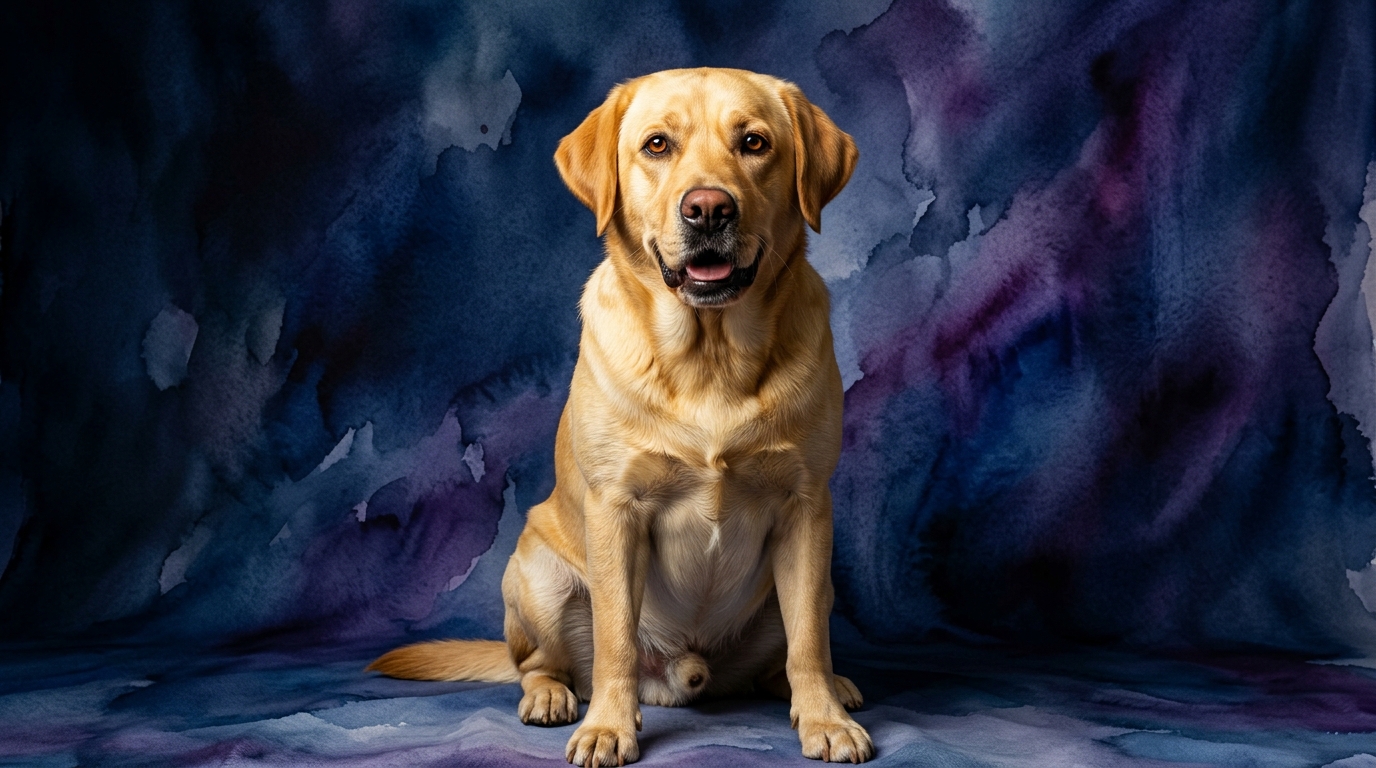
The Cosmic Pet Pet IQ Lab evaluates canine intelligence across five key dimensions. For the Labrador Retriever, these scores are: Problem Solving (4/5), Training Speed (5/5), Social Intelligence (5/5), Instinctive Drive (4/5), and Memory (4/5). This breed demonstrates a strong capacity for figuring out novel situations, adapting learned behaviors to new challenges. They absorb new commands and routines with remarkable swiftness, eager to please and quick to form associations. Their ability to read human cues, understand social dynamics, and integrate seamlessly into family life is exceptional. A robust drive to retrieve and engage in purposeful activities underpins much of their energy, and they retain learned commands, routines, and experiences over long periods, contributing to consistent performance.
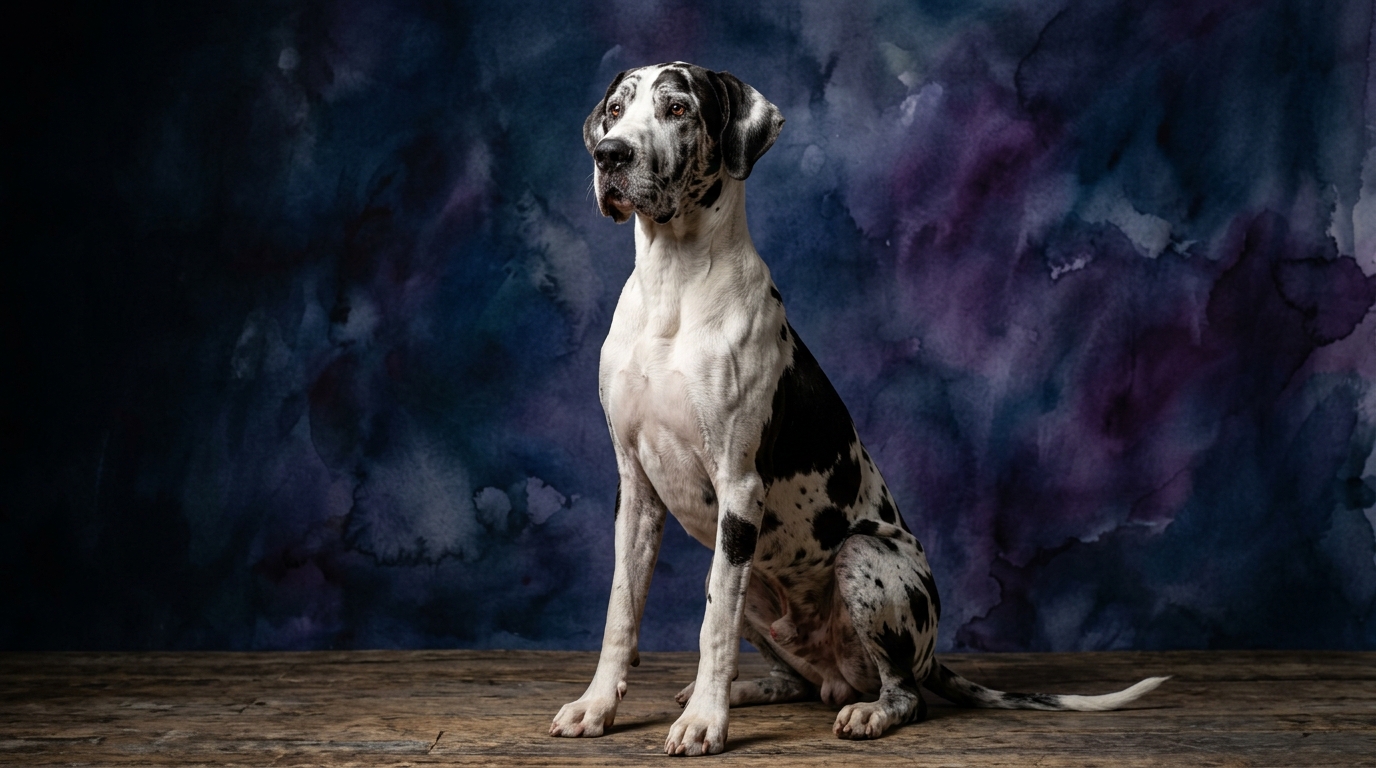
In contrast, the Great Dane's scores are: Problem Solving (3/5), Training Speed (3/5), Social Intelligence (4/5), Instinctive Drive (3/5), and Memory (3/5). While capable, Great Danes approach new problems with a more measured, less spontaneous approach, often requiring more structured guidance. Learning new tasks takes a moderate pace for them, necessitating patience, consistency, and positive reinforcement. They possess a commendable understanding of human emotions and social structures, forming deep bonds and often displaying sensitivity to their family's moods. Their natural drive leans more towards companionship and protection rather than intense working tasks, and they retain information adequately, remembering familiar faces, places, and basic commands.
Where Labrador Retrievers Win Cognitively
The Labrador Retriever's cognitive profile showcases distinct advantages in areas demanding quick uptake and active engagement. Their 5/5 Training Speed means they absorb new commands and routines almost effortlessly, often requiring fewer repetitions than many other breeds. This rapid learning curve translates into faster mastery of basic obedience, complex tasks, and even specialized roles. Combined with a 4/5 in Problem Solving, Labradors excel at adapting learned behaviors to novel situations, whether figuring out how to open a gate or navigating an unfamiliar obstacle course. Their exceptional 5/5 Social Intelligence allows them to finely tune into human emotions and intentions, making them remarkably responsive to subtle cues and excellent partners in cooperative tasks. This attunement often means they anticipate owner needs, a behavior stemming from their deep understanding of social dynamics. Furthermore, a 4/5 Memory ensures that once a lesson is learned, it tends to stick, building a reliable foundation for an extensive repertoire of behaviors. This comprehensive cognitive package makes the Labrador an extremely versatile and trainable companion, eager to participate in activities alongside their human family.
Where Great Danes Win Cognitively
While the Great Dane's overall scores might appear lower than the Labrador's, their cognitive strengths are significant and geared towards different, equally valuable attributes. The Great Dane shines with a 4/5 in Social Intelligence, indicating a profound capacity for understanding and responding to human emotions and family dynamics. This isn't just about obedience; it's about a deep, empathetic connection. They are often described as sensitive giants, capable of discerning distress in their owners and offering comfort, a nuanced application of their social understanding. This high social intelligence contributes to their reputation as devoted, gentle companions who thrive on close family bonds. Their 3/5 in Instinctive Drive means their primary motivation isn't intense work but rather companionship and a watchful, protective presence. This translates into a calm, often serene demeanor within the home, making them less prone to restlessness or demanding constant tasks. Their Problem Solving at 3/5, combined with their generally more relaxed pace, means they approach challenges with a thoughtful, rather than impulsive, mindset. Their cognitive profile supports their role as majestic, empathetic family members, whose presence often serves as a comforting anchor.
Which is Easier to Train and Why
When evaluating ease of training, the Labrador Retriever generally presents a more straightforward experience due to its superior scores in Training Speed (5/5) and Instinctive Drive (4/5). Labradors possess an inherent eagerness to cooperate and a strong desire to please, which significantly accelerates the learning process. They are quick to associate commands with actions and rewards, making them highly receptive to positive reinforcement methods. Their natural drive means they often seek out engagement and purpose, allowing owners to channel this energy into productive training sessions. A Labrador typically picks up new commands or complex sequences with fewer repetitions and greater enthusiasm.
The Great Dane, with its 3/5 Training Speed and 3/5 Instinctive Drive, requires a different approach. While certainly trainable, they tend to learn at a more deliberate pace. Their motivation often stems more from their bond with their owner than an innate desire for work or constant activity. This means training sessions need to be shorter, more consistent, and exceptionally positive to maintain their interest and prevent boredom. A Great Dane might take longer to master a 'stay' command, not due to a lack of understanding, but perhaps a momentary lack of intense motivation or a desire to be closer to their human. Their sheer size also means that early and consistent training is paramount for leash manners, requiring a firm but gentle hand and patience. The Labrador's natural inclination towards active participation makes the training journey generally smoother and faster.
Which Suits Active Owners vs. Relaxed Owners
The cognitive and behavioral profiles of these two breeds offer clear distinctions for different owner lifestyles. The Labrador Retriever, with its 4/5 Instinctive Drive and high scores in Problem Solving and Training Speed, thrives with active owners who can provide consistent mental and physical stimulation. These dogs are built for activity, whether retrieving, swimming, hiking, or participating in dog sports. Their keen memory and problem-solving abilities mean they benefit immensely from structured training and puzzle toys that challenge their minds. An owner who enjoys daily long walks, runs, or engages in outdoor adventures will find the Labrador an enthusiastic and capable companion, eager to share in these experiences. Without adequate outlets for their energy and cognitive engagement, Labradors can become bored and develop undesirable behaviors.
Conversely, the Great Dane, characterized by its 3/5 Instinctive Drive and generally more composed demeanor, is often a better fit for relaxed owners, particularly once they mature past their energetic puppy stage. While young Great Danes certainly have bursts of energy, adult Danes are typically content with moderate daily exercise, such as a leisurely walk or playtime in a secure yard, followed by extensive lounging. Their high Social Intelligence (4/5) means they deeply value companionship and being close to their family, often preferring to 'supervise' from the comfort of the couch. Owners who appreciate a calm, affectionate presence and are prepared for the logistics of a very large dog in their home will find the Great Dane an ideal match. They don't demand constant tasks or intense physical challenges, instead offering a serene and devoted presence, making them wonderful companions for those with a more laid-back lifestyle.
The Verdict
Choose a Labrador Retriever if you seek an active, highly trainable partner for sports, outdoor adventures, or cooperative tasks, valuing their quick learning and enthusiastic participation.
Opt for a Great Dane if you desire a gentle, devoted giant who thrives on companionship and a calm home environment, appreciating their empathetic nature and serene presence.
🧠 Find Your Pet's IQ Score
Our Pet IQ Lab assessment covers 25+ tests across 5 cognitive dimensions — personalized to your breed.
Take the Full IQ Test →Frequently Asked Questions
Is a Labrador Retriever generally more cognitively capable than a Great Dane?
Based on The Cosmic Pet Pet IQ Lab's metrics, the Labrador Retriever generally exhibits higher scores across problem-solving, training speed, instinctive drive, and memory. This suggests a broader range of cognitive agility and a quicker uptake of new information and tasks compared to the Great Dane.
How do their training requirements differ due to their cognitive profiles?
Labrador Retrievers, with their high training speed and drive, typically learn commands and tasks more rapidly and require consistent engagement to channel their energy. Great Danes, while trainable, learn at a more deliberate pace, necessitating shorter, more patient sessions focused on positive reinforcement and building a strong bond.
Which breed's social intelligence makes them a better family dog?
Both breeds possess strong social intelligence, making them excellent family companions. Labradors excel with a 5/5, showing exceptional attunement to human cues and a desire to integrate into family activities. Great Danes, at 4/5, offer deep empathy and devotion, often forming strong, sensitive bonds, making them equally wonderful, albeit calmer, family members.