Side-by-Side Cognitive Profile: Lab vs. Chin
At The Cosmic Pet Pet IQ Lab, we assess canine intelligence across five key dimensions. Understanding these metrics helps us appreciate the unique cognitive architecture of each breed. Let's delve into how the Labrador Retriever, a Sporting group member ranked #7 by Coren, compares to the Japanese Chin, a charming Toy breed not specifically Coren-ranked.
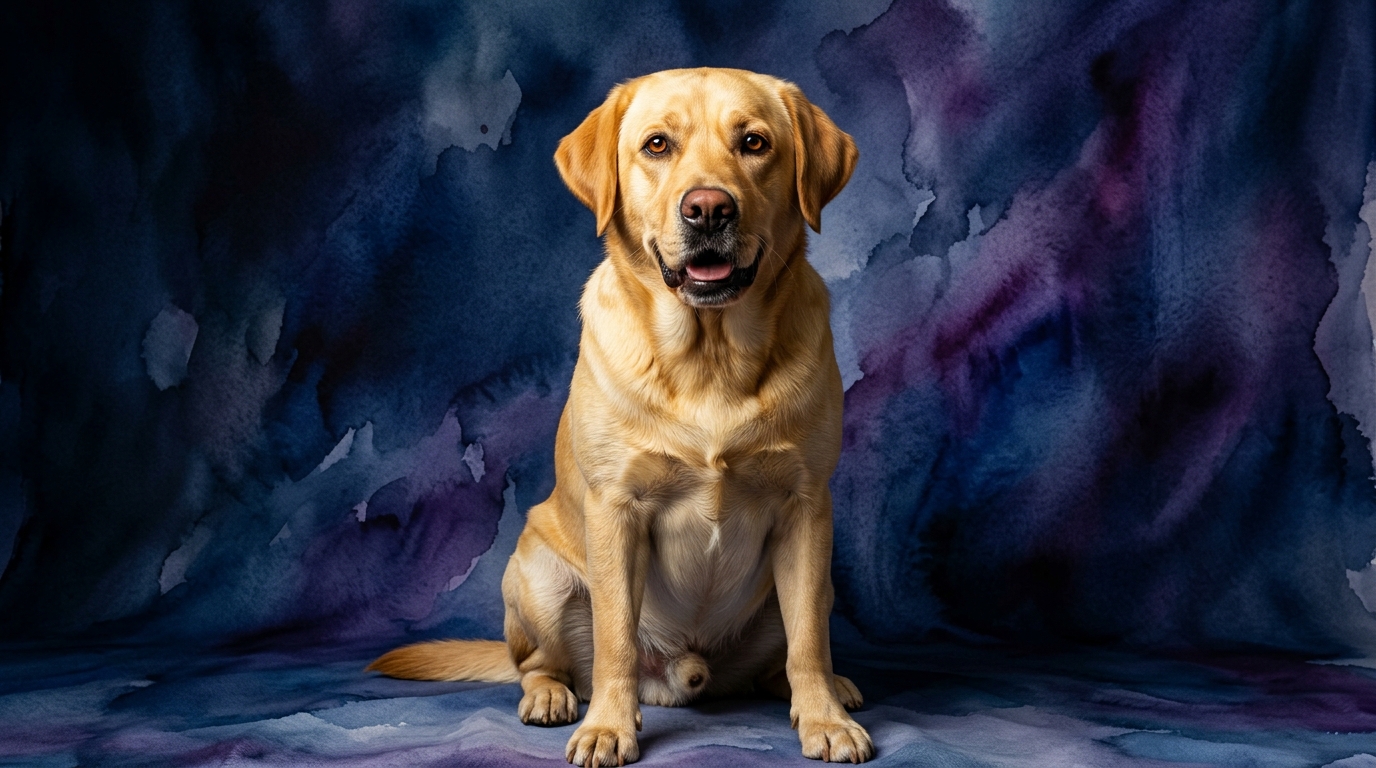
The Labrador Retriever presents a profile geared towards practical application and cooperative work: Problem Solving (4/5), reflecting their adeptness at navigating complex physical tasks like retrieving game or manipulating puzzle toys. Their Training Speed (5/5) indicates a rapid acquisition of new commands and routines, often mastering tasks in few repetitions. Social Intelligence (5/5) highlights their exceptional attunement to human cues, understanding intentions, and adapting behavior in social contexts. An Instinctive Drive (4/5) underscores strong natural predispositions for retrieving, scent work, and water activities, pursued with focused determination. Finally, their Memory (4/5) suggests good retention of learned commands, routes, and associations over time.
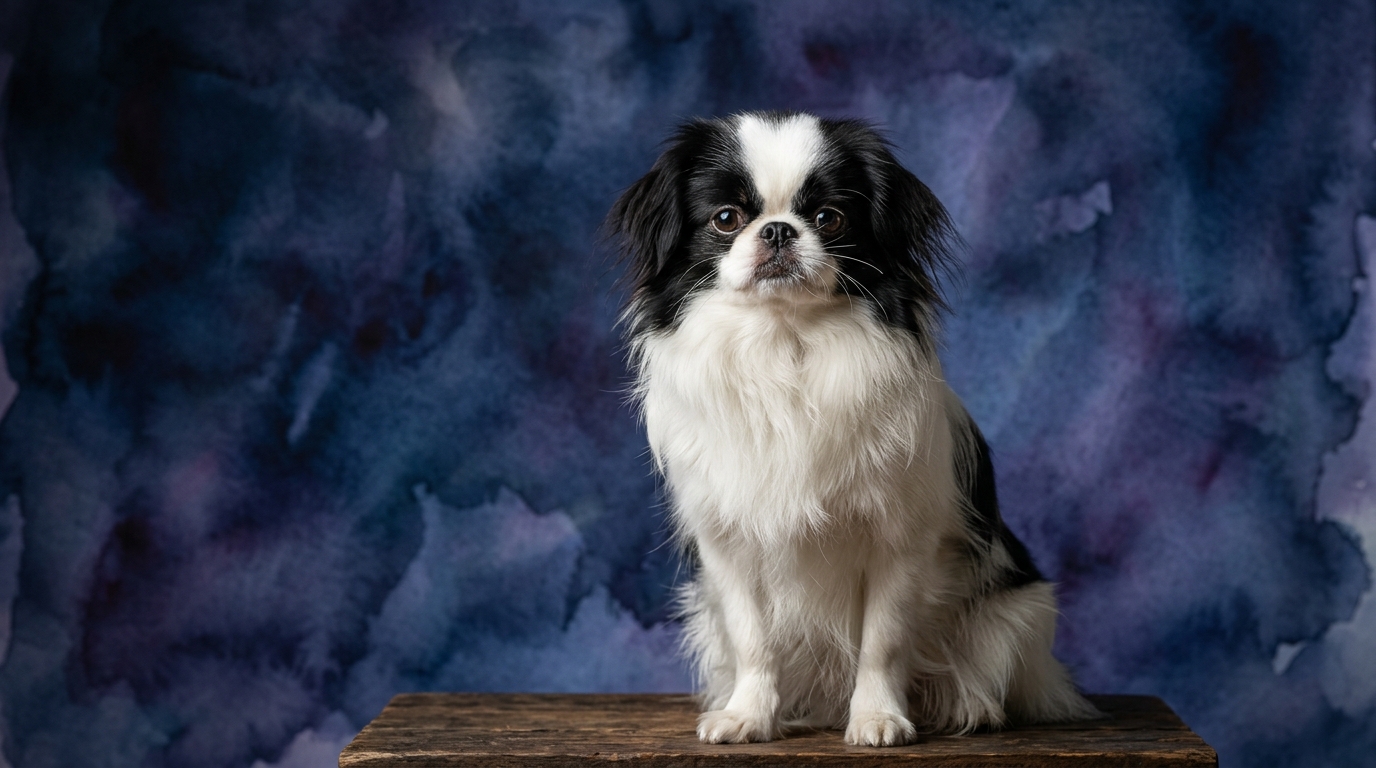
The Japanese Chin, on the other hand, exhibits a profile more aligned with companionship and nuanced interaction: Problem Solving (3/5), meaning they can solve simple puzzles or navigate familiar environments, but might find multi-step, novel challenges more demanding. Their Training Speed (3/5) indicates they learn commands at a moderate pace, benefiting from patience and consistent, positive reinforcement. Social Intelligence (3/5) shows they connect well with primary caregivers and familiar individuals, though they may be more reserved in new social settings. An Instinctive Drive (3/5) points to a moderate drive for companionship and play, lacking the strong working instincts of sporting breeds. Their Memory (3/5) reflects retention of familiar routines and basic commands, though complex sequences might require more reinforcement.
Where the Labrador Retriever Excels Cognitively
The Labrador Retriever's cognitive strengths are deeply rooted in their history as working dogs, making them exceptionally capable in environments demanding collaboration and physical application of intellect. Their problem-solving ability, rated at 4/5, shines in scenarios requiring them to figure out how to access hidden objects, navigate challenging terrains to retrieve an item, or master multi-step puzzle feeders. This isn't just about raw brainpower, but about a practical intelligence focused on achieving tangible goals.
Furthermore, their outstanding training speed (5/5) and social intelligence (5/5) work in tandem, allowing them to form exceptionally strong cooperative bonds with humans. Labs are remarkably receptive to instruction, quickly grasping new commands and routines because they are eager to understand and comply with human expectations. This eagerness, combined with their ability to read human body language and tone, makes them highly trainable for complex tasks, from service work to competitive obedience. Their strong instinctive drive (4/5) for activities like retrieving or scent work provides an intrinsic motivation that can be channeled into focused, persistent engagement during training and activities, often requiring less external coaxing once they are engaged in a task. This drive fuels their capacity for sustained effort, allowing them to reliably perform sequences of actions over extended periods, supported by their 4/5 memory for learned routines.
Where the Japanese Chin Shines Cognitively
While the Japanese Chin's cognitive profile differs from the Lab's, their intellectual strengths are no less significant, particularly within their niche as devoted companions. Their social intelligence, rated at 3/5, is often expressed through a subtle yet profound understanding of their owner's emotional states and preferences within an intimate household setting. They might not be retrieving ducks, but they are masters at sensing when their human needs quiet comfort or a gentle nudge for playtime, adapting their behavior to maintain household harmony. This isn't about broad social engagement, but a keen awareness of their primary human's nuances.
The Chin often exhibits a distinct selective intelligence, prioritizing learning and interactions that directly enhance their comfort and connection with their human. Their problem-solving (3/5) might manifest not in complex outdoor tasks, but in devising clever strategies to secure a favored lap spot, communicate a desire for a treat, or gain attention from their owner. They excel at mastering the 'art of companionship,' understanding and responding to cues that benefit their bond and well-being. Their moderate instinctive drive (3/5) is predominantly directed towards social connection and comfort, making them less inclined towards independent, task-oriented pursuits that might disrupt a calm home environment. This cognitive leaning towards proximity and interaction simplifies their role within a family, allowing them to be a consistently devoted and observant presence.
Training Dynamics: Labrador Retriever vs. Japanese Chin
When it comes to ease of training, the Labrador Retriever generally holds a significant advantage. Their 5/5 training speed is a direct outcome of their inherent desire to work cooperatively with humans and their exceptional capacity to quickly grasp and retain commands. Labs thrive on clear directives and positive reinforcement, often requiring only a few repetitions to master a new behavior. Their high social intelligence (5/5) means they actively seek to understand and comply with human expectations, making them highly responsive to cues and eager to please. For example, a Labrador will typically learn foundational commands like 'sit,' 'stay,' or 'come' within a handful of dedicated sessions and eagerly perform them, often driven by their instinctive desire to engage and their strong memory (4/5) for learned sequences. Their robust instinctive drive (4/5) for activities like retrieving can be effectively channeled into structured training, enhancing their focus and motivation.
Training the Japanese Chin, while entirely achievable, typically requires a different approach and more patience. Their 3/5 training speed means they learn at a more moderate pace, and their focus might be less sustained compared to a Labrador. While affectionate, their social intelligence (3/5) is often geared towards intimate companionship rather than broad task-oriented cooperation, meaning they might not always prioritize a human's training agenda over their own comfort or curiosity. They respond best to short, fun, positive reinforcement sessions, as prolonged or overly demanding training can lead to disengagement. For instance, teaching a Chin to consistently come when called might necessitate more consistent, high-value rewards and a quieter environment, as their motivation is often more intrinsic to their comfort and bond rather than a strong working drive. Success with a Chin often depends on making training feel like a playful interaction rather than a demanding task.
Matching Canine Cognition to Lifestyle: Active vs. Relaxed Owners
For owners with an active lifestyle, the Labrador Retriever is an exceptional match. Their robust physical endurance, combined with their 4/5 instinctive drive and practical problem-solving abilities, means they thrive in environments that offer significant physical and mental engagement. Activities such as hiking, running, swimming, and various dog sports like agility, obedience, and scent work are not just tolerated but actively enjoyed by a Lab. Owners who relish spending substantial time outdoors and engaging in structured activities will find the Labrador a willing, capable, and enthusiastic partner, eager to participate and mentally stimulated by new challenges. Their energy levels and inherent need for engagement mean they truly flourish when given a 'job' or ample opportunities to channel their intellect and physical prowess.
Conversely, the Japanese Chin is a superb fit for more relaxed or less physically active owners. Their moderate instinctive drive (3/5) is primarily directed towards companionship and comfort, making them perfectly content with shorter, leisurely walks, indoor play sessions, and abundant cuddle time on the sofa. While they enjoy a bit of playful activity, their physical demands are minimal compared to a Labrador. Their social intelligence (3/5) shines brightest in a calm household where they can be close to their human companions, observing and participating gently in daily life. Owners who appreciate a devoted, quiet presence and prefer a less demanding exercise routine will find the Chin's temperament and cognitive leanings perfectly aligned with their lifestyle, as their intellectual focus centers on intimate interaction rather than strenuous activity.
The Verdict
Opt for a Labrador Retriever if you seek a highly trainable, versatile companion for an active lifestyle, excelling in cooperative tasks and outdoor adventures that demand both physical and mental engagement.
Select a Japanese Chin if you prefer a devoted, calm presence, thriving on close companionship and a relaxed pace of life where their subtle social intelligence can truly flourish.
🧠 Find Your Pet's IQ Score
Our Pet IQ Lab assessment covers 25+ tests across 5 cognitive dimensions — personalized to your breed.
Take the Full IQ Test →Frequently Asked Questions
Are Japanese Chins difficult to train?
Japanese Chins learn at a moderate pace, benefiting from patient, positive reinforcement and short, engaging sessions, as their focus might be less intense than some working breeds. Consistency and making training fun are key to their success.
Do Labradors need a lot of mental stimulation?
Yes, Labradors thrive on mental challenges and require consistent engagement through training, puzzle toys, and varied activities to satisfy their problem-solving and instinctive drives, preventing boredom and channeling their energy positively.
Which breed is better for first-time dog owners?
Both can be suitable, but the Labrador's eagerness to please and high trainability often makes them a more straightforward choice for active first-time owners willing to meet their significant exercise and training needs. The Chin's lower physical demands suit those seeking a more relaxed companion who can still benefit from consistent, gentle training.