The Cosmic Pet Pet IQ Lab: Cognitive Profiles
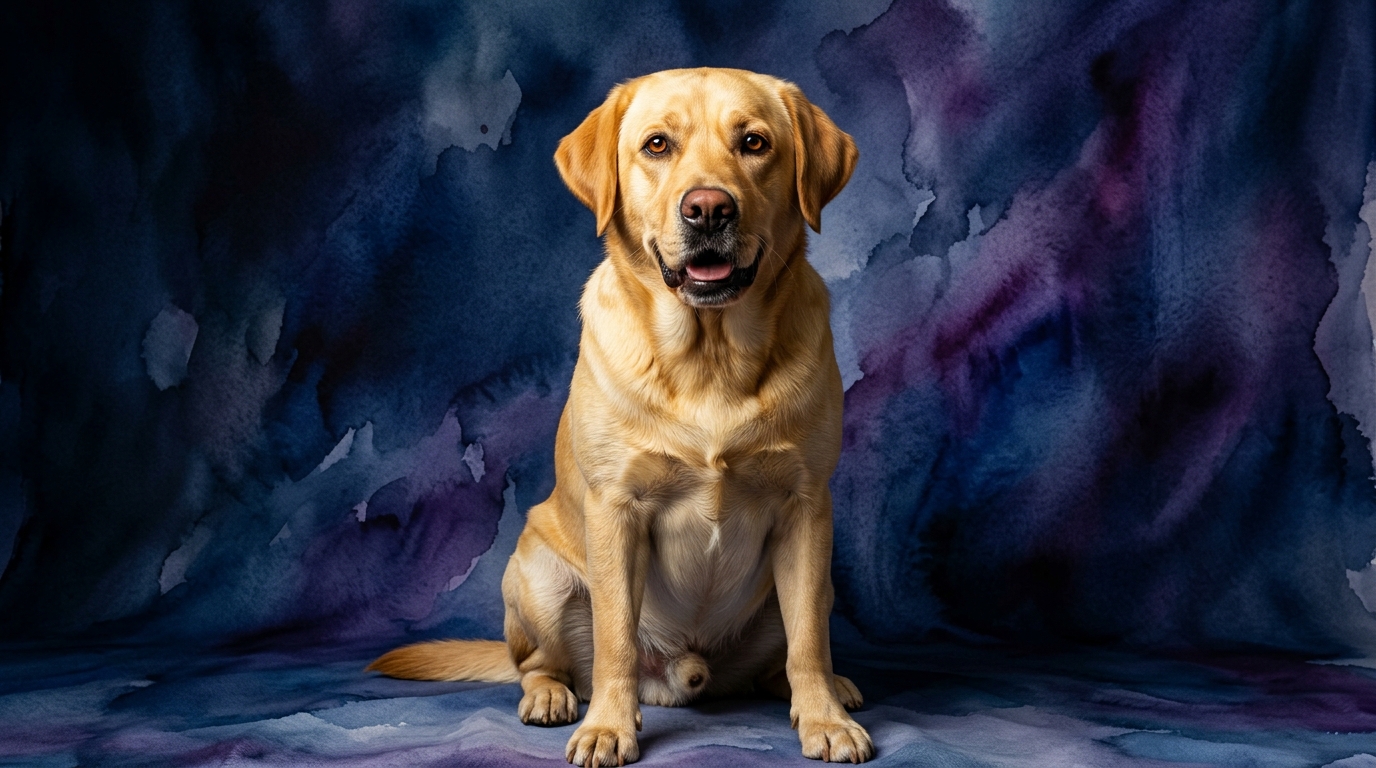
The Labrador Retriever, a breed renowned for its cooperative spirit, consistently demonstrates a strong aptitude across various cognitive dimensions. Our Pet IQ Lab data assigns the Labrador a Problem Solving score of 4/5, reflecting their capacity to navigate complex environments or devise strategies to acquire desired objects, often involving multi-step actions. Their Training Speed is an exceptional 5/5, indicating a rapid acquisition of new commands and behaviors, driven by an eagerness to engage with their human counterparts. Social Intelligence also scores a perfect 5/5, showcasing their profound ability to interpret human body language, vocalizations, and intentions, fostering deep, intuitive bonds. An Instinctive Drive of 4/5 highlights their potent retrieving and scenting abilities, often manifesting as an unwavering focus on specific tasks. Finally, their Memory at 4/5 allows them to recall extensive learned behaviors, specific locations, and individual people over considerable periods.
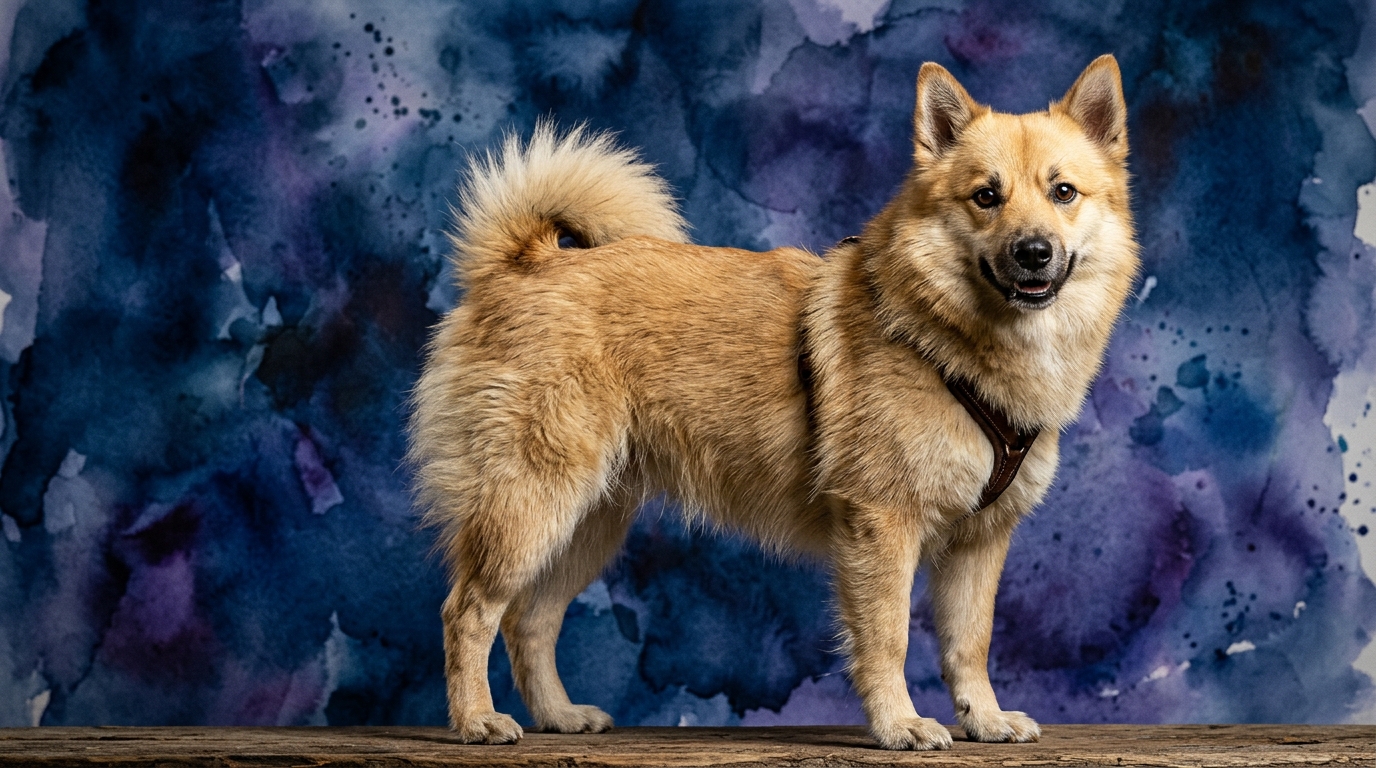
In contrast, the Norwegian Buhund, a vigilant herding dog, presents a distinct cognitive makeup shaped by centuries of independent work. The Buhund’s Problem Solving score is 3/5, indicating an ability to solve practical challenges, such as navigating varied terrain or managing livestock, though perhaps with less emphasis on human-directed puzzle-solving. Their Training Speed is rated 3/5; they learn steadily but may require more consistent motivation and varied approaches due to their independent nature. Social Intelligence, at 3/5, means they form strong attachments but might exhibit a more reserved or selective interaction style compared to the overtly people-centric Labrador, often being more attuned to their immediate environment and other animals. An Instinctive Drive of 3/5 reflects their inherent herding tendencies, vigilance, and vocal communication, which are central to their purpose. Their Memory score of 3/5 suggests a reliable recall for routines and familiar faces, though perhaps not the same depth for intricate, human-initiated tasks as a Labrador.
Labrador Retriever's Cognitive Strengths: Cooperation and Rapid Learning
The Labrador Retriever’s cognitive profile shines particularly bright in areas demanding close cooperation and swift associative learning. Their outstanding Social Intelligence (5/5) means they are exceptionally adept at understanding human cues, often anticipating desires before a command is even fully issued. This translates into their remarkable Training Speed (5/5), where they can quickly link specific actions with verbal commands or hand signals, and internalize complex sequences with minimal repetition. For instance, a Labrador can master a multi-stage agility course or a nuanced retrieve task, like selecting a specific item from a pile, with an efficiency that few other breeds can match.
Furthermore, their Problem Solving (4/5) often manifests in a collaborative context; they excel at figuring out how to achieve a goal when the parameters are set by their human partner. Whether it’s opening a cabinet door to get a treat or navigating an obstacle course to retrieve a toy, the Labrador's approach is typically one of eager engagement and methodical execution, driven by a desire to please and a strong work ethic. Their Instinctive Drive (4/5) for retrieving, coupled with their robust memory, means they not only find what was asked but also remember the process, making them highly reliable for repetitive tasks in working roles.
Norwegian Buhund's Cognitive Strengths: Independent Resourcefulness
The Norwegian Buhund's cognitive strengths lie in areas demanding independent judgment and self-directed problem-solving, a legacy of their herding lineage. While their Problem Solving (3/5) might not always align with human-designed puzzles, it excels in practical, real-world scenarios, such as assessing a flock's movement or identifying potential threats in their environment without constant human instruction. This breed thrives when given a purpose that allows them to utilize their innate vigilance and decision-making skills, rather than solely relying on direct commands.
Their instinctive drive (3/5) is less about retrieving and more about watchful observation, alerting, and managing their perceived domain. A Buhund might not solve a complex puzzle box as quickly as a Labrador, but they are more likely to independently patrol a perimeter, identify an unusual sound, or strategically position themselves to monitor activity. Their memory (3/5) supports this by enabling them to recall complex environmental layouts and the behavior patterns of animals or people, contributing to their effectiveness as a vigilant protector and herder. This independence means their social intelligence, while present, is often expressed through a more self-assured and less overtly seeking-approval manner, valuing mutual respect and clear communication.
Trainability: The Cooperative Learner vs. The Independent Thinker
When considering ease of training, the Labrador Retriever generally presents a smoother path for most owners. Their exceptional Training Speed (5/5) and Social Intelligence (5/5) mean they are highly receptive to instruction, eager to please, and quick to form associations between commands and actions. Labs possess a strong desire to work collaboratively, often offering behaviors to solicit interaction and rewards, making positive reinforcement exceptionally effective. They thrive on clear directives and consistent routines, absorbing new skills with remarkable efficiency, whether it's basic obedience or specialized tasks like service work or advanced scent detection.
The Norwegian Buhund, with a Training Speed of 3/5, requires a different approach. While capable learners, their herding heritage imbues them with a more independent and sometimes questioning mindset. A Buhund might understand a command but choose not to execute it if they perceive their own solution as more efficient or if the motivation isn't compelling enough from their perspective. This isn't stubbornness, but rather a reflection of their historical role where independent decision-making was crucial. Training a Buhund necessitates patience, creativity, and a focus on making tasks engaging and meaningful, often involving varied methods to prevent boredom and maintain their interest. Their social intelligence, while good, doesn't translate into the same level of overt eagerness to please that characterizes the Labrador, meaning rapport building is vital for consistent results.
Matching Energy and Engagement: Activity Levels and Owner Lifestyles
For owners considering activity levels, both breeds are best suited for active households, though their needs manifest differently. The Labrador Retriever, with its strong Instinctive Drive (4/5) for retrieving, swimming, and scent work, thrives on structured activity. They are excellent companions for owners who enjoy hiking, running, or participating in dog sports like agility, obedience, or dock diving. Their social nature means they want to be involved in family activities and require significant mental stimulation through training and interactive play. While adaptable, a truly relaxed owner who offers minimal engagement might find a Labrador develops undesirable behaviors out of boredom or a lack of appropriate outlets for their energy and cooperative drive.
The Norwegian Buhund also requires a significant commitment to activity, albeit with an independent twist. Their herding background necessitates outlets for their vigilance, quick movements, and problem-solving skills. They are not content to be couch potatoes and will seek their own forms of entertainment if not adequately stimulated, which might include excessive barking or self-appointed 'herding' of family members. Buhunds excel in activities that engage their minds and bodies, such as herding trials, agility, or even long, exploratory walks where they can 'monitor' their surroundings. While they appreciate companionship, their independence means they might not constantly solicit interaction like a Labrador, but they still require consistent mental and physical engagement from an owner who understands their intrinsic need for purpose and activity. A truly relaxed owner would likely struggle with the Buhund's inherent drive and self-directed nature.
The Verdict
Choose the Labrador Retriever if you desire an exceptionally cooperative, socially attuned companion who excels in rapid learning and thrives on structured, human-directed tasks, eager to integrate into all family activities.
Choose the Norwegian Buhund if you appreciate an independent, resourceful, and vigilant companion with a strong herding spirit, suited for owners who can provide thoughtful engagement and value a dog's self-directed problem-solving.
🧠 Find Your Pet's IQ Score
Our Pet IQ Lab assessment covers 25+ tests across 5 cognitive dimensions — personalized to your breed.
Take the Full IQ Test →Frequently Asked Questions
Is the Labrador Retriever truly smarter than the Norwegian Buhund?
The concept of 'smarter' is complex; Labs excel in cooperative tasks and rapid associative learning, while Buhunds demonstrate intelligence through independent problem-solving and vigilance. Their cognitive strengths are simply different, adapted to their historical roles, rather than one being universally superior.
How does a Norwegian Buhund's herding instinct affect its trainability?
A Buhund's herding instinct contributes to their independence and vigilance, meaning they may sometimes prioritize their own assessment of a situation over a direct command. This requires patient, engaging training that motivates them by appealing to their problem-solving nature and making tasks meaningful.
Can a Labrador Retriever live happily in an apartment?
A Labrador Retriever can adapt to apartment living if their significant exercise and mental stimulation needs are consistently met. Daily vigorous walks, play sessions, and training are crucial to prevent boredom and ensure their well-being in a smaller living space.