Side-by-Side IQ Profile: Labrador Retriever vs. Otterhound
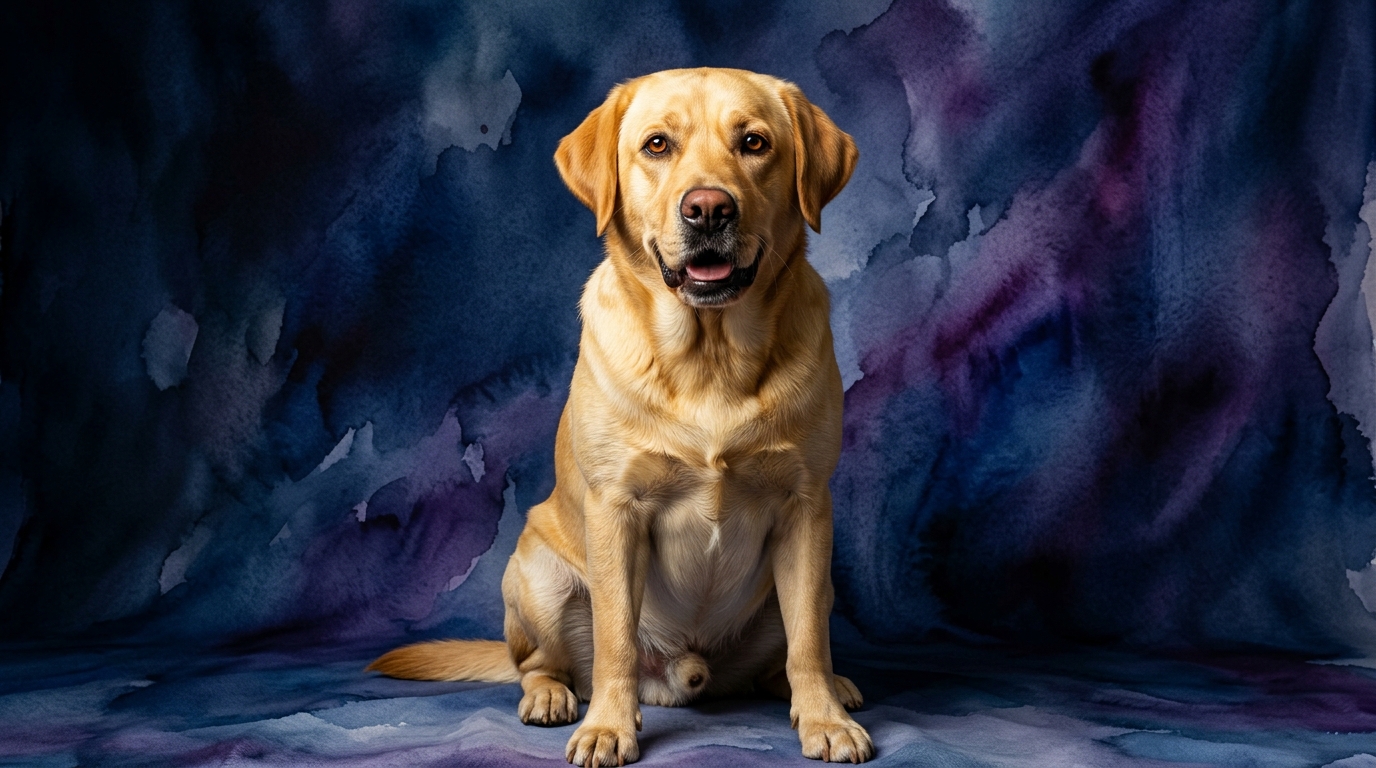
At The Cosmic Pet Pet IQ Lab, we evaluate canine intelligence across five key dimensions. The Labrador Retriever, a Sporting breed ranked #7 by Coren, presents a robust and well-rounded cognitive toolkit. Their Problem Solving score of 4/5 indicates a strong capacity to analyze new situations and devise solutions, often with speed and efficiency. Training Speed is exceptional at 5/5, reflecting their eagerness to learn and retain commands rapidly, making them highly receptive students. Social Intelligence, also 5/5, highlights their strong desire to cooperate and form deep, responsive bonds with humans, often anticipating their needs. An Instinctive Drive of 4/5 points to their inherent retrieving and working instincts, channeled productively. Finally, a Memory score of 4/5 ensures they retain learned behaviors and experiences effectively, building a reliable repertoire.
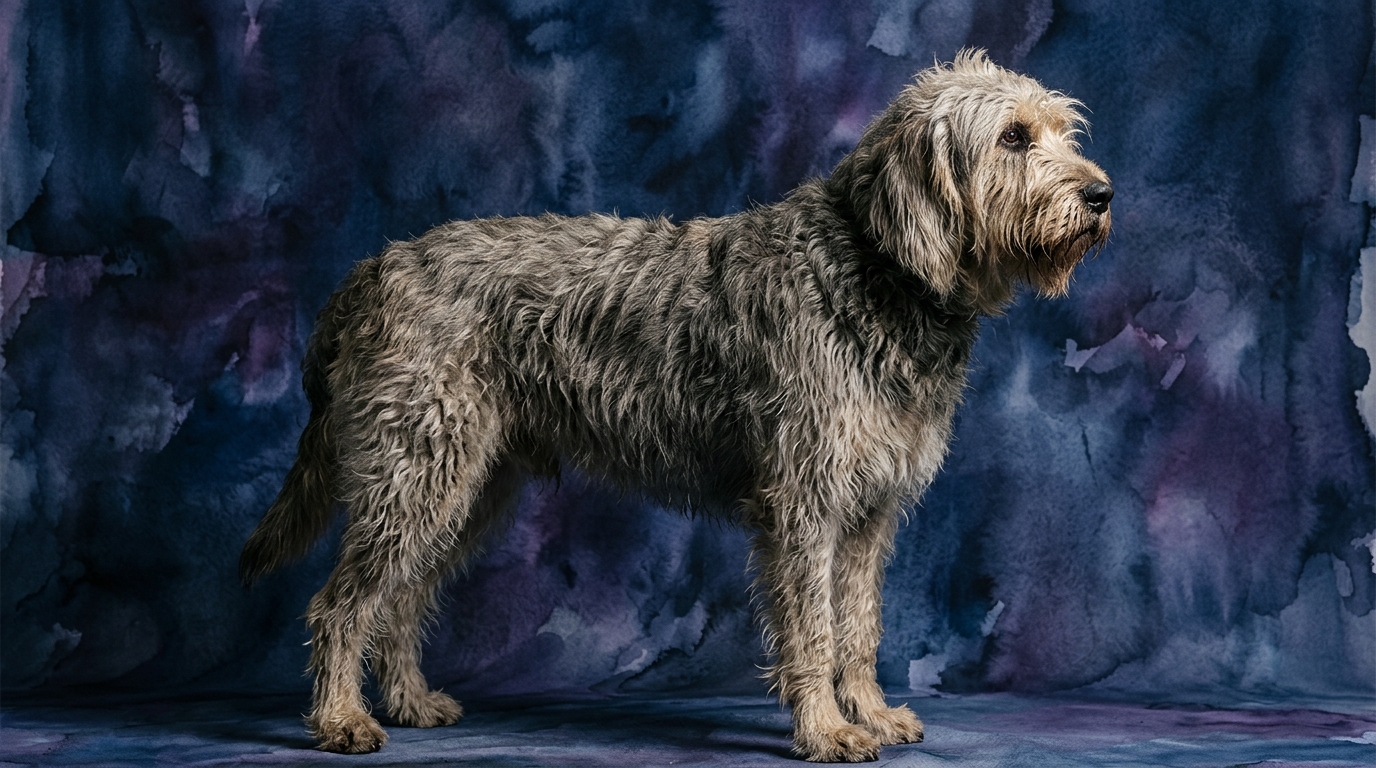
The Otterhound, a Hound breed unranked by Coren, presents a different cognitive landscape, shaped by its specialized purpose. Their Problem Solving is rated 3/5, suggesting they can navigate challenges but might do so with less urgency or more reliance on their primary senses, particularly scent. Training Speed is 3/5, indicating they can learn, but perhaps at a more measured pace and requiring more consistent motivation and patience. Social Intelligence at 3/5 suggests a deep loyalty to their chosen family but less generalized eagerness to please or interact with strangers, often appearing more self-contained. Their Instinctive Drive, also 3/5, is powerfully geared towards scent work, driving their persistence in tracking above all else. Memory, scoring 3/5, means they retain experiences, though perhaps not with the immediate recall or handler-focused application seen in retrievers.
Where the Labrador Retriever Wins Cognitively
The Labrador Retriever's cognitive profile showcases several distinct advantages, particularly in areas valued for versatile working roles and close human companionship. Their Problem Solving score of 4/5, combined with a 5/5 Training Speed, means they excel at adapting to novel tasks and mastering complex command sequences quickly. A Lab can rapidly grasp concepts like opening a specific latch or navigating an intricate obstacle course, often requiring fewer repetitions than many other breeds. This quick uptake makes them exceptional candidates for various dog sports and assistance work where rapid learning is crucial.
Furthermore, their 5/5 Social Intelligence makes them exceptionally attuned to human cues and intentions, leading to a strong desire to please and cooperate. This manifests as a dog who actively seeks engagement, understands subtle body language, and strives to perform tasks correctly to earn praise or rewards. Their 4/5 Instinctive Drive is channeled into retrieving and partnership, making them formidable assets in fields from assistance work to competitive dog sports, where their focus on the task and handler is paramount. The 4/5 Memory score ensures that once a lesson is learned or an experience processed, it sticks, building a reliable repertoire of behaviors and responses over time. This combination of attributes makes the Labrador Retriever a highly adaptable and responsive companion, capable of excelling in a wide array of roles that demand quick thinking and cooperative effort.
Where the Otterhound Wins Cognitively
While the Otterhound's IQ scores might appear lower across the board compared to a Labrador, their cognitive strengths lie in specific, profound areas that reflect their historical purpose. Their 3/5 Instinctive Drive is not a weakness but a highly specialized and potent force, almost entirely dedicated to scenting. An Otterhound's ability to follow a cold trail for miles, through varied terrain and distractions, demonstrates an unparalleled focus and perseverance driven by olfactory cues. This isn't about solving abstract puzzles in a human-centric way; it's about an unwavering, primal dedication to a scent, a form of cognitive endurance that few breeds can match.
Their Problem Solving, while 3/5, is often expressed through this lens of scent work – how to navigate an obstacle to maintain a trail, or how to differentiate a specific scent from a multitude of others. This breed exhibits a form of independent reasoning, where they trust their nose and their own judgment to complete a task, rather than constantly seeking human direction. Their 3/5 Social Intelligence, while not broadly demonstrative, translates into a deep, loyal bond with their immediate family, often characterized by a quiet devotion and a playful, sometimes mischievous, spirit within their trusted circle. They may not be eager to please everyone, but their affection for their chosen people is profound and enduring. This unique blend of relentless scent drive, independent thought, and discerning loyalty defines the Otterhound's distinct cognitive landscape.
Training Ease: Labrador Retriever vs. Otterhound
There's a notable difference in training ease between these two breeds, stemming directly from their core cognitive profiles. The Labrador Retriever, with its 5/5 Training Speed and 5/5 Social Intelligence, is generally far easier to train. Labs possess an inherent eagerness to please their human companions, making them highly receptive to instruction. They pick up new commands rapidly, thrive on positive reinforcement, and are motivated by the opportunity to work alongside their people. Their strong memory (4/5) ensures that once a command is learned, it's rarely forgotten, leading to consistent and reliable performance.
Conversely, the Otterhound, with 3/5 scores in both Training Speed and Social Intelligence, presents a greater training challenge. Otterhounds are independent thinkers, driven primarily by their powerful scenting instincts (Instinctive Drive 3/5, but profoundly focused). They are not inherently motivated by a strong desire to please and can be easily distracted by an interesting smell, often tuning out human commands in favor of following their nose. Training an Otterhound requires immense patience, consistency, and creativity, often needing to incorporate their love of scent work into lessons to maintain engagement. While they are capable of learning, their progress is typically slower, and their compliance less immediate than that of a Labrador. Their memory (3/5) is sufficient, but their independent nature often means they'll weigh whether to comply based on their own priorities, particularly if a compelling scent is present.
Suitability for Active vs. Relaxed Owners
The ideal owner lifestyle for these breeds diverges significantly, reflecting their energy levels, cognitive needs, and drive. The Labrador Retriever, with its robust instinctive drive (4/5) and high problem-solving capacity (4/5), thrives with active owners who can provide consistent mental and physical engagement. They excel in environments where they have a 'job,' whether it's retrieving, participating in dog sports, or being a dedicated hiking partner. Their cooperative nature and eagerness to please make them excellent companions for owners who enjoy training and want a dog actively involved in their daily routines. A Lab can adapt to a more relaxed household, but without sufficient outlets for their energy and intelligence, they can become bored or potentially destructive.
The Otterhound, while possessing a powerful instinctive drive for scenting, often presents a more nuanced activity profile. They are not necessarily 'relaxed' dogs, but their activity is often self-directed and focused on exploration through scent. They require owners who understand and can accommodate their need for long, meandering walks where they can follow their nose, or who can engage them in scent work activities. They are less suited to highly structured, fast-paced activities that don't primarily involve their primary instinct. While they enjoy play, their independent nature (Social Intelligence 3/5) means they might be content to observe or engage on their own terms, making them a better fit for owners who appreciate a dog with a distinct personality and who are comfortable with a less constantly 'on' companion, provided their scenting needs are met. For truly relaxed owners who prefer minimal dog-centric activity, neither breed is an ideal match, but the Lab offers more adaptability, while the Otterhound demands specific, instinct-fulfilling activity.
The Verdict
Select a Labrador Retriever if you seek a highly cooperative, adaptable companion eager to learn and engage in various activities, thriving on partnership and quick understanding.
Opt for an Otterhound if you value a loyal, independent companion with an unparalleled drive for scent work, and you are prepared for a dog that follows its nose and thinks for itself.
🧠 Find Your Pet's IQ Score
Our Pet IQ Lab assessment covers 25+ tests across 5 cognitive dimensions — personalized to your breed.
Take the Full IQ Test →Frequently Asked Questions
Are Otterhounds difficult to live with due to their independence?
Otterhounds are not 'difficult,' but their independence and strong scent drive mean they require patient owners who appreciate their distinct personality. They may wander if off-leash in an unfenced area, driven by a compelling smell, necessitating secure environments.
Do Labrador Retrievers require a lot of mental stimulation?
Yes, Labrador Retrievers benefit significantly from mental stimulation due to their high problem-solving ability and quick training speed. Daily training sessions, puzzle toys, and engaging activities help keep their minds sharp and prevent boredom and unwanted behaviors.
Which breed is better for a first-time dog owner?
The Labrador Retriever is generally a better choice for first-time dog owners due to their higher social intelligence, eagerness to please, and ease of training, offering a more forgiving and cooperative learning experience as you navigate dog ownership.