Side-by-Side Cognitive Profile: Labrador Retriever vs. Papillon
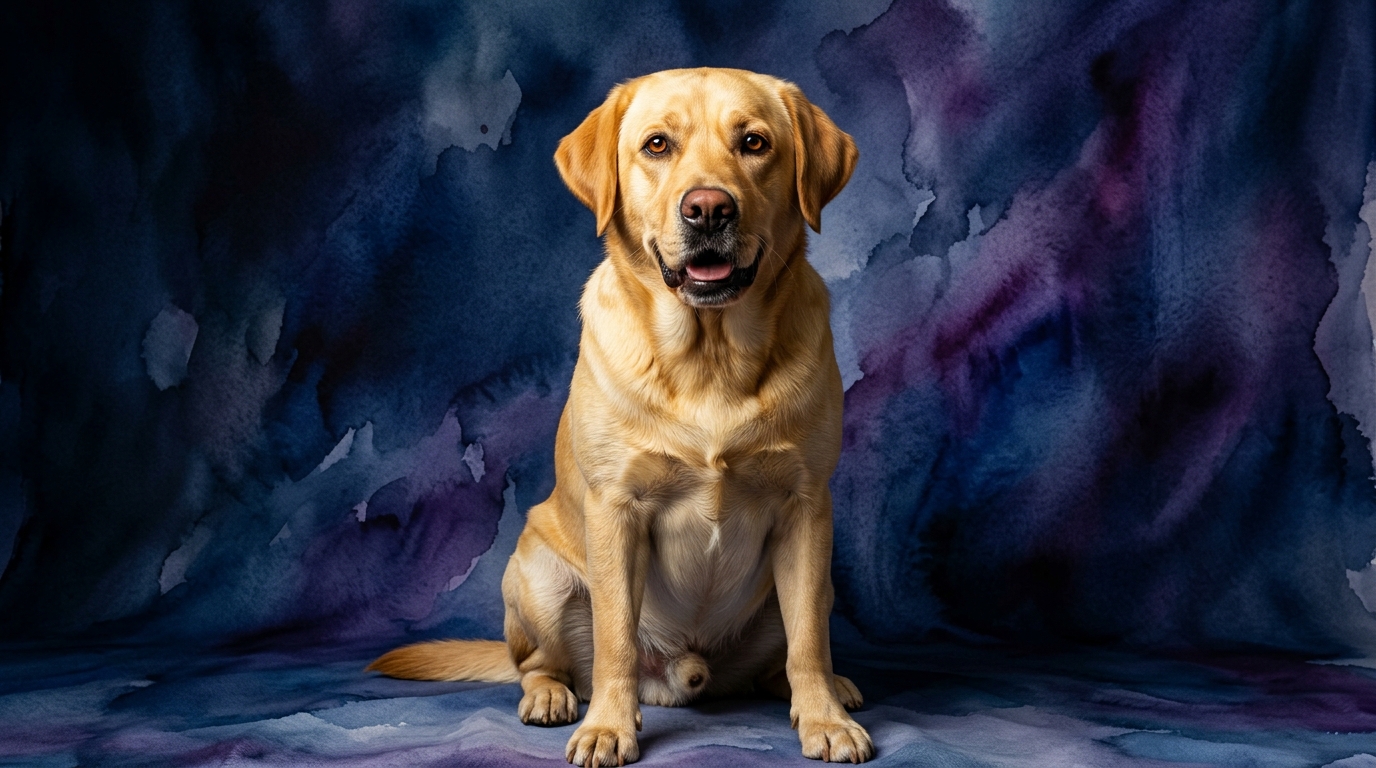
At The Cosmic Pet Pet IQ Lab, we delve beyond general notions to examine specific cognitive dimensions. For the Labrador Retriever, a Sporting breed ranking #7 on Coren's scale, their profile reveals a robust, cooperative intellect. Their Problem Solving rates 4/5, indicating strong abilities to navigate practical challenges and understand multi-step tasks. Training Speed is exceptional at 5/5, reflecting their quick grasp of new commands and routines. Social Intelligence scores a perfect 5/5, showcasing an outstanding capacity to read human cues and integrate into social structures. Their Instinctive Drive is high at 4/5, often expressed through a desire for retrieving and companionship. Finally, their Memory sits at a commendable 4/5, allowing for reliable recall of learned behaviors and experiences.
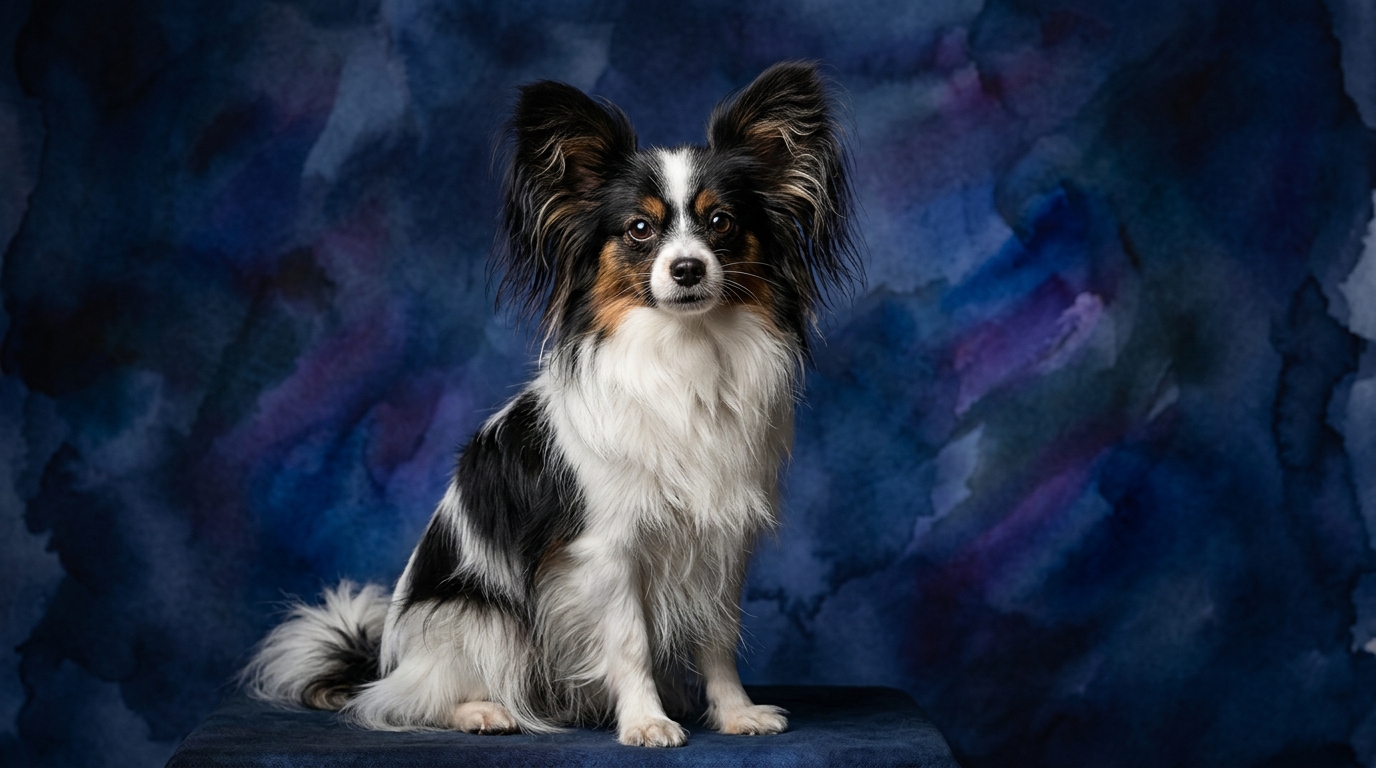
In contrast, the Papillon, a Toy breed ranking #8 on Coren's scale, presents a different yet equally impressive cognitive blueprint. Their Problem Solving excels at 5/5, demonstrating superior strategic thinking and adaptability to novel situations, often with a clever, independent streak. Like the Labrador, their Training Speed is a top-tier 5/5, absorbing new information and commands with remarkable swiftness. Social Intelligence registers 4/5, meaning they form strong bonds and understand their primary human's moods, though perhaps with a narrower focus than the broadly social Labrador. Their Instinctive Drive is moderate at 3/5, often manifesting as curiosity and a desire for mental engagement rather than physical 'work.' The Papillon truly shines in Memory, achieving a perfect 5/5, exhibiting an outstanding capacity for recalling complex sequences, faces, and past events with precision.
Where the Labrador Retriever Excels Cognitively
The Labrador Retriever's cognitive strengths distinctly lie in their collaborative nature and robust social understanding. Their perfect 5/5 Social Intelligence means they are exceptionally attuned to human communication, often anticipating needs and responding to subtle cues. This makes them outstanding partners in any activity that requires close cooperation, from service work to family dynamics. Their 4/5 Instinctive Drive fuels a desire for purpose-driven tasks, particularly those involving retrieval and physical engagement, allowing them to excel in roles where their natural inclinations align with human objectives. When presented with a challenge, their 4/5 Problem Solving skills are geared towards practical, often physical solutions within a defined context, such as navigating an obstacle course to retrieve an item or figuring out how to open a gate through simple manipulation. This blend of social acumen and practical problem-solving makes them highly adaptable team players, eager to engage with their environment and their human companions in a meaningful, cooperative way.
Where the Papillon Excels Cognitively
The Papillon's cognitive prowess shines brightest in their strategic problem-solving and remarkable memory. With a 5/5 in Problem Solving, they often display an uncanny ability to analyze situations and devise clever solutions, sometimes even outsmarting their human companions in gentle ways to achieve their goals. This isn't just about brute force; it's about mental agility and understanding cause-and-effect with intricate detail. Complementing this is their perfect 5/5 Memory, which allows them to retain vast amounts of information, from complex trick sequences to remembering specific interactions or puzzle solutions over long periods. This exceptional recall makes them formidable contenders in activities requiring precision and learning intricate patterns, such as advanced obedience or agility. While their Instinctive Drive is lower at 3/5, it often translates into a strong curiosity and a drive for mental stimulation, making them keen observers and enthusiastic participants in brain games. Their cognitive edge is less about physical labor and more about intellectual finesse, often surprising owners with their capacity for intricate thought.
Which is Easier to Train and Why?
Both the Labrador Retriever and the Papillon boast a 5/5 Training Speed, indicating that both breeds grasp new commands and concepts with remarkable efficiency. However, the 'ease' of training can manifest differently due to their distinct cognitive profiles. The Labrador Retriever's high Social Intelligence (5/5) and strong Instinctive Drive (4/5) for cooperation make them highly biddable and eager to please. They thrive on positive reinforcement and clear directives, readily aligning their actions with human expectations because they genuinely enjoy working alongside their people. Training a Labrador often feels like a highly collaborative effort, where their desire for companionship fuels their willingness to learn and perform tasks, making them excel in obedience, service, and task-oriented roles.
The Papillon, while equally quick to learn, brings a different dynamic to training. Their superior Problem Solving (5/5) and Memory (5/5) mean they can quickly learn *how* to achieve a desired outcome, which might occasionally involve figuring out ways to circumvent rules or manipulate situations if not consistently managed. Their independence, stemming from a slightly lower Social Intelligence compared to the Labrador, means training needs to be engaging, varied, and mentally stimulating to hold their attention. They excel in precision tasks, agility, and trick training, where their mental acuity and exceptional recall are fully utilized. Therefore, while both learn fast, the Labrador is often easier to train for cooperative tasks due to their inherent desire to please, whereas the Papillon is easier to train for complex, mentally challenging tasks due to their strategic thinking and excellent memory, provided the trainer can keep them mentally invested.
Matching Breeds to Lifestyles: Active vs. Relaxed Owners
When considering an owner's lifestyle, the cognitive profiles of these breeds offer clear guidance. The Labrador Retriever, with its high Instinctive Drive (4/5) and robust physical capabilities as a Sporting breed, is ideally suited for active owners. They require significant daily physical exercise, such as long walks, runs, swimming, or retrieving games, to satisfy their innate drives. Their high Social Intelligence (5/5) means they thrive on being an integral part of family activities and can become bored or restless without sufficient engagement and purpose. An owner who enjoys outdoor adventures, dog sports, or simply wants a constant, cooperative companion for an active lifestyle will find a Labrador a fulfilling match, as their cognitive makeup demands both physical and social outlets.
The Papillon, despite being a Toy breed, is far from a sedentary companion. Their exceptional Problem Solving (5/5) and Memory (5/5) mean they require consistent mental stimulation. While their physical exercise needs are more moderate than a Labrador's, they are agile and energetic for their size, enjoying brisk walks, agility courses, and extensive play sessions. A 'relaxed' owner who enjoys engaging in puzzle games, trick training, or dog sports that emphasize mental acuity will find the Papillon a delightful partner. However, an owner seeking a dog content with minimal engagement, physical or mental, would likely find both breeds challenging, as both possess strong cognitive needs that demand consistent interaction and stimulation to prevent boredom and potential behavioral issues. The Papillon can adapt to smaller living spaces but still needs its brain exercised daily.
The Verdict
Choose the Labrador Retriever if you seek a highly cooperative, socially attuned companion eager to participate in family life and outdoor adventures, especially those involving retrieving or water activities.
Choose the Papillon if you appreciate a mentally agile, clever companion excelling in problem-solving and memory, thriving on intricate training, agility sports, or as a partner for intellectual games, fitting well into diverse living situations with dedicated mental exercise.
🧠 Find Your Pet's IQ Score
Our Pet IQ Lab assessment covers 25+ tests across 5 cognitive dimensions — personalized to your breed.
Take the Full IQ Test →Frequently Asked Questions
Are Papillons truly as cognitively capable as larger breeds?
Yes, their high scores in problem-solving and memory demonstrate a sophisticated cognitive capacity, often expressed through mental agility and precision rather than the physical prowess typically associated with larger working breeds.
Do Labradors need a 'job' to be fulfilled?
While not always a formal job, their strong instinctive drive and social intelligence mean they thrive on purpose-driven activities that engage their retrieving instincts and desire for companionship, contributing to their overall well-being.
How do Coren ranks relate to these specific IQ scores?
Coren ranks broadly indicate general trainability and obedience, while the Pet IQ Lab scores offer a granular view into specific cognitive dimensions like problem-solving, memory, and social intelligence, providing a more nuanced understanding of a breed's intellectual makeup.