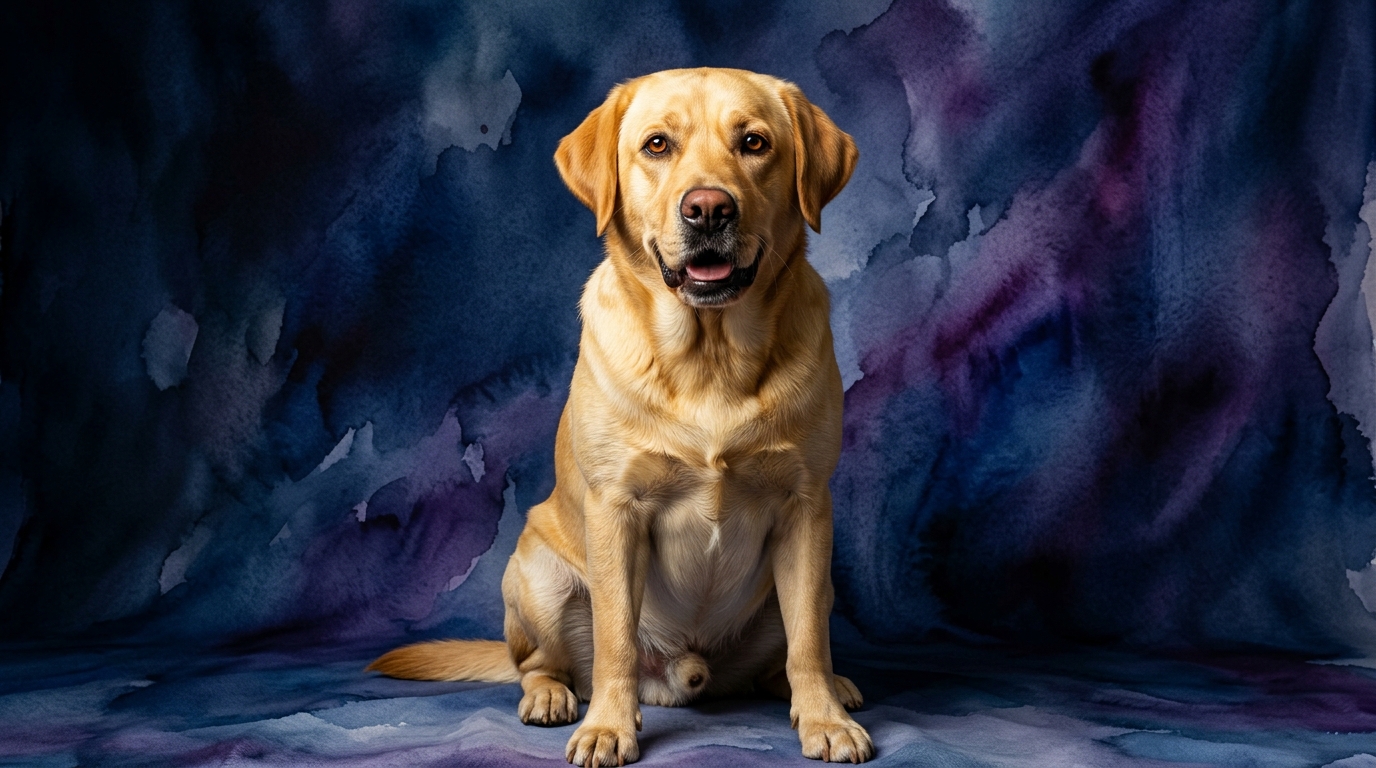
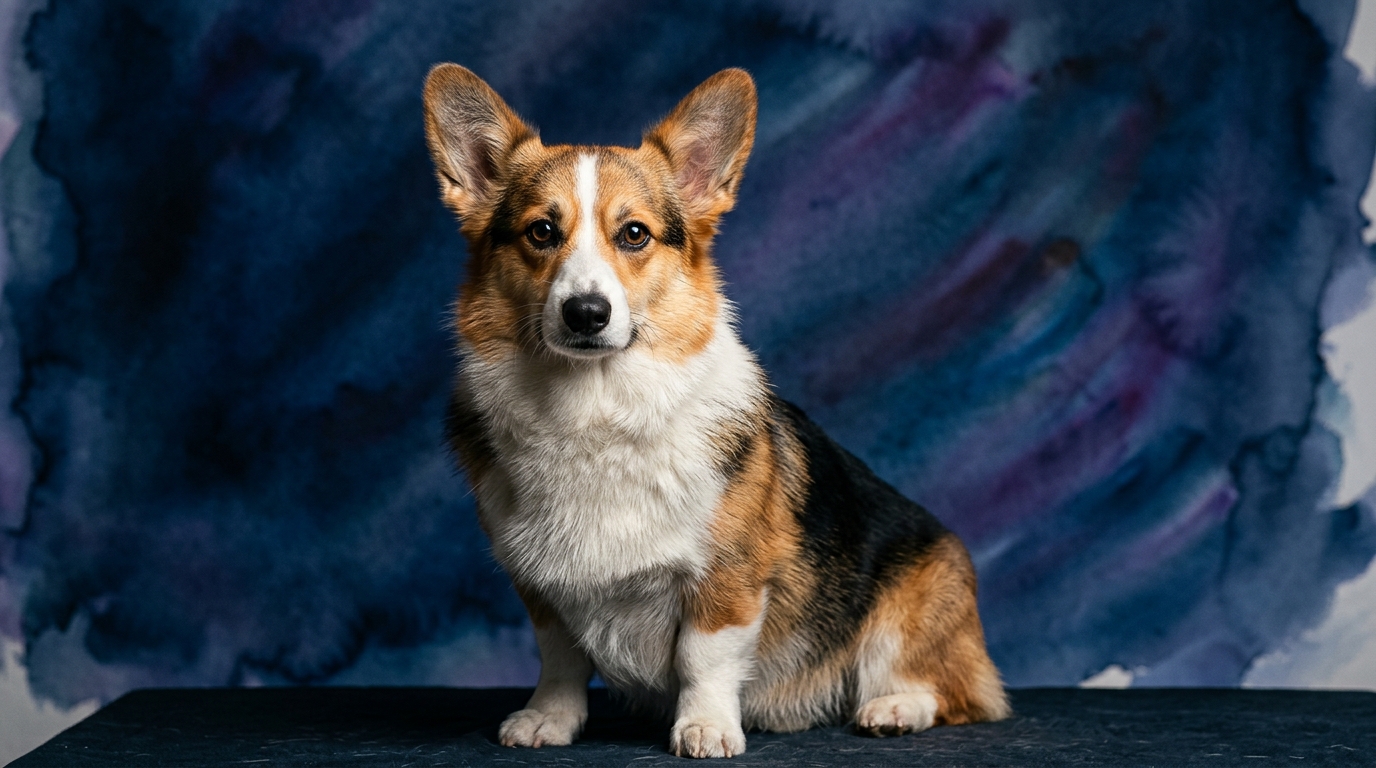
Side-by-Side IQ Profile: Labrador Retriever vs. Pembroke Welsh Corgi
The Cosmic Pet Pet IQ Lab employs a comprehensive framework to assess canine intelligence across five critical dimensions, providing a detailed picture of each breed's cognitive landscape. Here’s how the Labrador Retriever and Pembroke Welsh Corgi measure up:
**Labrador Retriever (Sporting Group, Coren Rank #7)** * **Problem Solving (4/5):** Demonstrates practical, goal-oriented solutions, excelling at retrieving from challenging spots or navigating scent trails, using senses and learned experience. * **Training Speed (5/5):** Incredibly quick learners, rapidly associating commands with actions due to their eagerness to please and high motivation for rewards, making them highly receptive. * **Social Intelligence (5/5):** Possesses exceptional social acumen, highly attuned to human emotions and intentions, adept at reading cues, and thriving in cooperative tasks, making them empathetic. * **Instinctive Drive (4/5):** Prominent retrieving drive, water affinity, and desire to carry objects, robust yet typically well-channeled and directed by their human partners in various roles. * **Memory (4/5):** Strong retention of learned commands, routines, and the identities of people and places over time, contributing to their reliability and consistency.
**Pembroke Welsh Corgi (Herding Group, Coren Rank #11)** * **Problem Solving (4/5):** Displays resourceful and often independent problem-solving, devising clever strategies to overcome obstacles or manipulate situations, driven by strong will. * **Training Speed (5/5):** Learns commands swiftly, grasping new concepts rapidly; however, their independent streak necessitates consistent motivation and clear boundaries for compliance. * **Social Intelligence (4/5):** Engages well socially, interacting playfully and assertively, but can be discerning and opinionated compared to the more universally agreeable Lab. * **Instinctive Drive (5/5):** Exceptionally strong herding instinct, a complex cognitive program enabling them to manage and direct livestock with strategic thinking, often expressed through nipping or circling. * **Memory (4/5):** Excellent recall for routines, commands, and boundaries, applying past experiences to refine problem-solving or navigate preferred daily schedules.
Where the Labrador Retriever Excels Cognitively
The Labrador Retriever's standout cognitive strength lies in its **Social Intelligence (5/5)**, which surpasses the Corgi's (4/5). This superior social acumen translates into a profound ability to understand and respond to human intentions, making them exceptionally cooperative partners. Labs are masters at reading subtle cues, anticipating desires, and working collaboratively towards shared goals, whether it’s retrieving a dropped item or providing emotional support.
Furthermore, their problem-solving, while rated equally at 4/5, often manifests differently. A Lab's problem-solving is typically geared towards achieving a specific, often human-directed, objective with enthusiasm and persistence. They are less likely to devise independent, potentially mischievous solutions, preferring to engage with their owner to navigate challenges, making them highly intuitive companions in various working and family roles.
Where the Pembroke Welsh Corgi Shines Cognitively
The Pembroke Welsh Corgi's **Instinctive Drive (5/5)** is a clear cognitive advantage when it comes to their specific historical role, outranking the Lab's (4/5). Their deeply ingrained herding instinct isn't just a physical compulsion; it's a complex cognitive program that enables them to manage and direct livestock, often much larger than themselves, with strategic thinking. This drive fuels their ability to assess situations, anticipate movement, and exert control, showcasing a formidable working mind.
This powerful instinct also influences their **Problem Solving (4/5)**. While rated the same as the Lab, a Corgi's problem-solving often exhibits a more independent and sometimes cunning approach. They are adept at finding creative, self-serving solutions to everyday challenges, such as figuring out how to open a cupboard or manipulate a situation to get extra attention, reflecting a cleverness born from centuries of independent decision-making in the field.
Which is Easier to Train and Why?
Both breeds receive a perfect **Training Speed (5/5)** score, indicating they are quick to grasp new concepts and commands. However, the *ease* of training can diverge based on their underlying motivations and behavioral tendencies. The Labrador Retriever's exceptional Social Intelligence and strong desire to please their human companions make their training process often feel more fluid and cooperative. They are eager to comply, motivated by positive reinforcement and the joy of working alongside their owner, leading to rapid and consistent adherence to commands.
In contrast, while the Pembroke Welsh Corgi learns commands just as quickly, their robust Instinctive Drive and independent problem-solving can introduce a different dynamic to training. A Corgi might understand *what* you want but will weigh it against *what they want* or *what their instincts tell them*. Training a Corgi often requires more consistent reinforcement, firm yet fair boundaries, and creative engagement to channel their strong-willed nature and herding behaviors, such as nipping, into appropriate outlets, transforming training into a more nuanced negotiation of wills.
Suitability for Active vs. Relaxed Owners
For **active owners**, both breeds can be excellent choices, though they thrive on different types of engagement. The Labrador Retriever, with its high energy, strong retrieving drive, and affinity for water, is an ideal partner for long hikes, swimming, field sports, agility, and extensive outdoor adventures. Their stamina and desire for cooperative work make them superb companions for owners who enjoy shared physical activities and structured tasks.
The Pembroke Welsh Corgi, while smaller, is far from a sedentary dog. Their intense herding drive and clever problem-solving mean they require significant mental and physical stimulation, suitable for active owners who appreciate dynamic, engaging activities like agility, herding trials, nose work, or complex puzzle toys. They excel in bursts of activity and mental challenges, needing consistent engagement to prevent boredom and channel their strong working instincts, making them a spirited companion for those who enjoy interactive play and training.
For **relaxed owners**, the distinction becomes more pronounced. A truly relaxed lifestyle might struggle to meet the inherent needs of either breed without careful management. A Labrador Retriever, even with lower instinctive drive than a Corgi, still possesses considerable energy and a need for purpose; without sufficient exercise and mental stimulation, they can become restless or destructive. While adaptable, a Lab thrives on activity and human interaction.
The Pembroke Welsh Corgi, despite its compact size, is not a 'lap dog' meant for a purely relaxed existence. Their high Instinctive Drive and independent nature demand consistent mental challenges and outlets for their herding tendencies. A relaxed owner might find themselves overwhelmed by a Corgi's persistent attempts to 'herd' family members or other pets, or by their vocalizations, if their cognitive and physical needs are not adequately addressed with structured play and training.
The Verdict
Choose a Labrador Retriever if you seek a highly cooperative, socially intuitive companion eager to engage in shared activities, perfect for active family life, outdoor adventures, or dedicated service work where their desire to please and retrieve is paramount.
Choose a Pembroke Welsh Corgi if you appreciate an independent, clever, and spirited dog with a powerful working drive, suited for dynamic activities and owners who can provide consistent, engaging mental and physical challenges to channel their unique herding instincts.
🧠 Find Your Pet's IQ Score
Our Pet IQ Lab assessment covers 25+ tests across 5 cognitive dimensions — personalized to your breed.
Take the Full IQ Test →Frequently Asked Questions
Do Corgis bark more frequently than Labrador Retrievers?
Corgis generally have a reputation for being more vocal, often using barks to express excitement, alert their owners, or attempt to 'herd' people and other animals. While Labs can bark, especially when excited or alerting, Corgis' vocalizations are typically more frequent and insistent due to their strong herding instincts and alert nature.
How do their problem-solving approaches differ in a home environment?
A Labrador Retriever's problem-solving often involves seeking human guidance or using learned methods to achieve a clear goal, like finding a hidden toy with scent work. A Pembroke Welsh Corgi, conversely, might independently devise clever, sometimes mischievous, strategies to get what they want, such as figuring out how to open a cabinet or manipulate a situation to gain attention, reflecting their self-reliant ingenuity.
Which breed is generally more adaptable to various living situations?
Labrador Retrievers tend to be more adaptable due to their high social intelligence and eagerness to please, adjusting well to different family dynamics and environments as long as their significant exercise and companionship needs are met. Pembroke Welsh Corgis, while adaptable, require owners to be particularly mindful of their strong herding instincts and need for mental engagement, which, if unaddressed, can lead to behavioral challenges in less structured settings.