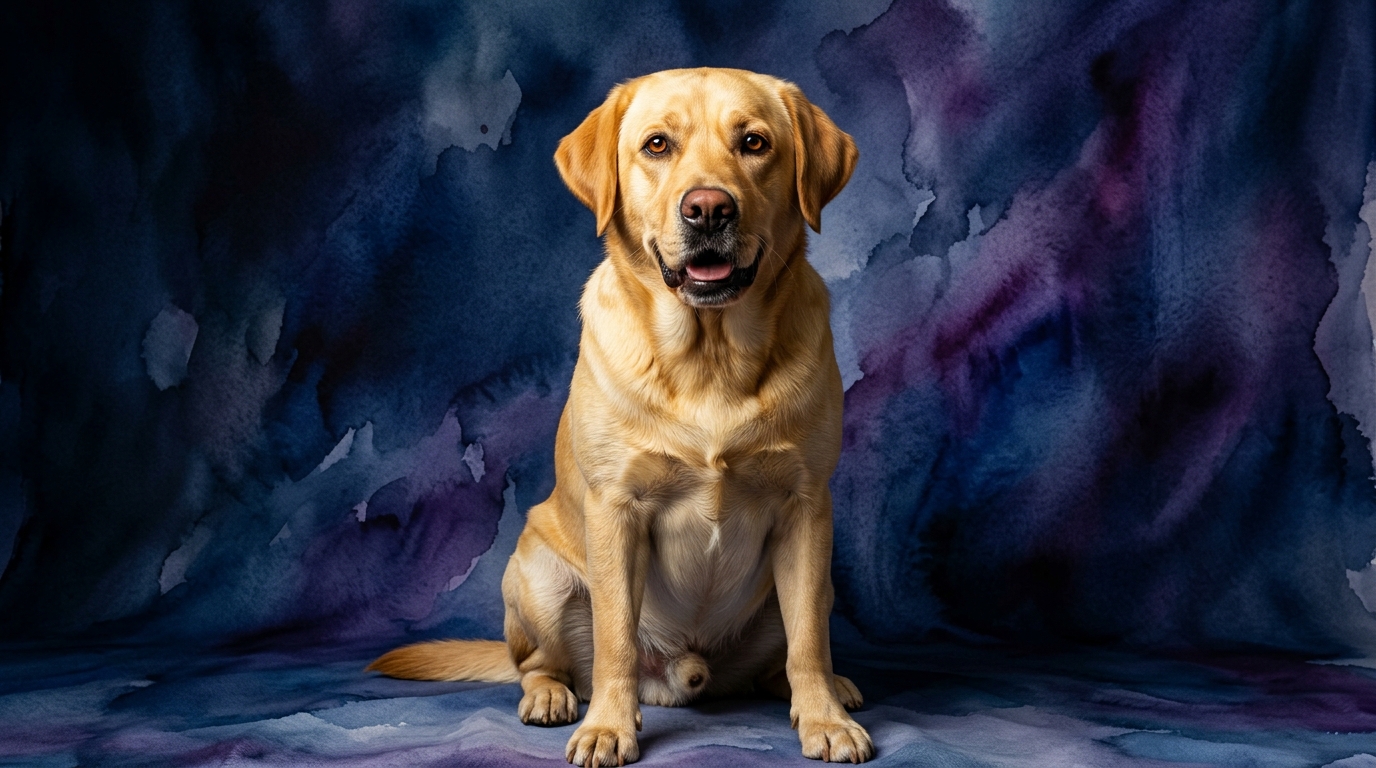
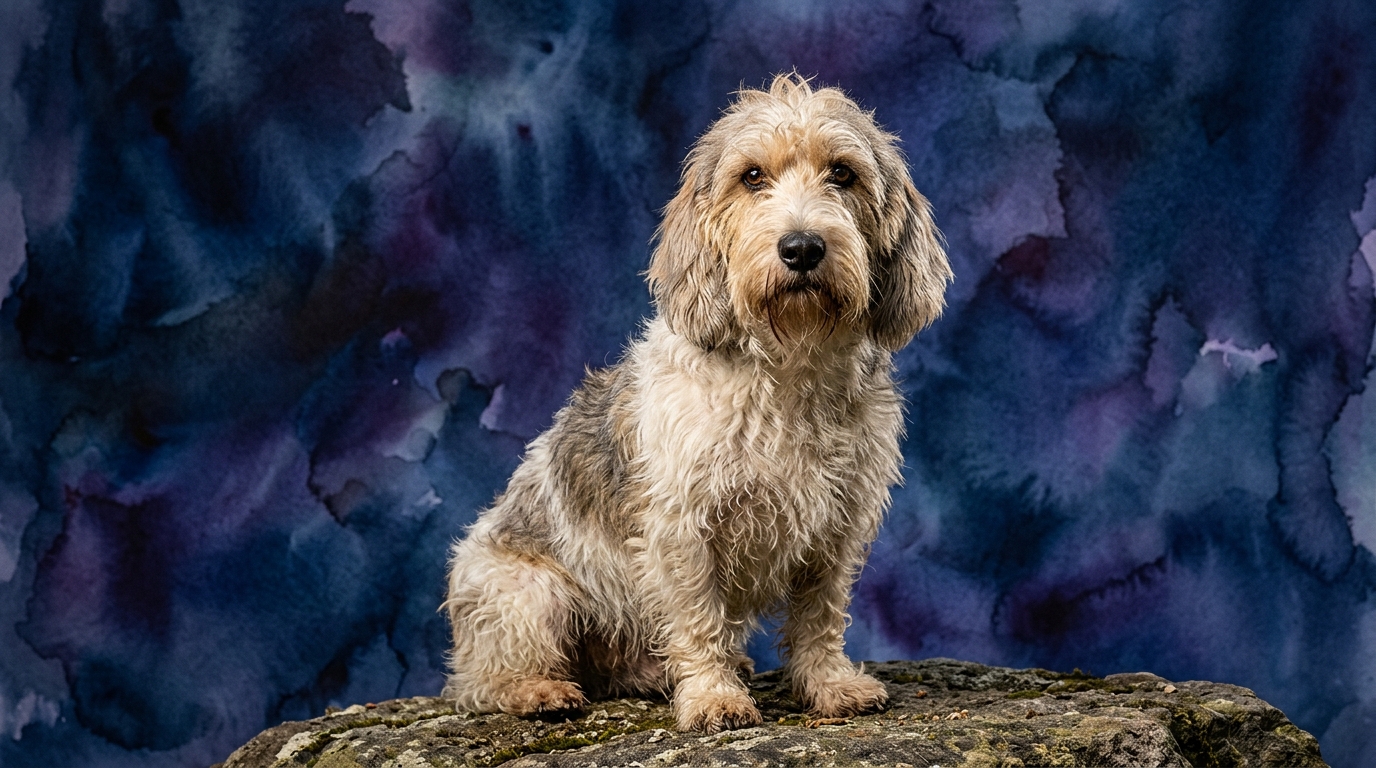
Side-by-Side Cognitive Profile: Labrador Retriever vs. Petit Basset Griffon Vendéen
At The Cosmic Pet Pet IQ Lab, we delve into the nuanced cognitive abilities that define each breed. The Labrador Retriever, a Sporting group dog ranked #7 by Coren for obedience intelligence, presents a profile marked by cooperative brilliance. Their Problem Solving is rated 4/5, indicating a strong capacity to figure out tasks and adapt to new situations, often with a focus on human interaction. Training Speed stands at a perfect 5/5, reflecting their exceptional ability to quickly grasp and retain commands, driven by an eager-to-please nature. Social Intelligence also scores 5/5, meaning Labs are highly attuned to human emotions, body language, and vocal cues, making them intuitive and empathetic partners. Their Instinctive Drive, at 4/5, highlights a powerful retrieving instinct and a robust work ethic, always ready for a job or a game. Memory, rated 4/5, ensures they reliably recall past experiences and learned behaviors, contributing to their consistency in training and daily life.
The Petit Basset Griffon Vendéen (PBGV), a cheerful and independent hound, presents a different cognitive blueprint, reflecting their purpose as scent trackers rather than a Coren-ranked obedience breed. Their Problem Solving is rated 3/5, suggesting they can navigate complex environments and resolve issues, often using their nose as their primary tool, though perhaps less inclined towards human-directed puzzle-solving than a Lab. Training Speed is 3/5; while they are capable of learning, their independent spirit and strong scent drive mean they might require more patience, repetition, and creative motivation to master commands. Social Intelligence also sits at 3/5; PBGVs are friendly and enjoy companionship, but their focus can often be drawn more to environmental scents or other dogs than to subtle human signals, giving them a more independent social dynamic. Instinctive Drive is 3/5, primarily centered around their formidable scenting ability and desire to follow a trail, rather than a generalized retrieving or working drive. Memory, rated 3/5, allows them to retain information, but their instincts can sometimes override learned commands, especially when a compelling scent is present.
Where the Labrador Retriever Excels Cognitively
The Labrador Retriever's cognitive strengths shine in areas demanding close partnership and rapid learning. Their superior Social Intelligence (5/5) means they excel at interpreting human communication, making them highly responsive to verbal cues, gestures, and even subtle shifts in owner mood. This acuity fosters a deep bond and allows for nuanced interaction, far beyond simple command execution. Coupled with a perfect Training Speed (5/5), Labs absorb new commands and routines with remarkable efficiency, often requiring fewer repetitions than many other breeds. This combination makes them exceptionally adaptable to diverse roles, from service work to competitive obedience, where understanding and executing complex sequences quickly is paramount. Their strong Problem Solving (4/5) further enhances this, enabling them to navigate novel situations or tasks with a human-oriented approach, often looking to their handler for guidance and collaboration. For instance, a Lab might quickly figure out how to open a gate to reach its owner, or learn a multi-step retrieve game, demonstrating a practical application of their cognitive abilities geared towards cooperative engagement.
Where the Petit Basset Griffon Vendéen Excels Cognitively
While not achieving the same high scores in human-centric cognitive domains as the Labrador, the Petit Basset Griffon Vendéen possesses a distinct cognitive prowess rooted in its hound heritage. Their Instinctive Drive (3/5), though numerically lower, is intensely focused on scent work, making them unparalleled in tasks requiring olfactory discernment. A PBGV's "problem solving" in this context is less about following human directions and more about independently navigating complex scent trails, demonstrating a specialized intelligence for environmental analysis and persistent tracking. Their Memory (3/5) serves this drive well, allowing them to recall specific scent profiles and terrain features encountered during a hunt. This breed's Social Intelligence (3/5), while not as attuned to subtle human cues, is robust in a pack environment, allowing them to communicate effectively with other dogs and understand their place within a canine social structure. A PBGV's cognitive wins are therefore less about obedience and more about autonomous, sensory-driven exploration and pursuit, where their independent thought and unwavering focus on a scent trail allow them to excel in ways a Labrador, however cooperative, might not. They "win" in situations demanding self-reliance and an unwavering commitment to a primal task.
Trainability: Which Breed is Easier to Teach?
Based on The Cosmic Pet Pet IQ Lab scores, the Labrador Retriever is decidedly easier to train. Their 5/5 Training Speed and 5/5 Social Intelligence are the cornerstones of their remarkable trainability. Labs possess an inherent eagerness to please and a profound ability to understand human communication, making them highly receptive to instruction. They quickly connect actions with rewards and consequences, requiring minimal repetition to solidify commands. For example, teaching a Labrador to "stay" will likely involve fewer sessions and less frustration because they are actively trying to understand and comply with your request, often maintaining eye contact and seeking approval. In contrast, the Petit Basset Griffon Vendéen, with scores of 3/5 in both Training Speed and Social Intelligence, presents a more independent and sometimes challenging training experience. Their strong instinctive drive towards scent often overrides learned commands; a compelling smell can easily distract a PBGV from even a well-known cue. While trainable, they demand more patience, consistency, and creative motivation, as their primary focus isn't always on their human handler. They might learn "stay," but if a rabbit scent crosses their path, their instinct to follow that scent may temporarily eclipse their learned behavior, requiring a stronger recall cue or physical intervention.
Matching Canine Cognition to Owner Lifestyles
The choice between these breeds often aligns with an owner's activity level and lifestyle expectations. The Labrador Retriever, with its high Instinctive Drive (4/5) and robust cognitive engagement (Problem Solving 4/5), thrives with active owners who enjoy structured activities, training sessions, and plenty of physical exercise. They are excellent partners for hiking, swimming, retrieving games, and dog sports like agility or obedience, where their cooperative nature and quick learning are leveraged. A relaxed owner might find a Lab's energy and need for mental stimulation overwhelming, potentially leading to boredom-induced behaviors. Conversely, the Petit Basset Griffon Vendéen, while certainly active outdoors, suits owners who appreciate a more independent, less intensely "driven" companion indoors. Their activity is often bursts of scent-driven exploration followed by periods of relaxation. While they need daily walks and opportunities to sniff, their "work" is often self-directed sniffing, not human-directed tasks. A relaxed owner who can provide secure outdoor space for sniffing adventures and enjoys a more laid-back, yet still engaged, companion indoors might find a PBGV a better fit, understanding that their energy is channeled differently than a Lab's.
The Verdict
Opt for a Labrador Retriever if you seek a highly trainable, exceptionally cooperative companion eager for structured activities, close partnership, and quick learning in various dog sports or service roles.
Choose a Petit Basset Griffon Vendéen if you appreciate an independent, cheerful hound with an unparalleled drive for scent work, valuing self-directed exploration and a less intensely human-focused companionship.
🧠 Find Your Pet's IQ Score
Our Pet IQ Lab assessment covers 25+ tests across 5 cognitive dimensions — personalized to your breed.
Take the Full IQ Test →Frequently Asked Questions
Is the PBGV difficult to train?
While not 'difficult' in the sense of being untrainable, PBGVs present a training challenge due to their independent hound nature and strong scent drive. They require consistent, patient training with positive reinforcement, and owners must understand that their instincts can sometimes override learned commands, especially outdoors.
How do their social needs compare?
Labrador Retrievers (Social Intelligence 5/5) typically crave constant human interaction and are highly attuned to their family's dynamics, thriving on being included in all activities. Petit Basset Griffon Vendéens (Social Intelligence 3/5) are friendly and enjoy companionship, but their independence means they are often content to entertain themselves with a scent or a chew toy, though they still benefit from family presence.
Which breed is better for first-time dog owners?
The Labrador Retriever's high trainability, eagerness to please, and strong social intelligence generally make them a more forgiving and rewarding choice for first-time dog owners. Their cooperative nature simplifies the learning process for both dog and owner. A PBGV's independence and scent-driven focus might be more challenging for someone new to dog ownership.