Side-by-Side IQ Profile: Labrador Retriever vs. Plott Hound
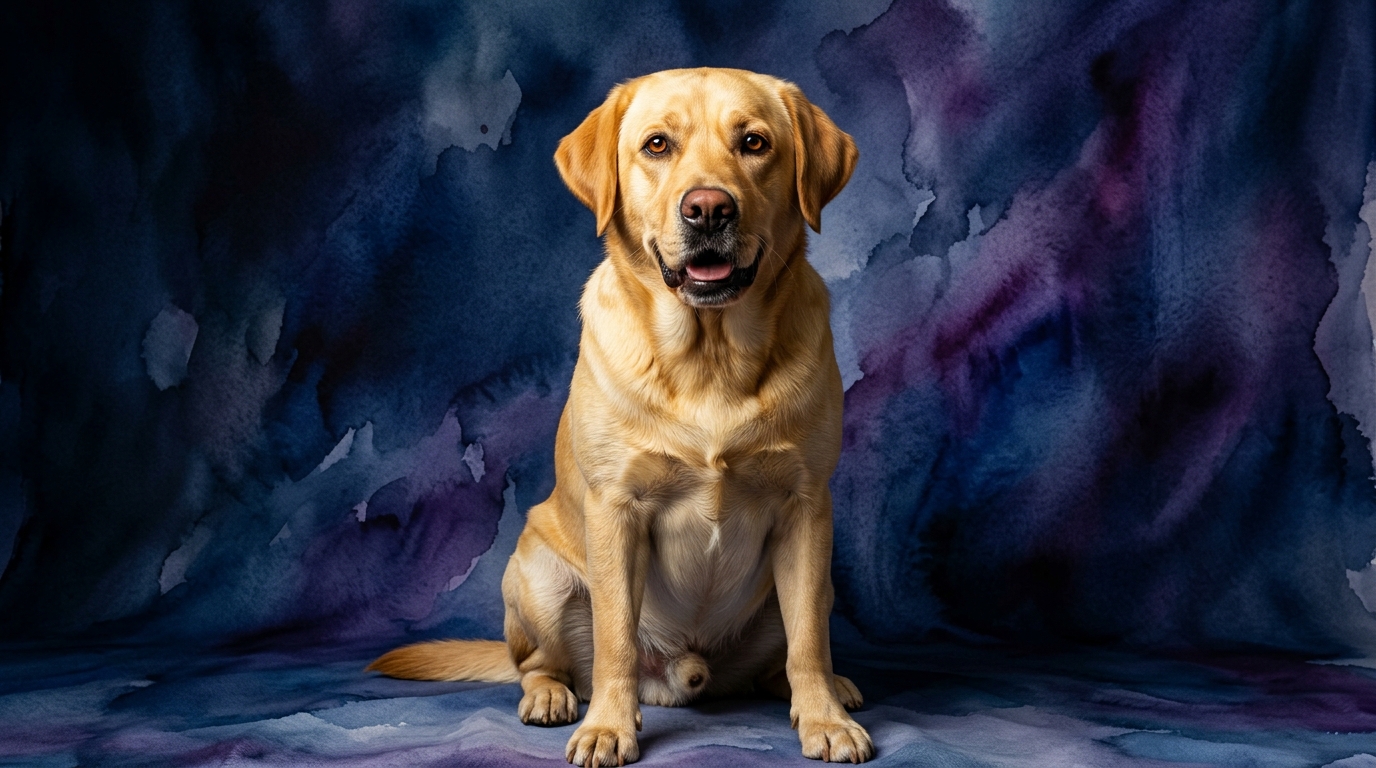
The Pet IQ Lab utilizes five distinct dimensions to assess a breed's cognitive profile, offering a nuanced view beyond simple rankings. For the Labrador Retriever, ranked #7 by Coren for working and obedience intelligence, its profile reflects a breed highly attuned to human interaction and task-oriented learning. Its Problem Solving is rated 4/5, indicating an adeptness at figuring out puzzles, understanding complex sequences in retrieving tasks, and adapting to novel challenges. Training Speed is a remarkable 5/5, showcasing rapid acquisition of commands, a strong desire to please, and consistent performance once a behavior is learned. Social Intelligence also stands at 5/5, highlighting an exceptional ability to read human cues, adapt seamlessly to various social settings, and form strong, perceptive bonds. The Labrador's Instinctive Drive, rated 4/5, points to a strong retrieve drive, an inherent affinity for water, and a natural desire to work cooperatively alongside humans in specific tasks. Finally, its Memory is 4/5, meaning it retains learned commands, routines, and recognition of people and places with impressive recall.
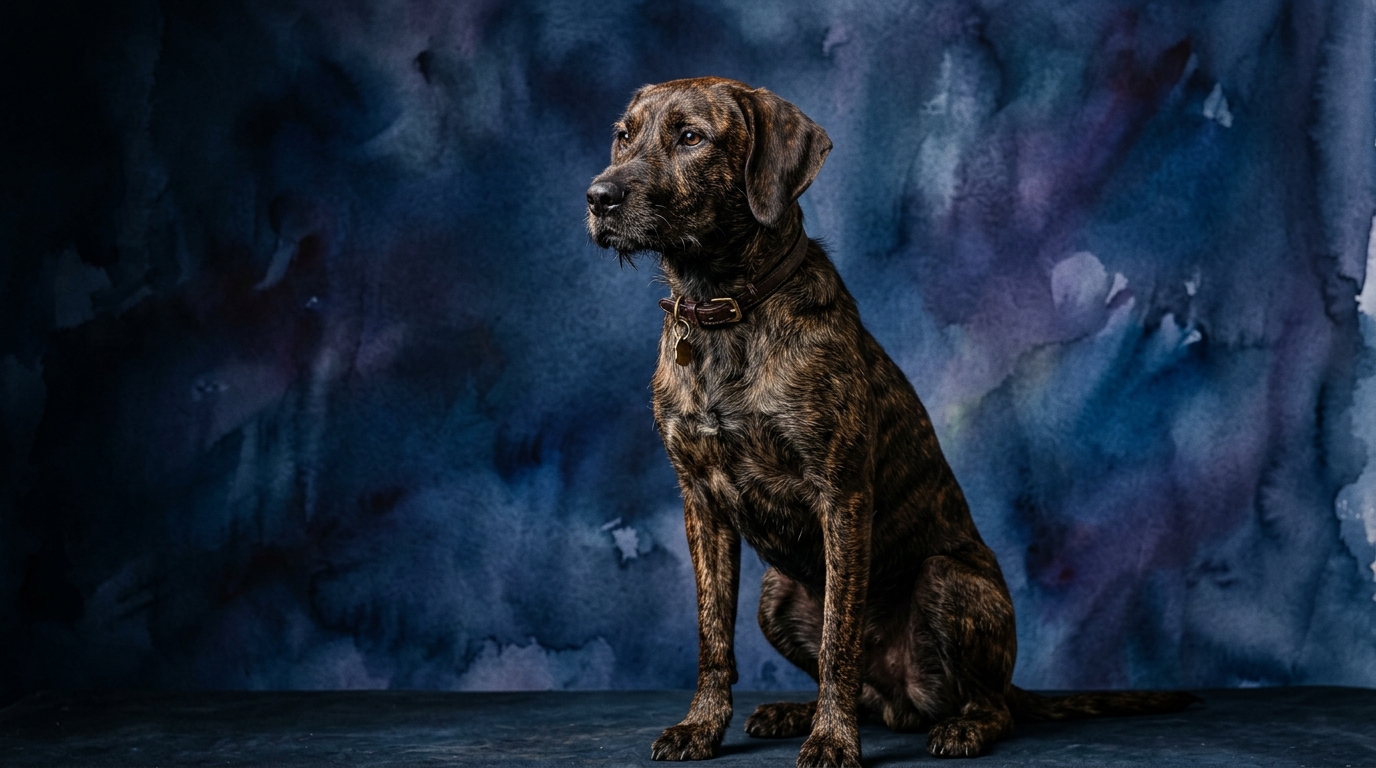
In contrast, the Plott Hound, not formally Coren-ranked, presents a profile shaped by its heritage as a tenacious scent hound. Its Problem Solving is 3/5, demonstrating an ability to navigate complex environments and overcome obstacles primarily related to tracking and hunting, though less inclined towards abstract, human-centric puzzles. Training Speed is 3/5; while capable of learning, it often requires more patience and specific motivators, as its focus can be intensely directed by scent rather than human instruction. Social Intelligence is 3/5, indicating that while it forms deep bonds with its immediate family, it can be more reserved with strangers and tends to prioritize environmental cues, particularly scent, over subtle human gestures. The Plott Hound's Instinctive Drive is also 3/5, but this score reflects an extraordinarily powerful and persistent scent-tracking drive that can, at times, override other learned behaviors or human commands. Its Memory is 3/5, meaning it excels at remembering complex scent trails and hunting routes but may exhibit slower retention for general obedience commands compared to breeds with higher social engagement.
Where the Labrador Retriever Excels Cognitively
The Labrador Retriever's cognitive profile positions it as a highly adaptable and cooperative companion. Its superior Training Speed (5/5) means it quickly grasps new commands and behaviors, making it a joy to teach and a reliable participant in structured activities. This rapid learning is coupled with exceptional Social Intelligence (5/5), allowing Labradors to keenly interpret human intentions, moods, and directions. They excel at understanding what is expected of them in a social context, leading to harmonious interactions in diverse environments. Furthermore, their Problem Solving (4/5) is particularly strong in scenarios where human collaboration is involved, making them proficient at tasks requiring sequential understanding or object manipulation, such as complex retrieval games or assistance roles. This combination of quick learning, social perceptiveness, and collaborative problem-solving makes the Labrador Retriever a standout in roles requiring consistent engagement and responsiveness to human guidance.
Where the Plott Hound Demonstrates Unique Strengths
While the Plott Hound's overall scores might appear lower, its cognitive strengths are highly specialized and deeply ingrained in its purpose. Its Instinctive Drive (3/5), though numerically lower than the Lab's, represents an unparalleled dedication to scent work. This isn't just a drive; it's a cognitive superpower that allows them to process and follow complex scent trails over vast distances and varied terrain with incredible focus and stamina. Their Problem Solving (3/5) manifests as independent decision-making and strategic navigation in the field, where they must interpret environmental clues and overcome obstacles autonomously to locate their target. This form of problem-solving is less about human-directed puzzles and more about self-reliant, goal-oriented reasoning in a natural context. The Plott Hound's Memory (3/5) is particularly robust for remembering these intricate scent patterns and routes, enabling them to return to areas or re-engage with a trail effectively. Their social intelligence, while lower for general human cues, is acutely tuned to the needs of their pack (family), fostering deep, loyal bonds rooted in shared purpose and companionship.
Ease of Training: A Tale of Two Motivations
When it comes to ease of training, the Labrador Retriever stands out as the more straightforward student. Their 5/5 Training Speed and 5/5 Social Intelligence mean they are inherently motivated by human praise, interaction, and the desire to please. They quickly form associations between commands and actions, making basic obedience and advanced tasks relatively simple to instill. A Labrador's focus is typically on its human companion, making redirection from distractions more manageable. Their cooperative nature means they often anticipate what is desired, leading to a smooth and rewarding training experience.
The Plott Hound, with its 3/5 Training Speed and 3/5 Social Intelligence, presents a different training challenge. Their powerful instinctive drive for scent can be an overwhelming distraction, making it difficult for them to disengage from a compelling smell to focus on human commands. They are independent thinkers, bred to make decisions in the field rather than constantly seek human direction. Training a Plott Hound requires immense patience, consistency, and creative use of positive reinforcement, often leveraging their natural drives (e.g., scent-based games) to make learning engaging. While they are capable of learning, their responsiveness is often contingent on their motivation and the perceived value of the task, rather than an inherent eagerness to comply with every human request. Their less pronounced focus on subtle human cues means trainers must be clear, direct, and consistent in their communication.
Matching Breeds to Lifestyles: Active Engagement vs. Independent Drive
For owners seeking an active, highly engaged companion that thrives on shared activities and structured learning, the Labrador Retriever is an excellent choice. Their high social intelligence and training speed make them ideal partners for dog sports like agility, obedience, and retrieving, as well as therapy work or simply being an incredibly interactive family member. They flourish with consistent mental stimulation through training sessions and physical exercise that involves human participation, such as fetch, swimming, or long walks. A Labrador thrives on being an integral part of daily family life, often seeking out interaction and enjoying being the center of attention. Their cognitive makeup means they are happiest when given a 'job' that involves working alongside their human.
The Plott Hound, while also requiring an active lifestyle, suits owners who appreciate and can accommodate a dog's strong, independent drive. These are not 'relaxed' dogs in the sense of needing minimal engagement; rather, their cognitive profile demands specific outlets for their ingrained instinctive behaviors. Owners who enjoy hiking, scent work, or field activities will find a Plott Hound to be a dedicated and tireless partner. They need consistent physical exercise to satisfy their powerful scenting instincts and prevent boredom-induced behaviors. While they can be calm indoors after sufficient mental and physical stimulation, their natural inclination is to explore and track. They are best suited for owners who understand the hound mentality and are willing to invest in channeling that incredible drive through structured activities that appeal to their specialized cognitive strengths.
The Verdict
Choose the Labrador Retriever if you desire a highly trainable, socially astute companion eager to engage in diverse activities and form a deeply cooperative bond.
Opt for the Plott Hound if you appreciate an independent spirit with an exceptional nose, willing to invest in consistent, patient training to channel its strong natural drives into fulfilling pursuits.
🧠 Find Your Pet's IQ Score
Our Pet IQ Lab assessment covers 25+ tests across 5 cognitive dimensions — personalized to your breed.
Take the Full IQ Test →Frequently Asked Questions
Are Plott Hounds less intelligent than Labrador Retrievers?
Not exactly 'less intelligent,' but their cognitive strengths differ significantly. Labrador Retrievers excel in human-directed tasks and social understanding, while Plott Hounds possess specialized problem-solving and memory for scent-tracking, which is a distinct, highly specialized form of intelligence.
Can a Plott Hound be as well-behaved as a Labrador Retriever?
With dedicated, consistent, and patient training, a Plott Hound can certainly be a well-behaved companion. However, their strong instinctive drive means their 'good behavior' might require more effort and creative outlets for their natural tendencies compared to a Labrador Retriever's innate desire to please and focus on human cues.
Which breed learns tricks faster?
The Labrador Retriever typically learns tricks faster due to its high training speed and social intelligence, making it eager to understand and perform for human interaction and praise. Plott Hounds can learn tricks, but their learning process often requires more repetition and motivation tailored to their independent nature and strong scent drives.