Side-by-Side Cognitive Profiles
The Cosmic Pet Pet IQ Lab employs a five-dimensional framework to assess canine cognition, offering a granular view into each breed's mental strengths. Let's explore how the Labrador Retriever and Polish Lowland Sheepdog stack up across these specific measures.
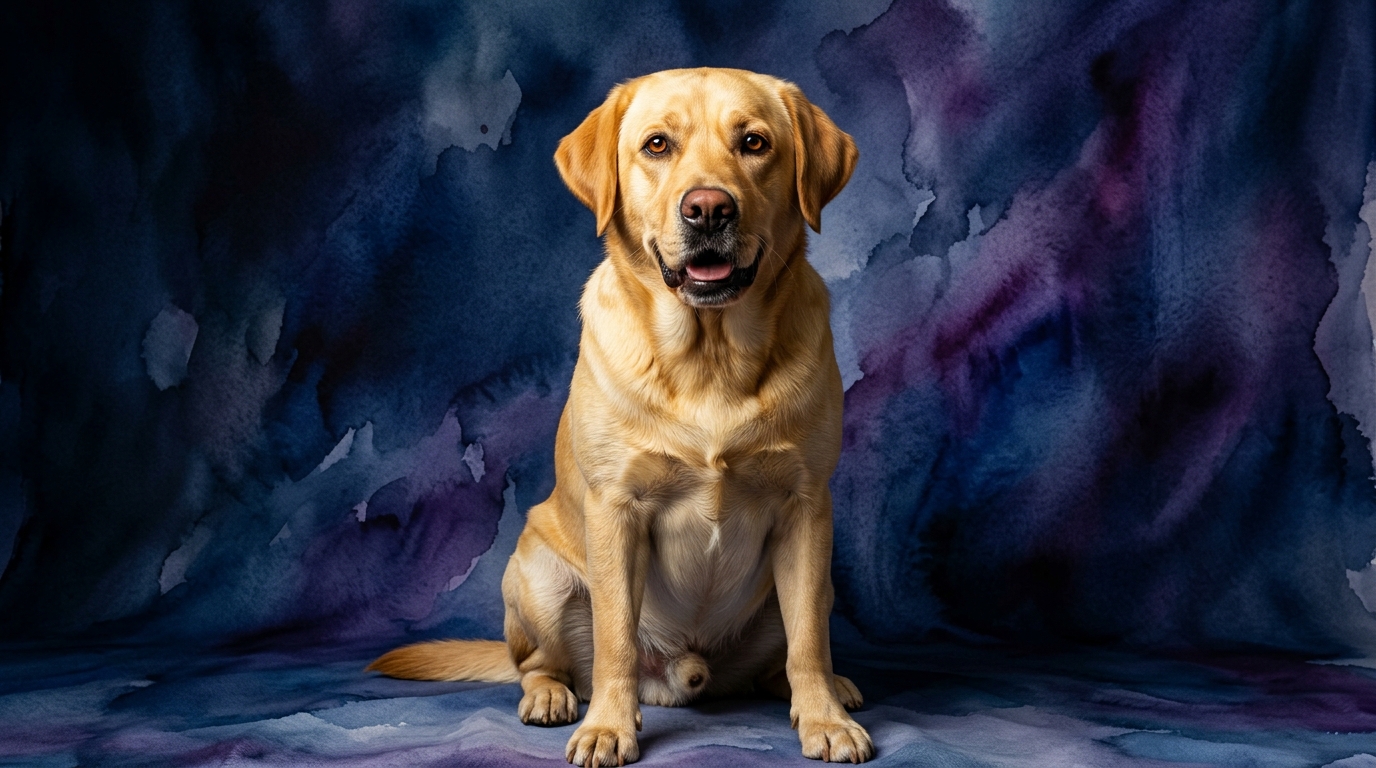
For the Labrador Retriever (Coren rank #7, Sporting Group): Problem Solving (4/5): Labrador Retrievers exhibit a robust capacity for navigating novel situations and devising solutions, often employing their keen observational skills and willingness to experiment. Their approach is typically direct and goal-oriented, especially when a reward or a clear objective is present. Training Speed (5/5): As a breed, Labradors are exceptionally quick to grasp and retain new commands and routines. Their eagerness to please, coupled with focused attention and strong associative learning abilities, makes them highly responsive to structured training sessions. Social Intelligence (5/5): Labradors excel at interpreting human communication, including subtle body language and vocal inflections. This high social awareness allows them to integrate seamlessly into family dynamics and respond appropriately to various social cues, fostering strong human-animal bonds. Instinctive Drive (4/5): Their inherent drive centers on retrieving, a deeply ingrained behavior that manifests as a strong desire to carry, fetch, and interact with objects. This drive is a powerful motivator, channeling their energy into tasks that mimic their historical purpose. Memory (4/5): Labradors demonstrate a solid memory for learned behaviors, environmental layouts, and social interactions. They can recall complex sequences of actions and remember specific locations for objects or people, aiding in their reliability as working and companion dogs.
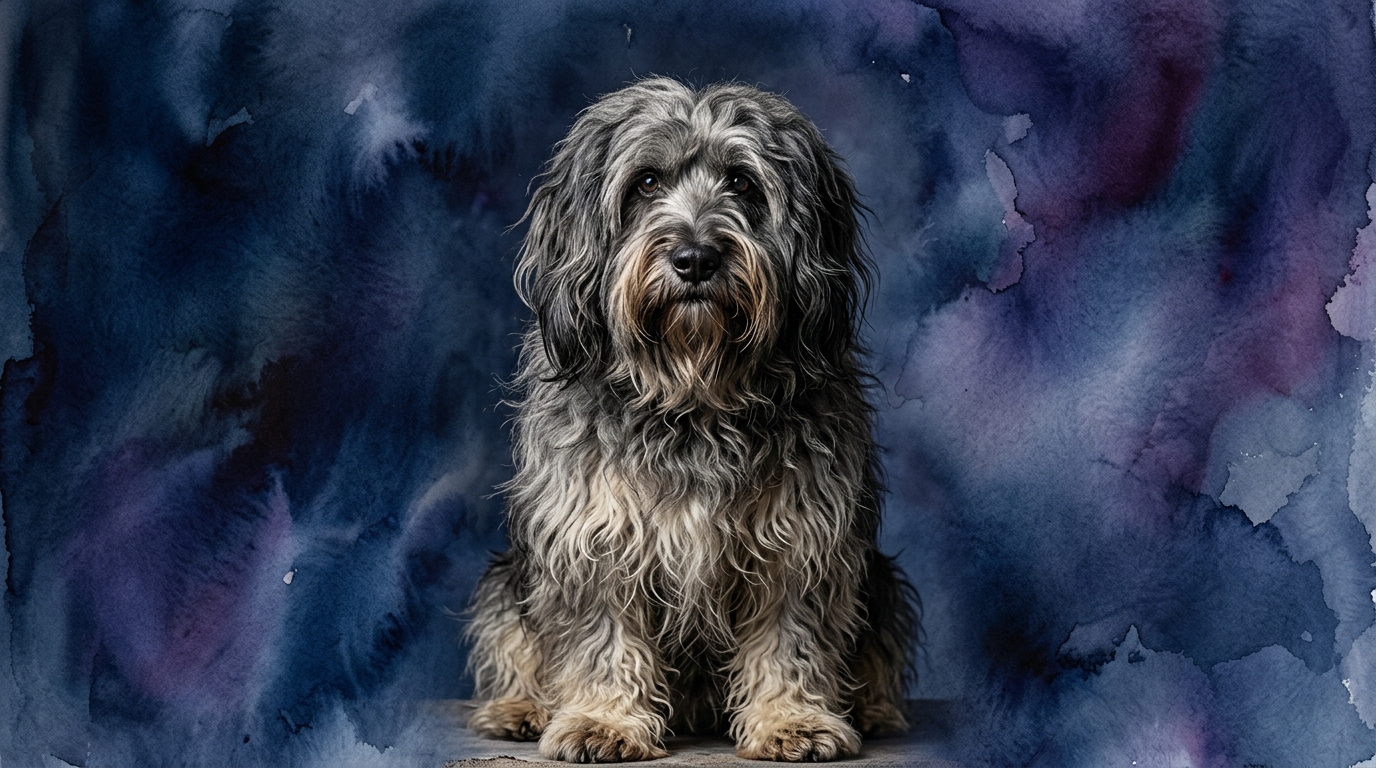
For the Polish Lowland Sheepdog (Not Coren-ranked, Herding Group): Problem Solving (3/5): Polish Lowland Sheepdogs approach problem-solving with a distinctive blend of independence and practicality. While not as overtly rapid in their solutions as some breeds, they are capable of figuring out situations, often relying on their own judgment rather than immediate human direction, a trait honed by their herding heritage. Training Speed (3/5): Their training speed is moderate; they learn new commands at a steady pace but may require more repetition and consistent reinforcement than breeds with higher scores. Their independent spirit can sometimes lead to a thoughtful pause before compliance, rather than an immediate reaction. Social Intelligence (3/5): Polish Lowland Sheepdogs possess a functional social intelligence, allowing them to understand their human family's general mood and routines. While not as overtly demonstrative or keenly attuned to every nuanced human expression as some, they form deep bonds and respond reliably to familiar social structures. Instinctive Drive (3/5): Their instinctive drive is rooted in herding, manifesting as a desire to gather, control, and sometimes 'manage' their family unit or other animals. This drive is present but often expressed with a quiet determination and watchful presence rather than overt chasing or intense focus. Memory (3/5): These dogs have a competent memory, retaining learned commands and routines effectively over time. They remember their environment and the people within it, contributing to their reliability and ability to adapt to established household rules, though perhaps not with the same immediate recall speed as a Labrador.
Where the Labrador Retriever Excels Cognitively
The Labrador Retriever's cognitive profile showcases several distinct advantages, particularly in areas demanding rapid assimilation and social responsiveness. Their exceptional Training Speed score of 5/5 means they acquire new commands with remarkable swiftness, often requiring fewer repetitions to solidify a behavior compared to many other breeds. This rapid learning extends beyond basic obedience, allowing them to excel in complex tasks ranging from assistance work to competitive dog sports. Furthermore, their top-tier Social Intelligence (5/5) allows them to keenly interpret human cues, making them highly attuned partners in communication. A Labrador often anticipates a handler's next move or emotional state, facilitating seamless cooperation and fostering a deep, empathetic connection. This blend of quick learning and social attunement means a Labrador is often a step ahead in understanding human expectations, making them incredibly adaptable to diverse roles and environments where human interaction is paramount. Their 4/5 in Problem Solving also highlights a pragmatic approach to novel challenges, often seeking solutions that align with human objectives, rather than purely independent exploration.
The Unique Cognitive Strengths of the Polish Lowland Sheepdog
While the Polish Lowland Sheepdog's cognitive scores might appear modest compared to the Labrador, their 'wins' are found in the unique application of their mental faculties, particularly within their ancestral herding context. Their Problem Solving score of 3/5, combined with their Herding group heritage, indicates a capacity for independent thought and situational assessment critical for managing livestock without constant human direction. This isn't about speed of learning a trick, but about making nuanced decisions in a dynamic environment, like subtly repositioning a stray sheep. Their moderate Instinctive Drive (3/5) is less about intense pursuit and more about a watchful, controlling presence, allowing them to maintain order without excessive force – a cognitive balance essential for effective herding. The 'win' here is in their self-reliance; they are thinkers who process situations and often choose a course of action based on their own assessment, rather than simply waiting for a direct command. This independence, while sometimes perceived as stubbornness in training, is a cognitive strength for a dog bred to work autonomously, making considered judgments on the fly.
Ease of Training: Labrador vs. Polish Lowland Sheepdog
Evaluating ease of training directly correlates with a breed's Training Speed and Social Intelligence scores. Here, the Labrador Retriever, with its 5/5 in Training Speed and 5/5 in Social Intelligence, presents a clear advantage. They possess an inherent eagerness to please and a profound ability to understand and respond to human intentions. This means a Labrador will typically grasp a new command in fewer repetitions, respond more reliably to cues, and be highly motivated by positive reinforcement from their handler. Their social intelligence allows them to quickly pick up on subtle feedback, adjusting their behavior to meet expectations. In contrast, the Polish Lowland Sheepdog's 3/5 scores in both dimensions suggest a more deliberate learning process. Their independent herding mindset means they might question a command or take a moment to process if it aligns with their own perceived purpose. While perfectly trainable, they often require more patience, consistency, and a trainer who understands how to channel their self-reliant nature, rather than expecting immediate, unthinking compliance. This isn't a deficit in capability but a difference in cognitive style.
Matching Breeds to Owner Lifestyles
The cognitive profiles of these two breeds offer insights into their energy levels and suitability for different lifestyles. The Labrador Retriever, with its robust Instinctive Drive (4/5) for retrieving and its high Problem Solving (4/5) and Training Speed (5/5), thrives with active engagement. They require consistent mental stimulation and physical outlets, enjoying activities like fetching, swimming, obedience training, or agility. Their desire to 'work' alongside their human translates into a need for purposeful activity. A relaxed owner who cannot provide this mental and physical outlet might find a Labrador resorting to self-directed, potentially destructive, entertainment. The Polish Lowland Sheepdog, while also benefiting from activity, often expresses its Instinctive Drive (3/5) for herding in a more contained, watchful manner. They are capable of bursts of energy but also content with periods of quiet observation. Their moderate Problem Solving (3/5) and Memory (3/5) mean they appreciate routine and a clear role, but don't necessarily demand the same high-octane, constant interaction as a Labrador. They can adapt to a more relaxed owner who provides regular, moderate exercise and mental puzzles, valuing companionship and a sense of purpose within the household.
The Verdict
Choose a Labrador Retriever if you seek a highly cooperative, quick-learning companion eager for active participation in family life and structured training, thriving on shared tasks and social interaction.
Opt for a Polish Lowland Sheepdog if you appreciate an independent, thoughtful canine partner who offers a quieter, watchful presence and thrives with owners who respect their self-reliant nature and provide consistent, patient guidance.
🧠 Find Your Pet's IQ Score
Our Pet IQ Lab assessment covers 25+ tests across 5 cognitive dimensions — personalized to your breed.
Take the Full IQ Test →Frequently Asked Questions
Is a Labrador Retriever too energetic for a first-time dog owner?
While Labradors are highly trainable, their 4/5 Instinctive Drive and 4/5 Problem Solving mean they require significant mental and physical engagement. A first-time owner must be prepared for consistent training, daily exercise, and interactive play to prevent boredom and channel their energy constructively.
Do Polish Lowland Sheepdogs need a lot of grooming due to their coat?
Yes, the dense, shaggy coat of the Polish Lowland Sheepdog, a protective feature for their herding work, requires regular and thorough grooming. This includes frequent brushing to prevent matting and occasional professional trimming, a commitment that owners should be prepared for to maintain coat health.
Can a Polish Lowland Sheepdog live happily in an apartment?
A Polish Lowland Sheepdog can adapt to apartment living if their moderate Instinctive Drive (3/5) and need for mental stimulation are met. Daily walks, puzzle toys, and consistent training are crucial to ensure they remain content, rather than becoming restless in a smaller space.