Side-by-Side Cognitive Profiles: Lab vs. Samoyed
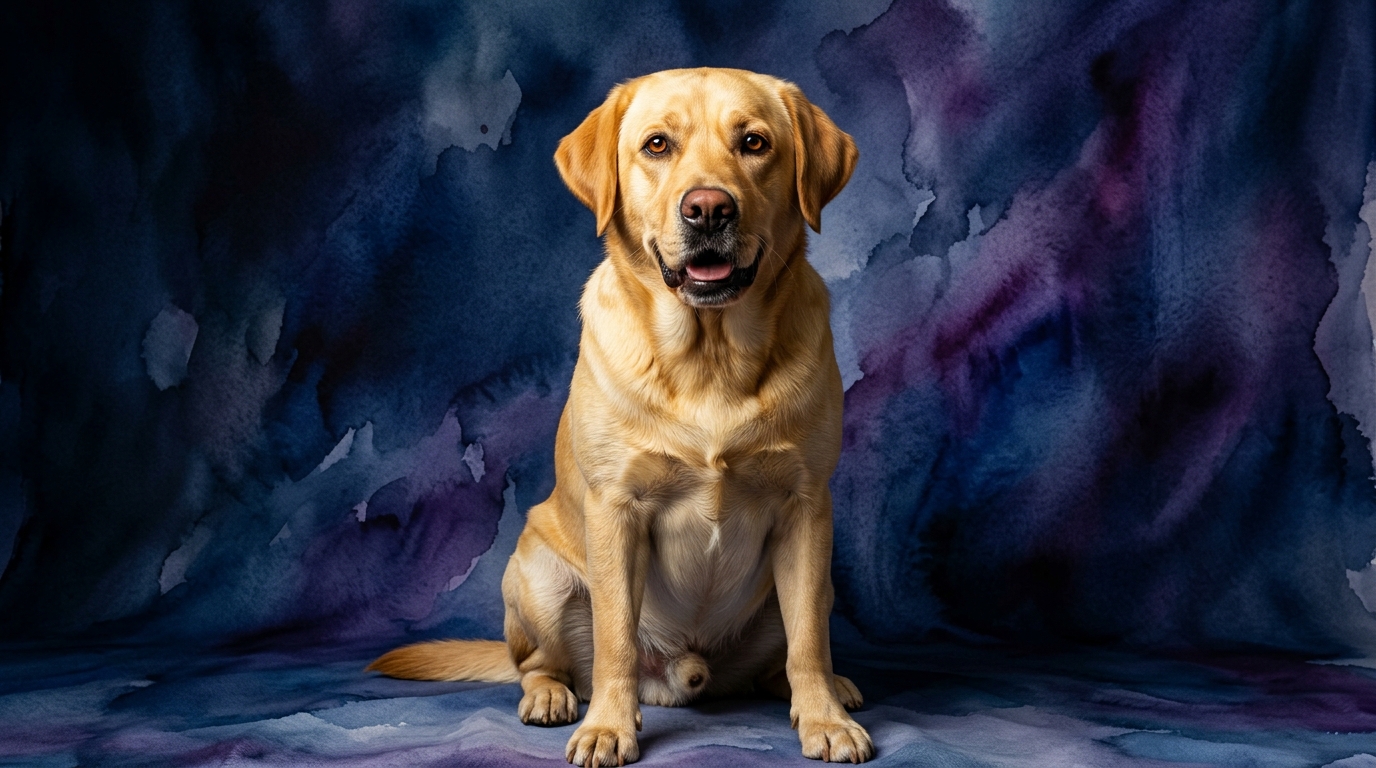
The Labrador Retriever exhibits a robust cognitive profile, consistently demonstrating a strong capacity for learning and interaction. Their Problem Solving is rated 4/5, indicating a solid ability to navigate novel situations and adapt strategies effectively. An exceptional Training Speed of 5/5 highlights their rapid grasp of commands and a strong desire to cooperate with human directives. Their Social Intelligence stands at a perfect 5/5, showcasing a profound ability to understand human cues, emotions, and social structures, making them highly attuned companions. Instinctive Drive, at 4/5, reflects their inherent aptitudes for tasks like retrieving, scent work, and water activities, rooted in their Sporting group heritage. Finally, their Memory is solid at 4/5, allowing them to retain complex sequences and learned behaviors consistently over time.
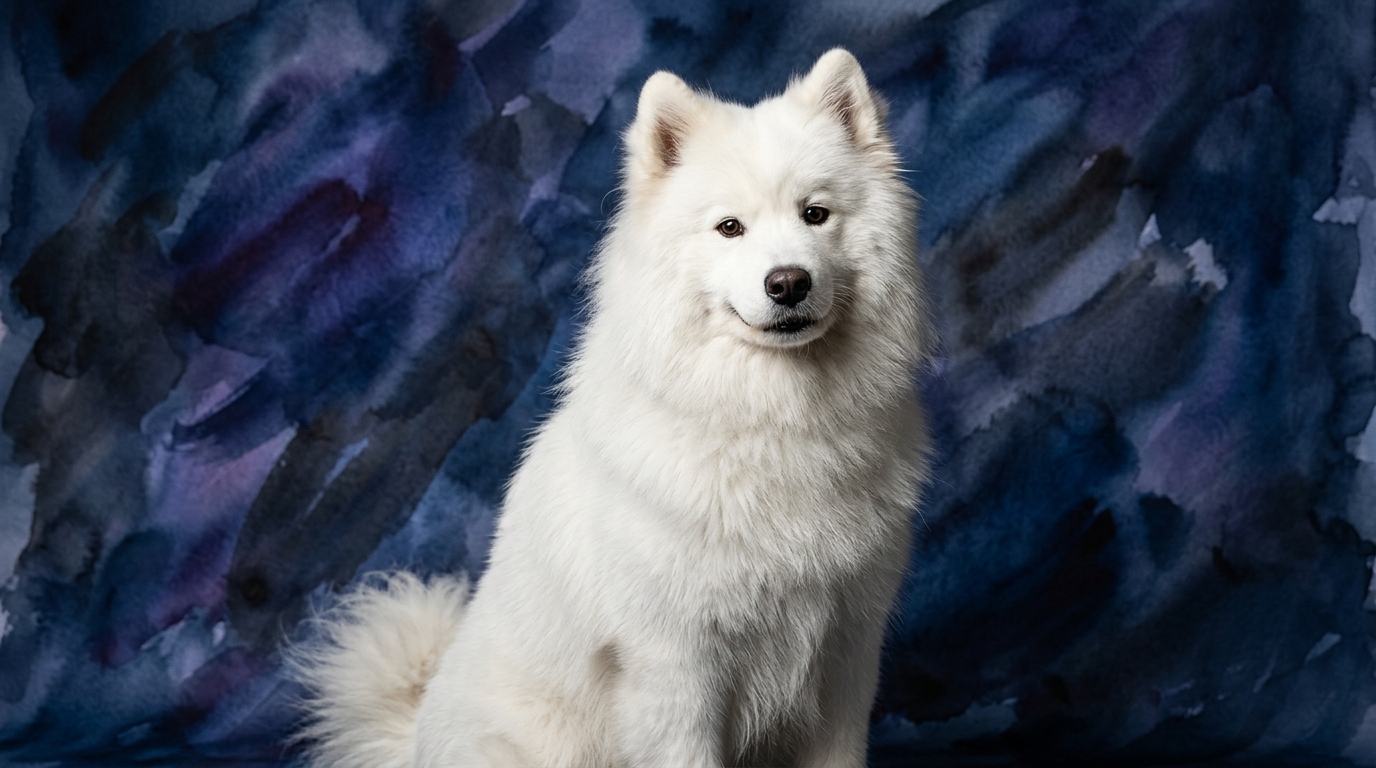
The Samoyed, a breed from the Working group, presents a distinct yet equally impressive cognitive makeup, shaped by their history as independent workers in harsh environments. Their Problem Solving is rated 3/5, suggesting they can navigate challenges but often prefer to figure things out on their own terms rather than relying solely on human guidance. Training Speed is 3/5, indicating they learn at a steady pace but may require more patience and reinforcement due to their independent streak. Like the Labrador, their Social Intelligence is a perfect 5/5, demonstrating a deep connection to their human families and an ability to integrate into social dynamics with warmth and sensitivity. Instinctive Drive is also 4/5, stemming from their heritage as sled dogs and herders, giving them a strong inclination for purposeful, often physical, activity. Their Memory is rated 3/5, meaning they retain information, but perhaps not with the same rapid recall or complex sequencing as a Labrador.
Where the Labrador Retriever Excels Cognitively
The Labrador Retriever's cognitive strengths shine particularly in their exceptional Training Speed (5/5) and their practical Problem Solving (4/5). Their inherent eagerness to engage with human directives means they pick up new commands and routines with remarkable alacrity. This swift processing isn't just about repetition; it's fueled by a strong desire to collaborate, making them exceptionally responsive to instruction. For instance, a Lab will typically master a multi-step retrieve or a complex agility sequence faster, often requiring fewer repetitions, because they are actively trying to understand and fulfill the human's request. Their superior Memory (4/5) also plays a crucial role here, allowing them to build upon previous lessons and recall learned behaviors consistently, even after a break. This combination of quick learning, cooperative spirit, and reliable recall makes them exceptionally adept at tasks requiring consistent obedience and rapid adaptation to new instructions, such as service work or competitive obedience.
Where the Samoyed Demonstrates Unique Cognitive Strengths
While the Samoyed's metrics might appear lower in some areas, their cognitive profile champions a different kind of strength, particularly in their robust Instinctive Drive (4/5) and a unique application of their high Social Intelligence (5/5). Their heritage as working dogs, pulling sleds, herding reindeer, and guarding families in Siberia, fostered a profound sense of purpose and self-reliance. This translates into an independent problem-solving approach; while their Problem Solving is 3/5, it often manifests as figuring things out on their own terms rather than waiting for explicit human instruction. They excel when given a 'job' that leverages their stamina and drive, such as carting or hiking alongside their owner, where their physical and mental engagement is deeply satisfied. Their 5/5 Social Intelligence isn't just about pleasing; it's about forming incredibly strong, empathetic bonds with their human companions, often displaying a nuanced understanding of family dynamics and an ability to offer comfort or companionship without needing explicit direction. This makes them profoundly attuned family members, capable of intuitive emotional support.
Ease of Training: Labrador Retriever vs. Samoyed
When evaluating ease of training, the Labrador Retriever generally presents a more straightforward path. Their Coren rank of #7 places them among breeds that understand new commands with fewer repetitions and obey the first command a high percentage of the time. This is directly supported by their 5/5 Training Speed and 4/5 Problem Solving, coupled with their strong inclination to work *with* their handler. Labs find immense satisfaction in pleasing their human companions, making positive reinforcement highly effective. They are often intrinsically motivated by praise and the opportunity to engage in cooperative tasks, making them highly responsive to consistent, reward-based methods.
The Samoyed, with a Coren rank of #33, requires a different training approach. Their 3/5 Training Speed and 3/5 Problem Solving suggest they learn at a steady pace but might need more consistent, patient, and engaging methods. Their historical role as independent working dogs means they often possess a self-assured nature and a tendency to evaluate commands from their own perspective. While they are deeply social (5/5), this doesn't always translate to immediate obedience; their social intelligence often manifests as companionship rather than unquestioning compliance. Training a Samoyed often involves convincing them that a task is worthwhile or fun, leveraging their instinctive drive for activity and their desire for interaction, rather than relying solely on a desire to please. Consistency, variety, and making training feel like a game are crucial for a Samoyed, as they respond best when their independent spirit is respected and channeled positively.
Matching Breeds to Owner Lifestyles: Active vs. Relaxed
For active owners seeking a highly engaged partner, both breeds offer considerable appeal, but with distinct nuances. The Labrador Retriever, a Sporting dog, thrives on activities that involve retrieving, swimming, and scent work, often requiring sustained mental and physical engagement directed by their owner. Their 4/5 Instinctive Drive ensures they are eager participants in long hikes, runs, or structured sports like agility and flyball. They are built for endurance and focused tasks, making them ideal for owners who enjoy having a diligent companion for outdoor adventures and dog sports. Their cooperative nature means they are often easier to integrate into diverse activities, from service work to competitive obedience, where precision and teamwork are paramount.
The Samoyed, a Working dog, also demands significant activity, but often with a greater emphasis on purposeful exertion and independent exploration. Their 4/5 Instinctive Drive is geared towards sustained physical effort, like pulling a sled or cart, or accompanying owners on extended treks. They possess a robust stamina and a love for cooler weather, making them excellent companions for winter sports enthusiasts or those who enjoy long, vigorous hikes. While they appreciate human companionship, their working heritage means they often enjoy exploring their environment and exercising their bodies with a degree of self-direction. Owners who prefer a companion that is enthusiastic about outdoor adventures but might not always seek constant, directed interaction, and who appreciate a dog with a strong will and independent spirit, will find a wonderful match in the Samoyed. For more relaxed owners, neither breed is a truly "sedate" choice, but a Lab might adapt slightly better to a less intensely active household if provided with consistent mental stimulation and daily walks, whereas a Samoyed's need for vigorous, purposeful activity is often non-negotiable for their well-being.
The Verdict
Choose a Labrador Retriever if you desire a highly cooperative, eager-to-please companion who excels in rapid learning and consistent obedience, making them ideal for structured activities, service work, and family life where quick responsiveness is valued.
Choose a Samoyed if you appreciate an independent, resilient companion with a strong working drive and a profound, empathetic social bond, thriving with owners who can provide purposeful activities and enjoy a dog with a unique, self-assured personality.
🧠 Find Your Pet's IQ Score
Our Pet IQ Lab assessment covers 25+ tests across 5 cognitive dimensions — personalized to your breed.
Take the Full IQ Test →Frequently Asked Questions
Are Samoyeds difficult to train?
Samoyeds are not "difficult" but require a different approach than breeds like the Labrador. Their independence and problem-solving at 3/5 mean training needs to be engaging, positive, and consistent, often requiring more patience and creativity to convince them a task is worthwhile.
Which breed is better for first-time dog owners?
The Labrador Retriever's high training speed (5/5) and cooperative nature generally make them a more forgiving choice for first-time owners who are committed to consistent training and socialization. Samoyeds, due to their independent streak, might present a greater challenge for those new to dog ownership.
Do both breeds require a lot of exercise?
Yes, both breeds are active and require substantial daily exercise to maintain physical and mental well-being. Labradors thrive on directed activities like fetching and swimming, while Samoyeds benefit from vigorous, purposeful activities such as long hikes or "working" tasks like carting, especially in cooler weather.