Side-by-Side Cognitive Profiles: Labrador Retriever vs. Schipperke
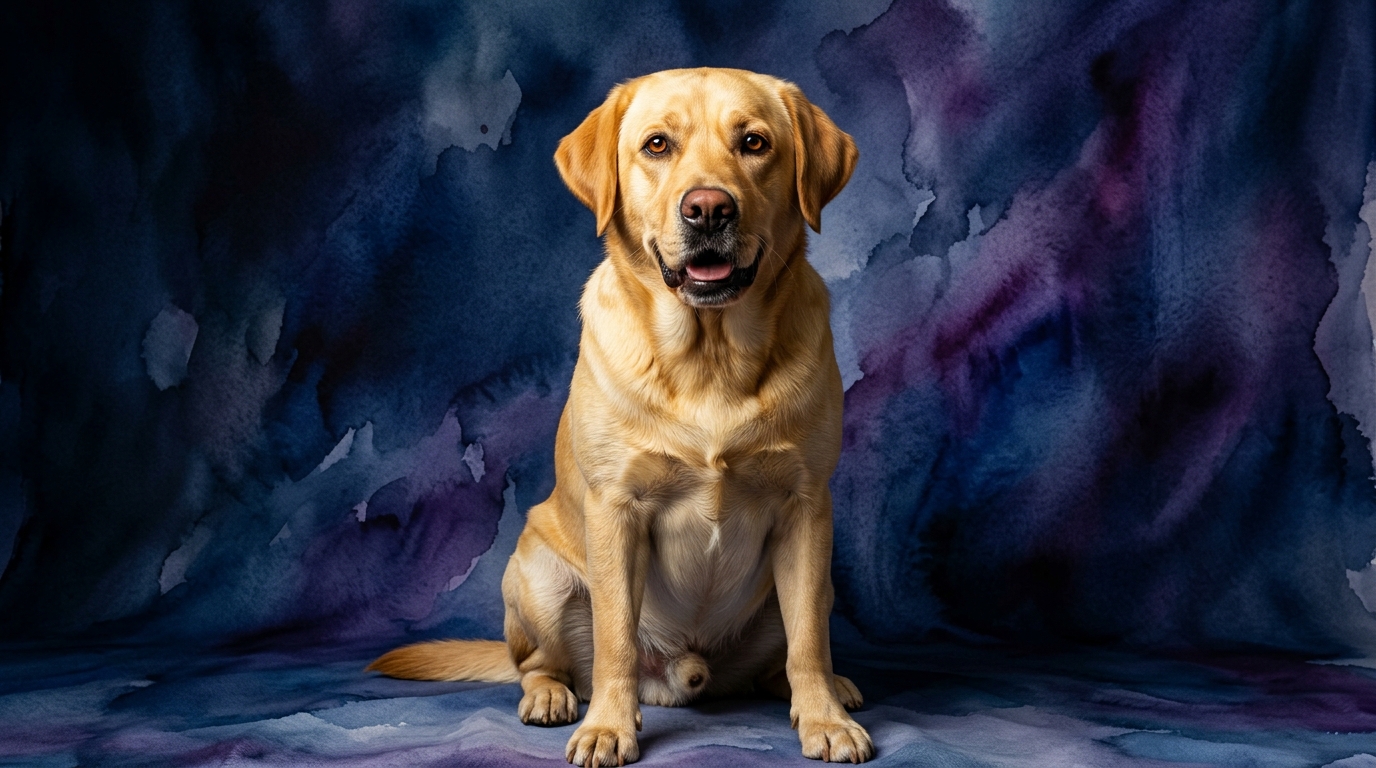
At The Cosmic Pet Pet IQ Lab, we evaluate canine intelligence across five key dimensions, revealing nuanced differences even between breeds with similar overall standing. The Labrador Retriever, with a Coren rank of #7, presents a profile geared towards cooperation and adaptability. Their Problem Solving is rated 4/5, indicating a strong capacity for understanding and navigating complex situations, often by applying learned strategies. They boast an exceptional Training Speed of 5/5, reflecting their eagerness and quick comprehension of new commands. Social Intelligence is a standout at 5/5, highlighting their profound ability to read human cues and connect empathetically. Their Instinctive Drive is 4/5, manifesting as a strong natural inclination for retrieving and working alongside humans, while Memory is 4/5, ensuring consistent retention of learned behaviors and experiences.
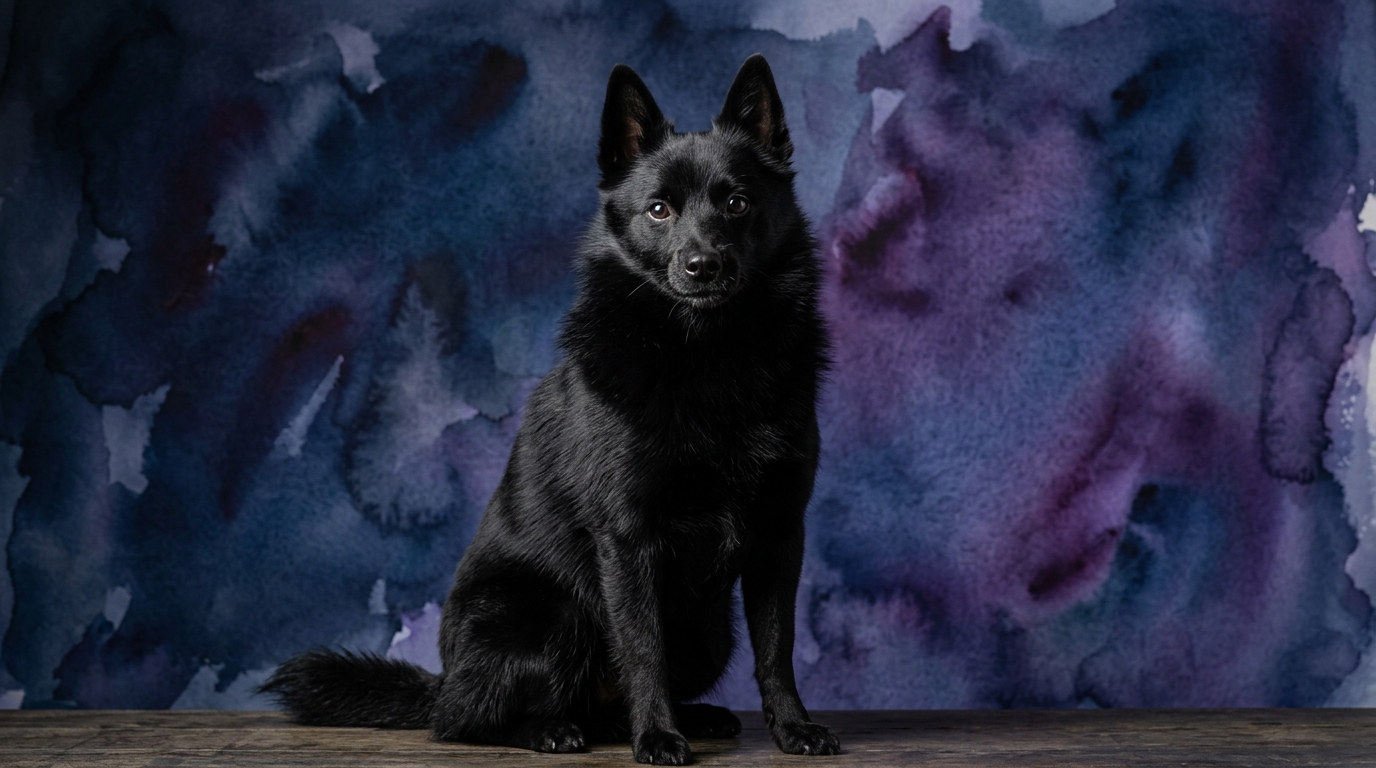
The Schipperke, ranked #15 by Coren, offers a contrasting yet equally impressive cognitive blueprint, emphasizing independent thought and resourcefulness. Their Problem Solving is a perfect 5/5, demonstrating an outstanding ability to devise novel solutions and navigate challenges autonomously. Like the Lab, their Training Speed is 5/5, meaning they grasp new concepts with remarkable alacrity. However, their Social Intelligence stands at 3/5, indicating a more independent nature and less overt focus on pleasing humans, preferring to observe and act on their own terms. Instinctive Drive is 3/5, rooted in their historical role as watchful companions and ratters, rather than cooperative hunters. Their Memory, however, is exceptional at 5/5, allowing them to recall details, experiences, and learned behaviors with remarkable accuracy over long periods.
Where the Labrador Retriever Excels Cognitively
The Labrador Retriever's cognitive strengths primarily lie in their profound social intelligence and cooperative spirit. With a perfect 5/5 in Social Intelligence, Labs are unparalleled in their ability to understand and respond to human emotions and intentions. This makes them exceptional partners in tasks requiring close collaboration, such as service work, therapy, or search and rescue, where anticipating human needs is paramount. Their eagerness to please, combined with their 5/5 Training Speed, means they not only learn quickly but are also consistently motivated to apply what they've learned, making them highly reliable and adaptable companions in diverse environments. Their 4/5 Instinctive Drive for retrieving further solidifies their role as natural working partners, seamlessly integrating their innate abilities with human direction.
Where the Schipperke Excels Cognitively
The Schipperke shines in areas demanding independent thought and exceptional retention. Scoring a perfect 5/5 in Problem Solving, Schipperkes are master strategists, capable of figuring out complex puzzles, outsmarting perceived obstacles, or devising ingenious ways to achieve their goals without direct human intervention. This makes them incredibly resourceful, though sometimes to their owner's surprise. Their 5/5 Memory is another significant advantage, enabling them to retain intricate routines, commands, and experiences with remarkable clarity. This superior recall means they learn quickly and remember thoroughly, allowing for complex skill development over time. Their cognitive profile suggests a dog that doesn't just learn, but actively processes and adapts based on past knowledge.
Training Dynamics: Which is Easier and Why?
While both breeds share an impressive 5/5 Training Speed, the ease of training can differ significantly due to their underlying cognitive and behavioral traits. The Labrador Retriever is generally considered easier for the average owner to train. Their 5/5 Social Intelligence translates into a strong desire to cooperate and please their human companions, making them highly responsive to positive reinforcement and eager participants in training sessions. They thrive on shared activity and positive affirmation, readily offering behaviors that earn them praise and connection. Their consistency stems from their willingness to engage and adapt to human expectations, making the training process a joyful bonding experience.
The Schipperke, despite its equally high Training Speed, can present a different training challenge. Their 5/5 Problem Solving and more independent 3/5 Social Intelligence mean they are quick to learn, but also quick to evaluate if a command is worth performing from their perspective. They are less inherently driven by a desire to please and more by their own motivations. Training a Schipperke requires engagement, variety, and demonstrating the value of compliance to the dog. If training becomes repetitive or uninteresting, their intelligence might lead them to find more stimulating activities, or simply choose not to comply. Consistency and making training a mentally stimulating game are crucial to harness their sharp mind and exceptional memory (5/5), preventing them from outsmarting their trainer.
Suitability for Active vs. Relaxed Owners
For active owners seeking a dedicated partner in various endeavors, the Labrador Retriever is an ideal match. Their 4/5 Instinctive Drive, coupled with high social intelligence and a love for physical activity, makes them enthusiastic companions for hiking, swimming, retrieving games, and dog sports. They thrive on shared adventures and require significant physical and mental engagement to channel their energy constructively. A Lab truly flourishes when integrated into an active lifestyle, acting as an eager participant in all family activities. Their capacity for sustained effort and cooperative spirit makes them excellent partners for endurance activities and structured work.
The Schipperke, while not requiring the same sustained endurance as a Lab, also suits an active owner, albeit one who appreciates mental challenge and bursts of intense activity. Their 5/5 Problem Solving and independent nature mean they excel in agility, puzzle-solving, and exploring new environments. They require consistent mental stimulation to prevent boredom, which can lead to them devising their own, potentially mischievous, entertainment. While they don't demand hours of continuous running, they thrive on varied activities that engage their sharp minds and allow them to 'work' in their own way. For truly relaxed owners, neither breed is a perfect fit without significant dedication to structured engagement. An under-stimulated Labrador can become destructive, while a bored Schipperke will invent ways to occupy itself, often leading to behaviors that require management.
The Verdict
Choose the Labrador Retriever if you seek a highly cooperative, socially attuned companion eager to participate in shared activities, form deep empathetic bonds, and consistently apply learned behaviors in various roles like family pet, service animal, or hunting partner.
Choose the Schipperke if you are drawn to a sharp, independent thinker with exceptional problem-solving abilities and memory, who thrives on mental challenges and can be a resourceful, watchful companion, appreciating a relationship built on mutual respect and engaging interaction rather than constant deference.
🧠 Find Your Pet's IQ Score
Our Pet IQ Lab assessment covers 25+ tests across 5 cognitive dimensions — personalized to your breed.
Take the Full IQ Test →Frequently Asked Questions
Are Schipperkes difficult to train due to their independence?
Schipperkes are remarkably quick learners (Training Speed 5/5), but their strong problem-solving and lower social intelligence mean they require engaging, consistent training that demonstrates value to them. They can be perceived as stubborn if not motivated correctly, as they might choose not to comply if they don't see the point.
Which breed is generally better with children?
Labrador Retrievers, with their 5/5 social intelligence and generally tolerant nature, are often more cooperative and patient with children, forming strong, gentle bonds. Schipperkes can be good family dogs, but their independent streak might make them less tolerant of very boisterous or uncontrolled play, preferring interactions on their own terms.
Do Schipperkes bark a lot?
Schipperkes possess a strong instinctive drive (3/5) for guarding and observation, coupled with a keen sense of hearing, which often translates into frequent barking to alert their owners of perceived changes or intruders. Early, consistent training focused on appropriate barking can help manage this tendency.