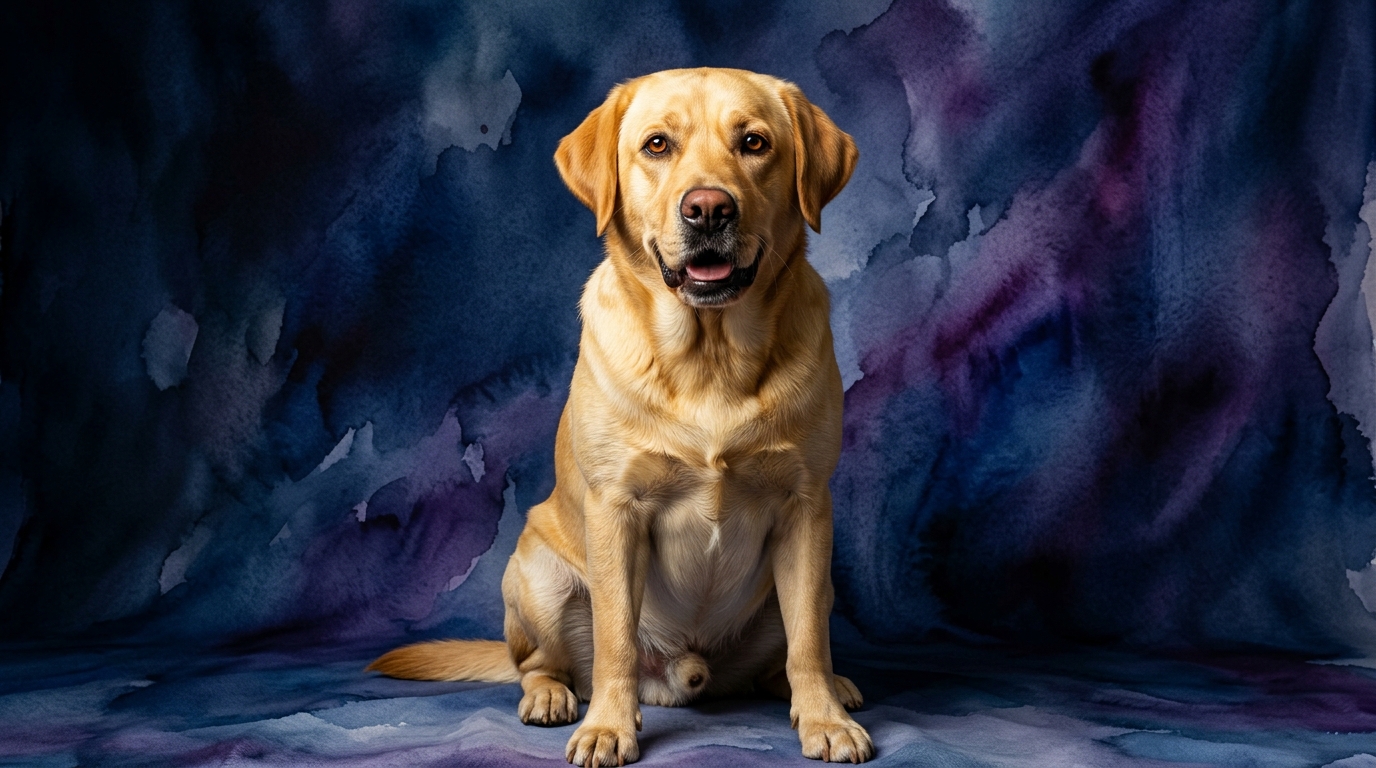
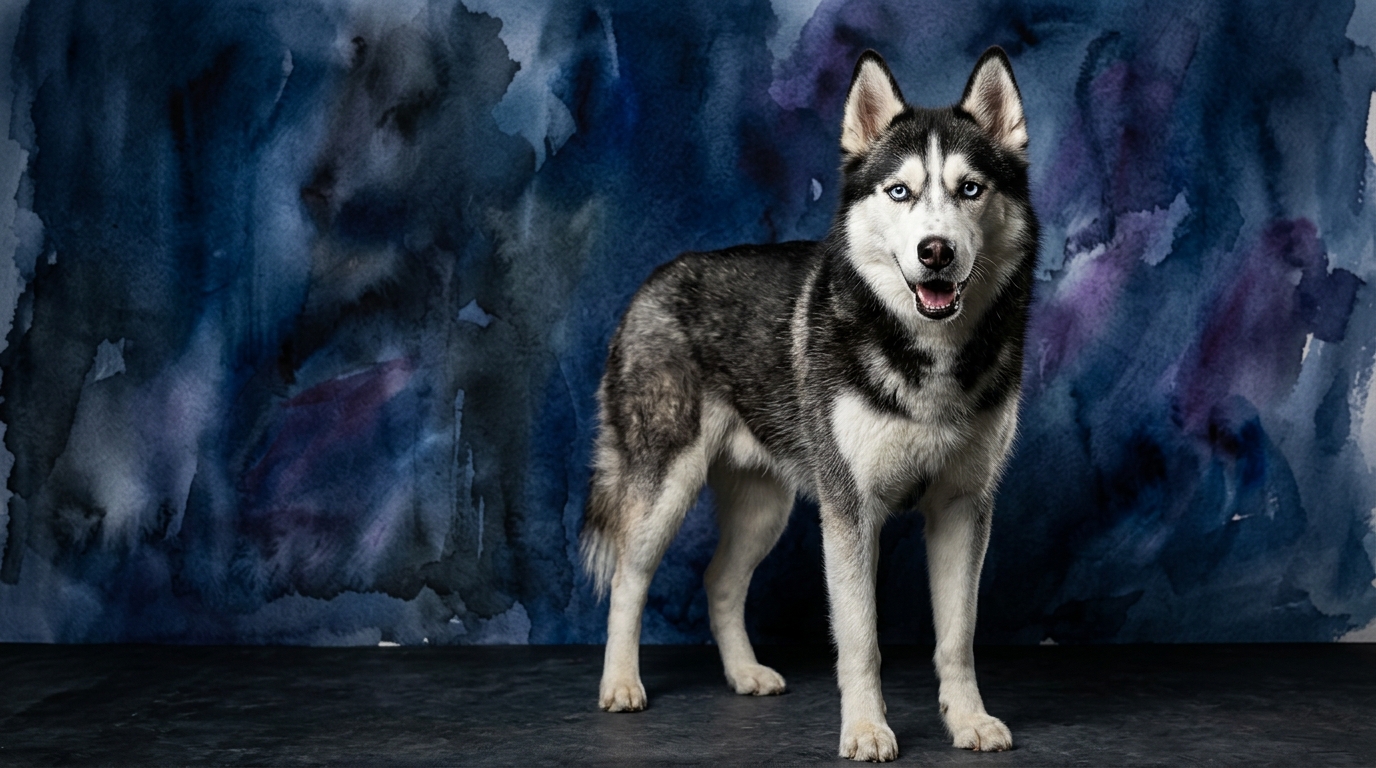
Side-by-Side Pet IQ Lab Profile
The Cosmic Pet Pet IQ Lab provides a nuanced look at canine intelligence across five key dimensions. For the Labrador Retriever (Sporting group, Coren rank #7) and the Siberian Husky (Working group, Coren rank #45), these scores illuminate their inherent aptitudes and behavioral tendencies.
The Labrador Retriever's profile showcases a breed highly attuned to human partnership. Their Problem Solving is rated 4/5, indicating practical, task-oriented intelligence often focused on achieving human-set goals, like retrieving objects from complex locations or manipulating puzzle toys. An exceptional Training Speed of 5/5 highlights their remarkable ability to learn new commands with minimal repetition, driven by a strong desire to please. Their Social Intelligence also scores a perfect 5/5, reflecting an outstanding capacity to read and respond to human cues, fostering deep bonds and cooperative partnerships. The Instinctive Drive is 4/5, centered around retrieving, swimming, and working alongside humans, aligning well with directed activities. Finally, their Memory is 4/5, supporting quick training and consistent task performance through robust recall of routines and commands.
In contrast, the Siberian Husky's profile reveals a more independent and resilient cognitive makeup. Their Problem Solving, also rated 4/5, often manifests in creatively finding ways to achieve personal objectives, such as escaping enclosures or outsmarting owners for resources. A lower Training Speed of 2/5 reflects their independent nature and strong will, requiring significantly more repetition and engaging methods to internalize commands, as their motivation is often self-serving. Their Social Intelligence at 3/5 indicates they understand social structures but prioritize their own needs and instincts over direct human approval. The Instinctive Drive is a powerful 5/5, centered on pulling, endurance running, exploring vast territories, and a potent prey drive, demanding vigorous physical activity. Their Memory is 4/5, particularly strong for routes, past experiences, and locations of resources or adventure opportunities.
Where the Labrador Retriever Wins Cognitively
The Labrador Retriever's cognitive strengths distinctly lie in their exceptional social intelligence and rapid training speed. Their perfect 5/5 ratings in both categories mean they are inherently predisposed to understanding and cooperating with humans, making them highly receptive students. Labs excel at tasks requiring direct collaboration, such as complex obedience routines, assistance work, or intricate retrieving challenges, where their ability to read cues and quickly internalize instructions gives them a significant advantage. Their problem-solving (4/5) is often channeled through a lens of partnership, focusing on achieving shared goals rather than independent exploits. This makes them outstanding candidates for roles requiring precision, consistent responsiveness, and a desire for joint ventures.
Where the Siberian Husky Wins Cognitively
The Siberian Husky's cognitive prowess shines in areas demanding independence, resilience, and a powerful instinctive drive. With a 5/5 in Instinctive Drive, Huskies are masters of endurance and self-sufficiency, capable of navigating and performing in challenging environments with minimal human direction. Their problem-solving (4/5), while numerically similar to the Lab, is often applied to self-preservation or achieving personal objectives, such as figuring out complex escape routes or locating resources. This self-reliant cognitive style, combined with their strong memory (4/5) for terrain and past successes, makes them uniquely adapted for tasks requiring stamina, resourcefulness, and a drive to overcome physical obstacles independently. They are thinkers who forge their own paths.
Which Is Easier to Train and Why
Without question, the Labrador Retriever is considerably easier to train, a difference starkly illuminated by their respective Pet IQ Lab scores. The Labrador's perfect 5/5 Training Speed indicates they grasp new commands and concepts almost immediately, requiring fewer repetitions to solidify learning. This rapid acquisition is further bolstered by their 5/5 Social Intelligence; Labs possess an innate desire to please their human companions and are highly attuned to social cues, making them eager participants in training sessions. They view training as a collaborative effort, motivated by praise and the opportunity to work alongside their owners, making the process efficient and rewarding.
In contrast, the Siberian Husky's 2/5 Training Speed reflects their independent and often stubborn nature. While capable of learning, Huskies require significantly more patience, creativity, and consistency from their trainers. Their 3/5 Social Intelligence means they are less motivated by the desire to please and more by what benefits them personally. Training a Husky often involves finding highly motivating rewards and making the process feel like a game or a challenge they choose to engage with, rather than a directive they instinctively follow. They are smart enough to understand commands but may choose not to comply if it doesn't align with their immediate interests or if their strong instinctive drive (5/5) pulls them elsewhere, demanding a different approach to engagement.
Which Suits Active Owners vs. Relaxed Owners
For the truly active owner seeking a partner for demanding, long-duration outdoor adventures, the Siberian Husky is an exceptional match. Their unparalleled 5/5 Instinctive Drive translates into an almost boundless need for vigorous physical activity, including extensive running, hiking, or even sledding. Huskies thrive in environments where they can utilize their endurance and independent spirit, making them ideal companions for marathon runners, experienced hikers, or those who can provide consistent, high-energy outlets. A relaxed owner would quickly find themselves overwhelmed by a Husky's unmet physical and mental needs, which can lead to destructive behaviors born of boredom and frustration, underscoring the importance of matching their drive.
The Labrador Retriever, while certainly an active breed with a 4/5 Instinctive Drive, offers a more adaptable activity level that can suit a broader range of active owners. They enjoy daily walks, runs, swimming, and retrieving games, but their activity needs are generally more manageable than a Husky's extreme requirements. Their high social intelligence and desire to please make them excellent companions for family activities, dog sports, or even just long strolls in the park. A Labrador can adapt to a moderately active household that enjoys regular engagement, making them a superb choice for active families or individuals who appreciate a cooperative, enthusiastic partner without the specialized, intense demands of a working sled dog.
The Verdict
Opt for a Labrador Retriever if you prioritize a highly trainable, socially intelligent companion eager to please and integrate seamlessly into family life, offering enthusiastic participation in moderate to high-energy activities.
Choose a Siberian Husky if you are an experienced, highly active owner prepared to meet an exceptional need for independent physical exertion and mental stimulation, appreciating a dog with a strong, self-reliant spirit.
🧠 Find Your Pet's IQ Score
Our Pet IQ Lab assessment covers 25+ tests across 5 cognitive dimensions — personalized to your breed.
Take the Full IQ Test →Frequently Asked Questions
Do both breeds have similar problem-solving abilities?
While both breeds score 4/5 in Problem Solving, their application differs significantly. Labradors often use it for cooperative tasks and human-directed goals, while Huskies apply it independently, frequently for self-serving objectives like escaping or finding their own entertainment and resources.
Why is the Labrador Retriever's training speed so much higher?
The Labrador's 5/5 Training Speed is due to their strong desire to please and high social intelligence, making them highly receptive to human direction and quick to form associations. Huskies (2/5) are more independent and require more repetition and creative motivation during training due to their self-reliant nature.
Can a Siberian Husky be a good family dog despite its independence?
Yes, Huskies can be loyal and affectionate family members, but their independence (Social Intelligence 3/5) means they may not always seek to please their owners in the same way a Labrador would. They require consistent training, extensive exercise, and clear boundaries to thrive in a family setting, ensuring their strong drives are met constructively.