Side-by-Side IQ Profile: A Cognitive Blueprint
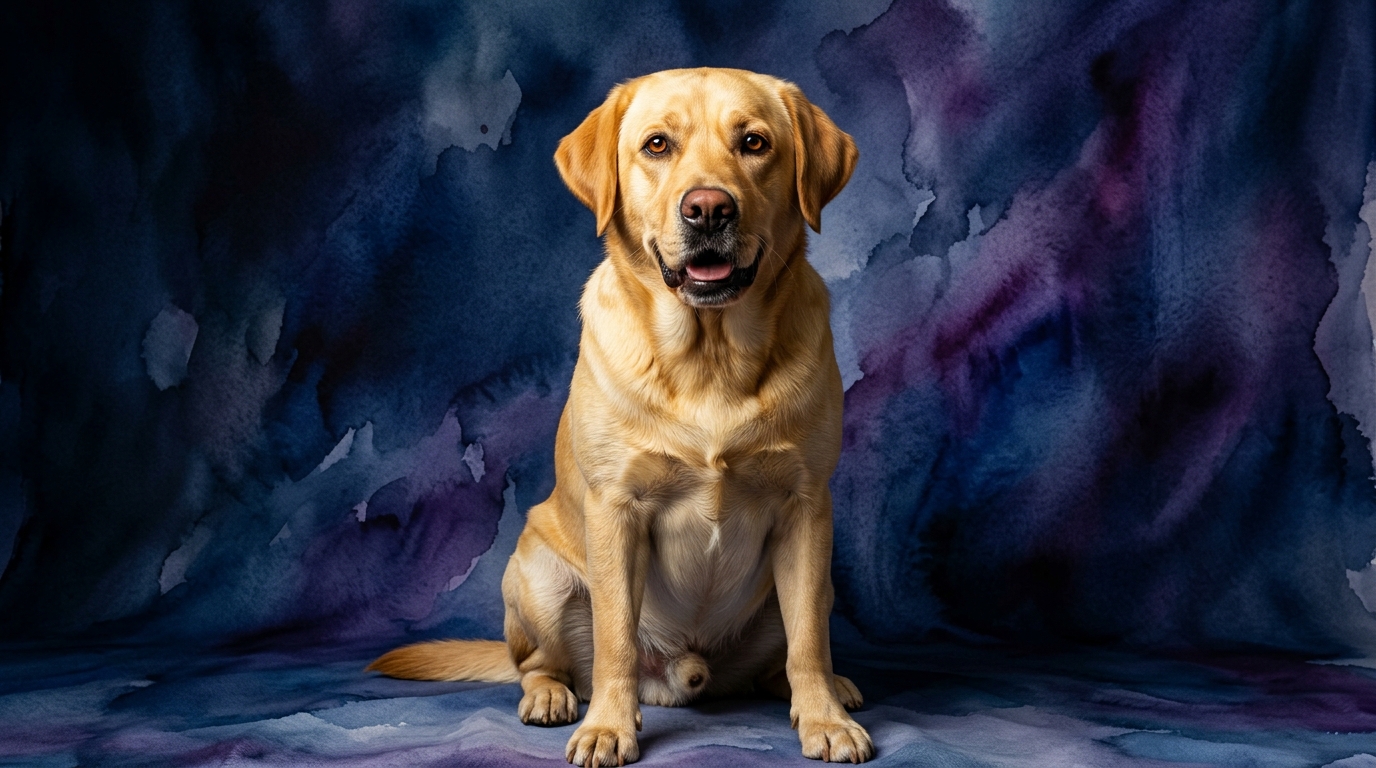
At The Cosmic Pet Pet IQ Lab, we evaluate canine intelligence across five key dimensions, providing a nuanced understanding of each breed's cognitive strengths. The Labrador Retriever, a Sporting group member, consistently ranks high, placing 7th in Coren's intelligence scale. Their profile reflects a breed bred for purposeful work: Problem Solving 4/5, indicating a resourceful mind that quickly navigates challenges; Training Speed 5/5, showcasing an exceptional ability to learn and retain commands; Social Intelligence 5/5, highlighting their deep attunement to human cues and emotional states; Instinctive Drive 4/5, revealing a strong inner motivation for tasks, particularly retrieving; and Memory 4/5, demonstrating excellent recall of learned behaviors and routines.
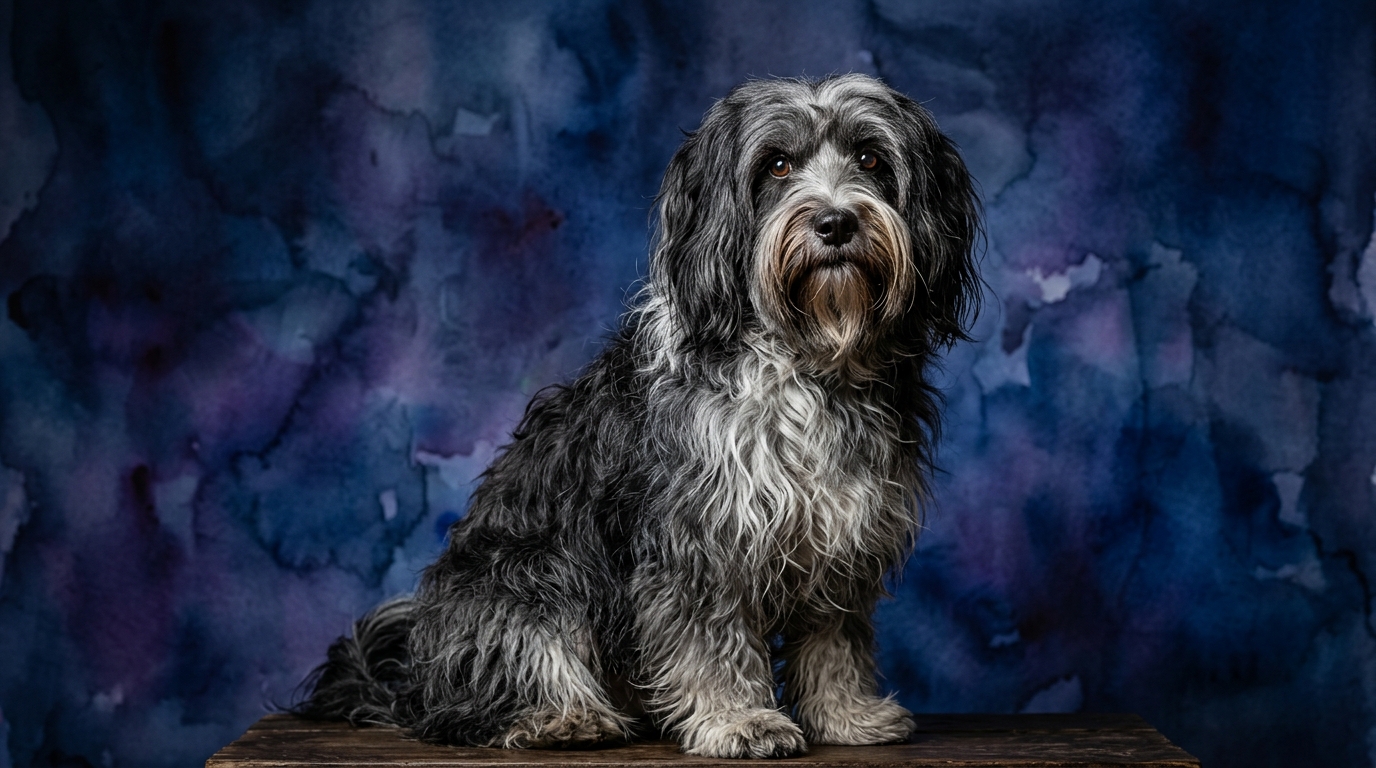
In contrast, the Tibetan Terrier, a Non-Sporting group member, holds a Coren rank of 63. Their cognitive profile suggests a breed valued for companionship and independent thought: Problem Solving 3/5, indicating a capable but perhaps more deliberate approach to new challenges; Training Speed 3/5, suggesting a moderate learning pace that benefits from consistent, positive reinforcement; Social Intelligence 3/5, reflecting an affectionate nature with family, though often more reserved with strangers; Instinctive Drive 3/5, pointing to a moderate internal motivation, less geared towards specific tasks and more towards general engagement; and Memory 3/5, meaning they retain information but may require more reinforcement for complex sequences or less frequent commands.
Where the Labrador Retriever Excels Cognitively
The Labrador Retriever's cognitive strengths are deeply rooted in their history as working dogs, particularly in retrieval. Their 4/5 Problem Solving score shines in scenarios requiring strategic thinking, such as navigating a complex field to retrieve game or figuring out how to open a gate to reach a desired object. This isn't just about brute force; it's about rapidly assessing a situation and executing a multi-step solution. Their 5/5 Training Speed is perhaps their most defining cognitive advantage, allowing them to grasp new commands and concepts with remarkable efficiency. This rapid acquisition makes them exceptional candidates for intricate roles like service work, agility, or competitive obedience, where precision and quick learning are paramount.
Furthermore, their 5/5 Social Intelligence means they possess an acute understanding of human emotions and intentions, making them extraordinarily empathetic companions and intuitive partners. They can anticipate human needs and respond appropriately, forming profound bonds that facilitate cooperative learning. Their 4/5 Instinctive Drive fuels a persistent focus on tasks, ensuring that once a goal is understood, they will apply sustained effort to achieve it, whether it's finding a hidden toy or completing a scent discrimination exercise. This drive, combined with their 4/5 Memory, allows them to build a vast repertoire of skills and maintain reliability in their performance over extended periods.
Where the Tibetan Terrier Shows Unique Cognitive Strengths
While the Tibetan Terrier's scores are generally lower, their cognitive profile reveals distinct advantages that align with their historical role as companions and guardians in challenging terrains. Their 3/5 Problem Solving, though not as swift as a Lab's, often manifests as independent thinking. They might take more time to evaluate a puzzle or a new situation, sometimes arriving at novel solutions through observation or a less direct approach, rather than relying solely on human direction. This independence is a cognitive strength for a breed that needed to be self-reliant in its original environment.
Their 3/5 Social Intelligence, while not broadly eager, means they are discerning. They form deep, selective bonds with their family, reading familiar cues with precision and offering a nuanced companionship that values connection over constant activity. This can translate to an emotional resilience, being less prone to separation distress, as they are not constantly seeking external validation. Their moderate 3/5 Instinctive Drive allows them to be content with less intense, task-oriented work, making them adaptable to a wider range of home environments without demanding constant, rigorous engagement. This translates to a cognitive profile that prizes adaptability and a balanced internal motivation, allowing them to entertain themselves and remain calm in varied situations, rather than needing constant external stimulation or direction.
Trainability: Labrador Retriever vs. Tibetan Terrier
When it comes to ease of training, the Labrador Retriever generally presents a more straightforward experience for owners. Their 5/5 Training Speed, coupled with a strong desire to please and high social intelligence, means they grasp new commands rapidly, often requiring only a few repetitions. They are highly motivated by positive reinforcement, particularly food and praise, and their robust instinctive drive allows them to maintain focus on tasks, making them eager participants in training sessions. Behaviorally, a Labrador is typically less likely to question a command and more likely to comply quickly, making the training process feel like a cooperative partnership.
The Tibetan Terrier, with its 3/5 Training Speed and moderate social intelligence, requires a more patient and consistent approach. They possess an independent streak that can sometimes be perceived as stubbornness; they may take longer to understand the 'why' behind a command or simply choose to evaluate if a command aligns with their current interest. Training success with a Tibetan Terrier hinges on making sessions fun, engaging, and varied, often requiring more repetitions and creative motivation to hold their attention. Owners might encounter 'selective hearing' if the training isn't consistently rewarding or if the dog isn't fully engaged, demanding a more nuanced understanding of their individual personality and motivations.
Matching Canine Companions to Lifestyles
For active owners seeking a dynamic partner, the Labrador Retriever is an exceptional choice. Their high instinctive drive, problem-solving prowess, and robust memory make them ideal for individuals or families who embrace a lifestyle filled with consistent mental and physical challenges. Labs thrive on activities such as long hikes, swimming, competitive agility, obedience trials, scent work, or even search and rescue. They have a deep-seated need for engagement and excel when given a 'job' or a consistent routine of stimulating activities, making them perfect for owners who want a dog to actively participate in their adventurous lives.
Conversely, the Tibetan Terrier is often a better fit for more relaxed owners. While they certainly enjoy walks and playtime, their moderate instinctive drive and problem-solving indicate they are content with a less rigorous schedule than a Labrador. They appreciate companionship and moderate daily exercise but typically don't demand the intense, goal-oriented activities that a Lab requires. Their independent nature means they can be more content with quieter companionship and fewer highly structured activities, making them suitable for owners seeking a charming, adaptable companion who can enjoy both active moments and peaceful relaxation without constant demands for intense engagement.
The Verdict: When to Choose Each Breed
Choosing between a Labrador Retriever and a Tibetan Terrier depends profoundly on your lifestyle and expectations for a canine companion. Each breed offers a distinct cognitive and behavioral profile tailored to different human partnerships.
The Verdict
Choose a Labrador Retriever if you seek a highly trainable, devoted partner for structured activities, service work, or an active family life where consistent mental and physical engagement is a priority. Their eager-to-please nature and robust cognitive profile make them exceptional students and companions in goal-oriented pursuits.
Opt for a Tibetan Terrier if you desire a charming, independent companion who enjoys moderate activity and forms deep bonds with their family, without the intense drive for constant task-oriented work. They suit owners who appreciate a dog with a unique personality and are willing to engage with their intelligent, sometimes discerning nature on their own terms.
🧠 Find Your Pet's IQ Score
Our Pet IQ Lab assessment covers 25+ tests across 5 cognitive dimensions — personalized to your breed.
Take the Full IQ Test →Frequently Asked Questions
Is a Labrador Retriever too much dog for a first-time owner?
No, their high training speed and social intelligence can make them excellent for first-timers willing to commit to consistent training and mental stimulation. Their eagerness to learn often simplifies the process, though their significant energy levels and need for engagement require dedication.
Do Tibetan Terriers get bored easily if not constantly entertained?
Tibetan Terriers have a moderate instinctive drive, meaning they are less prone to destructive boredom from under-stimulation compared to some high-drive breeds. They appreciate companionship and moderate activity, but their independent nature allows them to entertain themselves more readily, making them adaptable companions.
How do these breeds typically differ in their approach to strangers?
Labrador Retrievers generally exhibit high social intelligence and an open, friendly disposition towards strangers, often seeking interaction and new friends. Tibetan Terriers, while affectionate with their family, tend to be more reserved or discerning with unfamiliar people, observing before engaging or keeping a polite distance.