Side-by-Side IQ Profile: Lab vs. Coonhound
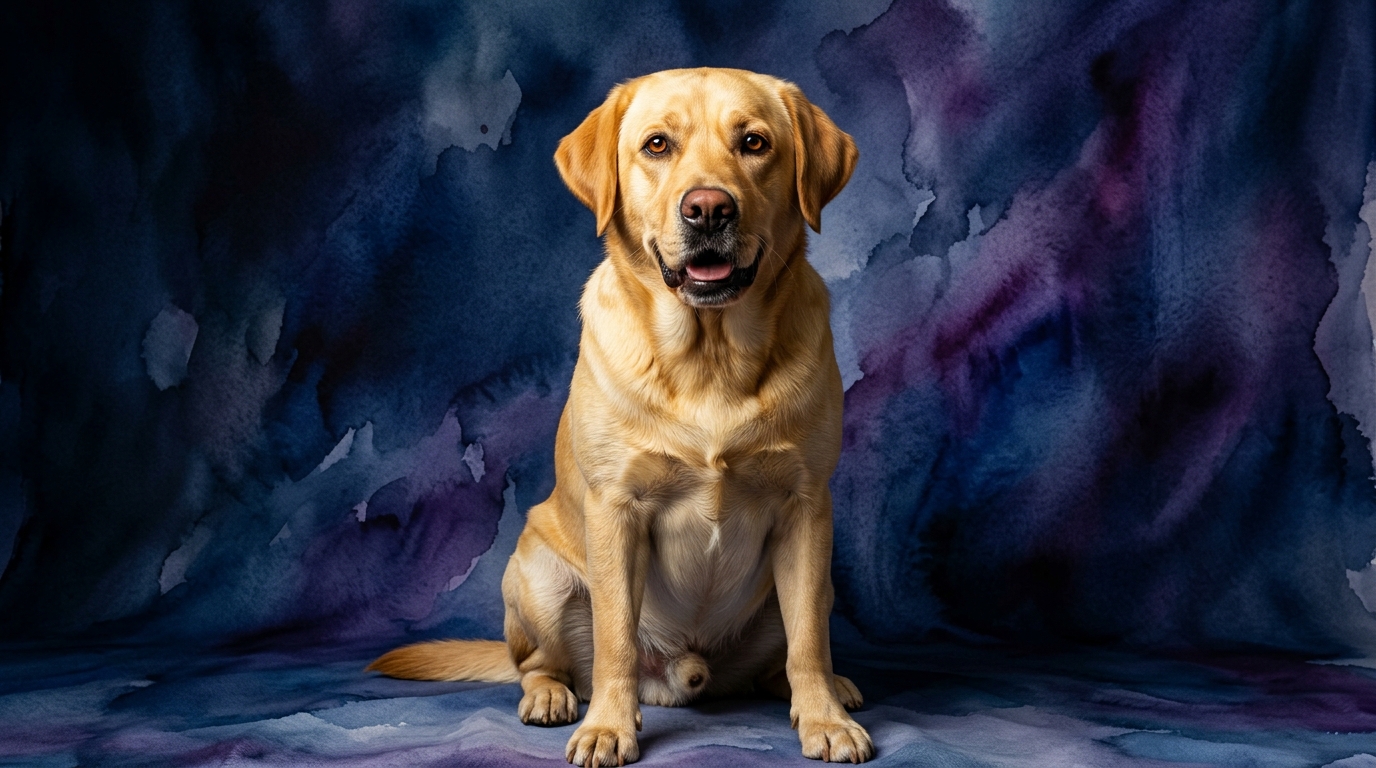
At The Cosmic Pet Pet IQ Lab, we assess canine intelligence across five key dimensions, offering a nuanced view beyond simple obedience. For the Labrador Retriever, widely recognized for its cooperative nature and ranked #7 by Stanley Coren for obedience intelligence, their profile demonstrates a broad aptitude. Their Problem Solving is rated 4/5, reflecting an ability to navigate novel situations and devise practical solutions, often through observation. Training Speed receives a perfect 5/5, underscoring their rapid grasp of commands and routines, driven by an eagerness to please. Social Intelligence is also 5/5, indicating a profound attunement to human cues and emotional states, fostering deep bonds. An Instinctive Drive of 4/5 highlights their strong retrieving instinct and desire for purposeful activity alongside humans. Finally, their Memory is 4/5, showcasing a robust capacity to recall commands, routines, and experiences over time.
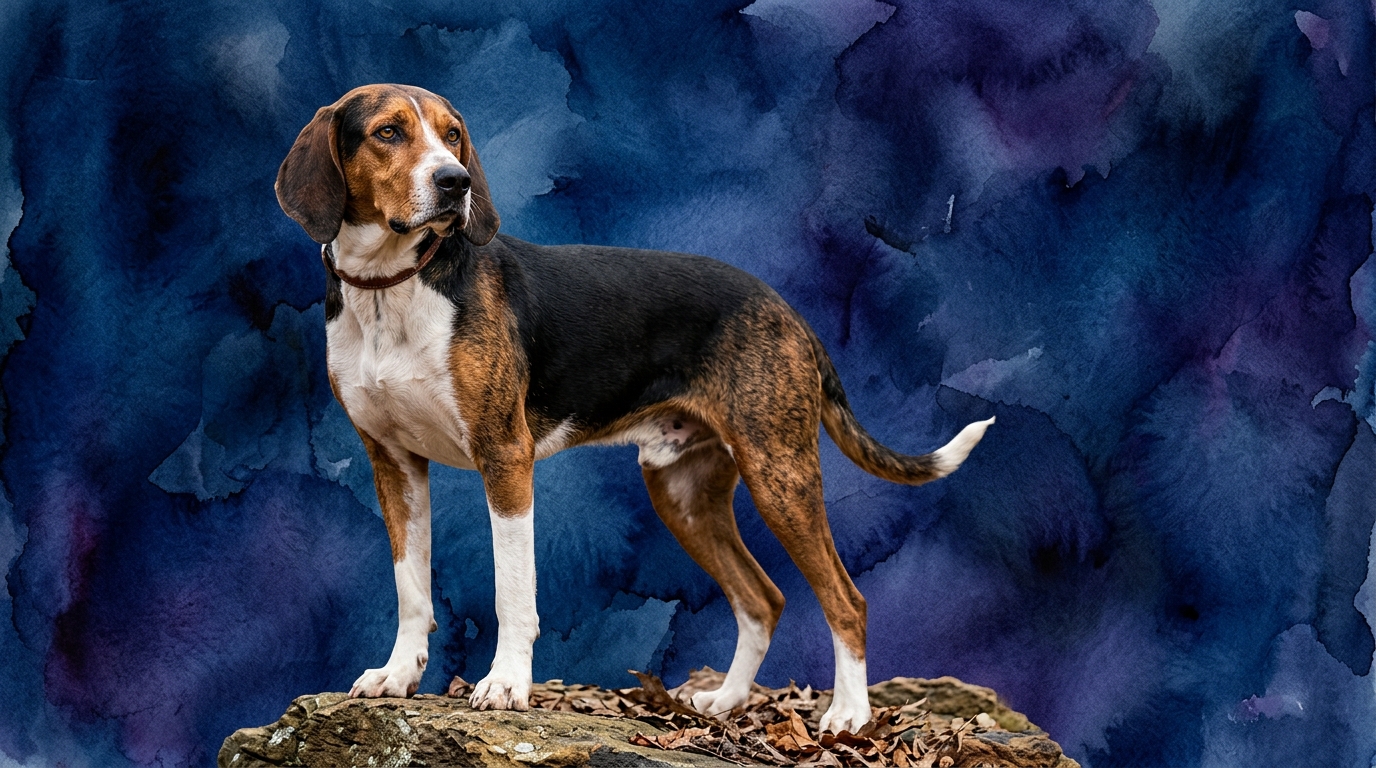
The Treeing Walker Coonhound, not Coren-ranked, presents a different cognitive specialization, shaped by its role as a scent hound. Their Problem Solving is 3/5, primarily focused on deciphering complex scent trails and navigating challenging terrain to locate quarry, rather than abstract puzzles. Training Speed is 3/5; while capable of learning, their independent nature and powerful scent drive can make instruction more challenging, often requiring more patience and repetition. Social Intelligence is 3/5; they are generally friendly but maintain a more self-reliant demeanor, less intensely focused on subtle human emotional cues compared to breeds bred for closer human partnership. Their Instinctive Drive is 3/5, representing an intense, singular pursuit of game by scent, which can override other stimuli. Their Memory is also 3/5, excelling in retaining scent profiles and geographical features pertinent to hunting, but perhaps less so for abstract commands.
Where the Labrador Retriever Excels Cognitively
The Labrador Retriever's cognitive strengths shine particularly in their versatility and cooperative spirit. Their superior problem-solving (4/5) isn't just about figuring out puzzles; it's about adapting those solutions across diverse environments, from a suburban home to a hunting blind. They excel at generalizing learned behaviors, applying a 'sit' command equally well in a quiet room or a bustling park. Their perfect 5/5 in training speed is a testament to their attentiveness and motivation to engage with human instruction, allowing them to master a vast repertoire of commands and tasks with remarkable efficiency. This translates into a dog that can transition seamlessly between roles as a family pet, service animal, or competitive athlete. Furthermore, their exceptional social intelligence (5/5) means they are profoundly attuned to human communication, often anticipating needs and offering comfort, making them incredibly intuitive partners in complex interactions.
Where the Treeing Walker Coonhound's Cognition Stands Out
While their cognitive profile diverges, the Treeing Walker Coonhound possesses a unique set of cognitive triumphs, primarily rooted in their specialized hunting heritage. Their problem-solving (3/5) is less about general obedience and more about intricate environmental navigation and sensory interpretation. They demonstrate remarkable cognitive persistence in following a faint scent trail across varied, challenging terrain, often requiring them to deduce the path of their quarry through complex olfactory information. This involves a sophisticated form of spatial reasoning and long-term scent memory (3/5) that allows them to recall specific scent profiles and overlay them onto mental maps of their hunting grounds. Their instinctive drive (3/5), while appearing lower in a general sense, represents an unparalleled focus and stamina for their specific task, allowing them to work independently for extended periods, driven by an internal compass of scent and pursuit. This single-minded dedication to a task, often requiring them to make autonomous decisions in the field, is a profound cognitive strength.
Training Dynamics: Which Breed is Easier?
When comparing training ease, the Labrador Retriever generally presents a more straightforward experience due to their higher scores in training speed (5/5) and social intelligence (5/5). Labradors typically possess an inherent eagerness to please and a strong desire to work collaboratively with their human partners. They respond well to positive reinforcement, quickly associating actions with rewards and showing a focused attention to their handler. Their robust memory (4/5) allows them to retain a wide array of commands and routines, making advanced obedience and complex task learning relatively smooth. In contrast, the Treeing Walker Coonhound, with a training speed of 3/5 and social intelligence of 3/5, often requires a more patient and nuanced approach. Their powerful instinctive drive (3/5) for scenting means that once a compelling odor is detected, their focus can become intensely singular, making it challenging to redirect their attention to human commands. They are not necessarily disobedient, but rather prioritize their ingrained drive, requiring trainers to be highly consistent, creative with motivation, and understanding of their independent working style.
Matching Breeds to Owner Lifestyles: Active vs. Relaxed
For owners seeking an active lifestyle, both breeds offer engagement, but with different expressions. The Labrador Retriever is an excellent match for active individuals or families who enjoy a variety of pursuits. Their 4/5 instinctive drive translates into enthusiasm for activities like fetching, swimming, hiking, and even competitive dog sports such as agility or obedience. They thrive on having a 'job' and appreciate mental stimulation alongside physical exercise, making them adaptable companions for jogging, field work, or just extended playtime. While energetic, they also possess an 'off switch' and can settle down for relaxed evenings with their family. The Treeing Walker Coonhound, however, demands a specific kind of intense activity. Their deep-seated instinctive drive for scenting requires outlets that allow them to utilize their nose and endurance. This means long, vigorous walks where they can follow scents, or ideally, participation in scent work, tracking, or hunting. A truly 'relaxed' owner who prefers minimal outdoor activity would likely find a Coonhound challenging, as their unmet drive can lead to restlessness, vocalization, or attempts to follow scents independently, often requiring secure containment. They are built for sustained, purposeful effort rather than casual strolls.
The Verdict
Choose a Labrador Retriever if you seek a highly adaptable, cooperative, and easily trainable companion for diverse family activities and a strong human-canine bond.
Opt for a Treeing Walker Coonhound if you are an experienced owner dedicated to providing outlets for their intense scenting drive and appreciate an independent, tenacious partner for specialized outdoor pursuits.
🧠 Find Your Pet's IQ Score
Our Pet IQ Lab assessment covers 25+ tests across 5 cognitive dimensions — personalized to your breed.
Take the Full IQ Test →Frequently Asked Questions
Can Treeing Walker Coonhounds be good family pets despite their hunting drive?
Yes, with proper socialization, consistent training, and sufficient outlets for their scenting drive, they can be affectionate and loyal companions. They are generally good with children and other dogs, but their independent nature means they may not always seek constant interaction.
Do Labrador Retrievers require a lot of mental stimulation?
Absolutely. While physically active, Labradors also thrive on mental challenges due to their high problem-solving and training speed. Puzzle toys, consistent obedience training, learning new tricks, and engaging in interactive games are crucial to keep their minds engaged and prevent boredom.
Is the Coren rank the only measure of a dog's intelligence?
No, Coren's ranking primarily assesses 'obedience and working intelligence,' reflecting a dog's ability to learn and follow human commands. Other forms of intelligence, like adaptive problem-solving, spatial reasoning, and specialized sensory intelligence (as seen in scent hounds), are equally valid but measured differently.