Side-by-Side Cognitive Profiles
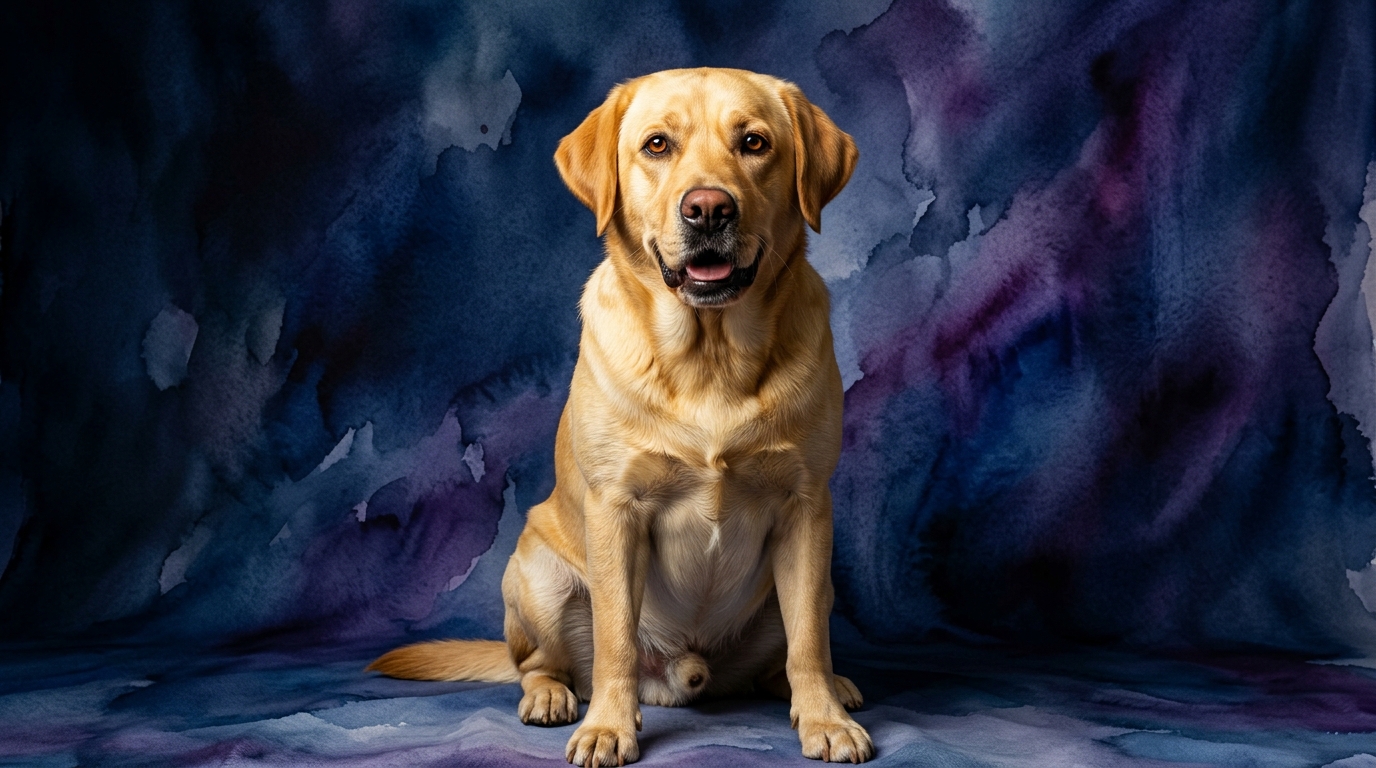
At The Cosmic Pet Pet IQ Lab, we analyze canine intelligence across five critical dimensions to provide a comprehensive understanding of each breed's mental aptitude. For the Labrador Retriever, ranked #7 by Coren, their profile reveals a robust and cooperative intellect. They score 4/5 in Problem Solving, exhibiting strong practical capabilities, especially in tasks involving retrieval and navigating complex environments to achieve a goal, often with a methodical and persistent approach. Their Training Speed is an exceptional 5/5, demonstrating remarkable efficiency in acquiring new commands and routines, driven by their eagerness to please and quick formation of associative learning links. Social Intelligence is also a perfect 5/5, indicating an outstanding ability to read human cues, understand social dynamics, and form strong, cooperative bonds. Instinctive Drive stands at 4/5, a robust yet manageable urge primarily focused on retrieving, which is effectively channeled into working partnerships. Finally, their Memory is 4/5, showing solid retention of learned behaviors and spatial information over time, aiding consistent performance.
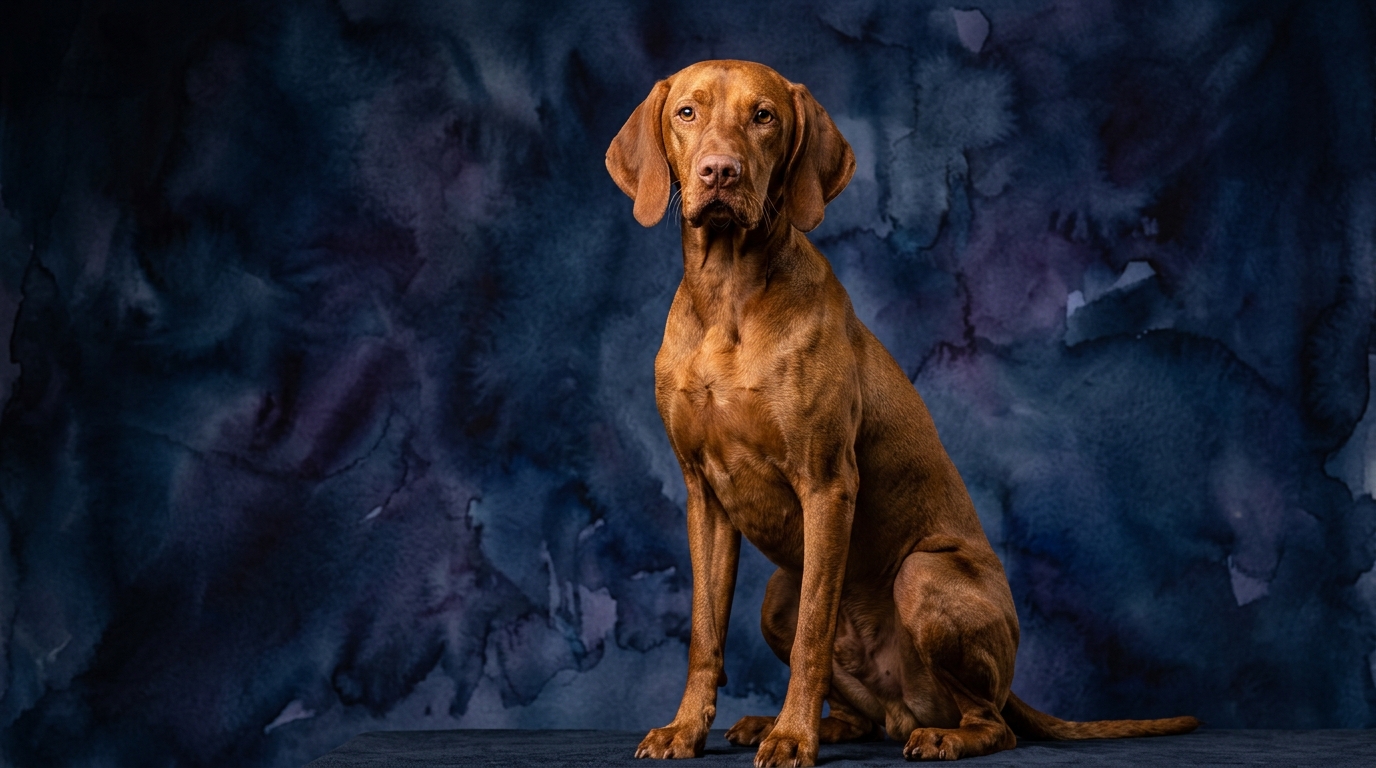
The Vizsla, with a Coren rank of #31, presents a cognitive profile distinguished by intense drive and sensitive social engagement. Their Problem Solving is rated 4/5, where they capably devise strategies, particularly when tasks align with their strong hunting instincts, often approaching challenges with independent ingenuity. Their Training Speed is 4/5, meaning they learn new commands efficiently, though perhaps with a slightly longer acquisition phase than the Labrador, with motivation often tied to engaging their natural drives. Social Intelligence is a profound 5/5, as Vizslas form deep, often singular bonds with their primary caregivers, showing sensitivity to human emotions and seeking close companionship, earning them the 'velcro' dog moniker. Their Instinctive Drive is an exceptional 5/5, characterized by a pervasive and intense motivation for hunting, pointing, and retrieving, an intrinsic part of their being that demands consistent outlets. Like the Labrador, their Memory is 4/5, exhibiting strong recall for locations, scent trails, and learned behaviors crucial for their historical roles as hunting dogs.
Labrador Retriever's Cognitive Edge
The Labrador Retriever's true cognitive advantage shines in its Training Speed (5/5). This isn't merely about obedience; it reflects a remarkable capacity for rapid associative learning and a profound desire to engage cooperatively with humans. They form connections between commands and actions with striking efficiency, making complex sequences of tasks, like those in agility or service work, relatively quick to instill. Their high Social Intelligence (5/5) further amplifies this, as they are acutely tuned into human directives and body language, perceiving training as a collaborative effort rather than a series of isolated tasks. This cognitive blend allows them to absorb new information, adapt to novel situations, and consistently execute learned behaviors with a level of precision and enthusiasm that sets them apart.
Vizsla's Unique Mental Strengths
The Vizsla's distinctive cognitive strength lies primarily in its exceptional Instinctive Drive (5/5). This isn't just about energy; it's a deep-seated, intrinsic motivation that fuels their every action, particularly in scenting, pointing, and retrieving. This drive manifests as an intense focus and unwavering persistence when engaged in tasks that tap into their natural predispositions. While their Problem Solving is rated equally at 4/5, the Vizsla often applies this skill with an independent, self-directed ingenuity, particularly when navigating complex terrain or tracking. Their memory (4/5) for scent and spatial information is robust, allowing them to recall specific locations and patterns crucial for their working heritage, demonstrating a specialized form of cognitive recall rooted in their purpose.
Training Dynamics: Which Breed Learns Faster?
When comparing the ease of training, the Labrador Retriever generally presents a smoother path for most owners. Their superior Training Speed (5/5) means they grasp new commands and routines with remarkable swiftness, often requiring fewer repetitions to solidify a behavior. This is directly supported by their high Social Intelligence (5/5), which translates into an innate desire to understand and comply with human expectations. They are eager to please, making them highly responsive to positive reinforcement and clear communication, which facilitates rapid learning and consistent performance.
In contrast, the Vizsla, while still an adept learner with a Training Speed of 4/5, often requires a more nuanced approach. Their intensely high Instinctive Drive (5/5) means that their focus can be strongly directed towards environmental stimuli, such as scents or movement, which can sometimes compete with human instruction. Training a Vizsla often involves channeling this drive into productive outlets rather than suppressing it, requiring trainers to be creative in incorporating their natural tendencies into learning objectives. While they form deep bonds, their independence in problem-solving might mean they occasionally choose to follow their nose over a command if not consistently engaged and motivated through stimulating training methods.
Lifestyle Match: Active Pursuits vs. Balanced Living
The Labrador Retriever, with its balanced cognitive profile and slightly lower Instinctive Drive (4/5), adapts well to a broader range of owner lifestyles. While they certainly thrive with regular physical activity and mental stimulation, their robust social intelligence and eagerness to please make them amenable to both active households and those that might offer a more relaxed pace, provided their fundamental needs for exercise and companionship are met. They are excellent family dogs, fitting seamlessly into routines that include walks, play, and quiet time indoors, demonstrating their versatility for various dog sports or simply navigating daily life with thoughtful adaptability.
The Vizsla, however, demands a profoundly active and engaged owner. Their exceptionally high Instinctive Drive (5/5) means they possess boundless energy and a constant need for purposeful activity. These dogs are not content with short walks; they require extensive daily exercise that taps into their hunting heritage, such as running, hiking, or field work. Owners who lead an intensely active outdoor lifestyle, perhaps involving hunting, trail running, or competitive dog sports, will find the Vizsla to be an unparalleled companion. A relaxed or sedentary owner would likely struggle to meet the Vizsla's inherent cognitive and physical demands, potentially leading to behavioral challenges stemming from unmet needs for mental and physical exertion.
The Verdict
Opt for a Labrador Retriever if you seek a highly cooperative, adaptable companion who excels in rapid learning and desires to integrate seamlessly into a variety of family environments. Their balanced drive and exceptional social intelligence make them an excellent choice for first-time dog owners or families seeking a versatile, eager-to-please companion.
Select a Vizsla if you lead an exceptionally active lifestyle and are prepared to dedicate significant time to channeling a powerful, intrinsic drive into purposeful activities like hunting, extensive running, or demanding dog sports. Their intense bond and independent problem-solving suit owners who appreciate a dog with profound working instincts and a need for constant engagement.
🧠 Find Your Pet's IQ Score
Our Pet IQ Lab assessment covers 25+ tests across 5 cognitive dimensions — personalized to your breed.
Take the Full IQ Test →Frequently Asked Questions
Are Vizslas good with children despite their high drive?
Vizslas often form strong bonds with family members, including children, due to their high social intelligence. However, their intense energy and need for constant engagement mean they require supervision with very young children to prevent accidental knocking over during enthusiastic play.
Do Labrador Retrievers require a lot of exercise?
While Labradors have a strong instinctive drive and benefit greatly from regular exercise, their needs are generally more moderate and adaptable than those of a Vizsla. Daily walks, retrieve games, and mental challenges are usually sufficient to keep them content without overwhelming demands.
How do their problem-solving skills differ in everyday life?
Both breeds demonstrate good problem-solving, but a Labrador might methodically figure out how to open a treat puzzle to access a reward, while a Vizsla might more instinctively devise a way to track a squirrel through a complex yard or navigate obstacles during a trail run.