
Side-by-Side Pet IQ Lab Profile
The Cosmic Pet Pet IQ Lab provides a structured lens through which to examine the cognitive attributes of our canine companions. For the Labrador Retriever, a Sporting breed, their profile reflects a strong aptitude for cooperative intelligence, aligning with their historical role as a human working partner. They achieve a Problem Solving score of 4/5, demonstrating a natural ability to understand and navigate complex tasks, often with a clear objective in mind. Their Training Speed stands at an impressive 5/5, indicating a rapid grasp of new commands and a strong desire to comply, making them highly receptive to instruction. Social Intelligence is also rated 5/5, highlighting their exceptional capacity to interpret human cues, form deep bonds, and exhibit empathy. An Instinctive Drive of 4/5 points to their robust retrieving, swimming, and working drives, while a Memory score of 4/5 ensures they retain learned behaviors and routines effectively.
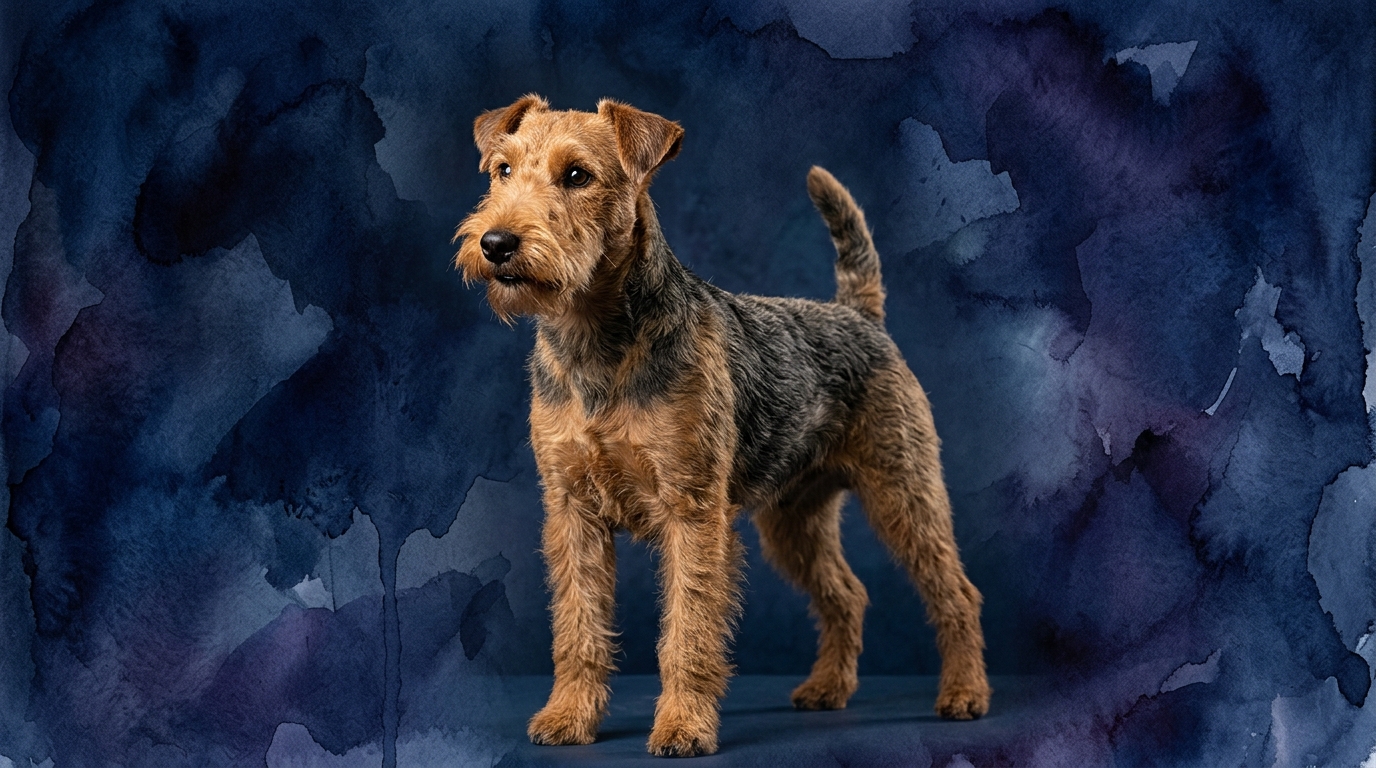
In contrast, the Welsh Terrier, a member of the Terrier group, presents a different cognitive blueprint, reflective of their independent, tenacious nature. While not Coren-ranked, their intelligence is geared towards self-sufficiency and resourcefulness. Their Problem Solving capability is rated 3/5, meaning they are capable of finding solutions, though they might prefer to do so through their own initiative rather than strictly following human directives. Training Speed for the Welsh Terrier is 3/5; they are certainly capable of learning, but often require more patience, consistency, and a motivational approach that appeals to their independent spirit. Social Intelligence is also 3/5, indicating they observe human behavior and form attachments, but typically with a more reserved or self-contained expression compared to the overtly social Labrador. Their Instinctive Drive is 3/5, primarily manifesting as a strong prey drive, including digging and chasing, which can sometimes override human-directed tasks. Finally, their Memory is 3/5, meaning they remember commands and experiences, but consistent recall often benefits from regular reinforcement to combat occasional selective hearing.
Where Labrador Retrievers Excel Cognitively
The Labrador Retriever's cognitive strengths are profoundly rooted in their collaborative spirit and eagerness to engage with humans. Their 5/5 Training Speed means they absorb new commands with remarkable swiftness, often requiring fewer repetitions than many other breeds. This rapid learning curve is paired with their 5/5 Social Intelligence, allowing them to not only understand commands but also to accurately interpret subtle human body language and vocal tones, fostering an almost intuitive partnership. For example, a Labrador can quickly learn complex sequences of hand signals and verbal commands necessary for advanced obedience or service work, demonstrating a profound capacity for abstract association and recall.
Furthermore, their 4/5 Problem Solving ability shines in scenarios requiring logical deduction within a human-defined framework. They excel at tasks like scent detection, where they must systematically search and identify specific odors, or in agility courses, where they navigate obstacles in a precise sequence. This is underpinned by their 4/5 Memory, which enables them to recall intricate routes, specific commands, and the location of previously hidden objects with impressive accuracy. Their robust Instinctive Drive of 4/5, often channeled into retrieving and working, further enhances these cognitive wins, as it provides a powerful intrinsic motivation to perform tasks alongside their human companions, making them highly adaptable to various working roles from assistance dogs to search and rescue.
Where Welsh Terriers Demonstrate Unique Cognitive Strengths
While the Welsh Terrier's scores might appear lower in comparison, their cognitive profile reflects a different kind of brilliance—one of independent resourcefulness and tenacity. Their 3/5 Problem Solving isn't a lack of capacity, but rather a preference for autonomous decision-making. Faced with a challenge, a Welsh Terrier is more likely to devise their own solution, often employing cunning and perseverance, rather than waiting for human direction. This might manifest as finding a creative way to access a desired toy or outsmarting a perceived barrier in the yard, showcasing a distinct 'terrier wit.'
Their 3/5 Instinctive Drive, heavily skewed towards prey pursuit, imbues them with incredible focus and determination when engaged in activities that tap into this primal urge. This can be seen in their relentless digging, tracking scents, or persistent chasing of small critters, requiring sustained mental effort and physical coordination. While their 3/5 Training Speed and Social Intelligence suggest they might not be as overtly eager to please or as quick to adopt human-centric solutions as a Labrador, they are observant and capable learners. The challenge lies in making training sufficiently engaging and rewarding to capture their independent attention, turning it into a game rather than a chore. Their 3/5 Memory allows them to recall these learned 'games' and routines, especially if they are reinforced in a way that appeals to their inherent spirited nature, demonstrating a competence that is uniquely terrier in its application.
Training Ease: Labrador Retriever vs. Welsh Terrier
When it comes to training, the Labrador Retriever generally presents a more straightforward and often faster learning experience. Their 5/5 Training Speed and 5/5 Social Intelligence are the cornerstones of this ease. Labradors possess an inherent desire to please their human companions, making them highly motivated by positive reinforcement and praise. They form strong bonds quickly and are attuned to their owner's wishes, which translates into rapid command acquisition and reliable obedience. Their focus is typically on collaborating with their handler, minimizing distractions and maximizing learning efficiency. This makes them excellent candidates for everything from basic manners to complex competitive dog sports, as they readily internalize and execute instructions.
The Welsh Terrier, with its 3/5 Training Speed and 3/5 Social Intelligence, requires a different approach. Their independent nature means they are less inherently driven to comply purely for human approval; instead, they need training to be stimulating, varied, and to feel like a worthwhile endeavor on their own terms. Consistency is paramount, as is making training sessions short, fun, and engaging to prevent boredom and stubbornness. Their strong instinctive drives, particularly for chasing and digging, can also serve as powerful distractions, demanding extra effort to maintain focus. While they are intelligent and capable of learning a wide array of commands, owners must be prepared for a more gradual process, employing creative motivational techniques and unwavering patience to achieve desired behaviors, often needing to outwit their terrier's independent streak.
Suitability for Active vs. Relaxed Owners
For active owners, both breeds can certainly fit the bill, but their ideal activities differ significantly. A Labrador Retriever, with their 4/5 Instinctive Drive for working and retrieving, thrives with structured, purpose-driven activities. They are ideal companions for long hikes, swimming, running alongside a bike, or participating in canine sports like agility, obedience, and dock diving. Their robust memory and problem-solving skills make them excellent partners for complex challenges, and they relish the opportunity to work collaboratively with their owner, expending both physical and mental energy. They require consistent outlets for their drive to prevent boredom and potential destructive behaviors.
The Welsh Terrier also needs activity, but their energy is often expressed in bursts rather than sustained endurance. They are well-suited for owners who enjoy vigorous play sessions, challenging puzzle toys, and activities that allow them to use their natural instincts, such as earthdog trials or scent work. While they enjoy walks and runs, their smaller size and terrier mindset mean they might prefer exploring interesting smells and chasing squirrels to long, monotonous jogs. For more relaxed owners, neither dog is a true couch potato, but a Labrador might adapt to a calmer household if their exercise and mental stimulation needs are met through fewer, but more intense, sessions. A Welsh Terrier can also enjoy downtime, but their independent and sometimes mischievous nature means they require consistent mental engagement to prevent them from creating their own 'fun' in potentially undesirable ways, making them better suited for owners who can provide structured activity and then appreciate their calm periods.
The Verdict
Choose a Labrador Retriever if you seek a highly trainable, socially astute companion eager for collaborative tasks and consistent, structured activity within a family setting.
Opt for a Welsh Terrier if you appreciate an independent, spirited canine with a tenacious problem-solving approach, and you are prepared for patient, engaging training and activities that satisfy their unique terrier drives.
🧠 Find Your Pet's IQ Score
Our Pet IQ Lab assessment covers 25+ tests across 5 cognitive dimensions — personalized to your breed.
Take the Full IQ Test →Frequently Asked Questions
Are Labrador Retrievers good for first-time dog owners?
Yes, Labrador Retrievers are often recommended for first-time owners due to their high trainability, social intelligence, and eagerness to please, making them relatively easier to manage and bond with compared to many other breeds.
Do Welsh Terriers need a lot of grooming?
Welsh Terriers have a wiry coat that requires regular grooming to prevent matting and maintain its texture. This typically involves weekly brushing and professional stripping or clipping every few months.
Which breed is better with children?
Both breeds can be good with children when properly socialized and trained, but the Labrador Retriever's high social intelligence and gentle nature often make them a more naturally tolerant and patient playmate. Welsh Terriers can be affectionate but might have less patience for rough play and prefer interactions on their own terms.