Side-by-Side Cognitive Profiles
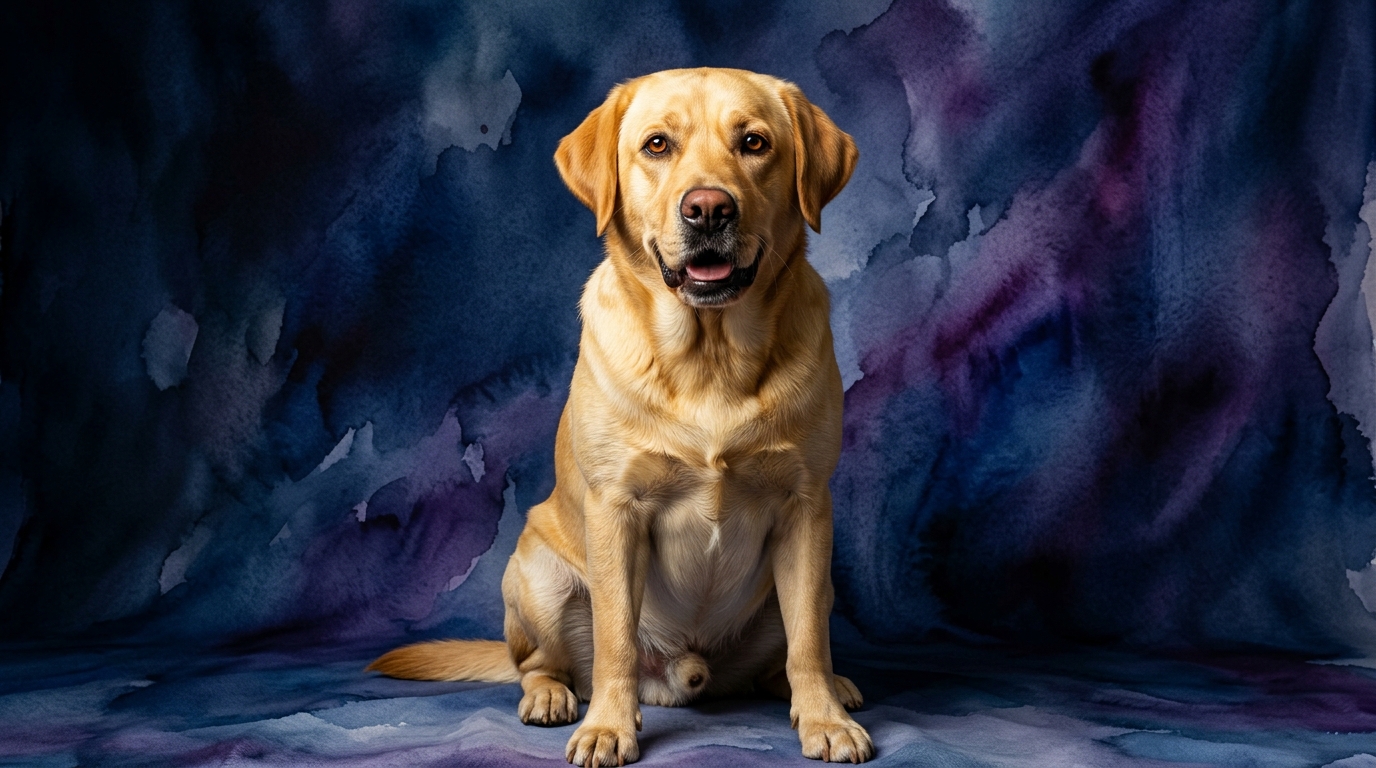
The Labrador Retriever, a dog from the Sporting group, presents a robust cognitive profile with a Coren rank of #7. Its Problem Solving ability scores a 4 out of 5, indicating a strong capacity for navigating complex situations and learning from experience. Training Speed is exceptional at 5 out of 5, suggesting a rapid grasp of new commands and routines. Its Social Intelligence is equally impressive at 5 out of 5, reflecting a profound understanding of human cues and emotional states. An Instinctive Drive of 4 out of 5 points to a strong natural inclination for its retrieving tasks, while its Memory, also at 4 out of 5, supports consistent recall and skill retention.
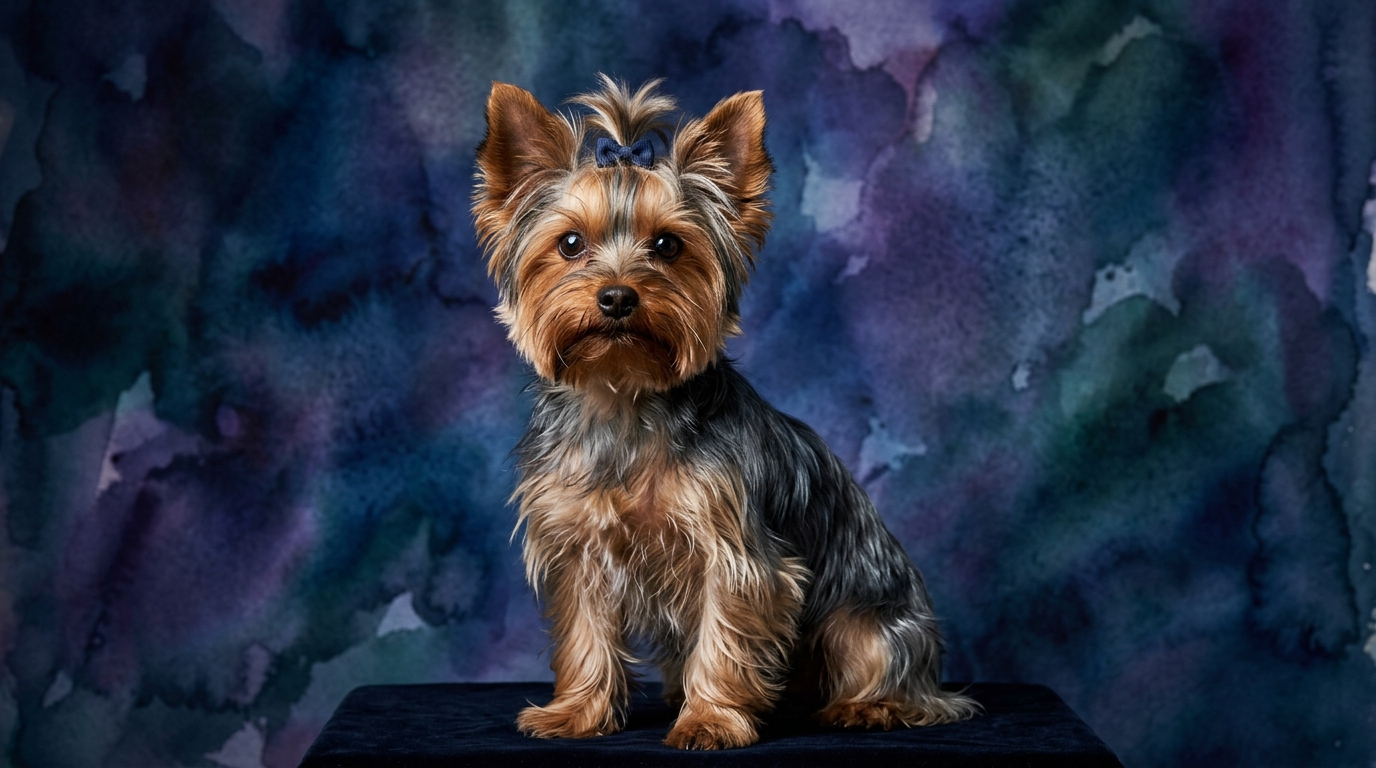
In contrast, the Yorkshire Terrier, a Terrier group member, holds a Coren rank of #27, showcasing a different set of cognitive strengths. Its Problem Solving registers at 3 out of 5, demonstrating an adequate capacity for figuring out novel challenges within its environment. Training Speed is a commendable 4 out of 5, meaning it learns new behaviors efficiently, albeit not quite as quickly as a Labrador. Social Intelligence stands at 4 out of 5, indicating a good understanding of its human companions and social dynamics. Its Instinctive Drive is a strong 4 out of 5, a testament to its terrier heritage and innate prey drive, and its Memory matches the Labrador's at 4 out of 5, allowing for reliable retention of learned information.
Where the Labrador Retriever Excels Cognitively
The Labrador Retriever's cognitive strengths are particularly pronounced in areas of broad application and cooperative learning. Its superior Problem Solving (4/5) allows it to tackle more intricate tasks, such as complex scent work, navigating obstacle courses requiring multiple steps, or understanding multi-stage commands, often demonstrating a patient, methodical approach to figuring things out. This is a breed that can discern patterns and apply previous learning to new, similar scenarios with notable proficiency.
The Lab's perfect score in Training Speed (5/5) means it processes and internalizes instructions with remarkable efficiency. This isn't just about quick obedience; it reflects a cognitive readiness to engage, absorb, and execute new behaviors, making it highly responsive to diverse training protocols, from advanced obedience to specialized assistance work. Coupled with its peak Social Intelligence (5/5), the Labrador possesses an unparalleled ability to interpret human intentions, gestures, and vocal tones, fostering deep collaborative partnerships. This cognitive empathy allows them to anticipate needs and respond appropriately in complex social interactions, making them exceptionally attuned companions and working partners.
Where the Yorkshire Terrier Shows Distinct Cognitive Strengths
While the Yorkshire Terrier's raw scores might be numerically lower in some areas, its cognitive profile is acutely effective within its specific context and historical role. Its Instinctive Drive, rated at 4 out of 5, is on par with the Labrador's, but it manifests as a sharp, persistent focus on small, moving objects, coupled with a tenacious investigative curiosity. This drive fuels a cognitive engagement centered on exploration and the 'hunt,' whether for a hidden toy or a perceived intruder, demonstrating remarkable mental stamina in pursuit of its interests.
The Yorkie's Problem Solving (3/5), though not as high as the Lab's, is highly functional for its size and environment. It excels at navigating tight spaces, figuring out how to reach desired items, or creatively circumventing obstacles in a household setting. This often involves a trial-and-error approach, driven by its terrier persistence, which, combined with its 4/5 Memory, means it remembers successful strategies for future use. Its Social Intelligence (4/5) is also a significant asset, allowing it to form strong, nuanced bonds with its primary caregivers and effectively communicate its needs and desires, often with a charming assertiveness that leverages its cognitive understanding of familial dynamics.
Training Aptitude: Ease and Approach
When it comes to ease of training, the Labrador Retriever generally holds an advantage, primarily due to its perfect 5/5 Training Speed and 5/5 Social Intelligence. Labs are eager to please and inherently collaborative, making them highly receptive to learning new commands and behaviors quickly. Their robust memory (4/5) ensures that once a lesson is learned, it tends to stick, contributing to a fluid and rewarding training experience. This breed often thrives on positive reinforcement, readily understanding the connection between actions and rewards.
The Yorkshire Terrier, with a commendable 4/5 Training Speed and 4/5 Social Intelligence, is certainly trainable, but often requires a slightly different approach. Their terrier tenacity and strong instinctive drive (4/5) can sometimes translate into a more independent streak or a tendency to get distracted by environmental stimuli. While they learn efficiently, their problem-solving (3/5) might mean they take a moment longer to generalize a concept or might try alternative solutions before settling on the desired one. Consistency, patience, and making training feel like a fun game are particularly effective strategies for guiding a Yorkie's learning.
Matching Breeds to Lifestyles: Active vs. Relaxed Owners
For active owners seeking a canine partner for adventures and structured activities, the Labrador Retriever is an exceptional match. Its high Problem Solving, perfect Training Speed, and profound Social Intelligence make it adept at various dog sports, from agility and obedience to field trials and dock diving. Its instinctive drive for retrieving (4/5) pairs well with owners who enjoy throwing balls, hiking, or even swimming. This breed thrives on mental and physical engagement, and an owner who can provide consistent stimulation will find a highly cooperative and fulfilled companion.
Conversely, the Yorkshire Terrier's cognitive profile and physical needs make it well-suited for owners with a more relaxed lifestyle, or those living in smaller spaces. While still possessing a strong instinctive drive (4/5) and requiring mental engagement, their problem-solving (3/5) and social intelligence (4/5) are perfectly tuned for navigating indoor environments and engaging in focused, shorter bursts of play. Owners who appreciate a clever, devoted companion that enjoys interactive games, puzzle toys, and cozy cuddle sessions will find the Yorkie's cognitive makeup to be a perfect fit, offering companionship without the demanding physical activity requirements of larger sporting breeds.
The Verdict
Choose a Labrador Retriever if you seek a highly cooperative, versatile, and eager-to-train companion for active pursuits and complex learning tasks, thriving on deep social interaction and consistent engagement.
Opt for a Yorkshire Terrier if you desire a spirited, clever, and devoted companion adept at navigating smaller environments, enjoying focused mental challenges, and forming strong, personal bonds without requiring extensive outdoor physical demands.
🧠 Find Your Pet's IQ Score
Our Pet IQ Lab assessment covers 25+ tests across 5 cognitive dimensions — personalized to your breed.
Take the Full IQ Test →Frequently Asked Questions
Do Labrador Retrievers or Yorkshire Terriers remember commands better?
Both breeds share a Memory score of 4/5, indicating a strong capacity for retaining learned information. While the Labrador's higher Training Speed might mean it picks up commands faster initially, both are capable of reliable long-term recall with consistent reinforcement.
Which breed is better at adapting to new routines or environments?
The Labrador Retriever, with its 4/5 Problem Solving and 5/5 Social Intelligence, generally adapts more fluidly to significant changes, often interpreting new situations with a cooperative and curious demeanor. The Yorkshire Terrier (Problem Solving 3/5, Social Intelligence 4/5) can adapt well, particularly with consistent reassurance from its trusted human, but might take a bit longer to process and settle into entirely novel scenarios.
How do their instinctive drives differ in everyday life?
Both breeds have an Instinctive Drive of 4/5, but its manifestation varies; the Labrador's drive is typically geared towards retrieving and working cooperatively, often expressed through a desire to carry items or engage in fetch. The Yorkshire Terrier's drive is often seen in its keen observation, alert barking, and persistent pursuit of small moving objects or perceived 'prey,' reflecting its terrier heritage.