Side-by-Side IQ Profile: Unpacking Identical Scores
When we examine the cognitive dimensions for both the Lakeland Terrier and the American Eskimo Dog, The Cosmic Pet Pet IQ Lab assigns identical scores: Problem Solving 3/5, Training Speed 3/5, Social Intelligence 3/5, Instinctive Drive 3/5, and Memory 3/5. While these numerical ratings suggest parity, understanding their breed-specific expressions is crucial. A score of 3/5 indicates a solid, average capacity, meaning neither breed struggles significantly nor excels dramatically in these areas, but the *way* they apply these capacities differs due to their genetic predispositions and historical roles.
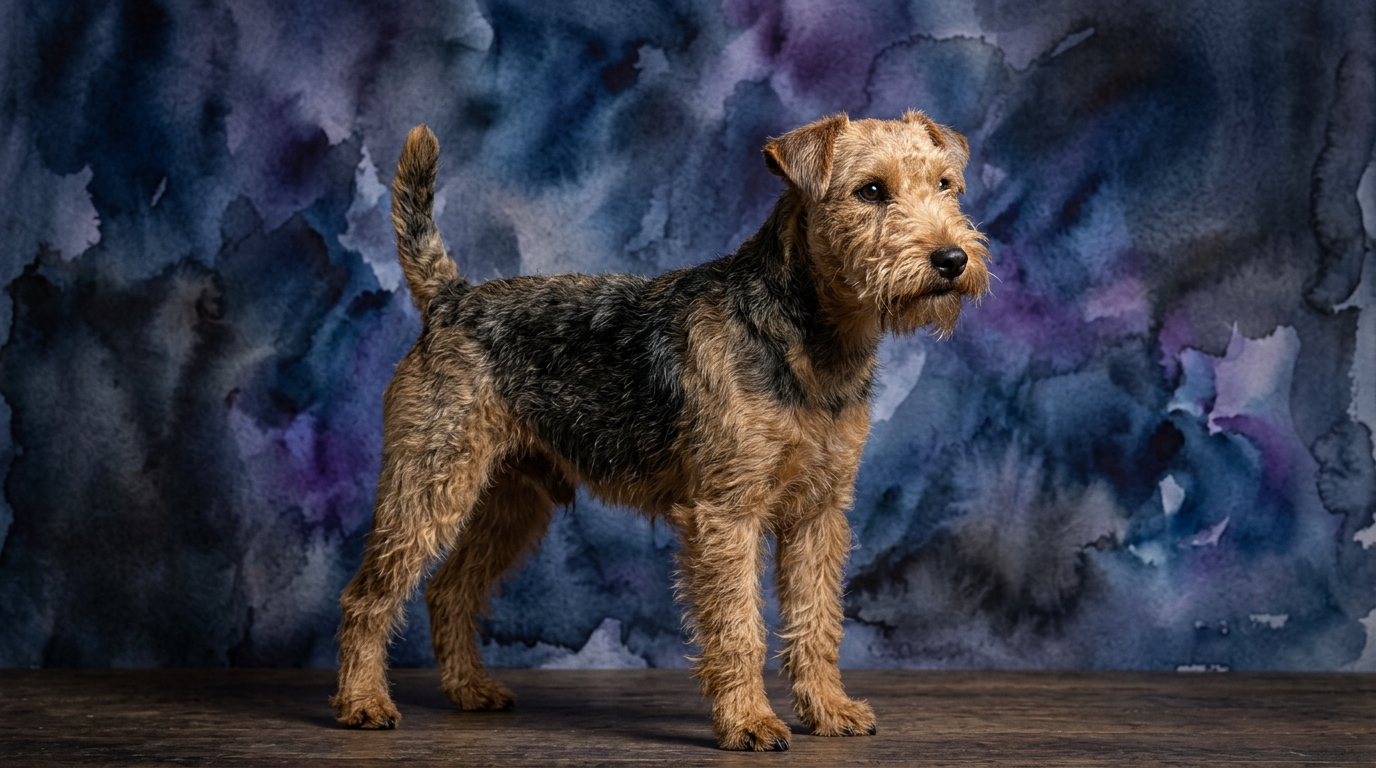
The Lakeland Terrier, a member of the Terrier group, historically worked independently to hunt vermin in the challenging terrain of England's Lake District. This background shapes their Problem Solving at 3/5; they are adept at figuring out how to achieve a goal, often through persistence and independent thought, such as navigating complex burrows or strategizing to catch prey. Their Training Speed at 3/5 reflects a capacity to learn, but often with a strong independent streak that requires consistent, engaging methods. Social Intelligence at 3/5 means they can form strong bonds with their families, yet their terrier nature often makes them alert and sometimes reserved with strangers, evaluating new social situations rather than immediately embracing them. Their Instinctive Drive, also 3/5, is strongly tied to their prey drive, digging, and patrolling, making them highly motivated by these natural behaviors. Memory at 3/5 allows them to retain commands and routines effectively, particularly those associated with their work or established household norms.
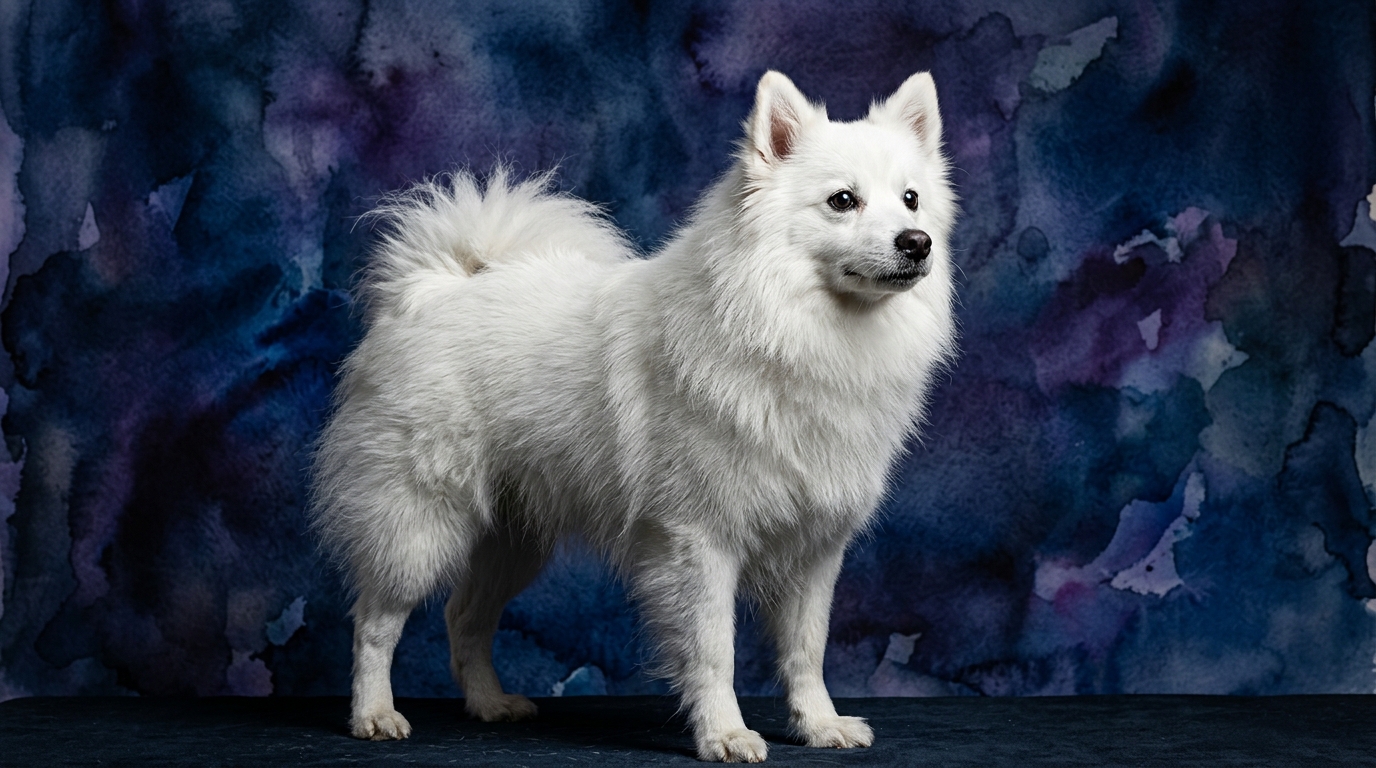
In contrast, the American Eskimo Dog, belonging to the Non-Sporting group and descended from German Spitz dogs, was bred primarily as a companion and performer in traveling circuses. Their Problem Solving at 3/5 manifests as cleverness in learning tricks and adapting to various human environments, often finding creative ways to get attention or desired outcomes. Their Training Speed at 3/5 indicates a willingness to learn, often eager to please their human companions, though they can also exhibit a stubborn streak characteristic of Spitz breeds that requires patience and positive reinforcement. Social Intelligence at 3/5 is evident in their strong attachment to their families and their often vocal nature, communicating their feelings and observing their surroundings keenly. Their Instinctive Drive at 3/5 is more aligned with their role as watchdogs and companions, encompassing alert barking, a desire to be involved in family activities, and some herding tendencies. Memory at 3/5 allows them to recall a vast repertoire of tricks and routines, and they often remember people and experiences with clarity, contributing to their loyalty.
Where Lakeland Terriers Demonstrate a Cognitive Edge
Despite identical numerical scores, the Lakeland Terrier's cognitive strengths lean towards independent problem-solving and persistent application of their instincts. Their 3/5 Problem Solving, honed by generations of hunting, means they excel at tasks requiring self-reliance and tenacity. For instance, if a Lakeland wants to access a particular scent or investigate an interesting sound, they will persistently work through obstacles, whether it involves digging under a fence or figuring out how to open a cupboard. This isn't necessarily about complex abstract thought, but rather an unwavering focus on a tangible goal driven by their powerful instinctive motivations.
Their 3/5 Instinctive Drive gives them an edge in scenarios requiring sustained, self-directed action. While an Eskie might wait for a cue, a Lakeland Terrier is more likely to initiate action based on their own assessment of a situation, such as pursuing a perceived 'intruder' (a squirrel) with unwavering focus. This makes them particularly adept at activities that tap into their natural hunting drive, such as earthdog trials or scent work, where their independent decision-making and drive for discovery come to the forefront.
Where American Eskimo Dogs Exhibit Cognitive Strengths
The American Eskimo Dog, with its 3/5 scores across the board, shines in areas demanding social engagement and adaptability within a human context. Their 3/5 Problem Solving often manifests in their ability to understand and manipulate social dynamics to their advantage, such as figuring out which family member is most likely to give them a treat or how to get extra attention. This isn't about hunting prey, but about navigating the complexities of their human household effectively.
Their 3/5 Social Intelligence, combined with their history as performers, gives them an advantage in learning and executing complex tricks and routines that require close cooperation and attention to human cues. They often possess a keen awareness of their handler's mood and intentions, making them sensitive and responsive partners in training. Furthermore, their 3/5 Memory allows them to build a significant repertoire of learned behaviors, making them excellent candidates for advanced obedience or canine sports where numerous commands and sequences must be recalled precisely.
Training Dynamics: Which Breed is More Amenable?
While both breeds score 3/5 in Training Speed, their underlying motivations and behavioral tendencies create distinct training experiences. The American Eskimo Dog often approaches training with a desire to please and a high degree of sociability. They thrive on positive reinforcement, praise, and the close bond they share with their owner. Their quick recall of tricks and routines (Memory 3/5) means they can accumulate a wide range of behaviors relatively quickly, making them generally perceived as more 'trainable' for a broader audience, provided the owner can manage their occasional stubbornness and vocal tendencies with consistent, engaging methods.
The Lakeland Terrier, by contrast, is often described as more independent and less overtly 'eager to please.' Their 3/5 Training Speed is present, but it's often filtered through their strong 3/5 Instinctive Drive and self-reliant Problem Solving. Training a Lakeland requires creativity, patience, and understanding of their terrier nature. They respond best to training that feels like a game or a challenge, rather than rote repetition. Owners must find ways to make learning intrinsically rewarding, often by incorporating elements of chase, scent work, or digging into their training to harness their natural drives. What might be seen as stubbornness is often simply a Lakeland's preference for making its own decisions, requiring an owner who can skillfully persuade rather than command.
Matching Breed to Lifestyle: Active vs. Relaxed Owners
The choice between a Lakeland Terrier and an American Eskimo Dog also hinges significantly on an owner's lifestyle and what they seek in a canine companion. For active owners who enjoy structured activities and a highly engaged partner, the American Eskimo Dog is often a natural fit. Their 3/5 Social Intelligence and desire for interaction mean they thrive when included in family activities, whether it's hiking, playing fetch, or participating in dog sports like agility or trick training. They require consistent mental stimulation and social interaction to prevent boredom, which can manifest as excessive barking or destructive behaviors.
For owners who appreciate a dog with a strong personality and an independent spirit, the Lakeland Terrier can be a rewarding choice, though they are far from 'relaxed' pets. Their 3/5 Instinctive Drive and Problem Solving capacities demand an outlet. They need owners who are prepared for consistent exercise, engaging walks that allow for sniffing and exploration, and mental challenges that tap into their terrier instincts, such as earthdog trials or advanced obedience. While they can be affectionate, they are often less 'needy' for constant human interaction than an Eskie, content to patrol the yard or investigate interesting smells independently, but still requiring significant engagement to prevent boredom and potential mischievousness.
The Verdict: When to Choose Each Companion
The Verdict
Choose a Lakeland Terrier if you appreciate a dog with a bold, independent spirit, enjoy engaging in task-oriented activities like earthdog or scent work, and are prepared for a dog that thrives on persistence and self-directed problem-solving.
Opt for an American Eskimo Dog if you seek a highly social, interactive companion eager to learn tricks and participate in family life, and you can provide consistent positive reinforcement and ample mental and social engagement.
🧠 Find Your Pet's IQ Score
Our Pet IQ Lab assessment covers 25+ tests across 5 cognitive dimensions — personalized to your breed.
Take the Full IQ Test →Frequently Asked Questions
Are Lakeland Terriers difficult to live with due to their independence?
Lakeland Terriers possess a strong independent streak, which can be perceived as 'difficult' if owners expect constant obedience. However, for those who appreciate a dog that thinks for itself and enjoys engaging challenges, their independence can be a rewarding trait, requiring consistent, creative training.
Do American Eskimo Dogs bark excessively?
American Eskimo Dogs are often vocal, using barks to communicate and alert their families, a trait stemming from their watchdog heritage. While not necessarily 'excessive,' their barking can be frequent if not managed with proper training and sufficient mental and physical stimulation.
Which breed is better suited for a first-time dog owner?
Neither breed is typically recommended for a completely novice owner without prior research and commitment. However, the American Eskimo Dog's eagerness to please and social nature might make them slightly more forgiving for a dedicated first-timer willing to invest in consistent training, whereas the Lakeland Terrier's strong independence requires a more experienced hand.