Side-by-Side IQ Profile: Unpacking Canine Cognition
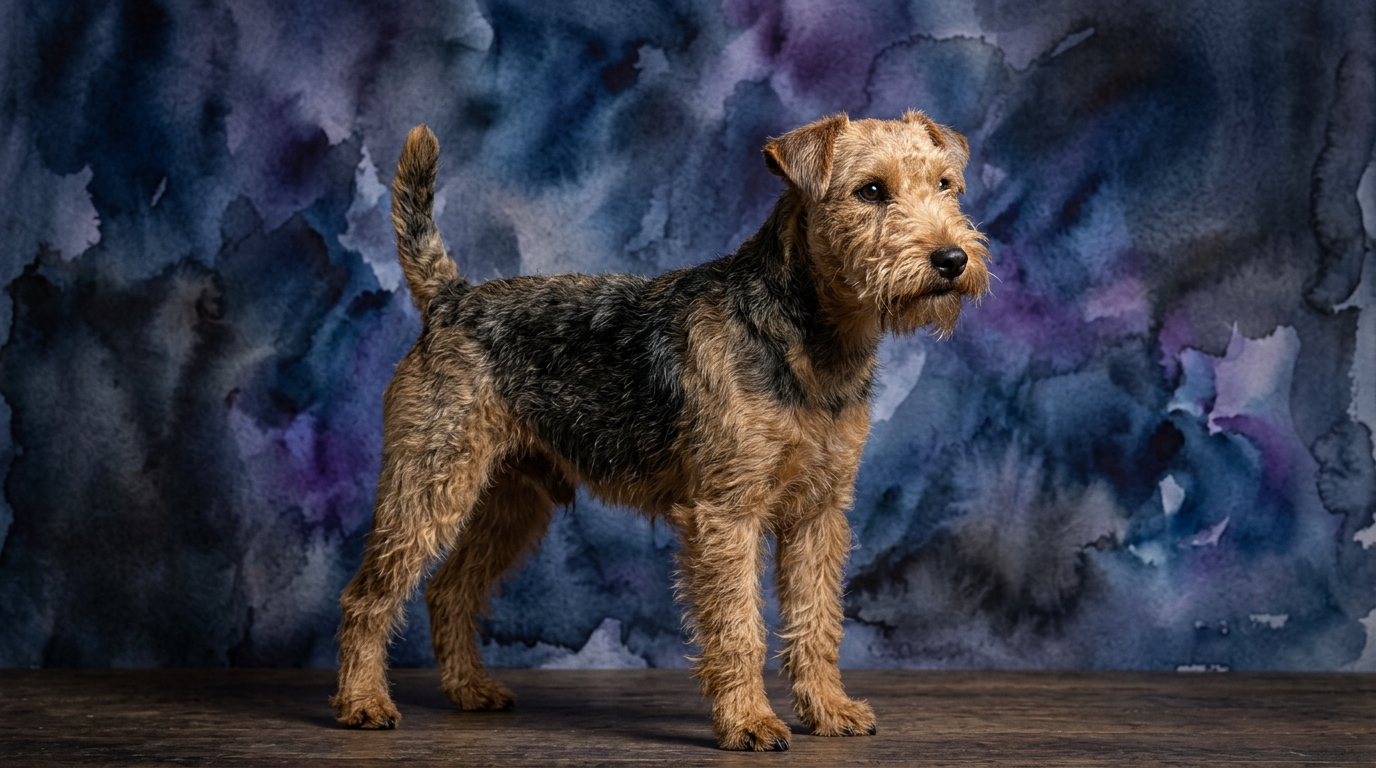
The Lakeland Terrier, a hardy working breed, registers a balanced cognitive profile across our metrics. Their Problem Solving and Training Speed both stand at 3/5, indicating a capacity for learning and navigating novel situations, often with a characteristic independent streak. Social Intelligence, also at 3/5, suggests they can read human cues and interact appropriately within a family structure, though perhaps without intense people-pleasing. An Instinctive Drive of 3/5 reflects their terrier heritage, manifesting as a moderate inclination towards ancestral behaviors like digging or chasing small prey. Finally, their Memory at 3/5 means they retain learned commands and experiences reliably, but might not recall intricate sequences or past events with exceptional detail.
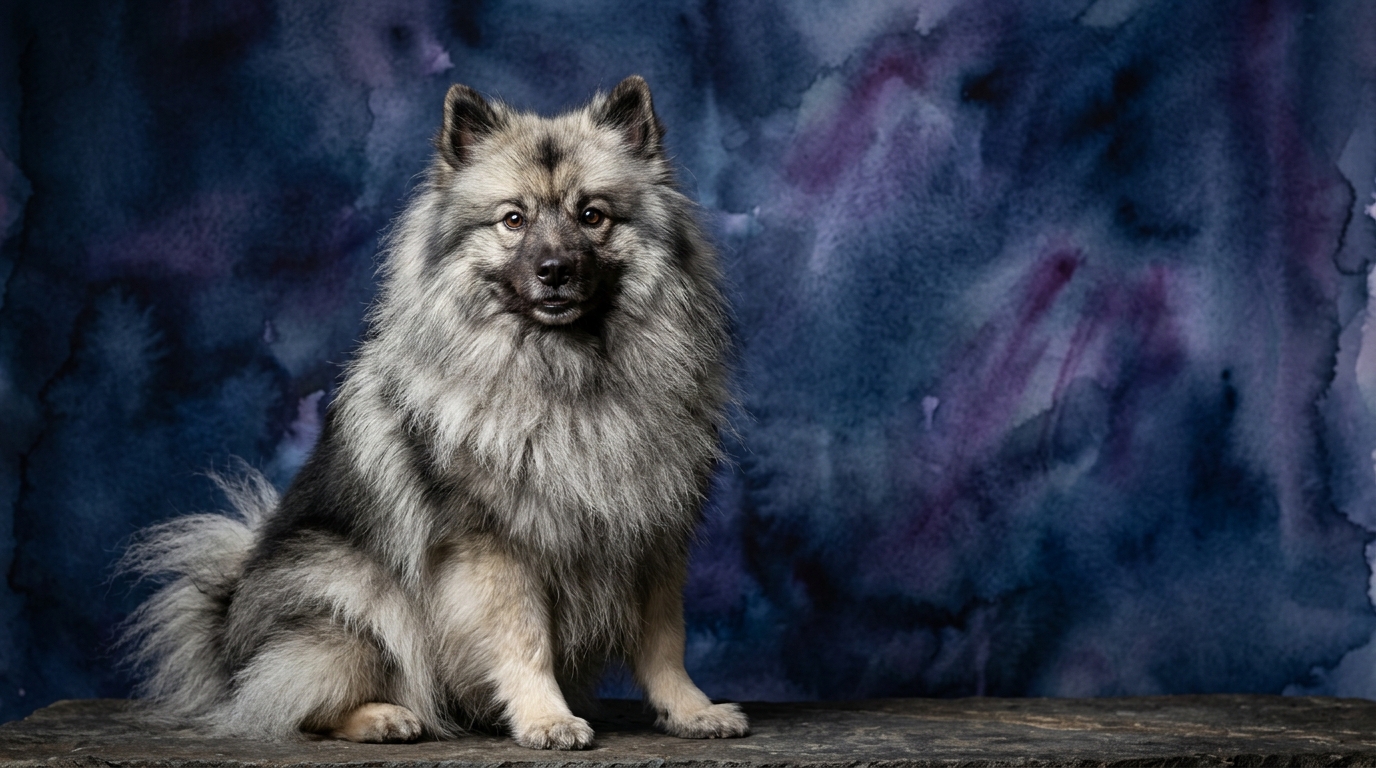
The Keeshond, a watchful companion breed, presents a slightly more specialized cognitive design according to The Cosmic Pet Pet IQ Lab. They demonstrate a Problem Solving score of 4/5, suggesting a greater aptitude for figuring out puzzles or adapting to new challenges. Their Training Speed also rates 4/5, implying a quicker grasp of new commands and routines. Social Intelligence mirrors the Lakeland at 3/5, indicating similar awareness regarding human social dynamics. Their Instinctive Drive, also at 3/5, means they possess some natural inclinations, often expressed as alertness and a desire to patrol their territory, rather than a strong prey drive. A standout feature is their Memory, earning a perfect 5/5, which points to an exceptional capacity for recall and retention of complex information and past interactions.
Where the Lakeland Terrier Excels Cognitively
While the Keeshond shows higher scores in some areas, the Lakeland Terrier's balanced 3/5 across all categories reflects its versatile, gritty nature. Their scores in Problem Solving and Training Speed aren't deficits but rather indicate a self-reliant approach to learning and navigating situations. This breed often thrives when allowed to independently assess and work through challenges, a trait cultivated by their history as pest control specialists. Their cognitive strength lies in tenacity and consistent effort, even if initial understanding takes longer compared to a faster-learning breed.
The Lakeland's 3/5 Instinctive Drive, though equal to the Keeshond, manifests differently; it's rooted in earthdog activities, prompting exploration, digging, and focused determination in hunting. This cognitive inclination means they are highly engaged by scent work or tasks mimicking ancestral roles, where their moderate Problem Solving and Memory are perfectly adequate. Owners appreciating a dog that thinks for itself and enjoys a challenge, rather than always seeking direction, will find the Lakeland’s cognitive profile particularly rewarding.
Where the Keeshond Shines Cognitively
The Keeshond's cognitive profile reveals distinct advantages, particularly in areas benefiting from quick understanding and robust recall. Their 4/5 in Problem Solving indicates a dog that can more readily strategize solutions to novel situations, whether opening a gate or navigating an agility course. This cognitive flexibility means they often adapt rapidly to changes in routine or environment, making them quite amenable once they've observed and processed. Their Training Speed of 4/5 aligns with this, suggesting a breed that picks up new commands and cues with greater alacrity than the Lakeland, absorbing lessons more quickly.
The Keeshond’s most striking cognitive asset is its perfect 5/5 Memory. This exceptional recall means they are highly capable of retaining a vast repertoire of commands, routines, and past experiences. They can remember complex sequences, specific instructions, and even nuanced social interactions over long periods. This superior memory not only aids in advanced training but also contributes to their reputation as observant companions, often remembering details about their family members' habits. For owners seeking a dog capable of extensive learning and consistent performance, the Keeshond’s memory is a significant cognitive benefit.
Which Is Easier to Train and Why
When evaluating ease of training, the Keeshond generally presents a smoother path for most owners, primarily due to its higher scores in Training Speed (4/5) and Memory (5/5). These cognitive attributes mean a Keeshond is likely to grasp new commands more quickly and retain them for longer periods. They often show a greater willingness to engage in structured learning sessions and can build upon previously learned concepts with ease. Their Coren ranking at #16 further supports this, indicating a breed that tends to learn new commands in fewer repetitions and obeys first commands with a high success rate, translating into a more predictable training experience.
The Lakeland Terrier, with its 3/5 scores in both Training Speed and Memory, requires a different approach. While capable of learning, their independent terrier spirit means they may not always be as eager to comply or as quick to connect an action with a desired outcome. Training a Lakeland often demands more patience, consistency, and creative motivation to overcome their natural inclination to follow their own instincts, particularly if those instincts are more compelling than the current command. Their training focuses more on shaping behavior and building a strong working relationship, acknowledging their self-sufficient nature.
Which Suits Active Owners vs. Relaxed Owners
Considering their cognitive profiles, both breeds can suit active owners, but their activity preferences diverge. The Lakeland Terrier, with its balanced 3/5 Instinctive Drive and Problem Solving, thrives with owners who enjoy structured outdoor adventures that engage their terrier instincts. This means activities like earthdog trials, scent work, agility, or long, exploratory hikes where they can investigate and 'work' are ideal. Their moderate memory and training speed benefit from consistent engagement that stimulates their problem-solving abilities in a practical, hands-on way. They are for owners who appreciate a dog with a robust, independent spirit needing outlets for its drive.
The Keeshond, while also enjoying activity, often prefers a different kind of engagement, aligning more with owners who appreciate a companionable presence during their pursuits. Their higher Problem Solving (4/5) and exceptional Memory (5/5) make them excellent candidates for obedience, rally, or even therapy work, where precision, recall, and compliance are valued. They are well-suited to owners who enjoy consistent training, puzzle toys, and activities challenging their intellect rather than raw predatory drive. For more relaxed owners, a Keeshond's strong memory and adaptability mean they can also settle into a calmer routine, provided their need for mental stimulation and companionship is met with regular, thoughtful interaction.
The Verdict
Choose Lakeland Terrier when you seek an independent, tenacious companion with a moderate drive for exploration and problem-solving, thriving on consistent, engaging activities that appeal to its terrier nature. This breed suits those who value a dog capable of thinking for itself, and are prepared for a training journey that respects its self-reliant spirit.
Choose Keeshond when you desire an attentive, adaptable companion with a remarkable capacity for learning and retention, excelling in structured training and activities requiring precision and recall. This breed is an excellent match for owners who appreciate a dog that quickly grasps concepts and remembers a wide range of commands and routines.
🧠 Find Your Pet's IQ Score
Our Pet IQ Lab assessment covers 25+ tests across 5 cognitive dimensions — personalized to your breed.
Take the Full IQ Test →Frequently Asked Questions
Do Lakeland Terriers or Keeshonds make better family pets?
Both breeds can be wonderful family pets, but their social dynamics differ. Lakelands, with 3/5 Social Intelligence, are loyal but might be more reserved with strangers and require consistent socialization. Keeshonds, also 3/5 Social Intelligence, are typically more outwardly friendly and watchful, often forming strong bonds with their family while remaining alert to their surroundings.
Which breed is more vocal, the Lakeland Terrier or the Keeshond?
The Keeshond, historically a watch dog, tends to be more vocal, often using barks to alert their owners to new sights or sounds, reflecting their 3/5 Instinctive Drive for guarding. Lakeland Terriers, while not silent, typically bark less frequently unless actively engaged in a chase or frustrated, aligning with their moderate instinctive drive for hunting.
How do their instinctive drives impact daily life?
The Lakeland Terrier's 3/5 Instinctive Drive often manifests as a desire to dig, explore, and pursue small creatures, requiring secure yards and leash training. The Keeshond's 3/5 Instinctive Drive is more typically expressed as alertness and territorial watchfulness, leading them to be vigilant guardians of their home environment, sometimes prone to barking at passersby.