Side-by-Side IQ Profile
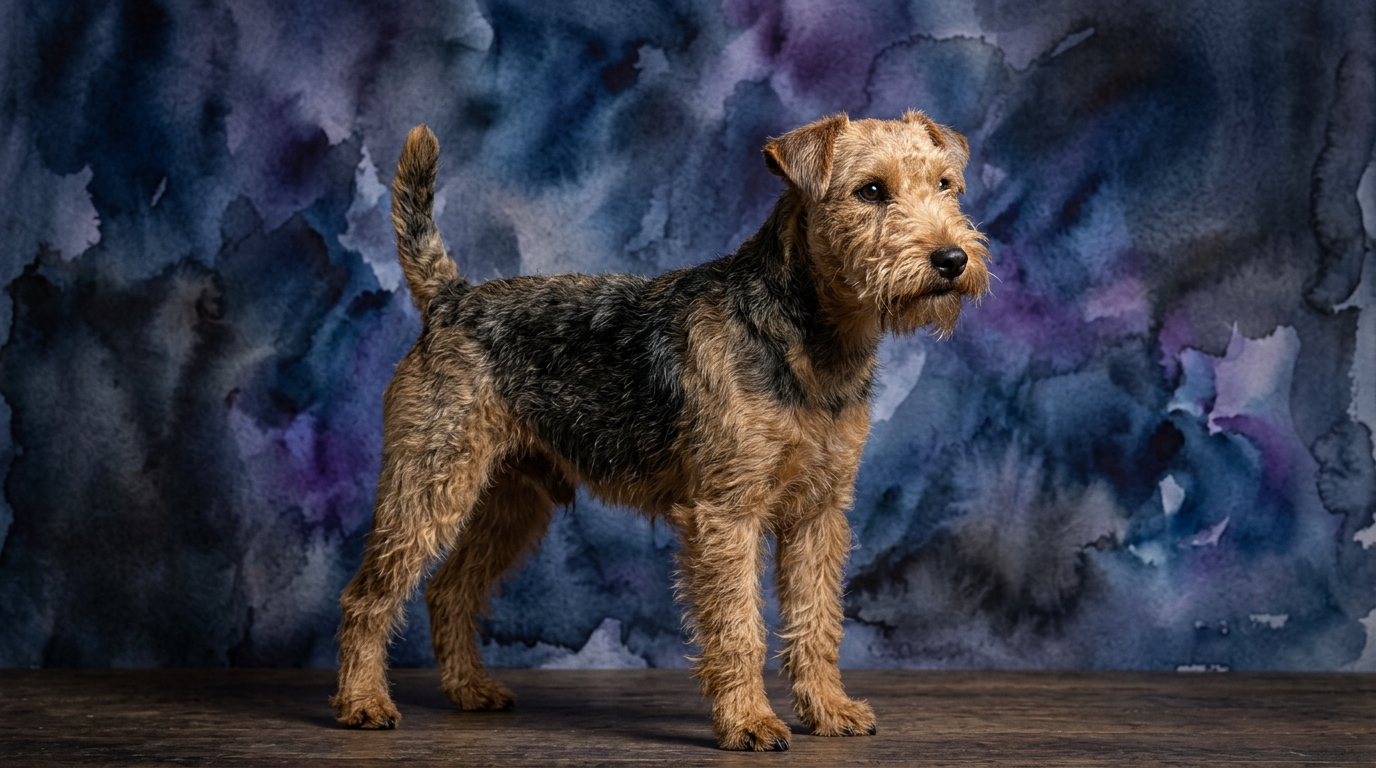
**Lakeland Terrier:** This terrier’s cognitive framework reflects its heritage as a tenacious fox and vermin hunter. Their Problem Solving (3/5) score indicates a practical, hands-on approach, adept at navigating confined spaces and devising direct strategies to reach a goal, such as flushing quarry from a burrow or figuring out how to access a forbidden treat. Their solutions are often immediate and physical. Training Speed (3/5) shows they possess a moderate learning curve for new commands, often picking them up with reasonable repetition. However, their independent streak means they might weigh the 'what's in it for me' factor, requiring engaging and consistent training methods to maintain focus and compliance. Social Intelligence (3/5) reveals they are capable of forming strong bonds with their human family and can read social cues, but their assertive nature means they often interact with other dogs or unfamiliar people with a confident, sometimes challenging, demeanor. They understand pack dynamics but prefer to be near the top. Their Instinctive Drive (3/5) is potent and focused on hunting, digging, and barking at perceived intruders or prey. This deep-seated instinct fuels their persistence and determination in tasks aligned with their heritage. Memory (3/5) demonstrates good recall for learned commands and routines, particularly when reinforced positively, alongside a keen memory for locations of interest, such as prime digging spots or pathways to adventure.
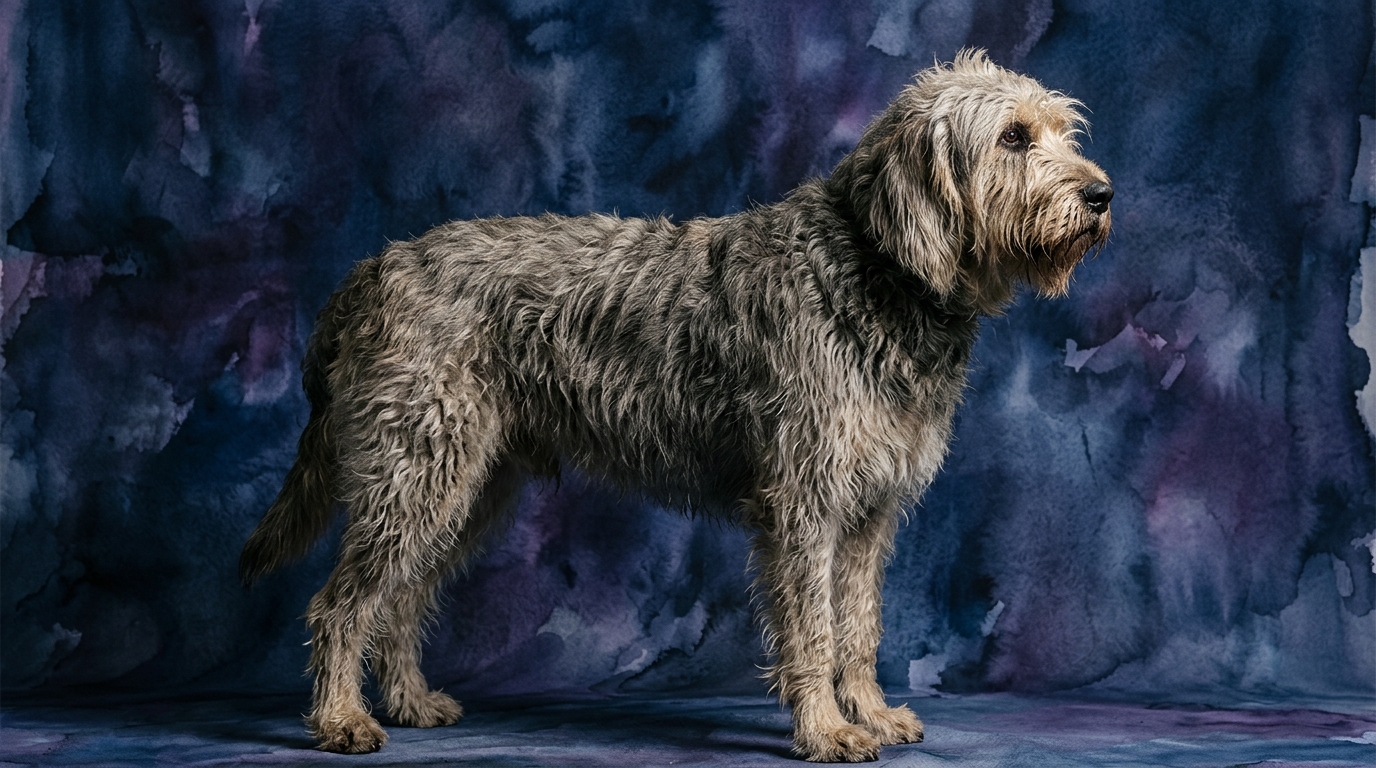
**Otterhound:** The Otterhound’s mental make-up is deeply influenced by its past as a tireless otter hunter, requiring stamina and an exceptional nose. Their Problem Solving (3/5) is less about quick, strategic maneuvers and more about sustained, methodical investigation. Their cognitive strengths lie in meticulously following complex scent trails, navigating varied terrains including water, and persistently working through environmental challenges to achieve their objective. Training Speed (3/5) suggests they learn at a steady pace, but their training can be significantly influenced by their strong olfactory focus. A captivating scent can easily divert their attention, making consistency and patience paramount. They absorb information well but sometimes prioritize their nose over human instruction. Social Intelligence (3/5) as a breed developed to work in a pack, Otterhounds typically display a congenial and tolerant social nature. They are generally good with other dogs and people, often responding to human moods with a gentle empathy, though their independent hound nature means they can sometimes appear aloof when a compelling scent is present. Their Instinctive Drive (3/5) is overwhelmingly centered on scent work, tracking, and a profound affinity for water. This instinct is a powerful motivator, guiding their exploration and engagement with the world around them. Memory (3/5) shows they possess an excellent long-term memory for scent patterns, routes, and the locations of interesting smells. They remember training cues, but the strength of their instinctive drive can sometimes override immediate recall, particularly in stimulating environments.
Where Lakeland Terrier Wins Cognitively
While both breeds share a 3/5 score across the board, the Lakeland Terrier often exhibits an edge in rapid, tactical problem-solving. Their historical role demanded quick thinking and decisive action in confined, unpredictable environments. This translates into a capacity for devising immediate, often physical, solutions to novel challenges, such as manipulating objects to gain access or figuring out escape routes. Their independence, while sometimes a training hurdle, also fosters a self-reliance in decision-making that can be observed when they confidently navigate new situations without constant human direction. This breed's cognitive strength lies in its agile mental pivot, allowing it to adapt swiftly to changing circumstances and initiate actions based on immediate environmental cues. They excel at 'thinking on their feet' rather than relying on a prolonged, methodical approach.
Where Otterhound Wins Cognitively
The Otterhound's cognitive strengths shine in areas demanding sustained focus and complex sensory processing, particularly olfaction. While their problem-solving score mirrors the Lakeland's, the nature of their problem-solving is distinct. Otterhounds excel at intricate, sequential problem-solving, such as meticulously unraveling a faint scent trail across varied terrain and over long distances. Their ability to process and retain vast amounts of olfactory information, and to methodically work through layers of environmental data, is a cognitive triumph. This persistence, combined with an exceptional scent memory, allows them to follow a 'mental map' of odors, demonstrating a different kind of intellectual stamina. Their social intelligence, rooted in pack cooperation, also manifests as a nuanced ability to integrate into larger social structures, often displaying a patient and tolerant demeanor that supports communal harmony.
Which is Easier to Train and Why
Despite identical 3/5 scores for training speed, the experience of training a Lakeland Terrier versus an Otterhound can feel quite different due to their underlying behavioral differences. The Lakeland Terrier, with its independent and sometimes assertive nature, may learn commands quickly but might also decide whether or not to comply based on its own assessment of the situation or its current motivation. Their terrier tenacity means they can be persistent in their own agenda, requiring a trainer to be equally persistent, creative, and consistent with positive reinforcement to channel their drive. Training a Lakeland often feels like a negotiation with a clever, self-assured individual.
The Otterhound, while also learning at a moderate pace, presents a different set of training challenges. Their profound scent drive is a constant, powerful distraction. While they generally possess a good-natured disposition and a desire to please, a compelling odor can instantly override learned commands, leading to what some might perceive as stubbornness or a lack of focus. Training an Otterhound demands immense patience, environmental control, and a deep understanding of how to work with their powerful nose, rather than against it. Success often comes from incorporating scent-based games or activities into their training to keep them engaged, recognizing that their cognitive focus is often directed outwards through their senses. Neither is inherently "easier," but they require different strategies: the Lakeland needs a firm, engaging leader, while the Otterhound needs an understanding guide who respects their sensory world.
Which Suits Active Owners vs. Relaxed Owners
Understanding the cognitive and physical demands of these breeds is crucial for matching them with the right lifestyle. The Lakeland Terrier, despite its moderate size, is a dynamo of energy and mental agility. Their problem-solving prowess and instinctive drive mean they thrive with active owners who can provide ample mental stimulation alongside physical exercise. These dogs need engaging activities like agility, earthdog trials, or complex puzzle toys to satisfy their quick minds. A "relaxed" owner who cannot consistently channel their terrier's zest for life might find themselves with a bored, potentially destructive, or overly vocal companion. They need owners who appreciate a dog with a strong personality and the willingness to engage in interactive play and training sessions regularly.
The Otterhound, while possessing a comparable instinctive drive, expresses it differently, primarily through scent work and a love for exploring. They require owners who enjoy long, rambling walks where their nose can lead the way, or who are keen on activities like scent work, tracking, or even water sports. Their stamina is considerable, but their pace is often more methodical than frantic. A "relaxed" owner in this context would be one who is patient with their dog's exploratory tendencies and enjoys spending time outdoors at a hound's pace, rather than expecting high-intensity bursts of activity. They are generally more amenable to relaxed indoor living once their exercise needs are met, often enjoying a good nap. However, "relaxed" does not mean inactive; it means a different type of activity, one that caters to their sensory world and endurance.
The Verdict
Select a Lakeland Terrier if you seek a vibrant, self-assured companion who thrives on tactical challenges and enjoys a dynamic, interactive partnership, provided you can consistently engage their clever mind and independent spirit.
Opt for an Otterhound if you value a genial, scent-driven explorer who enjoys methodical outdoor adventures and a strong bond with a patient owner willing to embrace their unique sensory world.
🧠 Find Your Pet's IQ Score
Our Pet IQ Lab assessment covers 25+ tests across 5 cognitive dimensions — personalized to your breed.
Take the Full IQ Test →Frequently Asked Questions
Do Lakeland Terriers and Otterhounds require similar amounts of mental stimulation?
Both breeds possess a 3/5 instinctive drive and memory, indicating a need for consistent mental engagement. However, the type of stimulation differs; Lakeland Terriers often benefit from problem-solving games and agility, while Otterhounds thrive on scent work and extended exploratory walks.
Is one breed more prone to independent thinking than the other during training?
While both breeds have a 3/5 training speed, the Lakeland Terrier's independence often manifests as a strong will, requiring a confident trainer. The Otterhound's independence is more rooted in its powerful scent drive, making it prone to distractions rather than direct defiance.
How do their social intelligence scores of 3/5 translate into their interactions with families?
A 3/5 social intelligence means both are capable of strong family bonds. Lakeland Terriers might be more assertive and watchful, while Otterhounds, with their pack heritage, are generally more amiable and tolerant, though sometimes focused on their own sensory world.