Side-by-Side IQ Profile: Unpacking Cognitive Dimensions
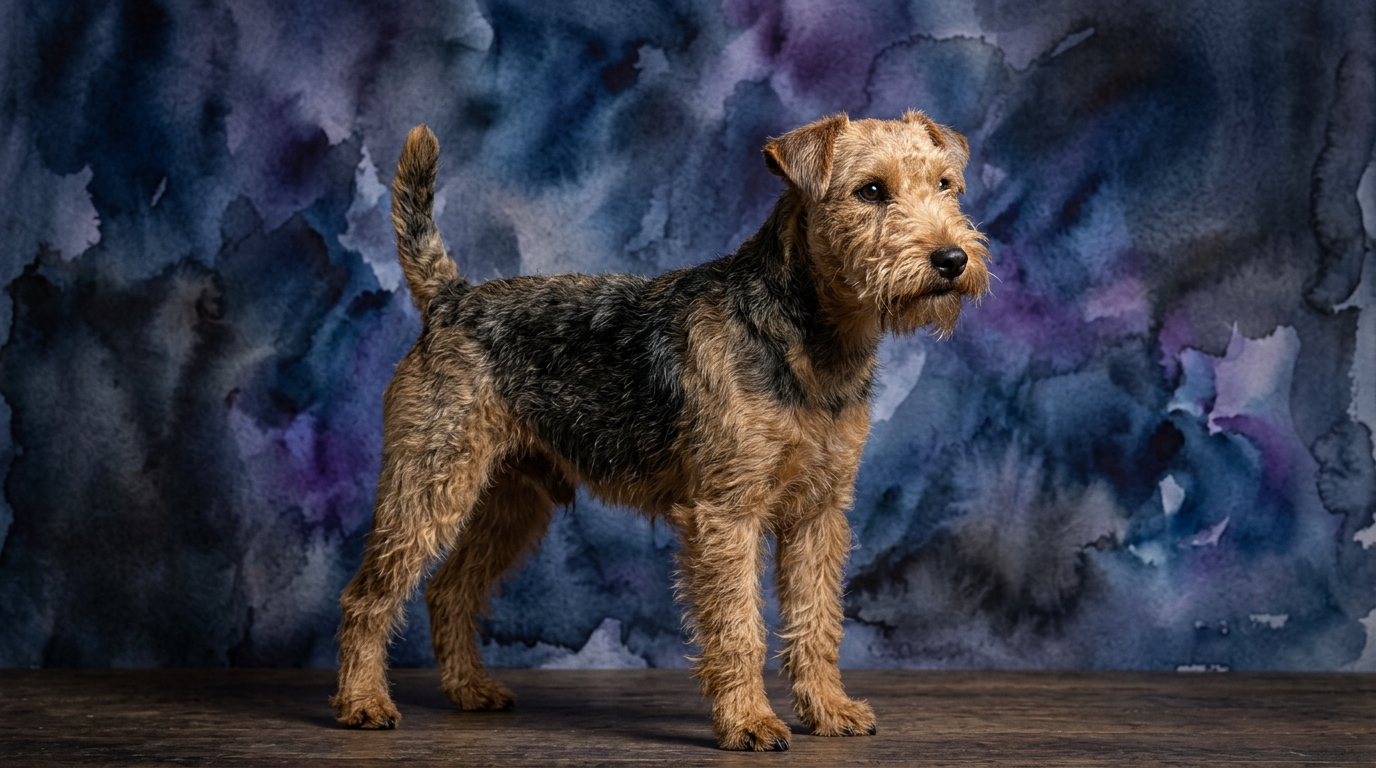
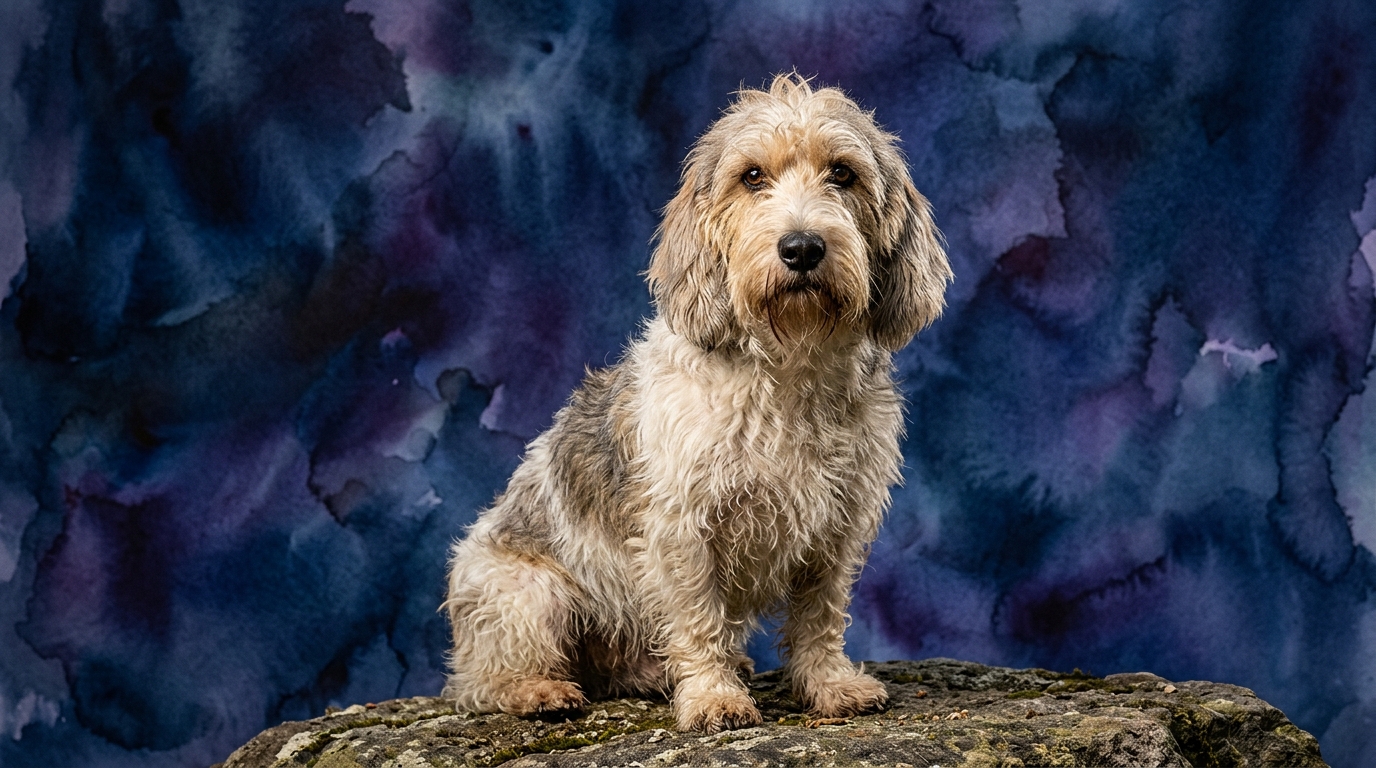
Both the Lakeland Terrier and the Petit Basset Griffon Vendéen (PBGV) register a consistent 3/5 across all five Cosmic Pet Pet IQ Lab dimensions, suggesting a moderate yet capable cognitive profile. However, the nature of this 'moderate' intelligence is profoundly influenced by their distinct breed groups – Terrier and Hound, respectively. Let's explore how these scores translate into their unique cognitive behaviors.
For Problem Solving (3/5), Lakeland Terriers often exhibit a quick-witted approach to challenges, typical of their terrier heritage; they may rapidly assess a situation and devise a direct, sometimes audacious, solution, particularly if it involves 'ridding' an area of perceived pests or navigating obstacles to reach a goal. PBGVs, with the same 3/5, approach problem-solving with a different methodology, often employing sustained focus and sensory input, such as meticulously following a complex scent trail through varying terrains to locate a hidden object, demonstrating a persistent, methodical form of cognitive processing.
In Training Speed (3/5), Lakeland Terriers can grasp new commands with reasonable alacrity, but their independent, sometimes stubborn, nature means their willingness to consistently execute these commands might be selective, often depending on their motivation or current interest. PBGVs, also at 3/5, may initially take a little longer to internalize a command, especially if their powerful scent drive is engaged, but once a behavior is learned and adequately reinforced, their consistency can be quite reliable, particularly in activities that leverage their natural inclinations.
Social Intelligence (3/5) in Lakeland Terriers often manifests as a strong bond with their primary human, understanding subtle cues and displaying loyalty, though they may be more reserved or discerning with strangers, reflecting a selective social acumen. PBGVs, also scoring 3/5, tend to exhibit a more generally amiable disposition, often keen on group dynamics and shared activities, interpreting social interactions through a lens of companionship and collective engagement rather than individual command.
Instinctive Drive (3/5) in the Lakeland Terrier is powerfully expressed through their innate desire to chase, dig, and investigate, often with a determined and vocal intensity that is characteristic of a working terrier. For the PBGV, their 3/5 instinctive drive is overwhelmingly dominated by their acute sense of smell and the compelling urge to track, bay, and follow a scent, which can override other stimuli and direct their entire focus.
Finally, Memory (3/5) for both breeds indicates a moderate ability to recall learned information and past experiences. A Lakeland will remember training cues and routines, as well as the location of interesting smells or play items, often using this recall to strategize future actions. A PBGV will similarly remember commands and routines, but their memory is particularly sharp when it comes to scent trails, familiar hunting grounds, or the location of valued food rewards, demonstrating a memory strongly tied to sensory experiences and positive reinforcement.
Where the Lakeland Terrier's Cognition Shines
The Lakeland Terrier's cognitive strengths are deeply rooted in their terrier lineage, making them particularly adept at independent, task-oriented problem-solving. Their Problem Solving score of 3/5, when filtered through a terrier lens, means they excel at figuring out practical solutions to immediate, tangible challenges, such as navigating a complex backyard to flush out a perceived 'intruder' or devising a way to retrieve a toy stuck under furniture. This isn't about abstract thought, but rather a keen ability to assess a physical environment and act decisively. Their social intelligence, while a 3/5, often allows them to form a particularly close, almost partnership-like bond with their chosen human, quickly picking up on their owner's moods and intentions, and often using this understanding to their advantage in negotiation or play. This translates into a dog that, while independent, is often highly attuned to their handler's specific cues, making them remarkably responsive when properly motivated. Their memory (3/5) is particularly sharp for spatial awareness and the location of high-value objects or 'prey,' allowing them to quickly learn and remember efficient routes or hiding spots.
Where the Petit Basset Griffon Vendéen's Cognition Excels
The Petit Basset Griffon Vendéen's cognitive prowess, while also scoring 3/5 across the board, manifests in a distinctly different, scent-driven manner. Their Problem Solving ability (3/5) truly shines in tasks requiring sustained focus and intricate sensory discrimination, such as meticulously following a faint and complex scent trail, ignoring numerous environmental distractions, to pinpoint a specific target. This is a highly specialized form of intelligence, demonstrating persistence and analytical thinking through olfaction. Their Instinctive Drive (3/5), geared towards tracking, becomes a powerful cognitive asset, allowing them to process vast amounts of olfactory information and make sophisticated judgments based on scent alone. This breed also demonstrates a unique form of social intelligence (3/5) centered around pack dynamics; they often thrive in a multi-dog household or enjoy group activities, showing a nuanced understanding of canine social structures and cooperation. Their memory (3/5) is exceptionally strong for scent associations, remembering specific odors and their past locations, which is invaluable for their primary function as a scent hound.
Training Dynamics: Lakeland Terrier vs. PBGV
Given both breeds score 3/5 in Training Speed, neither is inherently 'easier' to train, but the approach required for each differs significantly due to their underlying breed characteristics. The Lakeland Terrier, with its independent terrier spirit, can be quick to grasp commands but also quick to decide if obeying is worth their while. Training a Lakeland often requires making lessons engaging, varied, and fun to combat boredom and leverage their problem-solving nature. They respond well to positive reinforcement and consistency, but owners must establish clear boundaries and make training feel like a collaborative game rather than a strict command. Their social intelligence means they'll likely bond deeply with their trainer, making them eager to please *that* individual, but their instinctive drive can cause them to 'selectively hear' commands if a squirrel suddenly appears.
The Petit Basset Griffon Vendéen, on the other hand, presents a different set of training considerations. Their dominant instinctive drive for scent can make them appear less attentive, as their nose often leads the way, overriding human directives. Training a PBGV demands immense patience, consistent repetition, and high-value rewards to capture and maintain their focus. Lessons should be kept positive and short, especially in distracting environments. While their social intelligence makes them agreeable companions, their independent hound nature means they might follow a compelling scent rather than a command, even if they understand it. Therefore, managing their environment and channeling their natural drives into constructive activities like scent work can be far more effective than trying to suppress their instincts.
Lifestyle Match: Active vs. Relaxed Owners
Neither the Lakeland Terrier nor the Petit Basset Griffon Vendéen is suited for a truly 'relaxed' owner in the sense of a sedentary lifestyle, as both possess a moderate-to-high energy level that requires regular physical and mental engagement. However, their activity preferences diverge. An active owner who enjoys varied outdoor adventures, brisk walks, structured play, and potentially dog sports like agility or earthdog trials might find the Lakeland Terrier a stimulating companion. Their bursts of energy, keen observational skills, and independent problem-solving make them ideal for owners who appreciate a dog with a strong, assertive personality and a drive for exploration. They thrive on having a 'job' to do, even if it's just patrolling the yard for perceived intruders or engaging in spirited play sessions.
For an owner whose 'active' lifestyle leans more towards long, leisurely walks where sniffing and exploration are paramount, or those interested in scent work and tracking, the Petit Basset Griffon Vendéen could be an excellent match. While they can be surprisingly energetic, their endurance is often tied to their ability to follow a scent, making them perfect for owners who enjoy extended hikes or exploring new trails at a steady pace. They are less about high-intensity bursts and more about sustained, sensory-rich activity. Owners who appreciate a dog that can be charmingly stubborn when following its nose but ultimately affectionate and social will find a rewarding companion in the PBGV. Both breeds require owners committed to consistent training and mental stimulation to prevent boredom-induced behaviors.
The Verdict
Choose the Lakeland Terrier if you appreciate a dog with a sharp, independent mind, a strong sense of purpose, and a desire for engaging, varied activities that tap into their problem-solving and observational skills.
Opt for the Petit Basset Griffon Vendéen if you're drawn to a dog whose intelligence is rooted in an exceptional sense of smell and a methodical approach to exploration, and you enjoy long, scent-driven walks and a charmingly persistent companion.
🧠 Find Your Pet's IQ Score
Our Pet IQ Lab assessment covers 25+ tests across 5 cognitive dimensions — personalized to your breed.
Take the Full IQ Test →Frequently Asked Questions
Do Lakeland Terriers and PBGVs need a lot of exercise?
Yes, both breeds require regular exercise to stay healthy and mentally stimulated. While their energy levels manifest differently, neither is a couch potato; daily walks, playtime, and mental challenges are crucial for both breeds.
Are Lakeland Terriers or PBGVs good with children?
With proper socialization and training from a young age, both can be good with respectful children. Lakeland Terriers might be more tolerant of boisterous play, while PBGVs, with their amiable nature, generally enjoy family interaction, but supervision is always recommended.
Which breed is more prone to barking?
Both breeds can be vocal. Lakeland Terriers tend to bark to alert or express excitement, typical of terriers. PBGVs are known for their distinctive 'bay' when on a scent, and can also be vocal in other situations, reflecting their hound heritage.