Side-by-Side IQ Profile: Digging Deeper into Identical Scores
While both the Lakeland Terrier and Plott Hound are rated 3/5 across all five cognitive dimensions – Problem Solving, Training Speed, Social Intelligence, Instinctive Drive, and Memory – the *expression* of these abilities is deeply rooted in their breed types and histories. Understanding these nuances is crucial for appreciating their distinct mental makeups.
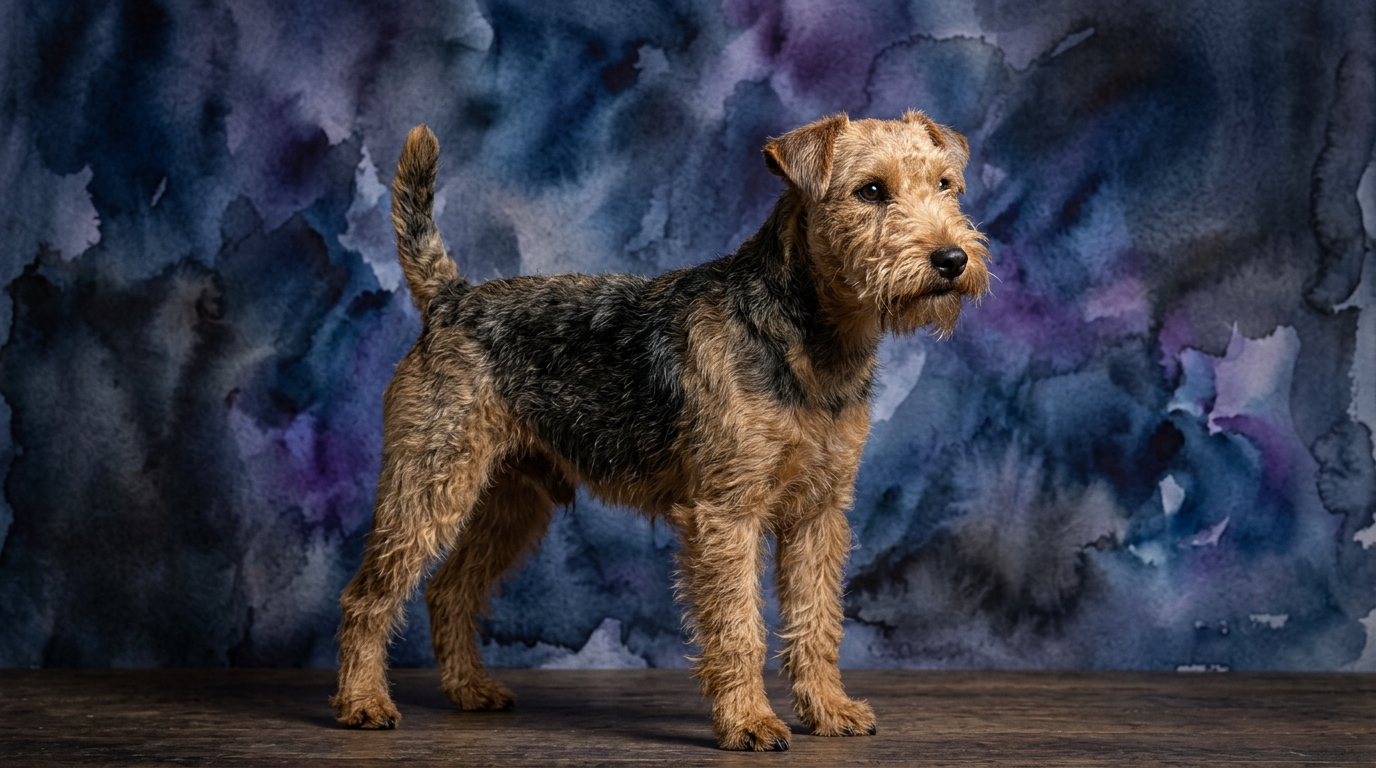
The Lakeland Terrier, a spirited member of the Terrier group, displays its Problem Solving (3/5) through practical, independent ingenuity. They excel at figuring out how to navigate tight spaces, outwit small prey, or access intriguing areas, often employing persistent trial-and-error with a determined spirit to achieve their immediate goals. Their Training Speed (3/5) means they grasp concepts quickly, but their independent nature can make compliance feel like a choice; they learn fast, but often weigh their own interests against commands. Social Intelligence (3/5) for a Lakeland is characterized by deep loyalty to their inner circle, discerning interactions with strangers, and an intuitive understanding of family dynamics. Their Instinctive Drive (3/5) is a potent blend of prey drive, an urge to dig, and boundless curiosity, making them highly motivated by activities that engage these natural instincts. Finally, their Memory (3/5) is strong for routines, locations, and cues, especially those linked to rewarding experiences or opportunities to engage their innate drives, influencing future responses based on past interactions.
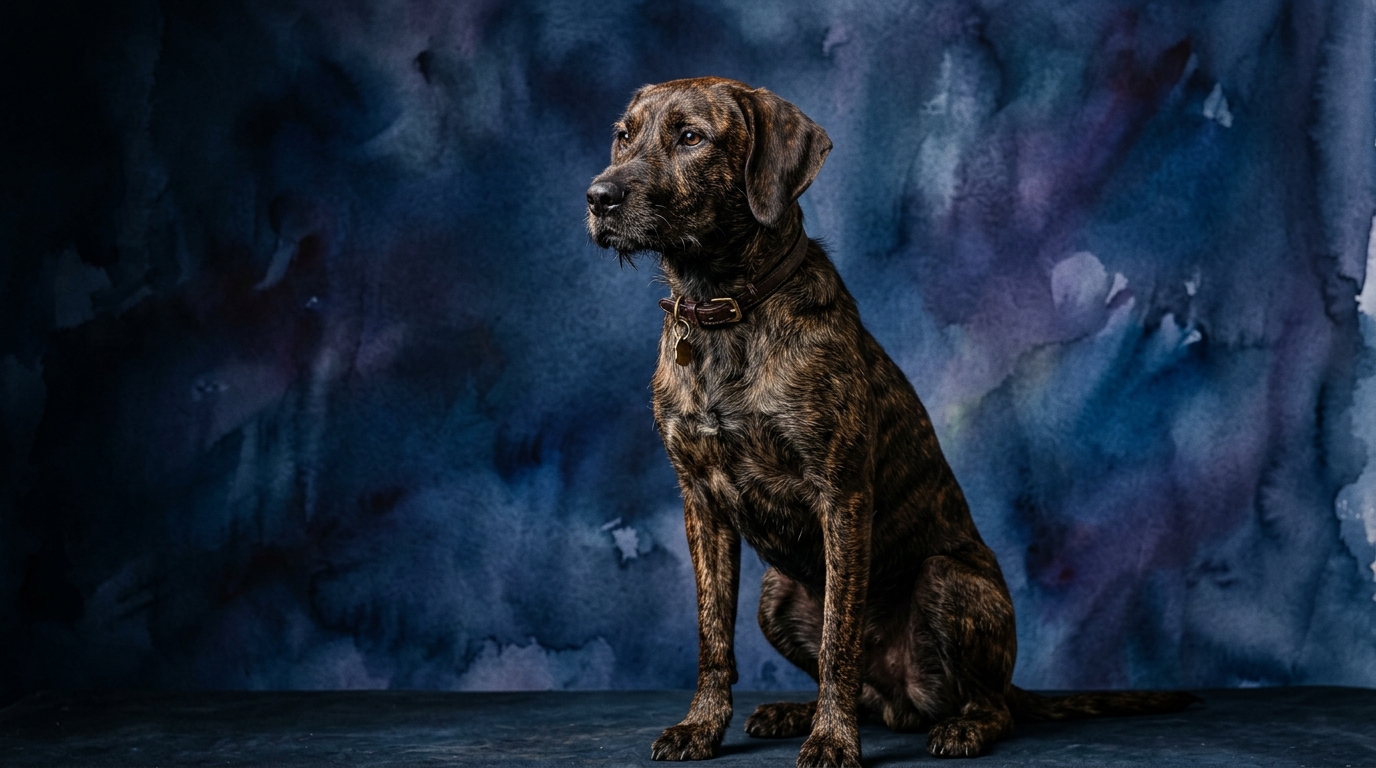
The Plott Hound, a powerful member of the Hound group, showcases its Problem Solving (3/5) primarily through its extraordinary tracking abilities. This involves complex decision-making to decipher intricate scent trails, navigate varied terrain, and strategize the pursuit of quarry, a highly specialized form of intelligence honed for their hunting role. Their Training Speed (3/5) indicates they are capable learners, particularly when tasks are tied to their natural drives or involve clear positive reinforcement; however, their profound focus on scent can make traditional obedience challenging amidst distractions. Social Intelligence (3/5) in a Plott Hound manifests as a generally amiable and devoted nature towards their family, thriving on companionship and often displaying good tolerance for other dogs, reflecting their pack-hunting heritage. Their Instinctive Drive (3/5) is overwhelmingly dominated by an exceptional sense of smell and an unwavering urge to track, characterized by their powerful bay and remarkable stamina in methodical pursuit. Their Memory (3/5) is excellent, especially for scent patterns, hunting routes, and the location of various scent sources, crucial for recalling complex trails and past experiences with remarkable accuracy in the field.
Where the Lakeland Terrier Wins Cognitively
Despite sharing identical IQ scores, the Lakeland Terrier exhibits a distinct cognitive edge in areas demanding independent ingenuity and adaptability within novel or physically challenging environments. Their Problem Solving, rated 3/5, shines brightest when faced with physical obstacles that require creative maneuvering, such as finding a way through a dense thicket or extracting a hidden toy from a complex puzzle. This is a terrier's specialized cunning, honed over generations for outsmarting small prey in their burrows and adapting to unpredictable situations with self-reliance. While both breeds score 3/5 in Instinctive Drive, the Lakeland's drive is more about immediate, hands-on engagement with its environment, manifesting as a persistent urge to dig, chase, and explore with a tangible, visible objective. This active, physical engagement often translates to a quicker grasp of object manipulation puzzles or games that require dexterous paw work and determined investigation, areas where a hound's primary focus on scent might offer less immediate advantage.
Where the Plott Hound Wins Cognitively
Conversely, the Plott Hound's cognitive strengths, though also rated 3/5, are profoundly specialized in the realm of scent and endurance. Their Problem Solving (3/5) is unparalleled when it comes to following intricate, cold trails over vast distances and varied terrain, a complex cognitive feat involving constant scent discrimination, memory recall of previous scent patterns, and strategic decision-making to optimize the track. Their Instinctive Drive (3/5) is a testament to their unwavering focus and stamina in pursuit, allowing them to maintain concentration on a single objective for hours, a mental marathon that few breeds can match. This deep immersion in their olfactory world gives them a superior ability to process and remember complex scent information, making them masters of environmental tracking and scent-based challenges. In scenarios where a terrier's visual or physical problem-solving would be less effective, the Plott Hound's highly refined sensory processing and sustained cognitive effort in tracking truly set them apart.
Which is Easier to Train and Why?
Determining which breed is 'easier' to train between the Lakeland Terrier and Plott Hound, both scoring 3/5 in Training Speed, requires a nuanced understanding of their inherent behavioral differences. The Lakeland Terrier's independent and often tenacious nature, a hallmark of the terrier group, means they are quick to learn but also quick to decide if a command aligns with their current interests. Their strong prey drive and self-sufficient mindset can lead to selective hearing, requiring owners to be exceptionally consistent, engaging, and patient, turning training into a captivating game to maintain their focus. Without this, their problem-solving might be applied to 'solving' how to get what *they* want rather than what is asked. The Plott Hound, while generally eager to please their family and possessing good social intelligence, presents a different training challenge: their instinctive drive for scent. Once on a trail, their focus becomes almost singular, making it incredibly difficult to break their concentration with commands. While they can learn commands swiftly in a low-distraction environment, their training becomes significantly harder in the presence of compelling scents. Therefore, while both require dedication, the Plott Hound might be considered 'easier' in a structured obedience class *if* their scent drive is managed, but the Lakeland Terrier might be more consistently challenging across various situations due to their ingrained independent streak and higher propensity for stubbornness when their interests diverge from the trainer's. The key for both is making training rewarding and understanding their core motivations: for the Lakeland, it’s engagement and 'winning'; for the Plott, it’s often about channeling their tracking drive or a strong bond with their handler.
Suiting Active Owners vs. Relaxed Owners
Both the Lakeland Terrier and the Plott Hound generally thrive with active owners, but the nature of that activity differs significantly. The Lakeland Terrier, while compact, possesses a surprising amount of energy and requires consistent mental and physical stimulation to prevent boredom and destructive behaviors. They are well-suited for owners who enjoy brisk walks, interactive play sessions, agility, earthdog trials, or engaging puzzle toys that challenge their problem-solving skills and satisfy their instinctive drives in bursts. Their activity needs are often met with shorter, more intense periods of exercise paired with mental work. A truly relaxed owner who prefers minimal engagement would likely find a Lakeland Terrier too demanding of their time and ingenuity. The Plott Hound, on the other hand, demands extensive physical exercise, particularly activities that engage their powerful scent drive and stamina. Owners who enjoy long hikes, jogging, hunting, or participate in scent work, tracking, or canicross will find a Plott Hound to be an ideal companion. While they can be calm indoors after sufficient exercise, their daily requirement for vigorous, often prolonged, activity is non-negotiable. A relaxed owner who cannot commit to hours of outdoor activity or mental engagement via scent work would quickly find a Plott Hound restless and potentially destructive. Neither breed is a good fit for a truly sedentary lifestyle, but the Plott Hound's needs lean towards sustained, high-endurance activities, whereas the Lakeland's lean towards varied, mentally stimulating engagement.
The Verdict
Choose a Lakeland Terrier if you appreciate a spirited, independent companion who thrives on interactive play, mental challenges, and an owner who can consistently engage their clever, tenacious nature. They are ideal for active individuals who enjoy a dog with a strong personality and are prepared to channel their innate terrier drives into constructive outlets.
Opt for a Plott Hound if you lead a very active lifestyle, enjoy long outdoor adventures like hiking or hunting, and are prepared to dedicate significant time to fulfilling their profound need for scent work and sustained physical activity. They are best for owners who appreciate a devoted, good-natured companion whose happiness is deeply tied to engaging their powerful olfactory instincts.
🧠 Find Your Pet's IQ Score
Our Pet IQ Lab assessment covers 25+ tests across 5 cognitive dimensions — personalized to your breed.
Take the Full IQ Test →Frequently Asked Questions
Are Lakeland Terriers stubborn?
Lakeland Terriers can exhibit a strong independent streak, which some owners interpret as stubbornness. Their problem-solving skills mean they often weigh situations and decide if a command aligns with their interests, requiring consistent, engaging training that appeals to their motives.
Do Plott Hounds bark a lot?
Plott Hounds are known for their distinctive bay, especially when on a scent trail or when excited. While not excessive barkers in all situations, their vocalizations are part of their breed heritage and can be a consideration for potential owners, particularly in close living quarters where their deep bay might carry.
Can either breed live in an apartment?
Neither breed is ideally suited for apartment living without significant commitment to daily, extensive exercise and mental stimulation outside the home. A Lakeland Terrier might adapt slightly better if their exercise needs are met with intense, focused activities, but a Plott Hound's need for sustained outdoor activity, especially scent work, makes apartment life more challenging due to their high energy demands.